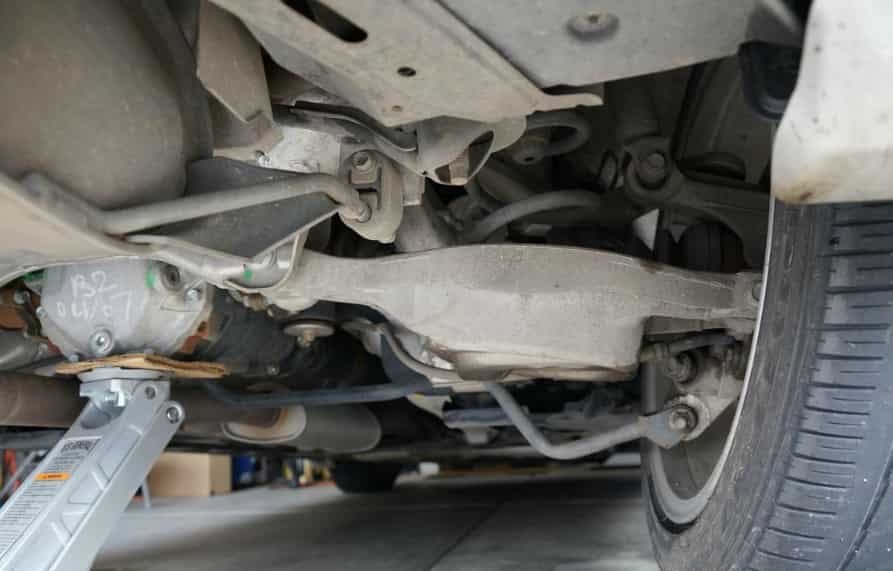
If you hear a rear axle clicking noise Nissan 350Z owners often describe as a sharp metallic click, you are probably wondering whether it is a harmless annoyance or the first sign of an expensive drivetrain repair. The sound may appear when pulling away from a stop, shifting between forward and reverse, accelerating, or driving through a corner. In some cases, it happens only once as the vehicle begins to move. In others, it repeats with every wheel rotation, making it difficult to determine where the noise is actually coming from.
Fortunately, a clicking noise from the rear axle does not automatically mean the differential or axle assembly has failed. Several components in the rear drivetrain, suspension, braking system, and wheel hub can produce similar sounds. Because these parts work together, one worn or loose component can easily mimic another, leading many owners to replace expensive parts without solving the real problem. Understanding when the noise occurs is often the first and most important step toward an accurate diagnosis.
This guide explains the most common causes of a rear axle clicking noise Nissan 350Z drivers experience, how to identify the source using logical inspection methods, and which repairs are most likely to restore quiet operation. You will also learn how to distinguish between minor issues and serious mechanical problems that require immediate attention. By following a structured diagnostic process instead of relying on guesswork, you can save time, reduce repair costs, and protect your Nissan 350Z from unnecessary drivetrain damage.
What Does a Rear Axle Clicking Noise on a Nissan 350Z Sound Like?
A rear axle clicking noise on a Nissan 350Z does not always sound the same. Some drivers hear one sharp click as the car starts moving. Others notice a steady clicking sound that becomes faster as vehicle speed increases. The timing of the noise often reveals more than its volume. For this reason, you should pay close attention to the exact driving condition when the sound appears. This simple observation can save hours of unnecessary inspection.
A Single Click During Initial Acceleration
Many Nissan 350Z owners first notice a single click when they pull away from a stop. The sound usually appears as the drivetrain transfers power to the rear wheels. It often happens only once. After that, the noise disappears until the vehicle stops and moves again.
This symptom usually points to slight movement between connected drivetrain components. The axle spline interface, axle hardware, or differential mount may shift under load before settling into place. Although the movement is small, it can produce a noticeable metallic click.
You may hear the sound more clearly with the windows down or while driving beside a wall. The reflected sound often makes the click easier to identify. Even if the noise seems minor, you should inspect it early. Small amounts of movement can create additional wear over time.
Repeated Clicking That Increases With Vehicle Speed
Some vehicles produce a clicking noise that repeats continuously while driving. The faster the car moves, the faster the clicking becomes. This pattern usually indicates that a rotating component causes the noise.
Several parts deserve careful inspection. A worn CV joint, damaged axle shaft, loose brake hardware, or failing wheel hub can all create this symptom. In some cases, a small stone trapped near the brake rotor or inside the tire tread creates a similar sound. Therefore, always inspect the wheels and brakes before replacing expensive drivetrain components.
Clicking While Turning
Some owners hear the clicking only while turning. Cornering changes the load on the suspension, wheel hubs, and axle assemblies. As a result, a component that stays quiet while driving straight may begin making noise during a turn.
Listen carefully during both left and right turns. If the sound changes from one direction to the other, you can often narrow the problem to one side of the vehicle. This information makes the inspection process much more efficient.
Clicking During Acceleration and Deceleration
Some clicking noises appear whenever the drivetrain changes direction under load. The sound may occur as you press the accelerator or release the throttle. It does not continue while you maintain a steady speed.
Loose mounting hardware, worn bushings, excessive drivetrain play, or internal differential movement can all produce this type of click. Each component reacts differently as torque changes direction. Therefore, you should inspect the complete rear drivetrain instead of focusing on a single part.
Understanding exactly when the rear axle clicking noise Nissan 350Z owners experience occurs will help you identify the correct cause. Once you recognize the driving condition, you can eliminate many unlikely possibilities and inspect the remaining components in a logical order.
Dry or Worn Axle Splines
Dry or worn axle splines are one of the most common reasons for a rear axle clicking noise on a Nissan 350Z. The axle shaft fits tightly into the rear wheel hub through a set of splines. This connection transfers engine torque directly to the rear wheels every time the vehicle accelerates or changes direction. When the splines lose lubrication or develop wear, they can move slightly under load. That small movement often creates a sharp metallic click that many owners hear during takeoff.
The noise usually appears when the vehicle starts moving from a complete stop. It may also occur when shifting between forward and reverse because the direction of torque changes. In most cases, the click happens only once before the splines settle into position. Drivers rarely notice vibration or poor handling during the early stages, which makes the problem easy to ignore. However, repeated movement can gradually increase wear and create a more noticeable sound over time.
Several factors can contribute to spline wear. Moisture and road debris may cause light corrosion on the contact surfaces. Previous axle or wheel bearing repairs can also affect the connection if technicians fail to inspect the splines carefully before reassembly. As a result, even a healthy axle may begin producing a clicking noise after service.
Start the inspection by removing the axle from the rear hub and examining both spline surfaces. Look for corrosion, polished contact areas, rounded edges, or visible damage. Clean the mating surfaces thoroughly before deciding on the next step. If the splines remain in good condition, applying the manufacturer recommended lubricant may eliminate the clicking noise. However, if the splines show excessive wear or deformation, replacing the damaged component is the only reliable long term solution. Ignoring worn splines can eventually increase drivetrain play and lead to more expensive repairs.
Loose Axle Nut or Related Hardware
A loose axle nut or improperly secured axle hardware can also cause a rear axle clicking noise on a Nissan 350Z. Although the sound may seem similar to a worn CV joint or damaged differential, the actual problem is often much simpler. The axle nut holds the axle shaft firmly against the rear hub. When it loses the correct clamping force, even a slight amount of movement can create a metallic click each time torque passes through the drivetrain.
Most drivers notice the noise during initial acceleration or when changing between forward and reverse. The click usually happens once as the drivetrain loads, then disappears until the direction of force changes again. Because the movement is small, the vehicle may continue to drive normally without vibration, steering issues, or warning lights. This often leads owners to postpone the repair, allowing additional wear to develop between the axle splines and the hub.
Several factors can reduce the clamping force over time. Previous axle replacement, wheel bearing service, or suspension repairs may leave the axle hardware improperly installed. Reusing damaged locking components or failing to follow the correct tightening procedure can also allow the connection to loosen after many miles of driving. Even slight movement between the hub and axle shaft can gradually wear both components, increasing repair costs if the issue remains unresolved.
Begin the inspection by checking the condition of the axle nut, washer, and surrounding hardware. Look for signs of movement, damaged threads, or polished contact surfaces that indicate unwanted play. If any component shows wear or damage, replace it before reassembly. Always follow the factory service procedure for your specific Nissan 350Z model year and use new locking hardware whenever required. Restoring the correct clamping force often eliminates the clicking noise and prevents further damage to the rear axle assembly.
Worn CV Joint
A worn CV joint is another common cause of a rear axle clicking noise on a Nissan 350Z. The constant velocity joint allows the axle shaft to transfer engine power smoothly while the rear suspension moves through its normal range of travel. It also helps maintain consistent power delivery as the wheels rotate over uneven road surfaces. When the internal bearings and races begin to wear, the joint develops extra clearance. This additional movement often creates a clicking noise whenever torque passes through the axle.
The symptoms usually become more noticeable during acceleration because the drivetrain places greater stress on the CV joint under load. Some drivers also hear the clicking sound while reversing or making low speed turns. As the damage becomes more severe, the noise may occur more frequently and eventually develop into vibration during acceleration. At this stage, the joint can no longer transfer power as smoothly as it should.
One of the most common reasons for CV joint failure is a damaged rubber boot. The boot protects the joint by keeping grease inside and preventing dirt, water, and road debris from entering. Once the boot cracks or tears, grease begins to escape while contaminants enter the joint. Without proper lubrication, the internal components wear much faster, shortening the service life of the entire axle assembly.
Inspect both rear CV boots for cracks, splits, or grease leaking around the suspension or wheel hub. Next, check the axle shaft for excessive rotational play or unusual movement. Compare both sides because a worn joint often feels noticeably looser than a healthy one. If the joint already shows significant wear or produces consistent clicking under load, replacing the complete CV axle assembly is usually the most reliable repair. Replacing only the damaged boot may not solve the problem if internal wear has already developed.
Worn Rear Wheel Bearing or Hub
A worn rear wheel bearing or damaged wheel hub can also produce a rear axle clicking noise on a Nissan 350Z. Although most failing wheel bearings create a humming or growling sound, they can sometimes produce a light clicking noise during the early stages of wear. Because the sound comes from the same area as the rear axle, many owners mistakenly assume the axle shaft or CV joint is responsible.
The clicking usually changes with vehicle speed rather than engine speed. As the wheel rotates faster, the sound becomes more frequent. In some cases, the noise grows louder while turning because the vehicle shifts more weight onto one side of the suspension. This extra load places additional stress on the worn bearing, making the damaged components easier to hear. As wear continues, the clicking may develop into a constant humming noise accompanied by vibration or rough wheel movement.
Several conditions can shorten the life of a rear wheel bearing. High mileage, water contamination, damaged seals, and repeated impacts from potholes all increase internal wear. Incorrect installation during previous repairs can also reduce bearing life. Even a small amount of damage inside the bearing can create metal to metal contact every time the wheel rotates.
Begin the inspection by raising the vehicle safely and supporting it with appropriate equipment. Rotate the rear wheel slowly while listening for roughness or irregular sounds. Then grasp the tire at opposite sides and gently rock it to check for excessive movement. A healthy wheel bearing should rotate smoothly with very little play. If you notice rough rotation, looseness, or visible damage around the hub, replace the affected components as soon as possible. Repairing the problem early helps prevent additional wear to the hub, axle, and suspension while restoring smooth and quiet operation.
Excessive Differential Backlash or Internal Differential Wear
The rear differential is another component that deserves careful attention when diagnosing a rear axle clicking noise on a Nissan 350Z. Its primary job is to distribute engine torque to both rear wheels while allowing them to rotate at different speeds during cornering. When the internal gears, bearings, or related components begin to wear, excessive clearance can develop inside the differential. This extra movement may create a clicking or light clunk each time the drivetrain changes load.
Unlike a worn CV joint, differential wear rarely produces a clicking noise by itself. Instead, the sound often appears during acceleration, deceleration, or when shifting between forward and reverse. As torque changes direction, the internal gears move slightly before they engage completely. If excessive backlash exists, that movement becomes easier to hear from inside the cabin. Some drivers also report a noticeable clunk when applying the throttle after coasting.
Additional symptoms often help confirm a differential problem. A whining sound at steady speeds, vibration under load, leaking gear oil, or fine metal particles in the differential fluid may indicate internal wear. These signs usually become more obvious as the condition worsens. Ignoring them can increase damage to the gears and bearings, leading to a much more expensive repair.
Begin the inspection by checking the differential housing for fluid leaks and damaged seals. Next, inspect the mounting points and look for signs of excessive movement around the rear subframe. If possible, examine the condition of the differential fluid for metal debris or discoloration. Any abnormal findings should prompt a more detailed inspection by a qualified technician. Replacing axle components will not eliminate the clicking noise if excessive differential backlash or internal wear remains the true source of the problem. Identifying the fault early can prevent further drivetrain damage and help restore smooth, reliable performance.
Worn Differential Mounts or Rear Subframe Bushings
Worn differential mounts and rear subframe bushings can also create a rear axle clicking noise on a Nissan 350Z. Although these components do not rotate like the axle or CV joints, they play an essential role in keeping the rear drivetrain stable. They support the differential and help absorb the forces generated during acceleration, braking, and gear changes. As the rubber ages, it gradually loses flexibility and strength. Small cracks begin to form, allowing the differential to move farther than intended whenever engine torque changes.
Most drivers notice the clicking noise when pulling away from a stop or shifting between forward and reverse. The sound may also appear during sudden throttle inputs because the differential twists slightly before the worn mounts absorb the load. In the early stages, the click may occur only once during each load change. However, as the bushings continue to deteriorate, the noise often becomes louder and may develop into a noticeable clunk. Some owners also report feeling a slight movement from the rear of the vehicle during acceleration.
Age is one of the biggest reasons these components fail. Heat, road debris, moisture, and years of repeated stress slowly weaken the rubber material. Vehicles with performance modifications or aggressive driving habits often place even greater stress on the mounts, causing them to wear more quickly. Once the rubber begins separating from the metal housing, unwanted drivetrain movement becomes much easier to hear.
Inspect the differential mounts and rear subframe bushings for cracked rubber, excessive movement, or signs of separation. Look for shiny contact marks that suggest the differential has shifted under load. If the bushings no longer hold the differential securely, replacement is the most effective solution. Restoring proper support eliminates unnecessary drivetrain movement and often removes the clicking noise while improving overall driving stability.
Driveshaft Problems
Driveshaft problems can also produce a rear axle clicking noise on a Nissan 350Z, even though the actual source is not located inside the rear axle assembly. The driveshaft transfers engine power from the transmission to the rear differential. Because it rotates at high speed and handles constant torque, even a small amount of wear or looseness can create noises that seem to come from the rear wheels. This often makes the problem difficult to identify without a careful inspection.
The clicking noise usually appears during acceleration, deceleration, or when shifting between forward and reverse. As the direction of torque changes, worn components inside the driveshaft assembly may move slightly before engaging. This movement creates a sharp click that can travel through the drivetrain and echo around the rear of the vehicle. Some drivers also notice a light vibration at higher speeds, especially if the driveshaft no longer rotates smoothly.
Several conditions can contribute to driveshaft related noise. Worn universal joints, loose flange bolts, damaged center support components, or excessive rotational play can all affect the way power reaches the differential. Previous drivetrain repairs may also leave mounting hardware improperly tightened, allowing unwanted movement under load. Although these problems may begin with a faint clicking sound, they often become more noticeable as wear increases.
Start the inspection by examining the driveshaft for visible damage, loose fasteners, or signs of impact. Rotate the shaft gently by hand and check for excessive free play at each connection point. Inspect the flange where the driveshaft connects to the differential and confirm that all fasteners remain secure. If you detect abnormal movement or worn components, repair the problem before continuing to drive. Restoring proper driveshaft operation not only eliminates unwanted clicking but also protects the transmission, differential, and rear axle from additional stress over time.
Loose Brake Hardware or Parking Brake Components
Loose brake hardware or worn parking brake components can create a rear axle clicking noise on a Nissan 350Z that closely resembles a drivetrain problem. Since the rear brake assembly sits next to the wheel hub and axle, the sound often appears to come directly from the rear axle. As a result, many owners replace expensive drivetrain parts before discovering that the actual fault lies inside the brake system.
The clicking usually occurs at low speeds and may become more noticeable when changing direction or driving over small bumps. Some drivers hear the sound only after releasing the brake pedal, while others notice it during light acceleration. In many cases, the noise changes or disappears when the brakes are applied. This simple observation can help separate a brake related issue from a problem inside the axle or differential.
Several brake components can produce this type of noise. Worn brake pad retaining clips may allow the pads to shift slightly inside the caliper. Loose anti rattle hardware can also create a metallic click whenever the wheel rotates or the suspension moves. In addition, worn parking brake shoes, damaged springs, or a loose backing plate may generate intermittent noises that become more obvious at lower speeds.
Begin the inspection by removing the rear wheel and checking every brake component carefully. Inspect the brake pads, retaining clips, caliper mounting bolts, and anti rattle hardware for wear or looseness. Next, examine the parking brake assembly for broken springs, damaged shoes, or loose hardware. Finally, inspect the brake dust shield and confirm that it does not contact the brake rotor during wheel rotation. Correcting a minor brake hardware issue often eliminates the clicking noise quickly and prevents unnecessary replacement of otherwise healthy drivetrain components.
Loose Wheel, Damaged Wheel Studs, or Incorrect Wheel Fitment
Loose wheels, damaged wheel studs, or incorrect wheel fitment can also create a rear axle clicking noise on a Nissan 350Z. Although these problems are less common than axle or differential faults, they should never be overlooked because they directly affect vehicle safety. Even slight movement between the wheel and the hub can produce a sharp clicking sound each time the wheel rotates or the drivetrain transfers power to the rear axle.
The clicking often appears during low speed acceleration, braking, or while making slow turns. Some drivers notice that the sound becomes louder after installing aftermarket wheels or wheel spacers. Others hear the noise only after recent tire service. These clues are important because they often point to a wheel installation issue rather than a mechanical failure inside the drivetrain.
Several factors can cause unwanted movement between the wheel and the hub. Wheel nuts that were not tightened correctly may gradually loosen after installation. Damaged wheel studs can reduce clamping force and allow the wheel to shift slightly under load. Incorrect wheel offsets, poorly fitted spacers, or debris trapped between the wheel and the hub can also prevent the wheel from sitting flush against the mounting surface. Even a small amount of movement can create a clicking noise and increase stress on the hub, axle, and wheel bearing.
Inspect each rear wheel carefully before moving to more complex drivetrain repairs. Check that every wheel nut is secure and inspect the wheel studs for damaged threads or signs of stretching. Remove the wheel and clean the mounting surface to eliminate rust, dirt, or other debris that could affect the fit. If aftermarket wheels or spacers are installed, confirm that they match the specifications for the Nissan 350Z and fit the hub correctly. Correcting a wheel fitment problem often removes the clicking noise while preventing more serious damage and improving overall driving safety.
Worn Suspension Components or Exhaust Contact
Worn suspension components or exhaust contact can also cause a rear axle clicking noise on a Nissan 350Z. Although these parts do not belong to the rear axle assembly, they sit close enough to produce sounds that seem to come from the same area. This often leads owners to suspect the axle, CV joint, or differential when the real problem lies elsewhere. A careful inspection can prevent unnecessary repairs and help identify the actual source of the noise.
The clicking usually appears while driving over uneven pavement, entering driveways, or accelerating from a stop. As the suspension compresses and rebounds, worn components may shift slightly and create a sharp metallic sound. In some cases, the exhaust system may also move under engine torque and make brief contact with a heat shield, suspension arm, or rear subframe. The sound often lasts only a moment, making it difficult to reproduce during a quick inspection.
Several suspension components deserve close attention. Worn control arm bushings can allow unwanted movement that produces clicking under load. Loose sway bar links may create a similar sound whenever the suspension travels over small bumps. Shock absorber mounting points can also become noisy as rubber bushings wear with age. In addition, damaged exhaust hangers may allow the exhaust system to move more than intended, creating intermittent contact with nearby metal parts.
Begin the inspection by checking every rear suspension joint for excessive movement, cracked rubber, or loose mounting hardware. Examine the sway bar links, control arms, and shock mounts for signs of wear. Then inspect the exhaust system from the catalytic converters to the rear muffler. Look for polished metal surfaces, missing rubber hangers, or contact marks that indicate the exhaust has been touching another component. Repairing worn suspension parts or restoring proper exhaust clearance often eliminates the clicking noise and helps maintain the stable handling that Nissan 350Z owners expect.
How to Diagnose Rear Axle Clicking Noise on a Nissan 350Z
Diagnosing a rear axle clicking noise on a Nissan 350Z becomes much easier when you follow a structured process. Many owners replace the wrong part because several components can produce nearly identical sounds. Instead of making assumptions, focus on when the noise occurs and how the vehicle responds under different driving conditions. A systematic inspection reduces unnecessary repairs and increases the chance of finding the real cause.
The first step is to identify the exact moment when the clicking noise appears. Drive the vehicle in a safe area and pay attention to every condition. Notice whether the sound occurs during acceleration, braking, reversing, turning, or while driving at a steady speed. Also determine whether the click happens only once or repeats continuously. This information helps eliminate many possible causes before any parts are removed.
Next, inspect the rear wheels and tires. Check that all wheel nuts remain secure and look for damage around the tire tread or inner wheel surface. A small stone trapped in the tread or a loose wheel component can create a clicking sound that closely resembles a drivetrain problem. After completing the wheel inspection, examine the rear brake assembly. Loose retaining clips, worn parking brake hardware, or a bent dust shield can all generate intermittent clicking during normal driving.
Continue by inspecting the axle shafts, CV boots, wheel hubs, and differential. Look for grease leaks, damaged rubber boots, loose mounting hardware, or excessive movement between connected components. Rotate each rear wheel by hand and listen for roughness or unusual resistance. Finally, inspect the suspension, driveshaft, and exhaust system for worn bushings, loose fasteners, or contact marks. Following these steps in order allows you to isolate the source of the rear axle clicking noise on a Nissan 350Z with greater accuracy while avoiding unnecessary replacement of expensive drivetrain components.
How to Fix Rear Axle Clicking Noise on a Nissan 350Z
Fixing a rear axle clicking noise on a Nissan 350Z depends entirely on the component that causes the sound. Replacing parts without a proper diagnosis often wastes both time and money. For that reason, complete a careful inspection before beginning any repair. Once you identify the source of the clicking, you can choose the most effective solution and prevent additional damage to the rear drivetrain.
If the axle splines show only light corrosion or minor surface wear, clean both mating surfaces thoroughly before reassembly. Remove old grease, dirt, and corrosion, then inspect the splines for rounded edges or visible damage. If the splines remain in good condition, apply the manufacturer recommended lubricant and reinstall the components according to the correct service procedure. However, replace the affected axle or hub if the splines show excessive wear because lubrication cannot repair damaged metal.
When the inspection reveals a worn CV joint, replacing the complete axle assembly usually provides the best long term result. Although some replacement boots are available, they rarely solve the problem once the internal bearings and races have worn. Installing a complete axle restores smooth power transfer and eliminates the clicking caused by excessive internal movement.
Repair any loose axle hardware immediately after confirming the problem. Replace damaged locking components and inspect the axle nut, washer, and related hardware for signs of wear. Proper clamping force keeps the axle securely connected to the hub and prevents additional movement that can damage surrounding parts.
If the rear wheel bearing or hub has failed, replace the worn assembly as soon as possible. A damaged bearing can quickly become a safety concern because excessive play affects wheel stability. Likewise, repair differential problems only after confirming internal wear through a detailed inspection. Worn gears, damaged bearings, or excessive backlash often require professional service rather than simple adjustment.
Finally, do not overlook the suspension, brake system, wheels, or exhaust. Replacing worn bushings, tightening loose hardware, correcting wheel fitment, or restoring proper exhaust clearance can eliminate noises that closely resemble rear axle failure. After completing any repair, perform a careful road test under the same driving conditions that originally produced the clicking. If the noise has disappeared, inspect all repaired components one final time to confirm that every fastener remains secure and the rear drivetrain operates smoothly.
Is It Safe to Drive With a Rear Axle Clicking Noise on a Nissan 350Z?
Many Nissan 350Z owners continue driving after hearing a clicking noise because the vehicle still feels normal. Although the car may seem safe, you should never ignore an unusual sound coming from the rear drivetrain. A small problem can develop into a major repair if the affected component continues to wear. More importantly, some faults can reduce vehicle stability and create a serious safety risk.
In some situations, the clicking noise has a relatively minor cause. Dry axle splines, loose brake hardware, or light movement between connected components may not affect the way the vehicle drives. Even so, these issues still require inspection because continued movement can increase wear and damage surrounding parts. Repairing a minor fault early usually costs much less than replacing multiple drivetrain components later.
However, you should stop driving immediately if the clicking noise becomes louder, occurs together with vibration, or is accompanied by grinding, fluid leaks, or noticeable wheel movement. These symptoms often indicate a more serious mechanical problem involving the wheel bearing, CV joint, differential, or another critical drivetrain component. Continuing to drive under these conditions may lead to complete component failure and increase the risk of losing control of the vehicle.
If you are unsure whether the noise is serious, arrange an inspection as soon as possible. Identifying the source early helps prevent expensive repairs while protecting the reliability and safety of your Nissan 350Z.
Rear Axle Clicking Noise Nissan 350Z Repair Cost
The cost of repairing a rear axle clicking noise on a Nissan 350Z depends on the failed component and the amount of labor required. Simple repairs usually cost much less than replacing major drivetrain parts. An accurate diagnosis is the best way to avoid unnecessary expenses because many clicking noises have similar symptoms.
Cleaning and lubricating healthy axle splines is often one of the least expensive solutions. Replacing loose axle hardware or brake components also requires relatively little labor compared with major drivetrain repairs. On the other hand, replacing a CV axle, wheel hub, or differential mount generally costs more because these repairs involve additional disassembly.
The highest repair costs usually involve internal differential damage. Worn gears or bearings often require a complete rebuild or replacement, making this one of the most expensive repairs on the vehicle. Fortunately, differential failure is much less common than axle, hub, or brake related problems.
Before approving any repair, ask the technician to explain how the diagnosis confirms the faulty component. A clear inspection process reduces unnecessary part replacement and helps ensure that the clicking noise does not return after the repair.
Frequently Asked Questions
Why does my Nissan 350Z make a clicking noise only when accelerating?
A clicking noise that appears only during acceleration often indicates movement inside the drivetrain. Dry axle splines, loose axle hardware, worn CV joints, or differential mounts are among the most common causes because these components experience the greatest load when engine torque reaches the rear wheels.
Can dry axle splines cause a clicking noise?
Yes. Dry or lightly worn axle splines can shift slightly as torque changes direction. That movement often creates a single metallic click during acceleration or when changing between forward and reverse. Cleaning and lubricating healthy splines may eliminate the noise if no significant wear is present.
Does a clicking noise always mean the differential is failing?
No. Many rear axle clicking noises originate from the axle splines, CV joints, wheel hubs, brake hardware, or suspension components. Although internal differential wear can create similar symptoms, it is only one possible cause. A complete inspection is necessary before replacing expensive drivetrain parts.
Can I drive my Nissan 350Z with a rear axle clicking noise?
The answer depends on the cause. If the noise is light and the vehicle shows no vibration, wheel movement, or fluid leaks, you may be able to drive it for a short period while arranging an inspection. However, stop driving immediately if the noise becomes louder or if handling changes because these symptoms may indicate a serious mechanical problem.
How can I identify the source of the clicking noise?
Start by determining exactly when the noise occurs. Then inspect the wheels, brakes, axle shafts, CV boots, wheel bearings, differential mounts, driveshaft, suspension, and exhaust system in a logical order. Following a structured diagnostic process greatly improves the chances of finding the correct cause.
Conclusion
A rear axle clicking noise on a Nissan 350Z does not always indicate a major drivetrain failure, but it should never be ignored. Several components can produce nearly identical sounds, including the axle splines, CV joints, wheel bearings, differential mounts, brake hardware, suspension parts, and even the exhaust system. Understanding when the noise occurs is often the first step toward an accurate diagnosis.
Rather than replacing expensive parts based on guesswork, inspect each system in a logical sequence and confirm the source before beginning repairs. This approach saves money, reduces downtime, and helps prevent unnecessary damage to other drivetrain components. Addressing the problem early also improves long term reliability and keeps your Nissan 350Z performing as intended.
If you have recently noticed a rear axle clicking noise on your Nissan 350Z, pay close attention to when the sound occurs and whether any additional symptoms develop. Recording these details will make the diagnosis much easier and help you choose the right repair before a minor issue turns into a costly mechanical failure.