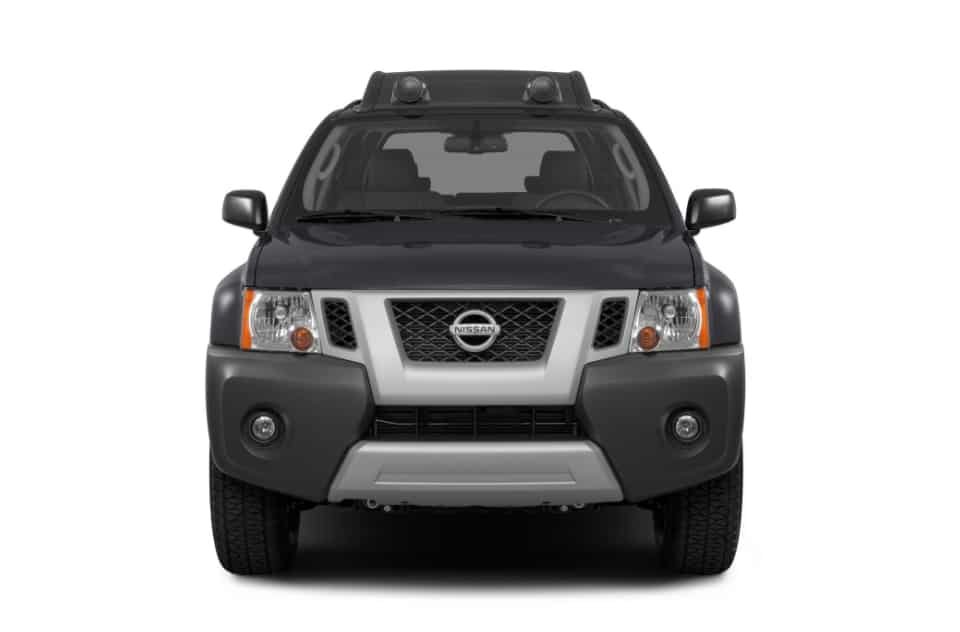
The Nissan Xterra is a body-on-frame SUV with strong off-road capability and durable construction. However, every aging vehicle develops reliability concerns, and the Nissan Xterra has several known issues that owners should understand.
The most common Nissan Xterra problems include transmission failures, radiator problems, timing chain issues, secondary air injection failures, electrical faults, and suspension wear. These problems do not appear on every Xterra. However, buyers should understand their causes, symptoms, and repair costs before purchasing a used model.
Nissan introduced the Xterra as a rugged SUV for drivers who wanted durability and off-road performance. Many owners value its simple mechanical design and strong V6 engine. However, some components require careful inspection as mileage increases.
The severity of Nissan Xterra problems depends on several factors. These factors include model year, maintenance history, driving conditions, and previous repairs. For example, regular cooling system maintenance can reduce the risk of transmission damage in affected models.
This guide explains 15 common Nissan Xterra problems, their causes, warning signs, and estimated repair costs. It also helps buyers identify reliable model years and inspect important systems before purchasing a used Nissan Xterra.
What Are the Most Common Nissan Xterra Problems?
There are 15 common Nissan Xterra problems that affect reliability, including transmission failures, cooling system problems, engine issues, electrical failures, and suspension wear. These problems appear more frequently as the vehicle ages, especially on models with high mileage or poor maintenance records.
The Nissan Xterra uses a durable body-on-frame platform designed for off-road driving and heavy use. However, demanding driving conditions place additional stress on mechanical components. Heat, mileage, towing, and irregular maintenance can accelerate wear in important systems such as the transmission, cooling system, and suspension.
The most serious Nissan Xterra problems involve components that can create expensive repairs if owners ignore early warning signs. Transmission damage caused by radiator failure, timing chain noise, and secondary air injection system failures are among the issues that require immediate attention. Early diagnosis helps reduce repair costs and prevents additional damage.
Which Nissan Xterra Problems Are the Most Expensive to Repair?
The most expensive Nissan Xterra repairs usually involve the transmission system, timing chain components, and major electrical failures. These repairs often cost significantly more because they require extensive labor and replacement of complex components.
Transmission replacement represents one of the highest repair expenses for Nissan Xterra owners. A failed automatic transmission can require thousands of dollars in repairs, especially when internal components suffer severe damage. The risk increases when coolant enters the transmission fluid through a damaged radiator system.
Timing chain repairs also create high ownership costs because technicians must access internal engine components. A worn timing chain tensioner can produce abnormal engine noise and may lead to serious engine damage if the problem continues.
Electrical system repairs vary in cost depending on the failed component. Secondary air injection system failures, sensors, and control modules can create warning lights and affect vehicle performance. Proper diagnosis helps owners avoid replacing unnecessary parts.
Which Nissan Xterra Problems Affect Driving Safety?
The Nissan Xterra problems that directly affect driving safety include brake issues, steering problems, suspension wear, and fuel system failures. These components influence vehicle control, stopping ability, and overall driving stability.
Suspension wear becomes more noticeable on Nissan Xterra models used for off-road driving. Worn shocks, bushings, and ball joints can reduce handling performance and create uneven tire wear. Regular inspections help identify these problems before they affect vehicle control.
Steering and braking problems require immediate attention because they directly influence driver response. Loose steering components or worn brake parts can increase stopping distance and reduce confidence behind the wheel.
Fuel system problems can also create reliability and safety concerns. A failing fuel pump may cause starting problems, engine hesitation, or sudden power loss. Replacing worn components before failure helps maintain consistent vehicle performance.
Does Nissan Xterra Have Transmission Problems?
Yes, Nissan Xterra has transmission problems, and the most serious issue involves transmission fluid contamination caused by radiator failure. This problem mainly affects certain second generation Nissan Xterra models equipped with automatic transmissions. The failure is commonly known as SMOD, which stands for “Strawberry Milkshake of Death” because contaminated transmission fluid can develop a pink, milky appearance.
The Nissan Xterra uses a radiator with an integrated transmission cooler to control automatic transmission temperature. When the internal cooler develops a crack, engine coolant can mix with transmission fluid. This contamination reduces lubrication quality and damages internal transmission components. Drivers may experience delayed shifting, slipping gears, poor acceleration, or complete transmission failure.
The severity of this Nissan Xterra problem depends on how quickly the issue receives attention. A vehicle with early detection may only require cooling system repairs and fluid replacement. However, continued driving with contaminated transmission fluid can destroy the transmission and require a full replacement.
Transmission repair costs vary based on the damage level. Preventive radiator replacement and transmission cooler upgrades usually cost far less than replacing a damaged transmission. Owners should inspect transmission fluid condition, check for abnormal shifting behavior, and review maintenance history before purchasing a used Nissan Xterra.
Although transmission problems represent one of the biggest concerns for Nissan Xterra owners, proper maintenance can significantly reduce the risk. Regular inspections of the cooling system and transmission components help preserve reliability and extend vehicle lifespan.
What Are the Common Nissan Xterra Engine Problems?
The most common Nissan Xterra engine problems involve timing chain tensioner wear, fuel system failures, and performance issues caused by aging components. The Xterra uses Nissan’s VQ series V6 engines, which are generally known for durability, but high mileage and insufficient maintenance can create several mechanical concerns.
One important issue involves the timing chain system. The timing chain controls the synchronization between the engine’s crankshaft and camshaft. When the timing chain tensioner wears out, drivers may hear a rattling or whining noise during startup or acceleration. Ignoring this warning can allow the chain to lose proper alignment and create severe engine damage.
Fuel system problems also affect Nissan Xterra reliability, especially on older vehicles with higher mileage. A failing fuel pump can reduce fuel delivery and cause symptoms such as difficult starting, engine hesitation, or loss of power during acceleration. These problems usually develop gradually, making regular inspection important for identifying early signs.
Engine performance issues can also come from aging sensors, air intake components, and ignition parts. Components such as oxygen sensors, mass airflow sensors, and spark plugs influence fuel efficiency, throttle response, and overall engine operation. Replacing worn parts at the recommended intervals helps maintain consistent performance.
The cost of repairing Nissan Xterra engine problems depends on the failed component. Simple maintenance items such as spark plugs or sensors usually require lower repair costs, while timing chain repairs require more labor because technicians must access internal engine components.
A well-maintained Nissan Xterra engine can achieve high mileage, but owners should monitor unusual noises, performance changes, and warning lights. Early diagnosis prevents minor engine problems from becoming expensive repairs.
What Nissan Xterra Cooling System Problems Should Owners Know?
The most important Nissan Xterra cooling system problem involves radiator failure that can damage the automatic transmission. The cooling system plays a critical role in controlling engine temperature and protecting other mechanical components. When cooling system parts fail, the consequences can extend beyond overheating and create expensive repair situations.
The radiator is one of the most important components to inspect on a Nissan Xterra. Certain models use an internal transmission cooler inside the radiator, which creates a potential failure point. If the internal cooler develops a leak, coolant and transmission fluid can mix together. This contamination can damage transmission components and create the well-known SMOD problem.
Cooling system failures often begin with warning signs that owners should not ignore. Common symptoms include overheating, coolant leaks, low coolant levels, temperature fluctuations, and changes in transmission behavior. A vehicle that regularly operates at high temperatures can experience accelerated wear on engine seals, hoses, and other components.
Regular cooling system maintenance helps prevent major Nissan Xterra problems. Owners should inspect the radiator, replace old coolant, check hoses for cracks, and monitor engine temperature during operation. Preventive maintenance costs significantly less than repairing an overheated engine or damaged transmission.
The repair cost depends on the severity of the failure. A radiator replacement is usually much less expensive than repairing a transmission damaged by coolant contamination. For used Nissan Xterra buyers, checking cooling system condition and maintenance records should be a priority before completing a purchase.
A properly maintained cooling system improves Nissan Xterra reliability and protects the vehicle’s most expensive mechanical components. Regular inspections allow owners to identify problems early and avoid unnecessary repair costs.
What Are the Nissan Xterra Suspension and Steering Problems?
The most common Nissan Xterra suspension and steering problems involve worn shocks, damaged bushings, ball joint wear, and steering component deterioration. These issues become more noticeable as the vehicle accumulates mileage, especially on Nissan Xterra models used for off-road driving, towing, or frequent driving on rough roads.
The Nissan Xterra uses a rugged body-on-frame design that supports demanding driving conditions. However, this design also places additional stress on suspension components because the vehicle often operates in environments that create more impact and vibration. Over time, repeated stress can reduce the performance of suspension parts and affect ride quality.
Worn suspension components create several noticeable symptoms. Drivers may experience excessive bouncing, uneven tire wear, clunking noises over bumps, reduced stability during cornering, or a rougher driving experience. These symptoms indicate that parts such as shocks, control arm bushings, or ball joints may require inspection or replacement.
Steering problems can also affect Nissan Xterra reliability and driving confidence. Worn steering components may create loose steering feel, unusual noises, or reduced control accuracy. Regular inspection of steering linkage, tie rods, and related components helps identify problems before they affect vehicle safety.
Repair costs depend on the damaged component and the extent of wear. Replacing individual suspension parts usually costs less than repairing multiple worn components at the same time. Owners who regularly use their Xterra for off-road activities should inspect suspension systems more frequently because harsh terrain accelerates component wear.
Maintaining suspension and steering components helps preserve the Nissan Xterra’s handling ability and long-term durability. A detailed inspection of these systems is also essential for buyers considering a used Nissan Xterra, especially vehicles with high mileage or a history of off-road use.
What Are the Nissan Xterra Electrical Problems?
The most common Nissan Xterra electrical problems involve secondary air injection system failures, sensor malfunctions, battery issues, and warning light problems. These electrical concerns usually appear as vehicles age because repeated heat exposure, moisture, and component wear affect the reliability of electronic systems.
One significant issue is the secondary air injection system failure found on certain Nissan Xterra models. This system helps reduce emissions by introducing additional air into the exhaust system during engine startup. When the system fails, drivers may notice warning lights, reduced engine performance, or diagnostic trouble codes stored in the vehicle’s computer.
Sensor failures also affect Nissan Xterra performance and reliability. Components such as oxygen sensors, mass airflow sensors, and other engine management sensors provide important information to the engine control module. When these sensors provide incorrect data, the vehicle may experience poor fuel economy, rough idling, hesitation, or reduced acceleration.
Battery and charging system problems can create additional electrical concerns, especially on older Xterra models. A weak battery, failing alternator, or damaged electrical connection can cause starting difficulties, flickering lights, or intermittent electronic failures. Regular battery testing helps identify these issues before they leave the vehicle unable to start.
Repair costs for Nissan Xterra electrical problems vary widely because different components require different diagnostic procedures. Replacing a sensor usually costs less than repairing a failed emissions system or electrical module. Accurate diagnosis remains important because replacing unnecessary electrical parts can increase ownership expenses.
Electrical problems do not represent the largest reliability concern for most Nissan Xterra owners, but they can affect daily usability when ignored. Regular maintenance, proper diagnostics, and early repairs help maintain dependable operation and prevent small electrical issues from developing into larger problems.
Which Nissan Xterra Model Years Have the Most Problems?
The Nissan Xterra model years with the most reported problems are mainly found in certain second generation models that experienced transmission, cooling system, and mechanical issues. Understanding model year differences helps buyers avoid vehicles with expensive repair risks and choose a Nissan Xterra with a stronger reliability record.
The second generation Nissan Xterra was produced from 2005 to 2015 and introduced improvements in design, comfort, and capability. However, some earlier models from this generation received more attention because of known issues such as radiator-related transmission damage, timing chain concerns, and secondary air injection system failures.
Earlier Nissan Xterra models require careful inspection because age plays a major role in vehicle reliability. A vehicle produced in a higher-risk year with poor maintenance history can create more ownership costs than a well-maintained example from the same period. Service records, repair history, and current mechanical condition often matter more than the model year alone.
Some Nissan Xterra years developed better reputations because owners and manufacturers addressed common weaknesses through updated components and preventive repairs. Later production years generally benefit from years of owner experience, improved maintenance practices, and solutions for previously reported problems.
Buyers should not evaluate a Nissan Xterra only by its production year. A complete inspection should include the transmission system, radiator condition, engine performance, electrical components, and suspension system. A well-maintained Xterra from a higher-risk year can still provide reliable service, while a neglected vehicle from a better year can create significant expenses.
Choosing the right Nissan Xterra requires understanding both model year history and individual vehicle condition. This approach helps buyers identify reliable examples and avoid unexpected repair costs after purchase.
How Much Does It Cost to Repair Common Nissan Xterra Problems?
Nissan Xterra repair costs depend on the failed component, problem severity, labor requirements, and vehicle condition. Minor maintenance issues usually require affordable repairs, while major failures involving the transmission, engine, or electrical systems can create significantly higher ownership expenses.
The most expensive Nissan Xterra repair is usually transmission-related, especially when coolant contamination damages internal transmission components. A preventive radiator replacement or transmission cooler upgrade costs much less than rebuilding or replacing a damaged transmission. This difference shows why early inspection and preventive maintenance play an important role in reducing long-term ownership costs.
Engine repairs also vary widely depending on the affected component. Replacing sensors, spark plugs, or other maintenance parts usually requires lower expenses. However, timing chain repairs involve more labor because technicians must access internal engine components. Delaying timing chain problems can increase repair costs if the issue causes additional engine damage.
Suspension and steering repairs usually fall into the moderate cost range. Components such as shocks, bushings, ball joints, and steering parts wear gradually, especially on Xterra models used for towing or off-road driving. Replacing worn parts improves handling and prevents additional damage to related components.
Electrical repairs have a wide cost range because each failure requires different diagnostic procedures. A faulty sensor may require a simple replacement, while a failed control module or emissions-related system can require more extensive repairs.
For buyers considering a used Nissan Xterra, repair history provides valuable information about future ownership costs. A vehicle with documented maintenance and completed repairs usually creates fewer financial risks than a neglected example with unknown service records.
How Can You Prevent Nissan Xterra Problems?
You can prevent many Nissan Xterra problems through regular maintenance, early inspections, and proactive replacement of known failure points. Although the Xterra has several reported reliability concerns, proper care can significantly reduce the risk of expensive repairs and extend the vehicle’s service life.
The cooling system should receive priority because radiator-related failures can create serious transmission damage. Owners should inspect coolant condition, check for leaks, replace aging radiator components, and monitor engine temperature regularly. Preventive cooling system maintenance costs far less than repairing a transmission damaged by coolant contamination.
Transmission maintenance also plays an important role in Nissan Xterra reliability. Regular fluid inspections help identify contamination, overheating, or abnormal wear before major failure occurs. Owners should pay attention to delayed shifting, unusual noises, or changes in driving performance because these symptoms often appear before transmission damage becomes severe.
Engine maintenance helps prevent timing chain and performance problems. Regular oil changes, proper fluid levels, and timely replacement of worn components allow the V6 engine to operate more efficiently. Drivers should investigate unusual rattling sounds, warning lights, or reduced power instead of continuing to drive with unresolved issues.
Suspension inspections become especially important for Nissan Xterra owners who use their vehicles for off-road driving or towing. Checking shocks, bushings, ball joints, and steering components helps maintain handling performance and prevents additional wear on related parts.
A preventive maintenance routine allows Nissan Xterra owners to control repair costs and avoid unexpected breakdowns. Reviewing service records, following maintenance schedules, and addressing small problems early are the most effective ways to improve long-term reliability.
Is Nissan Xterra Still Worth Buying Despite These Problems?
Yes, the Nissan Xterra is still worth buying for many used SUV buyers who understand its common problems and choose a well-maintained vehicle. The Xterra is not a perfect SUV, but its strong body-on-frame construction, capable off-road platform, and durable V6 engine make it attractive for drivers who value toughness over luxury and fuel efficiency.
The biggest factor in Nissan Xterra reliability is maintenance history. A vehicle with documented service records, proper cooling system care, and completed repairs can provide many years of dependable ownership. In contrast, a neglected Xterra with unresolved transmission, engine, or electrical issues can create expensive repair costs shortly after purchase.
Buyers should inspect several important areas before choosing a used Nissan Xterra. The transmission system, radiator condition, timing chain operation, suspension components, and electrical systems require careful evaluation. A professional pre-purchase inspection can identify hidden problems and help buyers avoid vehicles with serious mechanical risks.
The Nissan Xterra is a strong choice for drivers who need an affordable off-road SUV with simple mechanical design and practical capability. It fits owners who enjoy outdoor activities, towing, and rugged driving conditions. However, buyers who prioritize maximum fuel economy, modern technology, or low-maintenance ownership may find newer SUVs more suitable.
Overall, Nissan Xterra problems do not eliminate the vehicle’s value. They highlight the importance of choosing the right model year, checking maintenance records, and understanding potential repair costs. With proper inspection and preventive maintenance, a Nissan Xterra can remain a reliable and capable SUV for long-term ownership.