
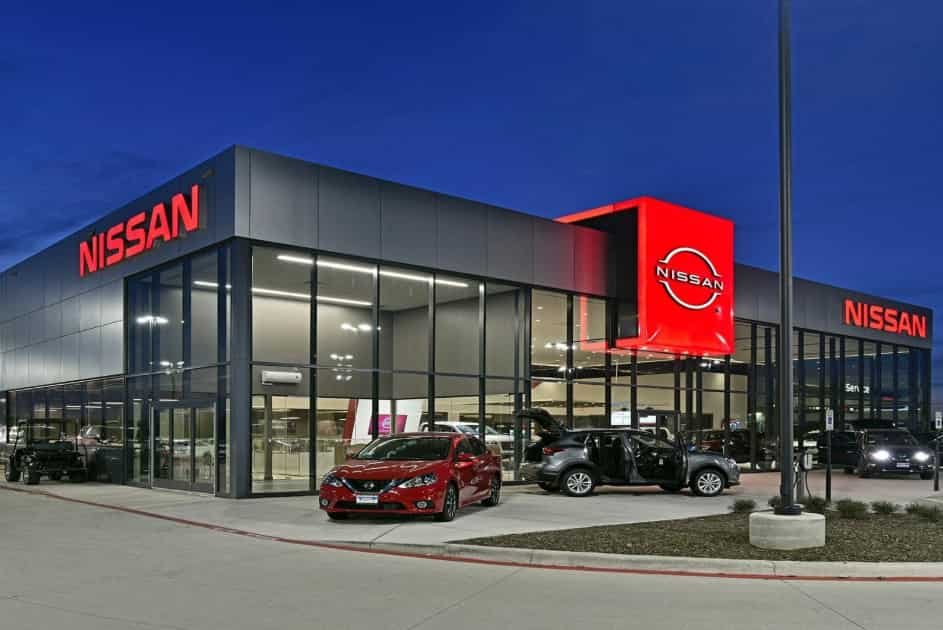
Becoming a Nissan dealer requires more than opening a vehicle showroom and selling cars. A Nissan dealer must meet specific business, financial, operational, and facility requirements to represent the Nissan brand and provide customers with authorized vehicle sales and services.
The process of becoming a Nissan dealer involves several stages, including evaluating your qualifications, preparing investment resources, submitting an application, developing a dealership facility, and building the operational structure needed for long term success. Entrepreneurs who want to enter the automotive dealership industry need to understand how Nissan evaluates potential dealers and what factors influence approval.
The cost of becoming a Nissan dealer depends on multiple elements, including real estate, dealership construction, inventory requirements, staffing, technology systems, and ongoing operational expenses. A successful dealership also requires strong management capabilities, market knowledge, and the ability to deliver consistent customer experiences.
This guide explains how to become a Nissan dealer by covering the main requirements, application process, investment considerations, facility standards, revenue opportunities, and preparation steps needed before starting a Nissan dealership business.
What Are The Requirements To Become A Nissan Dealer?
The requirements to become a Nissan dealer include sufficient financial resources, strong business management experience, and a suitable dealership location. Nissan evaluates potential dealers based on their ability to operate an automotive retail business, maintain brand standards, and provide customers with authorized vehicle sales and services.
Financial capability is one of the most important requirements because opening a Nissan dealership requires significant investment in real estate, facility development, vehicle inventory, employees, technology systems, and daily operations. A qualified dealer must demonstrate the ability to manage both initial startup costs and ongoing working capital to support long term business stability.
Business experience is another important factor in the Nissan dealer selection process. Candidates with experience in automotive retail, franchise management, customer service operations, or large scale business leadership can demonstrate the skills needed to manage sales departments, service operations, inventory systems, and customer relationships effectively.
A suitable location is also essential for dealership approval and long term performance. Nissan considers factors such as local market demand, customer accessibility, population characteristics, competition, and available facility space. A successful Nissan dealership requires enough room for vehicle displays, service operations, parts management, and customer facilities.
Meeting these requirements does not guarantee dealership approval, but it demonstrates the foundation needed to become a Nissan dealer and operate a successful automotive business.
How Does The Nissan Dealer Application Process Work?
The Nissan dealer application process involves evaluating a candidate’s business qualifications, financial readiness, market opportunity, and ability to operate a dealership that meets Nissan standards. The process is designed to identify business owners who can represent the Nissan brand while maintaining strong customer service, sales performance, and operational efficiency.
The first step is usually preparing a dealership proposal that explains the candidate’s business background, financial position, proposed location, and understanding of the automotive retail market. Nissan reviews this information to determine whether the candidate has the resources and experience required to manage an authorized dealership.
After the initial evaluation, Nissan assesses factors such as market demand, geographic coverage, existing dealership presence, and local growth opportunities. A potential dealer must demonstrate that the proposed dealership location can support customer demand and contribute to Nissan’s dealer network.
Approved candidates then move into the development stage, which includes completing dealership agreements, planning facilities, preparing inventory systems, hiring employees, and establishing sales and service operations. Nissan dealers must follow brand guidelines to ensure consistent customer experiences across the dealership network.
The application process requires preparation, patience, and a clear understanding of automotive dealership operations. Candidates who combine financial strength, business expertise, and a well researched market strategy have a stronger foundation for becoming an authorized Nissan dealer.
How Much Does It Cost To Become A Nissan Dealer?
The cost to become a Nissan dealer depends on several investment factors, including real estate, dealership construction, vehicle inventory, equipment, staffing, and ongoing operating expenses. A Nissan dealership requires substantial financial preparation because owners must invest in both the physical infrastructure and the business systems needed to support vehicle sales and customer services.
The largest expenses usually come from developing the dealership facility and maintaining vehicle inventory. A Nissan dealer needs a professional showroom, service areas, customer facilities, and enough inventory capacity to meet local demand. The investment level varies based on dealership size, market conditions, property costs, and the requirements of the specific location.
Working capital is another essential cost factor because dealerships require continuous cash flow after opening. Expenses such as employee salaries, marketing campaigns, facility maintenance, technology platforms, insurance, and daily operations must be managed consistently. Strong financial planning helps dealers maintain stability while building customer relationships and increasing sales volume.
The profitability of a Nissan dealership depends on multiple revenue streams rather than vehicle sales alone. Successful dealers generate income through new vehicle sales, used vehicle operations, financing services, maintenance, repairs, and parts sales. Understanding these revenue sources helps potential owners evaluate whether the investment aligns with their business goals.
Before applying to become a Nissan dealer, candidates should prepare a detailed financial plan that accounts for startup investment, operating expenses, market conditions, and long term growth opportunities.
What Facilities Are Required For A Nissan Dealership?
The facilities required for a Nissan dealership include a vehicle showroom, service department, parts area, customer facilities, and administrative spaces that support daily automotive retail operations. A dealership facility must create an environment where customers can purchase vehicles, receive maintenance services, and interact with the Nissan brand through consistent and professional experiences.
The showroom is a core component of a Nissan dealership because it represents the primary customer interaction point for vehicle sales. It must provide enough space to display Nissan vehicles, present product information, and allow sales representatives to guide customers through the purchasing process. A well designed showroom improves customer experience and supports effective vehicle presentation.
The service department is another essential facility because it creates ongoing revenue opportunities beyond vehicle sales. Service bays, repair equipment, trained technicians, and customer waiting areas allow dealerships to provide maintenance, warranty support, and repair services. Strong service operations also improve customer retention because vehicle owners are more likely to return to a dealership that provides reliable long term support.
A Nissan dealership also requires efficient inventory management and administrative facilities. Vehicle storage areas, parts departments, finance offices, and management spaces help the dealership control operations and deliver faster customer service.
The quality of dealership facilities directly affects business performance. A properly planned Nissan dealership combines sales, service, and customer support areas to create an efficient automotive retail operation that meets both Nissan standards and customer expectations.
How Do Nissan Dealers Make Money?
Nissan dealers make money through multiple revenue streams, including new vehicle sales, used vehicle sales, financing services, maintenance operations, and parts sales. A successful Nissan dealership does not depend only on selling new cars because long term profitability comes from managing several business departments that support customer relationships throughout the vehicle ownership cycle.
New vehicle sales are one of the primary sources of dealership revenue. Nissan dealers earn income by selling vehicles from the Nissan lineup and providing customers with purchasing options based on their needs and budgets. However, vehicle sales margins can vary depending on market conditions, inventory availability, pricing strategies, and customer demand.
Service and parts operations create recurring revenue opportunities for Nissan dealerships. Vehicle owners require regular maintenance, repairs, warranty services, and replacement parts throughout the ownership period. A strong service department helps dealers generate consistent income while improving customer loyalty and increasing the lifetime value of each customer.
Financing and additional vehicle services also contribute to dealership revenue. Many customers use dealership financing options, protection products, and other automotive services when purchasing vehicles. These services allow dealerships to create additional value while improving the overall buying experience.
Successful Nissan dealers focus on operational efficiency, customer retention, and long term relationships rather than relying only on short term vehicle sales. By combining sales, service, and support operations, a Nissan dealership can develop a more stable automotive business model.
What Should You Know Before Starting An Automotive Dealership Business?
Starting an automotive dealership business requires an understanding of franchise operations, market conditions, financial management, and customer expectations. A Nissan dealership is not only a vehicle sales business but also a complete automotive retail operation that depends on efficient management across sales, service, inventory, and customer relationships.
One of the most important factors to understand is that dealership ownership requires long term commitment. Owners must manage changing vehicle demand, employee performance, operating expenses, customer satisfaction, and competition from other automotive retailers. A successful dealer develops systems that maintain consistent performance across every department.
Market research is another important part of dealership planning. Before investing in a Nissan dealership, potential owners need to evaluate local customer demand, population trends, competing dealerships, and future market opportunities. A dealership located in a suitable market has better potential to attract customers and generate sustainable revenue.
Automotive dealership businesses also require strong operational management. Owners need qualified sales teams, trained service technicians, effective inventory management, and reliable customer relationship systems. These operational elements directly influence customer loyalty and dealership profitability.
Understanding these responsibilities helps potential Nissan dealers prepare realistic expectations before entering the automotive industry. A successful dealership depends on combining financial preparation, business knowledge, operational discipline, and a commitment to delivering quality customer experiences.
Is Becoming A Nissan Dealer A Good Business Opportunity?
Becoming a Nissan dealer can be a strong business opportunity for entrepreneurs who have the financial resources, management experience, and ability to operate a complex automotive retail business. A Nissan dealership provides access to an established automotive brand, a recognized vehicle lineup, and multiple revenue opportunities through sales, service, and customer support operations.
The main advantage of owning a Nissan dealership is the opportunity to build a long term automotive business around an established brand identity. Nissan dealers benefit from brand recognition, manufacturer support, vehicle programs, and a structured dealership network. These advantages can help reduce some challenges that independent automotive businesses face when building customer trust.
However, dealership ownership also requires significant investment and operational responsibility. Owners must manage facility costs, inventory requirements, employee performance, market competition, and changing consumer demand. The automotive industry is highly competitive, and dealership success depends on effective management rather than brand recognition alone.
A profitable Nissan dealership requires continuous improvement in customer service, sales performance, service operations, and financial management. Dealers who understand their local market and create efficient business systems have stronger opportunities to achieve sustainable growth.
For entrepreneurs considering this opportunity, becoming a Nissan dealer should be viewed as a long term business commitment rather than a simple vehicle sales venture. Proper preparation, realistic financial planning, and strong operational leadership are essential factors for building a successful Nissan dealership.
What Should You Consider Before Becoming A Nissan Dealer?
Before becoming a Nissan dealer, entrepreneurs should evaluate their financial readiness, business capabilities, market conditions, and long term commitment to dealership ownership. A Nissan dealership requires significant resources and operational responsibility, so understanding these factors helps candidates make informed decisions before starting the application process.
Financial preparation is one of the first considerations because dealership ownership involves substantial investment beyond the initial setup. Potential owners need to evaluate their available capital, financing options, expected operating expenses, and ability to maintain stable cash flow during the early stages of business development.
Market analysis is another important consideration because dealership performance depends heavily on local demand and competition. Entrepreneurs should study customer demographics, vehicle purchasing patterns, existing Nissan dealers, and regional growth opportunities to determine whether a specific market can support a successful dealership.
Management capability also plays a major role in dealership success. Owners must be prepared to manage multiple departments, including vehicle sales, service operations, parts management, employee development, and customer relationships. Strong leadership skills help create efficient processes and maintain consistent service quality.
Becoming a Nissan dealer is a long term business decision that requires careful planning and realistic expectations. Entrepreneurs who evaluate investment requirements, market opportunities, and operational responsibilities before applying have a stronger foundation for building a sustainable automotive dealership business.
How Can You Prepare For A Successful Nissan Dealership Business?
Preparing for a successful Nissan dealership business requires strategic planning, financial preparation, market research, and strong operational management. A dealership owner must create a foundation that supports vehicle sales, service operations, customer relationships, and long term business growth.
The first step is developing a detailed business plan that covers investment requirements, dealership goals, market analysis, staffing needs, and operational strategies. A clear business plan helps potential Nissan dealers understand their financial commitments and identify the resources needed before entering the automotive retail industry.
Financial preparation is equally important because dealerships require continuous investment after launch. Owners should prepare sufficient working capital to manage inventory, employee expenses, facility maintenance, marketing activities, and unexpected operational costs. Strong financial management allows the dealership to remain stable while building customer demand.
Building the right team is another essential factor for dealership success. A Nissan dealership depends on skilled sales professionals, service technicians, parts specialists, and managers who can deliver efficient operations and positive customer experiences. Employee training and performance management directly influence customer satisfaction and business results.
Successful Nissan dealers also focus on creating long term customer relationships. Consistent service quality, transparent communication, and reliable vehicle support encourage repeat business and customer loyalty. By combining financial discipline, effective management, and customer focused operations, entrepreneurs can create a stronger foundation for a successful Nissan dealership business.
Conclusion
Becoming a Nissan dealer requires careful preparation, financial investment, and a strong understanding of automotive dealership operations. The process involves meeting Nissan dealer requirements, demonstrating business capability, preparing the necessary resources, and developing a dealership structure that supports sales and customer service.
A successful Nissan dealership depends on more than vehicle sales. Long term growth comes from managing multiple revenue areas, including new and used vehicle sales, service operations, parts sales, and customer relationships. Entrepreneurs who understand these business functions can create a more stable and sustainable dealership model.
Before applying to become a Nissan dealer, potential owners should evaluate their financial capacity, local market conditions, management experience, and commitment to operating an automotive retail business. A detailed business plan, appropriate facility strategy, and qualified team can improve the foundation for dealership success.
Nissan dealership ownership represents a significant business opportunity for entrepreneurs who are prepared to meet the responsibilities of representing an established automotive brand. By combining strategic planning, operational discipline, and customer focused service, a Nissan dealer can build a competitive automotive business with long term growth potential.