
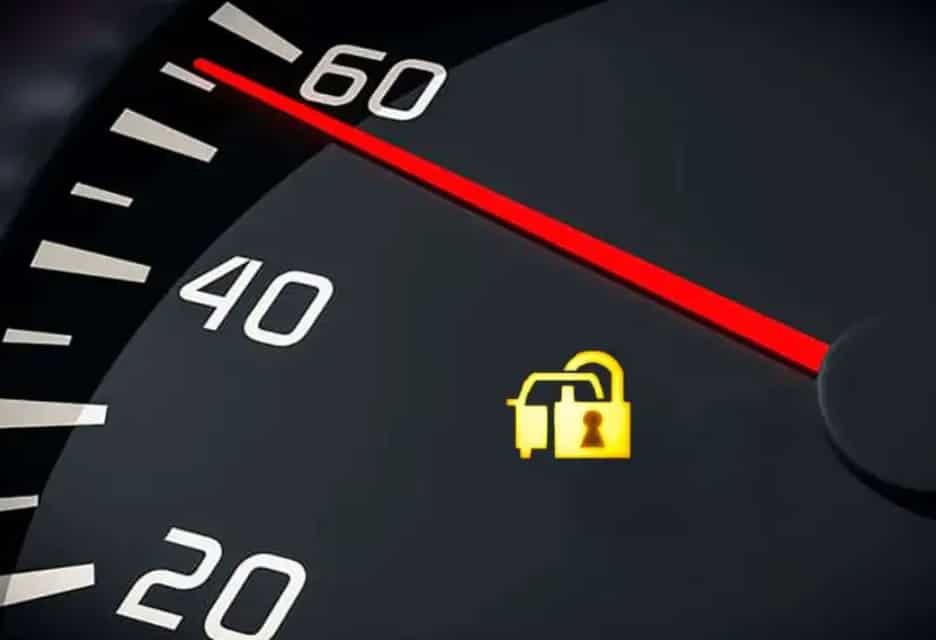
Nissan immobilizer problems happen when the security system cannot recognize the vehicle key or communicate with the starting system. The immobilizer protects the vehicle by checking the transponder key before the engine starts.
Common problems include a flashing security light, a key not detected message, and an engine that does not start. Some Nissan vehicles may crank but fail to run because the immobilizer blocks engine authorization.
Several issues can cause Nissan immobilizer problems. The most common causes include a weak key battery, a damaged transponder chip, a low vehicle battery, incorrect key programming, or communication problems between control modules.
Finding the correct cause is the first step to fixing the problem. A Nissan key issue requires a different solution than a BCM or ECM communication failure.
This guide explains the symptoms, causes, diagnosis process, reset options, and repair solutions for Nissan immobilizer problems. Understanding how the Nissan Immobilizer System works helps vehicle owners choose the right repair method and avoid unnecessary part replacements.
What Is a Nissan Immobilizer System and How Does It Work?
A Nissan Immobilizer System is an electronic security system that prevents unauthorized engine operation. It verifies the vehicle key before it allows the engine control system to start the vehicle. The system does not rely on a traditional mechanical key alone. It uses electronic communication between the key, immobilizer components, and vehicle control modules.
The main purpose of the immobilizer system is to confirm that the driver uses an authorized key. A Nissan transponder key contains a small electronic chip that stores a unique identification code. When the driver starts the vehicle, the immobilizer reads this code and compares it with the stored information inside the vehicle.
The authentication process involves several components, including the transponder key, immobilizer control unit, Body Control Module (BCM), and Engine Control Module (ECM). The key sends its identification signal to the vehicle. The BCM processes the signal and communicates with the ECM to confirm whether the key has permission to start the engine.
If the system recognizes the key, the ECM receives authorization and allows normal engine operation. If the system cannot verify the key, the immobilizer blocks the starting process. This protection helps prevent vehicle theft because an unauthorized key cannot activate the engine.
Nissan Intelligent Key systems use similar security principles but add additional functions, such as keyless entry and push button starting. Problems with the key battery, transponder chip, electrical connection, or module communication can interrupt this authentication process.
For example, a Nissan Rogue with a damaged transponder key may still unlock the doors but fail to start because the immobilizer cannot confirm the key identity. Understanding this process helps vehicle owners identify why Nissan immobilizer problems occur and choose the correct repair solution.
What Are the Symptoms of Nissan Immobilizer Problems?
Nissan immobilizer problems create specific warning signs that show the security system cannot complete key authentication. The symptoms usually appear when the vehicle cannot confirm the relationship between the key, immobilizer system, and engine control module.
The most common symptom is a Nissan vehicle that does not start even when the driver uses the correct key. The engine may crank normally, but the immobilizer prevents fuel injection or engine operation because the system does not approve the key signal.
Another common symptom is a flashing Nissan security light. A security indicator that flashes during normal locking behavior is expected. However, continuous flashing while starting the vehicle often indicates a communication or recognition problem between the key and immobilizer system.
Why Is My Nissan Immobilizer Light Flashing?
A flashing immobilizer light usually means the vehicle security system is active or detecting a key authentication issue. Nissan vehicles use the security indicator to show the status of the anti-theft system.
The light may flash when the vehicle is locked because the immobilizer remains active. This behavior does not indicate a fault. The problem appears when the light continues flashing while the driver tries to start the engine.
A faulty key battery, damaged transponder chip, or failed communication between the BCM and ECM can trigger this condition. For example, a Nissan Sentra may show a flashing security light after the key fob battery becomes weak because the vehicle cannot receive a stable authentication signal.
Why Does My Nissan Not Start Even With the Correct Key?
A Nissan may fail to start with the correct key when the immobilizer system cannot verify the key information. The vehicle recognizes that a key is present, but it cannot confirm that the key belongs to the vehicle.
This problem can happen because of several issues, including a damaged transponder chip, incorrect key programming, or an electrical communication failure. Testing a spare programmed key can help determine whether the problem comes from the key itself or another vehicle component.
For example, if a spare key starts the vehicle normally, the original key likely has a problem. If both keys fail, the issue may involve the immobilizer module, BCM, ECM, or vehicle electrical system.
Why Does My Nissan Say Key Not Detected?
The “Key Not Detected” message appears when the Nissan Intelligent Key system cannot communicate with the vehicle. The system depends on a working key fob, internal battery, and electronic signal exchange.
A weak key fob battery is one of the most common reasons for this message. Other causes include a damaged key fob, signal interference, or a communication problem inside the vehicle.
For example, a Nissan Altima may display “Key Not Detected” even though the key fob looks normal. Replacing the key battery and testing the key signal can identify whether the issue comes from the key or the immobilizer system.
What Causes Nissan Immobilizer Problems?
Nissan immobilizer problems usually happen because the system cannot complete the communication process between the key and the vehicle control modules. The immobilizer depends on several electronic components working together. A failure in any part of this system can prevent the vehicle from starting.
There are five common causes of Nissan immobilizer problems. These include a weak key battery, a damaged transponder key, a low vehicle battery, incorrect key programming, and communication failures between control modules.
Can a Weak Nissan Key Battery Cause Immobilizer Problems?
A weak Nissan key battery can cause immobilizer problems when the vehicle cannot receive a strong signal from the Intelligent Key system. The key fob battery provides power for communication functions, including key detection and remote operations.
A low key battery does not always prevent door locking or unlocking. However, it can reduce communication reliability between the key and the vehicle. This difference explains why some Nissan owners can open their vehicle but cannot start the engine.
Replacing the key battery is often the first diagnostic step because it is simple and inexpensive. For example, a Nissan Pathfinder may show a “Key Not Detected” message because of a weak key fob battery rather than a failure in the immobilizer module.
Can a Damaged Transponder Key Prevent a Nissan From Starting?
A damaged transponder key can prevent a Nissan from starting because the immobilizer cannot verify the key identity. The transponder chip inside the key stores a unique code that the vehicle uses for authentication.
Physical damage, water exposure, or internal electronic failure can affect the chip’s ability to send the correct signal. The key may still operate the remote functions while failing the engine authorization process.
A replacement key requires proper programming before the immobilizer recognizes it. Installing a new mechanical key without registering the transponder information will not solve the starting problem.
Can a Low Vehicle Battery Trigger Nissan Immobilizer Issues?
A low vehicle battery can trigger Nissan immobilizer issues because electronic control modules require stable voltage to communicate correctly. The BCM, ECM, and immobilizer system depend on reliable electrical power during the starting process.
When battery voltage drops, the vehicle may experience communication errors, warning lights, or failure to recognize the key. These problems often appear after the vehicle has remained unused for a long period or after the battery becomes weak.
For example, a Nissan Altima with an aging battery may display security system warnings because the immobilizer modules cannot complete the authentication process during startup.
Can BCM or ECM Communication Problems Cause Immobilizer Failure?
BCM or ECM communication problems can cause immobilizer failure because these modules control different stages of key verification. The BCM manages many body-related electronic functions, while the ECM controls engine authorization.
A communication failure between these modules can make the vehicle reject a valid key. Common causes include damaged wiring, module faults, software issues, or previous repairs that affected system synchronization.
Proper diagnosis is necessary before replacing electronic modules. A diagnostic scanner can identify communication errors and determine whether the problem comes from the key, wiring, BCM, ECM, or another immobilizer component.
How Do You Diagnose Nissan Immobilizer Problems?
Diagnosing Nissan immobilizer problems requires checking the key, vehicle battery, and communication between electronic control modules. The goal is to identify the failed component before replacing any parts.
Start by checking the Nissan key condition. Inspect the key fob for physical damage and replace the battery if it has low power. Testing a spare programmed key can also show whether the problem comes from the key or the vehicle.
Next, check the vehicle battery and electrical system. The Nissan Immobilizer System needs stable voltage to communicate with the Body Control Module (BCM) and Engine Control Module (ECM). Low battery voltage can create security warnings, key detection failures, and starting problems.
A diagnostic scanner provides more detailed information. An OBD-II scanner can check communication errors, key registration issues, and faults stored in the BCM or ECM. These results help technicians locate the source of the immobilizer problem.
A Nissan key works correctly when the immobilizer receives the correct signal from the transponder chip. If a spare key starts the vehicle, the original key likely has a problem. If every programmed key fails, the issue may involve the immobilizer system, wiring, or control modules.
Professional diagnosis becomes necessary when basic checks cannot identify the cause. Specialized equipment may be required for module testing and key programming. Accurate diagnosis prevents unnecessary repairs and helps restore normal vehicle operation.
How Do You Fix Nissan Immobilizer Problems?
Fixing Nissan immobilizer problems starts with finding the failed component. The repair method depends on whether the issue comes from the key, battery, wiring, or vehicle control modules.
A Nissan key problem is one of the most common causes of immobilizer failure. The key contains a transponder chip that sends a unique identification signal to the vehicle. If the chip becomes damaged or the key loses communication ability, the immobilizer cannot approve engine starting.
Replacing the key battery can solve problems caused by weak key fob communication. However, a damaged transponder chip requires a replacement key and proper programming. The Nissan Immobilizer System will not recognize a new key unless the vehicle registers its identification information.
Electrical problems require a different repair approach. A weak vehicle battery, damaged wiring, or communication errors between the Body Control Module (BCM) and Engine Control Module (ECM) can interrupt the authentication process.
Technicians usually check battery voltage, wiring connections, and diagnostic codes before replacing electronic modules. This process prevents unnecessary repairs because BCM or ECM replacement often requires additional programming.
For example, a Nissan Altima may fail to start because of a weak key signal rather than a damaged immobilizer module. Testing the key and electrical system first helps identify the correct repair and restores normal vehicle operation efficiently.
Can Nissan Immobilizer Problems Be Reset Without Replacing Parts?
Nissan immobilizer problems can sometimes be resolved without replacing parts, depending on the cause of the failure. A reset works when the issue comes from temporary communication problems, battery changes, or lost synchronization between the key and vehicle system.
The Nissan Immobilizer System requires correct communication between the transponder key, Body Control Module (BCM), and Engine Control Module (ECM). When this communication becomes interrupted, the vehicle may reject a valid key even when no major component has failed.
A common situation occurs after replacing a key fob battery or disconnecting the vehicle battery. In these cases, the system may require key synchronization or relearning procedures to restore normal communication. Proper diagnostic checks help determine whether a reset can solve the issue.
However, a reset will not fix every immobilizer problem. A damaged transponder chip, faulty control module, broken wiring, or incorrect key programming requires a specific repair. Repeating reset procedures without identifying the cause may delay the correct solution.
For example, a Nissan Rogue may display a security warning after a battery replacement because the system loses communication with the key. Reprogramming the key or completing the correct relearn process may restore operation.
Professional diagnostic equipment may become necessary when the immobilizer system requires key registration or module programming. Identifying the source of the failure ensures that the repair focuses on the actual problem instead of replacing unnecessary components.
How Much Does Nissan Immobilizer Repair Cost?
Nissan immobilizer repair costs depend on the cause of the problem and the component that requires repair. A simple key battery replacement usually costs less than key programming, module diagnosis, or electronic component repair.
The main cost factors include diagnostic fees, Nissan key replacement, key programming, vehicle battery replacement, and control module repair. Each repair requires different tools and procedures because the immobilizer system connects several electronic components.
A Nissan key battery replacement is usually the simplest solution when the vehicle cannot detect the key because of low power. However, a damaged transponder key requires a replacement key and programming to match the vehicle immobilizer system.
Key programming costs more because the technician needs specialized equipment to register the new key with the Body Control Module (BCM) and Engine Control Module (ECM). The exact cost depends on the Nissan model, key type, and programming requirements.
Module-related repairs usually require more diagnosis because the problem may involve communication between the immobilizer system, BCM, and ECM. Replacing these components without confirming the failure can increase repair costs.
For example, a Nissan Sentra with a weak key battery may only need a simple battery replacement. A Nissan Rogue with a failed control module may require advanced testing and programming.
Accurate diagnosis helps control repair costs because it identifies the exact cause before replacing parts. Testing the key, battery, and communication system first prevents unnecessary expenses and ensures the correct repair solution.
What Is the Best Way to Fix Nissan Immobilizer Problems?
The best way to fix Nissan immobilizer problems is to identify the exact cause before replacing any components. Most failures happen because the system cannot verify the key, maintain stable electrical communication, or complete the authentication process between control modules.
Common causes include weak key batteries, damaged transponder keys, low vehicle battery voltage, incorrect key programming, and communication problems between the Body Control Module (BCM) and Engine Control Module (ECM). Each cause requires a different repair approach.
Testing the key, checking battery voltage, and scanning the vehicle system are the first steps in an effective diagnosis process. These checks help determine whether the problem comes from the key, electrical system, or immobilizer components.
Replacing parts without proper diagnosis can increase repair costs and may not solve the starting issue. Professional key programming or module diagnosis becomes necessary when the vehicle requires advanced electronic procedures.
A Nissan Immobilizer System protects the vehicle by controlling engine authorization through electronic verification. Maintaining the key, vehicle battery, and electrical system can reduce the risk of future immobilizer problems.
For Nissan owners, the most reliable solution is a structured diagnosis followed by the correct repair. Understanding how the immobilizer system works helps drivers choose effective solutions and avoid unnecessary replacements.