
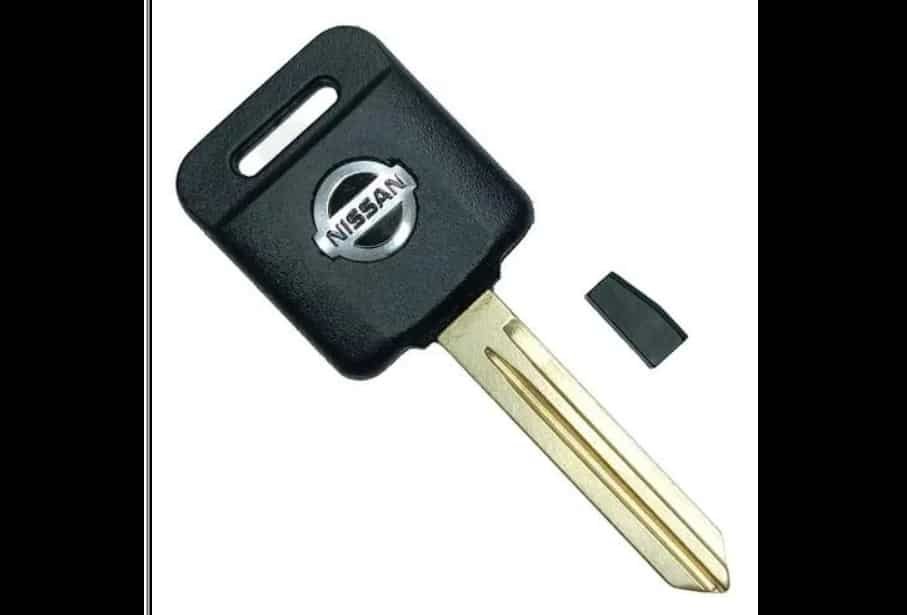
Nissan transponder key issues occur when a vehicle cannot recognize the chip inside the key. The transponder system uses an electronic chip to communicate with the Nissan immobilizer system. The vehicle starts only when the system confirms the correct key signal.
Many Nissan owners experience problems such as engine failure, flashing security lights, or an unresponsive key fob. These issues usually come from a damaged transponder chip, weak battery, incorrect programming, or communication errors between vehicle modules.
Fixing a Nissan transponder key problem requires accurate diagnosis. Replacing the key does not always solve the issue. Some problems come from the key itself, while others come from the immobilizer, ECU, or BCM system.
This guide explains the main causes of Nissan transponder key issues and their solutions. It covers key recognition problems, programming options, replacement methods, and situations that require help from an automotive locksmith or Nissan service center.
Understanding the Nissan transponder key system helps owners choose the right repair method. It also prevents unnecessary costs from replacing working components.
What Causes Nissan Transponder Key Issues?
Nissan transponder key issues usually come from 5 main causes: a damaged transponder chip, a weak key fob battery, incorrect key programming, immobilizer communication problems, and electrical faults inside the vehicle. Each cause affects the communication between the Nissan key system and the vehicle security system.
The transponder chip inside a Nissan key sends a unique identification signal to the immobilizer system. When the vehicle receives the correct signal, the Engine Control Unit allows the engine to start. If the signal fails, the immobilizer blocks ignition operation to protect the vehicle from unauthorized access.
A damaged transponder chip is one of the most common causes of key recognition failure. Physical impact, water damage, or internal electronic failure can stop the chip from sending the correct signal. For example, a Nissan key that has been dropped several times may still unlock the doors but fail to start the engine because the transponder function no longer works.
A weak key fob battery can also create Nissan key problems. The battery does not usually power the transponder chip in traditional Nissan keys, but it affects smart key functions and communication between the key fob and vehicle system. Drivers may notice delayed responses, inconsistent unlocking, or a key that works only at a very short distance.
Incorrect key programming creates another common issue after key replacement. Nissan vehicles require the transponder chip to match the vehicle immobilizer memory. A replacement key with the wrong programming cannot complete the authentication process, even if the physical key fits the ignition.
Immobilizer communication errors happen when the key, BCM, ECU, or security module cannot exchange information correctly. These problems often require diagnostic equipment because the failure may not come from the key itself. A professional scan tool can identify stored fault codes and determine whether the problem involves the key or the vehicle electronics.
How Can You Diagnose Nissan Transponder Key Problems?
Diagnosing Nissan transponder key problems requires checking the key, vehicle security system, and communication between electronic components. A correct diagnosis identifies the actual failure point before any replacement or repair begins.
The first step is checking the key condition. Inspect the key for physical damage, broken buttons, water exposure, or signs of wear. A damaged key housing may protect the vehicle door functions but fail to protect the internal transponder chip. Testing a spare Nissan key can also help determine whether the problem comes from the original key.
The second step is checking the key fob battery and signal response. A weak battery can affect Nissan Intelligent Key functions, including remote locking, unlocking, and push button start operations. Replacing the battery can solve simple communication problems when the transponder system remains functional.
The third step is checking the immobilizer warning signs. Nissan vehicles often show specific symptoms when the security system detects an invalid key signal. Common indicators include a flashing security light, an engine that cranks but does not start, or a push button ignition that does not recognize the key.
Professional diagnosis often requires an automotive scan tool. The scanner reads communication errors from important components such as the Body Control Module, Engine Control Unit, and immobilizer system. These components work together to verify the transponder key signal before allowing engine operation.
A diagnostic process prevents unnecessary key replacement. For example, replacing a Nissan transponder key will not fix a damaged BCM or ECU communication problem. Identifying the correct source of failure saves time and reduces repair costs.
How Can You Fix Nissan Transponder Key Issues?
Fixing Nissan transponder key issues depends on the cause of the failure. The correct solution may involve simple maintenance, key programming, component repair, or professional service. The repair method should match the specific problem identified during diagnosis.
Replacing the key battery can solve some Nissan Intelligent Key problems. A new battery restores remote functions when the key fob has weak signal performance. However, a battery replacement does not repair a damaged transponder chip or an incorrect key programming issue.
Reprogramming the Nissan transponder key can restore communication between the key and the immobilizer system. Nissan vehicles store authorized key information inside the vehicle security module. A replacement key must match this stored information before the vehicle accepts the new signal.
Key programming usually requires specialized diagnostic equipment. Automotive locksmiths and Nissan service centers use compatible programming tools to register new keys with the vehicle. The exact process depends on the Nissan model, production year, and security system version.
Replacing a damaged transponder key becomes necessary when the internal chip stops working. A new key contains a compatible transponder chip that can communicate with the immobilizer after successful programming. For example, a Nissan owner with a physically damaged key may need both a replacement key and programming service.
Professional assistance becomes important when the problem involves the immobilizer, ECU, or BCM. These systems control communication between the vehicle and the key. Incorrect repairs can create additional electronic problems or prevent the vehicle from recognizing any key.
The safest approach is to identify the failed component before purchasing a replacement. A proper diagnosis reduces unnecessary expenses and helps restore the Nissan transponder key system efficiently.
Can You Bypass a Nissan Transponder Key Without Programming?
A Nissan transponder key cannot normally start the vehicle without proper authentication from the immobilizer system. The transponder system exists to prevent unauthorized engine operation by verifying that the vehicle receives a valid key signal.
Many Nissan owners search for ways to bypass transponder key problems when they lose a key or experience recognition failure. However, the practical solution is usually restoring communication between the key and the vehicle rather than removing the security function. The immobilizer system protects important vehicle components by blocking ignition when it detects an invalid signal.
Some older Nissan models use simpler key systems, while newer models rely on advanced Intelligent Key technology with multiple electronic modules. The complexity of the system depends on the vehicle year, model, and security configuration. For example, a Nissan Altima from an older generation may use different key technology compared with a newer Nissan Rogue equipped with push button ignition.
When a Nissan vehicle does not recognize a transponder key, owners should check legitimate solutions first. These solutions include programming a replacement key, repairing the existing key, replacing damaged components, or contacting an automotive locksmith with Nissan-compatible equipment.
Attempting to disable the immobilizer system can create additional electrical problems and reduce vehicle security. A properly programmed Nissan transponder key provides both reliable vehicle access and protection against unauthorized starting.
The correct approach is to diagnose the key recognition problem and restore the connection between the Nissan transponder key and the vehicle security system.
When Should You Replace a Nissan Transponder Key?
You should replace a Nissan transponder key when the key cannot communicate with the vehicle immobilizer system after proper diagnosis. Replacement becomes necessary when the internal chip, key structure, or electronic components no longer function correctly.
A damaged transponder chip is one of the main reasons for key replacement. The chip contains programmed identification information that allows the Nissan vehicle to verify the key. Physical damage, moisture exposure, or electronic failure can prevent the chip from sending the correct signal.
A lost Nissan key also requires replacement to maintain vehicle security. When a key disappears, creating a new programmed key allows the owner to restore access while preventing the missing key from being used. Professional programming connects the replacement key with the vehicle security system.
A replacement key may also become necessary when the key casing or internal components experience severe damage. For example, a cracked key housing can expose electronic parts to moisture and impact, which increases the risk of communication failure.
The replacement process includes selecting a compatible Nissan key, cutting the mechanical blade if required, and programming the transponder chip. The exact procedure depends on the Nissan model, manufacturing year, and key system type.
Owners should avoid replacing keys without confirming the cause of the problem. A Nissan vehicle may fail to start because of immobilizer issues, ECU communication faults, or BCM problems rather than a defective key. Proper diagnosis ensures that the replacement solves the actual issue.
How Much Does It Cost to Fix a Nissan Transponder Key Issue?
The cost to fix a Nissan transponder key issue depends on the failed component, vehicle model, and required service. A simple battery replacement usually costs less than key replacement or immobilizer system repair because it only involves a small electronic component.
Replacing a Nissan transponder key usually costs more because the service includes the physical key, transponder chip, cutting, and programming. The final price changes based on the Nissan model and the type of key system installed. A traditional transponder key generally costs less than a Nissan Intelligent Key with push button start features.
Key programming fees also affect the total repair cost. Nissan vehicles require specific programming procedures to connect the new key with the immobilizer system. Automotive locksmiths often provide key programming services, while Nissan dealerships may charge additional labor fees for official diagnostic and programming work.
Immobilizer or electronic module repairs usually cost more than key replacement. Problems involving the Body Control Module, Engine Control Unit, or security system require advanced diagnosis and specialized repair. These components control communication between the vehicle and the Nissan transponder key.
The most cost effective approach is completing diagnosis before purchasing parts. For example, replacing a key will not solve a faulty immobilizer module, while repairing an electronic issue will not help when the transponder chip has failed.
Understanding the repair cost factors helps Nissan owners choose the right service option. A professional diagnosis provides a clear solution and prevents unnecessary replacement expenses.
How Can You Prevent Nissan Transponder Key Problems?
Preventing Nissan transponder key problems requires regular key maintenance and proper handling of the vehicle security system. Good maintenance reduces the risk of communication failures between the key, immobilizer system, and vehicle control modules.
Protecting the physical condition of the key is one of the most effective prevention methods. Avoid dropping the key, exposing it to water, or placing heavy objects on it. The transponder chip inside the key uses electronic components that can fail after repeated physical damage.
Replacing the key fob battery before it becomes completely weak also helps maintain reliable operation. A low battery can reduce remote key performance and create inconsistent communication between the key fob and Nissan vehicle systems. Many Nissan owners replace the battery when they notice slower button response or reduced operating distance.
Keeping a spare Nissan transponder key provides an additional safety option. A programmed spare key allows owners to test whether a starting problem comes from the original key or another vehicle component. It also prevents emergency situations when the primary key becomes damaged or lost.
Regular vehicle maintenance can also protect the Nissan immobilizer system. Problems with electrical connections, vehicle modules, or battery voltage can affect communication between electronic components. Maintaining a healthy vehicle battery helps prevent unstable power supply issues that may affect key recognition.
Avoiding unauthorized modifications to the vehicle security system is another important prevention step. The Nissan transponder key system works with multiple electronic components, and incorrect changes can create communication failures. Professional service ensures that repairs and programming follow the correct vehicle specifications.
What Is the Best Solution for Nissan Transponder Key Issues?
The best solution for Nissan transponder key issues depends on the actual cause of the failure. A damaged key requires replacement, while a programming problem requires key synchronization with the Nissan immobilizer system. Accurate diagnosis helps identify the correct repair method.
Nissan transponder keys work through communication between the transponder chip, immobilizer system, BCM, and ECU. When this communication fails, the vehicle may reject the key and prevent normal engine operation. Understanding this process helps owners avoid unnecessary repairs.
Most Nissan key problems come from common issues such as damaged chips, weak batteries, incorrect programming, or electronic communication failures. Checking these areas first creates a more efficient repair process and reduces replacement costs.
Professional assistance provides the most reliable solution for complex problems. Automotive locksmiths and Nissan service centers have the tools required to diagnose key recognition failures, program replacement keys, and repair related security system components.
A properly functioning Nissan transponder key provides both convenience and vehicle protection. Instead of attempting unsafe methods to remove the security system, restoring the connection between the key and immobilizer ensures reliable performance while maintaining the vehicle’s original protection features.