Buying a used Nissan 350Z often feels like the perfect way to own a true Japanese sports car without paying a premium price. With its aggressive styling, rear wheel drive layout, and naturally aspirated V6 engine, the 350Z has earned a loyal fan base over the years. However, not every model year delivers the same ownership experience. Some versions of the Nissan 350Z come with mechanical weaknesses that can quickly turn an affordable purchase into an expensive mistake.
Many used car buyers focus only on mileage or price and overlook the importance of model year reliability. This is especially risky with performance cars like the Nissan 350Z, where hard driving, poor maintenance, and known factory issues often overlap. Problems such as excessive oil consumption, premature engine wear, transmission failures, and costly repairs are far more common in certain years than others. These issues do not always appear during a short test drive, but they often surface after a few months of ownership.
This guide highlights the top 5 Nissan 350Z years to avoid before buying a used model. The rankings are based on long term reliability patterns, common owner complaints, repair frequency, and real world maintenance costs. By understanding which years carry the highest risk, you can make a smarter decision and avoid the hidden pitfalls that many first time 350Z buyers regret.
2003 Nissan 350Z
The 2003 Nissan 350Z appears on this list because it was the first production year. First year models often reveal early design and manufacturing flaws. The 2003 version followed the same pattern. While it introduced the styling and performance that defined the 350Z, it also brought several reliability concerns.
Excessive oil consumption stands out as the most common complaint. Many owners report frequent oil top offs, even on vehicles with moderate mileage. This problem increases the risk of internal engine wear when owners miss oil level checks. The VQ35DE engine delivers strong power, but this early version lacks long term refinement.
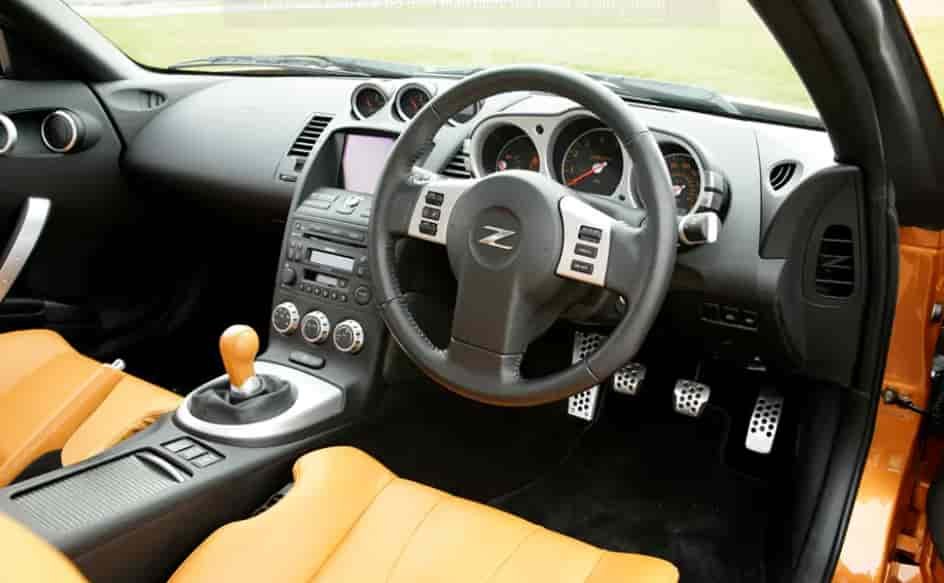
Manual transmission models create another concern. Weak synchros make shifting difficult, especially during spirited driving. Clutch components also tend to wear faster than expected. These issues reduce the driving enjoyment that buyers expect from a sports car. Interior quality also disappoints many owners. Cheap materials wear quickly and create rattles over time.
Many buyers choose the 2003 Nissan 350Z because of its low purchase price. However, that lower cost often hides higher ownership expenses. Frequent maintenance, transmission repairs, and oil related issues can erase any upfront savings. Buyers who prioritize reliability should approach this model year with caution and focus on better refined versions.
2004 Nissan 350Z
The 2004 Nissan 350Z improved slightly over the first year, but it failed to resolve several core problems. Nissan addressed a few early build issues, yet many reliability concerns carried over. For used car buyers, this makes the 2004 model a risky choice when compared to later versions.
Oil consumption remains the most serious issue. Many owners still report frequent oil loss between service intervals. This forces drivers to monitor oil levels closely at all times. When owners overlook this problem, engine damage can follow. The VQ35DE engine continues to offer strong performance, but its long term durability remains questionable in this model year.
Transmission and clutch problems also affect the 2004 Nissan 350Z. Manual versions suffer from rough shifting and premature synchro wear. Automatic models avoid some of these issues, but they introduce their own concerns related to responsiveness and long term reliability. These drivetrain problems reduce confidence for daily driving.
Electrical issues appear more often in the 2004 model than many buyers expect. Window motors, sensors, and interior electronics can fail without warning. Interior materials also show early signs of wear. Plastics fade, seats crack, and interior noise increases with age.
Many buyers view the 2004 Nissan 350Z as a safer alternative to the 2003 model. In reality, ownership costs remain high. Repair frequency, oil related risks, and aging components make this year one to avoid unless the vehicle has a detailed and consistent service history.
2005 Nissan 350Z
The 2005 Nissan 350Z often surprises buyers because it appears more refined on paper. By this point, Nissan had several years to collect feedback and apply small updates. Despite that, the 2005 model remains one of the most frequently criticized years in long term ownership reports.
Oil consumption continues to affect many 2005 Nissan 350Z models. Some engines burn oil at an inconsistent rate, which makes the problem harder to detect early. Owners may believe the engine runs normally until warning signs appear. Over time, low oil levels increase internal wear and raise the risk of costly engine repairs.
Cooling system weaknesses also affect this model year. Radiators and hoses tend to degrade faster than expected, especially in high mileage vehicles. When cooling efficiency drops, engine temperatures rise under spirited driving. This creates added stress on internal components and shortens engine life.
Brake and rotor wear present another common complaint. Many owners report frequent brake servicing, even under normal driving conditions. Combined with suspension wear, this leads to higher maintenance costs than many buyers anticipate. The problem worsens on vehicles that previous owners drove aggressively.
The used market adds another layer of risk. A large number of 2005 Nissan 350Z vehicles were used for drifting or modified driving. These cars often hide abuse behind cosmetic upgrades. Without a thorough inspection, buyers may inherit problems that surface only after purchase. For reliability focused buyers, the 2005 model year remains a cautious choice.
2006 Nissan 350Z
The 2006 Nissan 350Z stands out as one of the most problematic years due to its engine design. Nissan introduced the VQ35DE RevUp engine to increase performance and raise the redline. While the upgrade improved driving excitement, it also created serious reliability concerns.
Severe oil consumption defines this model year. Many RevUp engines burn oil at an alarming rate, even when properly maintained. Owners often report adding oil between short service intervals. This issue forces constant monitoring and increases the risk of engine damage. When oil levels drop too low, internal components suffer rapid wear.
The cost of repairs adds to the frustration. Rebuilding or replacing a RevUp engine can cost thousands of dollars. In many cases, the repair bill exceeds the value of the vehicle. This makes the 2006 Nissan 350Z a poor financial choice for budget focused buyers.
Transmission and drivetrain components also show signs of stress. The added power encourages aggressive driving, which accelerates wear on the clutch and differential. Manual transmission models face higher failure rates under hard use. These issues reduce long term ownership confidence.
Some well maintained examples still perform reliably, but they remain the exception. Without full service records and documented oil monitoring, the risk remains high. For buyers who want peace of mind, the 2006 Nissan 350Z represents one of the clearest years to avoid.
2007 Nissan 350Z
The 2007 Nissan 350Z ranks as the year to avoid for many used car buyers due to its transition in engine design. Nissan introduced the VQ35HR engine to improve performance, efficiency, and reliability. While this engine later proved successful, early versions created new challenges for owners.
Timing related issues appear more often in early 2007 models than expected. Some owners report abnormal noises and inconsistent performance during cold starts. These symptoms point to timing component wear that can become expensive to repair. Engine bay heat also increased due to the revised layout, which placed added stress on surrounding components.
Maintenance complexity represents another concern. The VQ35HR engine uses a dual intake system and revised internals that raise labor time for routine service. Simple repairs often cost more than they do on earlier engines. For owners without access to specialized technicians, this can become frustrating and expensive.
Suspension and steering components also show premature wear in higher mileage examples. Combined with the higher cost of engine related maintenance, overall ownership expenses rise quickly. Many buyers underestimate these costs when shopping for a used sports car.
Not every 2007 Nissan 350Z suffers from serious problems. Vehicles with complete service records and careful ownership can perform well. However, without documented maintenance, the financial risk remains high. For cautious buyers, early 2007 models deserve extra scrutiny and often sit at the top of the avoid list.
What About Later Nissan 350Z Model Years?
Many buyers also ask whether later Nissan 350Z model years suffer from the same problems. This is an important question, especially for those who want a used sports car with fewer surprises. Nissan ended 350Z production in 2009, which means the most recent versions come from the final production years.
The 2008 and 2009 Nissan 350Z models benefit from years of refinement. Nissan resolved most of the oil consumption issues that affected earlier engines. The VQ35HR engine in these later years shows improved durability and more consistent performance. Owners report fewer engine related complaints and more predictable maintenance costs.
Transmission reliability also improved in the final years. Both manual and automatic versions show lower failure rates when properly maintained. Suspension and braking components still wear over time, but they follow normal patterns for a performance vehicle rather than showing premature failure.
As a result, the 2008 and 2009 Nissan 350Z models do not belong on the years to avoid list. They often rank among the best choices for buyers who want reliability without giving up driving enjoyment. While prices tend to be higher due to demand and limited supply, the added cost often reflects lower long term risk and better overall ownership satisfaction.
Conclusion
The Nissan 350Z remains an appealing sports car on the used market, but choosing the wrong model year can lead to costly ownership. As this list shows, several early and transition years carry higher risks than many buyers expect. Issues such as excessive oil consumption, engine wear, transmission problems, and rising maintenance costs appear far more often in specific years.
The 2003 and 2004 models suffer from first generation weaknesses that affect long term durability. The 2005 version adds cooling and wear related concerns, especially in vehicles that saw aggressive use. The 2006 model stands out for its RevUp engine oil consumption, which can quickly turn into a major financial burden. Early 2007 models introduce higher complexity and maintenance costs due to their updated engine design.
This does not mean every Nissan 350Z from these years will fail. Proper maintenance, careful ownership, and complete service records make a significant difference. However, buyers who want reliability and predictable costs should approach these years with caution. A thorough pre purchase inspection remains essential before committing to any used sports car.
By understanding the Nissan 350Z years to avoid, you protect your budget and reduce long term frustration. A smarter model year choice allows you to enjoy the performance, style, and driving experience that made the 350Z popular in the first place.