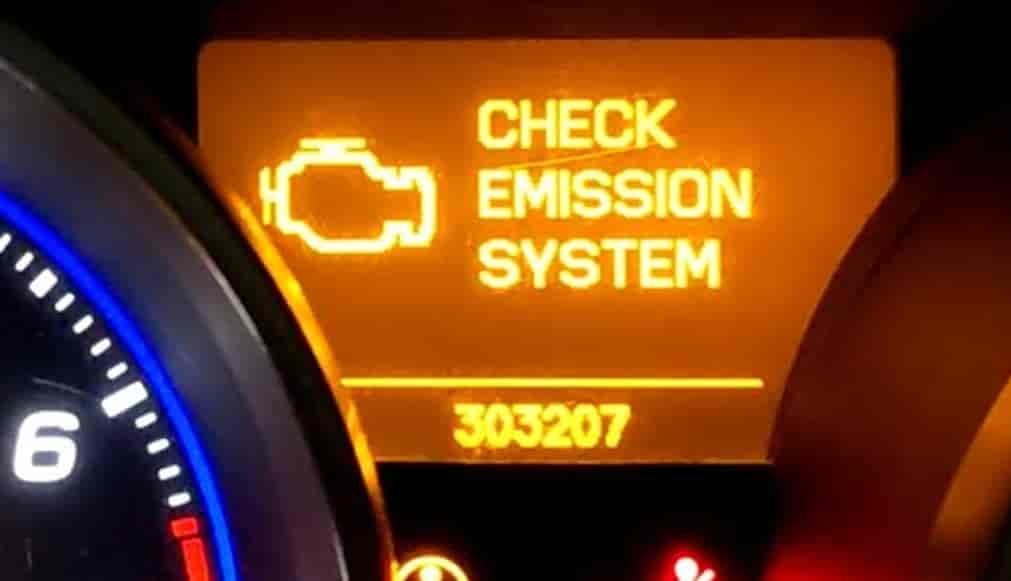
Have you ever seen the “Nissan Emission Control System Malfunction” message pop up on your dashboard and felt that sinking feeling in your stomach? You are not alone. Many Nissan owners experience this warning and often wonder what it really means or how serious it is.
The emission control system in your Nissan is designed to reduce harmful gases and keep your car running clean and efficient. When something goes wrong, the system detects the issue and triggers a warning light. This might not always mean your car is in immediate danger, but it is a signal that something in the emission process is not working as it should.
Ignoring this alert can lead to bigger problems such as reduced fuel efficiency, failed emission tests, or costly repairs down the road. The good news is that most of the time, the issue is minor and can be fixed with a few simple checks or a quick visit to a mechanic.
In this complete guide, we will explain what the Nissan emission control malfunction means, the most common causes behind it, how you can fix it, and simple maintenance tips to prevent it from happening again.
What Does Nissan Emission Control Malfunction Mean?
When your Nissan displays an emission control malfunction warning, it means that the vehicle’s onboard computer has detected a problem in the emission control system. This system manages how exhaust gases are filtered and released to reduce air pollution. It works closely with sensors, valves, and the engine control module to keep emissions within legal limits.
The warning usually appears on the dashboard as a check engine light or a message like “Service Engine Soon.” While this may sound alarming, it does not always mean your car is unsafe to drive. In many cases, it simply means that one of the sensors has detected something unusual in the exhaust flow or fuel mixture.
The emission control system includes several key components such as the oxygen sensor, catalytic converter, and evaporative emission system. When any of these parts fail or operate outside of the normal range, your Nissan will alert you through this malfunction message.
In short, the Nissan emission control malfunction warning is your car’s way of saying that it needs attention. Taking it seriously and checking the issue early can save you time and money while keeping your car efficient and eco-friendly.
Common Causes of Nissan Emission Control Malfunction
The Nissan emission control malfunction can be triggered by several issues within your car’s emission system. Some causes are simple and inexpensive to fix, while others may require professional repair. Understanding these common reasons will help you diagnose the problem more accurately and avoid unnecessary stress.
One of the most common causes is a faulty oxygen sensor. This sensor measures how much oxygen is left in the exhaust gases. When it fails, your car cannot maintain the right air fuel balance, leading to poor performance and higher emissions.
Another frequent reason is a loose or damaged gas cap. It might sound minor, but a gas cap that does not seal properly can allow fuel vapors to escape, triggering the emission control warning.
A leak in the EVAP system, which manages gasoline vapors from the fuel tank, is also a typical culprit. Even a small crack in a hose can cause this malfunction to appear.
Other possible causes include a clogged or failing catalytic converter, a dirty mass air flow sensor, or a temporary software glitch in the engine control module. Each of these issues affects how your vehicle processes emissions and how efficiently it burns fuel.
By identifying the root cause early, you can prevent more serious damage and keep your Nissan running smoothly and cleanly.
How to Fix Nissan Emission Control Malfunction
Fixing the Nissan emission control malfunction is often easier than it looks. You can follow a few simple steps to identify and solve the issue before visiting a mechanic.
Step 1: Scan for Diagnostic Trouble Codes
Use an OBD2 scanner to check your vehicle for stored error codes. Plug the scanner into the port under your dashboard and turn on the ignition. The device will display specific codes such as P0420 or P0442. These codes indicate which part of the emission system needs attention. Make a note of them before moving to the next step.
Step 2: Check the Gas Cap
Inspect your gas cap to make sure it is tight and in good condition. A loose or cracked gas cap can cause the emission control malfunction warning. Tighten it until you hear a click. If the seal looks damaged, replace the cap. This simple fix solves the problem in many cases.
Step 3: Inspect Vacuum Hoses and Connections
Open the hood and look for small rubber hoses connected to the engine. These carry air and fuel vapors through the emission system. Cracked or disconnected hoses can allow leaks that confuse the sensors. Replace any worn or loose hoses you find.
Step 4: Clean the Fuel and Air System
Add a quality fuel system cleaner to your gas tank. This helps remove carbon buildup inside the injectors and sensors. You can also replace the air filter if it is dirty. Keeping these parts clean helps the emission system work efficiently and reduces the chance of future warnings.
Step 5: Reset the Warning Light
After checking and fixing all possible issues, you can reset the warning. Use your OBD2 scanner’s reset option or disconnect the battery for five minutes. When you restart the car, the light should disappear. If it comes back after driving for a while, a deeper issue may exist and a certified mechanic should inspect it.
By following these steps carefully, you can often clear the Nissan emission control malfunction without spending a lot of money. Regular checks and small fixes go a long way toward keeping your car running smoothly and cleanly.
Prevention Tips to Avoid Future Emission Control Malfunctions
Preventing a Nissan emission control malfunction is easier than dealing with costly repairs later. With a few smart maintenance habits, you can keep your car’s emission system healthy and running efficiently.
Start by checking your gas cap regularly. Make sure it seals properly after every refuel. This simple action prevents fuel vapor leaks that often cause the emission warning light to appear.
Next, replace your air filter and oxygen sensors at the intervals recommended in your Nissan’s maintenance schedule. These parts play a major role in controlling the air and fuel balance inside your engine. A dirty filter or worn-out sensor can trigger false readings and cause the system to react incorrectly.
It also helps to use high quality fuel and add a fuel system cleaner every few thousand miles. Clean fuel keeps your injectors and catalytic converter free of buildup, allowing them to perform efficiently.
Schedule a diagnostic check at least once a year. A professional mechanic can scan your vehicle’s system and identify small issues before they turn into bigger problems.
Lastly, if you ever notice the check engine or emission control light flashing, do not ignore it. Early action keeps repair costs low and helps protect the environment by reducing harmful emissions.
Taking these preventive steps will help ensure that your Nissan runs clean, efficient, and free from emission control malfunctions for years to come.
When to Visit a Nissan Service Center
Sometimes the Nissan emission control malfunction warning stays on even after you have checked the basic causes. When that happens, it may be time to visit a professional service center. Trained Nissan technicians have advanced diagnostic tools that can detect problems hidden deep inside the engine and emission system.
If you notice that the warning light reappears soon after resetting it, this is a clear sign that a component might be failing. For example, a faulty catalytic converter or an internal leak in the EVAP system often needs professional attention. These issues can be difficult to identify without specialized equipment.
You should also visit a service center if your car starts losing power, vibrating unusually, or producing more exhaust smoke than normal. These are symptoms that the emission system is struggling to manage engine gases correctly. Continuing to drive in this condition can reduce fuel efficiency and damage other components.
Professional technicians will use factory-grade scanners to read real-time data from your car’s sensors. They can pinpoint the exact problem and perform the right repair or software update. Getting your Nissan inspected early ensures that your vehicle remains safe, efficient, and environmentally friendly.
Conclusion
The Nissan emission control malfunction warning can seem worrying at first, but it is often a sign of a small issue that can be fixed quickly. Your car’s emission control system plays an important role in keeping the engine efficient and reducing pollution. When something goes wrong, the system alerts you before the problem becomes serious.
By understanding what this warning means, checking common causes like the gas cap or oxygen sensor, and following basic maintenance steps, you can solve many issues on your own. Regular care such as using quality fuel, replacing filters, and performing routine diagnostics helps prevent future malfunctions and keeps your Nissan running smoothly.
If the warning light continues to appear or if you notice reduced performance, it is best to visit a certified Nissan service center. Professional technicians can diagnose deeper problems and make precise repairs using specialized tools.
Taking this warning seriously not only saves you money on repairs but also helps your car stay reliable, efficient, and environmentally responsible.
Have you ever faced a Nissan emission control malfunction on your vehicle? Share your experience or any helpful tips with other Nissan owners in the comments below.