Many Nissan Altima owners search for the term Nissan Altima headlight recall after noticing a serious drop in nighttime visibility. The headlights no longer shine as brightly as they once did, even after new bulbs are installed. This problem quickly becomes frustrating and dangerous. Headlights play a direct role in road safety, especially on dark highways, rural roads, or during poor weather conditions.
Confusion often surrounds the Nissan Altima headlight recall topic. Some drivers expect an official safety recall, while others hear about free repairs or warranty coverage from dealerships or online communities. Because of this mixed information, many owners do not know whether their vehicle qualifies for repairs or what steps they should take next. This lack of clarity leads many drivers to delay action, even when visibility continues to worsen.
This article explains the Nissan Altima headlight recall in a clear and practical way. It identifies the model years most commonly affected and outlines the symptoms that signal a real defect inside the headlight assembly. It also explains why replacing the bulb rarely improves brightness and often wastes time and money.
Most importantly, this guide focuses on owner options. It explains how Nissan Altima owners can check eligibility, work with a dealership, and decide on the safest next step. If your headlights feel weaker than they should, understanding the facts behind the Nissan Altima headlight recall can help you protect your safety and regain proper visibility on the road.
What Is the Nissan Altima Headlight Recall?
Many drivers use the term Nissan Altima headlight recall to describe a widespread headlight problem, but the situation does not match a traditional safety recall. Nissan did not issue a full mandatory recall through the National Highway Traffic Safety Administration for this issue. Instead, the company addressed the problem through a warranty extension and a voluntary service campaign for certain vehicles.
A safety recall usually occurs when a defect violates federal safety standards or creates an immediate risk. In those cases, manufacturers must notify owners and provide repairs at no cost. The Nissan Altima headlight issue followed a different path. Owners reported dim headlights that reduced nighttime visibility, but regulators did not require a formal recall. Nissan responded after customer complaints and legal pressure increased.
The confusion around the Nissan Altima headlight recall grew after a class action lawsuit brought attention to the defect. The lawsuit claimed that the headlight assemblies degraded over time and failed to provide adequate illumination. Nissan chose to resolve the issue by extending warranty coverage and offering inspections and replacements under specific conditions.
This approach explains why many owners never received a recall notice in the mail but still qualified for repairs at a dealership. The problem exists, but Nissan manages it through service programs rather than a mandatory recall order. Understanding this distinction helps owners know what to expect when they contact a dealer and prevents unrealistic assumptions about automatic repairs.
Nissan Altima Model Years Affected
The Nissan Altima headlight recall discussion mainly involves vehicles produced between the 2013 and 2018 model years. Owners of these Altima models report the highest number of complaints related to dim or ineffective headlights. The issue appears most often in vehicles equipped with factory halogen headlight assemblies rather than LED or HID systems.
Drivers often notice the problem after several years of regular use. The headlights may look normal from the outside, but their light output drops significantly on the road. This gradual change explains why many owners do not recognize the defect right away. The problem develops over time instead of appearing as a sudden failure.
Not every Nissan Altima from these model years experiences the same level of headlight degradation. Driving conditions, climate, and nighttime usage all influence how quickly the issue becomes noticeable. However, complaints follow a consistent pattern across many vehicles within this production range. That pattern helped identify these model years as the most affected.
Later Nissan Altima models show fewer reports of this specific defect. Nissan updated headlight designs and materials in newer generations, which reduced the likelihood of the same problem occurring. For this reason, most warranty extensions and service inspections focus on 2013 to 2018 Altima vehicles.
If you own a Nissan Altima from these years and experience poor nighttime visibility, your vehicle likely falls within the group discussed in the Nissan Altima headlight recall. Identifying the model year is the first step toward determining your available options.
Common Symptoms of the Headlight Defect
The most common symptom linked to the Nissan Altima headlight recall is a noticeable loss of brightness while driving at night. Many drivers describe the light as weak, yellow, or uneven across the road. The headlights may turn on normally, but they fail to illuminate lane markings, road signs, or obstacles at a safe distance.
This issue often develops gradually. At first, drivers may assume that the bulbs are aging or that road conditions have changed. Over time, the reduced light output becomes impossible to ignore. Even in clear weather, visibility feels limited, and night driving requires more focus and effort than usual.
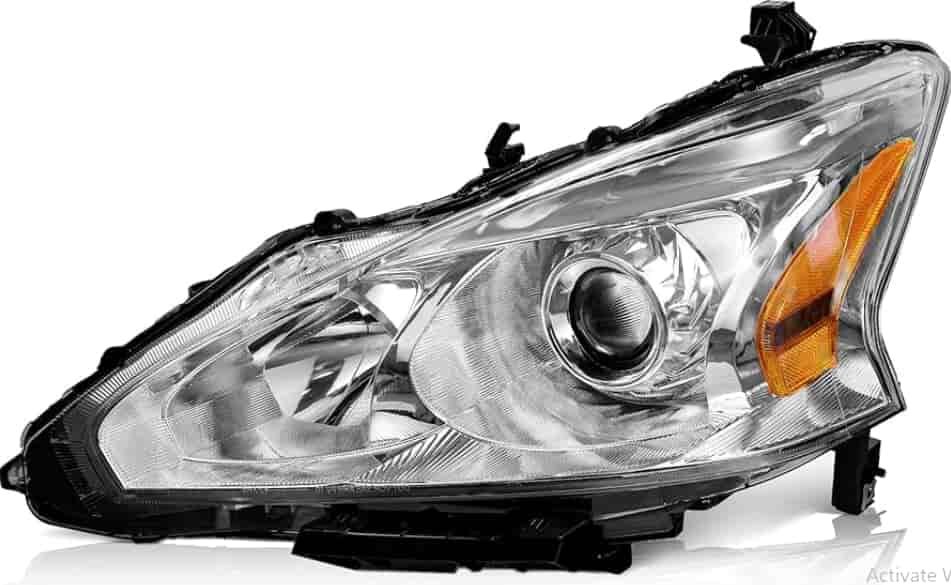
Another clear symptom involves the internal structure of the headlight assembly. The reflective surface inside the housing can degrade or peel, which prevents light from projecting forward. This process, often described as delamination, does not affect the outer lens. As a result, the headlights may look clean and intact from the outside while performing poorly on the road.
Many owners attempt to solve the problem by replacing bulbs or adjusting headlight aim. These steps rarely produce meaningful improvement. The brightness remains low because the defect exists inside the assembly itself. This repeated cycle of unsuccessful fixes leads to frustration and unnecessary expense.
Poor headlight performance also increases safety risks. Drivers may struggle to see pedestrians, animals, or debris in time to react. In areas with limited street lighting, the defect can make normal night driving feel unsafe. Recognizing these symptoms early helps Nissan Altima owners take action before visibility becomes dangerously low.
Why Replacing the Bulb Does Not Fix the Problem
Many Nissan Altima owners replace the headlight bulbs as the first response to reduced brightness. This action makes sense because bulbs naturally dim over time. However, in cases related to the Nissan Altima headlight recall, this step rarely improves visibility in a meaningful way.
The root cause of the problem exists inside the headlight assembly rather than in the bulb itself. The reflective surface that directs light forward can degrade as the vehicle ages. When this surface loses its reflective quality, it scatters light instead of focusing it onto the road. Even a brand new bulb cannot compensate for this loss of efficiency.
Because the outer lens often remains clear, the defect stays hidden from casual inspection. Owners may believe the headlights function normally until they compare visibility with another vehicle or drive on an unlit road. This hidden nature explains why many drivers replace bulbs multiple times without seeing results.
Bulb upgrades also fail to solve the issue. Brighter halogen bulbs and aftermarket options still rely on the same internal reflector. The assembly continues to limit light output regardless of bulb type. In some cases, higher output bulbs may even create glare without improving forward visibility.
Understanding this limitation saves time and money. When dim headlights persist after a bulb replacement, the problem likely involves the headlight housing itself. At that point, inspection by a Nissan dealer becomes the most effective step for owners affected by the Nissan Altima headlight recall.
Owner Options What Can Nissan Altima Owners Do?
Nissan Altima owners who experience dim headlights still have several practical options available. The first step involves confirming whether the vehicle qualifies for inspection or repair under Nissan programs. Owners can do this by checking the vehicle identification number and contacting an authorized Nissan dealership.
A Nissan dealer can inspect the headlight assemblies and determine whether internal degradation affects light output. If the vehicle falls within the eligible model years and coverage period, the dealer may replace the headlight assemblies at no cost. This process usually includes both parts and labor, depending on the vehicle’s service history and warranty status.
Owners who already paid for headlight replacements in the past should gather service records and receipts. In some cases, Nissan offered reimbursement during specific claim periods tied to legal settlements. Even if those periods have passed, documentation still helps the dealer evaluate possible goodwill assistance.
If the vehicle no longer qualifies for free replacement, owners still benefit from a professional diagnosis. A confirmed inspection prevents unnecessary bulb replacements and helps drivers make informed decisions about repairs. Some owners choose to replace the assemblies out of pocket to restore proper visibility and maintain safety.
Taking action matters. Driving with poor headlights increases risk, especially during night or low light conditions. By understanding available owner options under the Nissan Altima headlight recall, drivers can choose the safest and most cost effective path forward.
Is It Safe to Drive With Dim Headlights?
Driving with dim headlights creates real safety risks, especially at night or in areas with limited street lighting. When headlights fail to illuminate the road ahead, drivers lose valuable reaction time. This reduced visibility makes it harder to spot pedestrians, animals, road debris, or sharp curves in time to respond safely.
Dim headlights also affect depth perception. Drivers may misjudge distance and speed, which increases the chance of sudden braking or missed hazards. On highways, weak lighting can prevent drivers from seeing lane changes or stalled vehicles until it is too late. These risks increase further during rain, fog, or snow.
Many drivers attempt to adapt by slowing down or avoiding night driving altogether. While these adjustments may reduce immediate danger, they do not eliminate the underlying problem. Poor headlight performance continues to limit visibility and places added stress on the driver during every trip.
From a safety standpoint, driving with dim headlights should not be treated as normal wear. Headlights must meet a basic level of performance to support safe driving. When they no longer do so, corrective action becomes necessary rather than optional.
For Nissan Altima owners affected by this issue, addressing the problem early helps reduce risk. An inspection or repair restores proper visibility and helps ensure safer driving conditions. Understanding the safety implications reinforces why the Nissan Altima headlight recall remains an important topic for owners.
Conclusion
Many Nissan Altima owners search for answers after their headlights lose brightness and night driving becomes uncomfortable. The Nissan Altima headlight recall topic often causes confusion because owners expect a traditional safety recall. In reality, Nissan addressed the issue through service actions and warranty related options for certain vehicles. This difference matters because it changes what owners can expect from a dealer visit and what steps they should take next.
The key takeaway is simple. Dim headlights that do not improve after a bulb change often point to a defect inside the headlight assembly. Owners should treat this symptom as a safety concern rather than a minor inconvenience. Reduced visibility affects reaction time and increases risk for everyone on the road.
If your Altima falls within the commonly affected model years, you should start with a VIN based eligibility check and a dealer inspection. Bring any repair history if you already replaced headlights. These steps help you avoid wasted spending and move toward a real fix. Even when free replacement does not apply, a confirmed diagnosis still supports a safer decision.
The Nissan Altima headlight recall remains relevant because it connects to visibility, safety, and owner rights. When you understand the model years, symptoms, and owner options, you can take action with confidence and restore proper lighting for safer driving.