
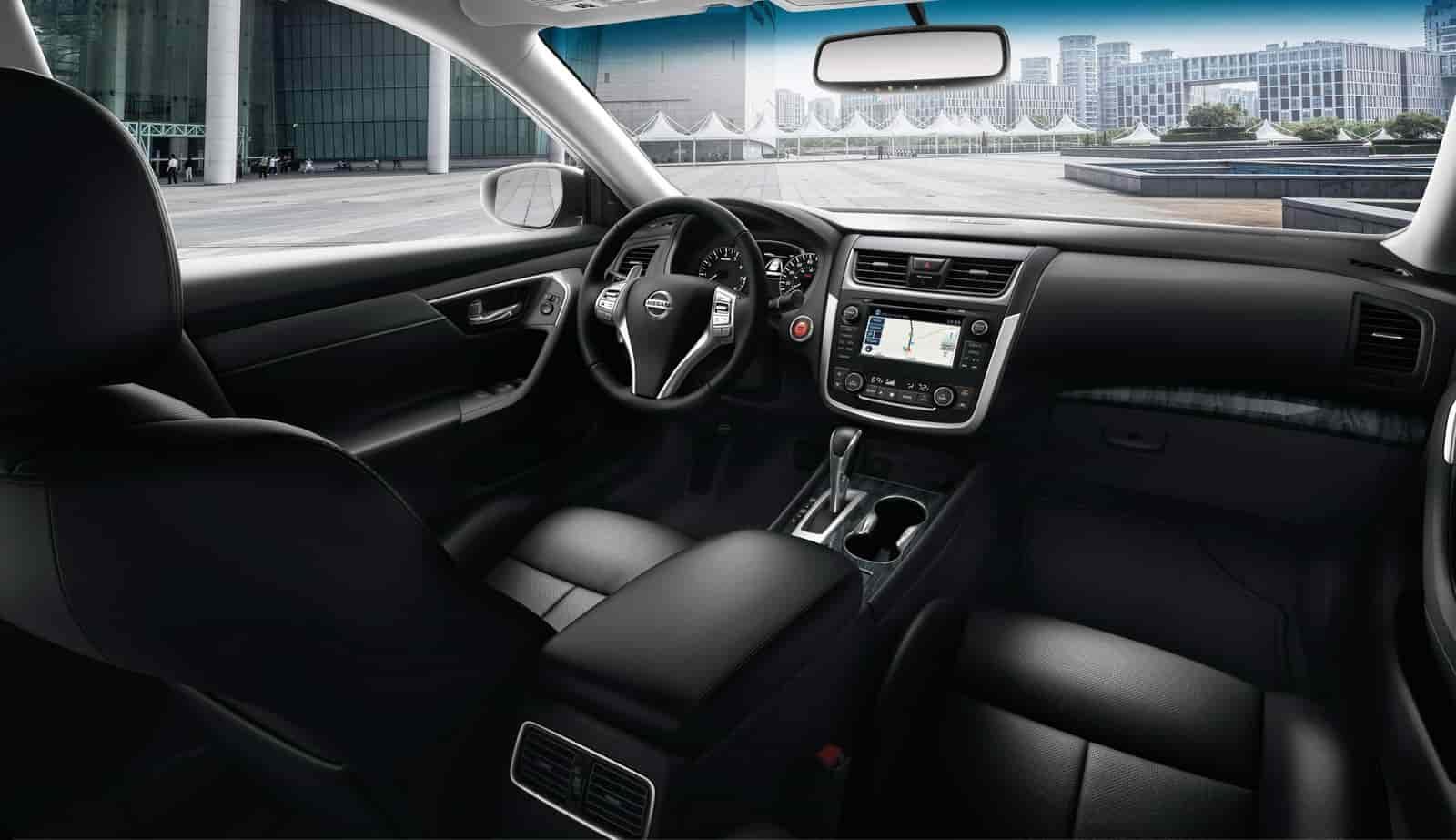
Does Nissan use real leather? This question often comes up when buyers compare interior quality across car brands. Interior materials affect comfort, durability, resale value, and long term satisfaction. Many drivers associate leather seats with premium quality, better aesthetics, and a more refined driving experience. Others worry about maintenance, heat retention, and long term wear.
Nissan builds a wide range of vehicles, from affordable sedans to family SUVs and performance focused models. Because of this variety, Nissan does not use the same interior materials in every vehicle. Some models offer genuine leather, while others use leather appointed seating or advanced synthetic materials. The exact material depends on the trim level, model year, and market.
This complete guide explains whether Nissan uses real leather and what that term actually means in modern cars. You will learn how Nissan defines its interior materials, which models include genuine leather, and why synthetic options appear so often. The guide also helps you identify what your specific Nissan offers and whether upgrading to leather makes sense for your needs. By the end, you will understand Nissan interior materials clearly and make a confident buying decision.
What Does Real Leather Mean in the Automotive Industry?
Many buyers assume that real leather in a car means full leather everywhere. In reality, the automotive industry uses the term more selectively. Real leather usually refers to genuine animal hide, most often cowhide, that manufacturers process and treat for durability and appearance. Carmakers apply this leather only to specific contact areas, not the entire seat.
When a vehicle lists real leather seats, the leather typically covers the center seating surfaces. These are the areas that touch your body most often. The sides, backs, and lower portions of the seats usually use synthetic materials. Manufacturers choose this approach to control costs and improve resistance to stretching and cracking. As a result, real leather does not always mean full leather upholstery.
The industry also uses terms like leather appointed, premium leather, and semi aniline leather. Leather appointed seating means the vehicle combines genuine leather with synthetic materials. Semi aniline leather refers to higher grade leather with minimal surface coating. This type feels softer and more natural but requires more care. Fully aniline leather appears rarely in mass market vehicles because it stains easily and wears faster.
Understanding these definitions matters when evaluating interior quality. Two cars may both claim to offer leather seats, yet deliver very different experiences. The quality depends on leather grade, placement, and how the manufacturer balances comfort with durability. This context helps explain why real leather in cars often looks and feels different from leather furniture or handbags.
Does Nissan Use Real Leather? The Short Answer
Yes, Nissan does use real leather, but only in certain vehicles and trim levels. Nissan does not apply genuine leather across its entire lineup. Instead, the brand reserves real leather for higher trims and premium oriented models. Entry level and mid range trims usually rely on cloth or synthetic materials.
In most cases, Nissan uses real leather only on the main seating surfaces. The sides and backs of the seats typically feature synthetic materials. This construction allows Nissan to maintain durability while keeping prices competitive. As a result, buyers should not assume that every surface they touch contains genuine leather.
Nissan also uses different names to describe its interior materials. Terms like leather appointed seating often appear in trim descriptions. This wording signals a mix of genuine leather and synthetic components. Higher end trims may offer premium or semi aniline leather, which feels softer and more natural than standard leather finishes.
The availability of real leather depends on several factors. Model, trim level, model year, and regional market all influence material choices. A Nissan vehicle sold in one country may offer leather as standard, while the same model in another market may list it as an optional upgrade. Because of this variation, checking the exact specifications of your vehicle matters.
In short, Nissan does use real leather, but only selectively. Buyers who want genuine leather should focus on upper trims and verify the interior materials before making a purchase decision.
Types of Interior Materials Used by Nissan
Nissan uses several types of interior materials to match different price points and customer needs. These materials range from basic cloth to premium leather finishes. Understanding each type helps buyers evaluate comfort, durability, and long term value.
Genuine leather appears mainly in higher trim levels. Nissan typically applies real leather to the center seating surfaces, where contact occurs most often. This leather comes from treated animal hide and offers a natural texture and smell. Compared to synthetic materials, genuine leather feels softer and develops character over time. However, it requires regular cleaning and conditioning to prevent cracking and fading.
Leather appointed seating combines real leather with synthetic materials. Nissan uses genuine leather on the main seating areas and synthetic upholstery on the sides and backs. This approach balances comfort and durability while keeping costs lower. Many Nissan vehicles with leather interiors fall into this category, even when marketing materials highlight leather seats.
Synthetic leather, often called leatherette, appears widely across Nissan models. This material mimics the look of leather but uses man made compounds. Nissan chooses leatherette because it resists wear, heat, and moisture better than natural leather. It also requires less maintenance and performs well in hot or humid climates.
Cloth seating remains standard in many entry level trims. Nissan uses durable woven fabrics designed for daily driving and long term use. While cloth lacks the premium feel of leather, it offers breathability and lower replacement costs. For some buyers, cloth remains the most practical option.
Which Nissan Models and Trims Offer Real Leather?
Nissan offers real leather primarily in higher trim levels across several models. The exact availability depends on the model year and market, but clear patterns exist across the lineup. Buyers who want genuine leather should focus on upper trims labeled as SL, Platinum, or performance oriented variants.
Sedans like the Altima and Maxima commonly offer leather in their higher trims. In these vehicles, Nissan usually includes leather appointed seating as standard, with real leather on the main seat surfaces. The Maxima often features premium leather finishes that feel softer and more upscale than those in lower priced models.
SUVs and crossovers make up the largest share of Nissan vehicles with leather interiors. Models such as the Rogue, Murano, Pathfinder, and Armada include leather in upper trims. The Murano and Armada stand out for offering more refined leather textures and improved seat padding. These models target buyers who value comfort on longer drives.
Larger family oriented SUVs often reserve leather for their top trims. In these vehicles, leather usually comes bundled with other comfort features like heated seats and power adjustments. This packaging increases overall cost but improves perceived interior quality.
Performance and specialty models also include real leather. The Nissan GT R and other high performance variants use premium leather combined with sporty design elements. These interiors focus on driver engagement while maintaining a luxury feel.
Because Nissan changes trim structures over time, buyers should always verify specifications for their exact model and year. Dealer listings and official trim guides provide the most accurate information.
Why Nissan Uses Synthetic Leather in Many Vehicles
Nissan uses synthetic leather in many vehicles for practical and strategic reasons. Cost control plays a major role. Genuine leather increases production expenses, which can push vehicles out of competitive price ranges. By using synthetic materials, Nissan keeps base prices attractive while still offering a premium appearance.
Durability also influences material choice. Synthetic leather resists cracking, fading, and moisture better than natural leather. In hot or humid climates, real leather can dry out or discolor over time. Synthetic surfaces handle these conditions more effectively and maintain their appearance with less care.
Maintenance requirements matter to everyday drivers. Real leather needs regular cleaning and conditioning to stay in good condition. Synthetic leather requires simple wiping and minimal upkeep. For many owners, ease of maintenance outweighs the benefits of natural leather.
Sustainability concerns also affect material decisions. Some buyers prefer alternatives that reduce reliance on animal based products. Synthetic materials support this preference while meeting durability and comfort standards. Nissan addresses these expectations by offering leather like interiors without using full animal hides.
Finally, modern synthetic materials feel and look much closer to real leather than in the past. Improved textures and finishes allow Nissan to deliver a refined interior experience at lower trims. For many drivers, the difference becomes difficult to notice during daily use.
How to Check If Your Nissan Has Real Leather
The most reliable way to confirm whether your Nissan has real leather is to review the official vehicle specifications. The window sticker lists interior materials clearly and reflects the exact trim level. If you still have access to this document, start there.
You can also check the owner’s manual or the official trim guide for your model year. These sources describe seating materials using precise terms such as leather appointed or premium leather. Understanding this language helps you identify whether the seats include genuine leather or synthetic surfaces.
Another effective method involves contacting a Nissan dealer with your vehicle identification number. Dealers can pull detailed build information and confirm interior materials accurately. This approach works well for used vehicles, where upgrades or changes may confuse listings.
Physical inspection provides additional clues. Real leather usually feels warmer to the touch and shows natural grain variation. Over time, it develops creases rather than uniform wrinkles. Synthetic leather often feels cooler and displays a more consistent texture. However, visual inspection alone does not always provide certainty.
Because Nissan varies materials by market and year, relying on a single source can lead to mistakes. Combining documentation with dealer verification gives the clearest answer and helps you avoid incorrect assumptions about your interior.
Real Leather vs Synthetic Leather in Nissan Cars
Real leather and synthetic leather offer different benefits in Nissan vehicles. Real leather provides a natural texture, subtle scent, and a softer feel over time. It often enhances the sense of luxury, especially in higher trims. Many buyers value how genuine leather ages and develops character with regular use.
Synthetic leather focuses on practicality. It resists spills, moisture, and temperature changes more effectively. In daily driving, this material handles wear with less visible damage. Drivers who park outdoors or live in hot climates often prefer synthetic surfaces because they retain their appearance longer.
Comfort also differs between the two materials. Real leather can feel warmer in cold weather and hotter in direct sunlight. Synthetic leather maintains a more consistent surface temperature. This difference affects daily comfort, especially in regions with extreme weather.
Maintenance requirements separate these options further. Real leather needs cleaning and conditioning to prevent cracking and drying. Synthetic leather requires basic wiping and little ongoing care. For busy owners, lower maintenance often becomes a deciding factor.
From a cost perspective, synthetic leather helps keep vehicle prices lower. Nissan uses this material to offer upscale looking interiors without forcing buyers into higher trims. Real leather remains an upgrade choice for those who prioritize luxury feel over convenience.
Neither option suits every driver. The better choice depends on lifestyle, climate, and long term ownership goals.
Final Verdict. Should You Choose Real Leather in a Nissan?
So, does Nissan use real leather? The answer is yes, but only in specific models and trim levels. Nissan applies genuine leather mainly to higher trims and premium oriented vehicles. In most cases, real leather covers only the main seating surfaces, while synthetic materials support durability and cost control.
Choosing real leather makes sense if you value a softer feel, a more refined interior, and a premium driving experience. Leather seats can enhance comfort on long trips and improve perceived vehicle quality. However, they also require more maintenance and can show wear faster in harsh climates.
Synthetic leather offers a practical alternative. It resists heat, moisture, and daily wear with minimal upkeep. For many drivers, this material delivers the best balance between comfort, durability, and price. Nissan uses synthetic options effectively to meet the needs of modern buyers.
The right choice depends on how you use your vehicle. If luxury and interior feel matter most, higher trims with real leather may justify the upgrade. If ease of ownership and long term durability rank higher, synthetic leather or cloth can serve you better.
Understanding Nissan interior materials helps you avoid assumptions and make a confident decision. Always check trim specifications before purchasing, and choose the option that fits your lifestyle rather than chasing labels.