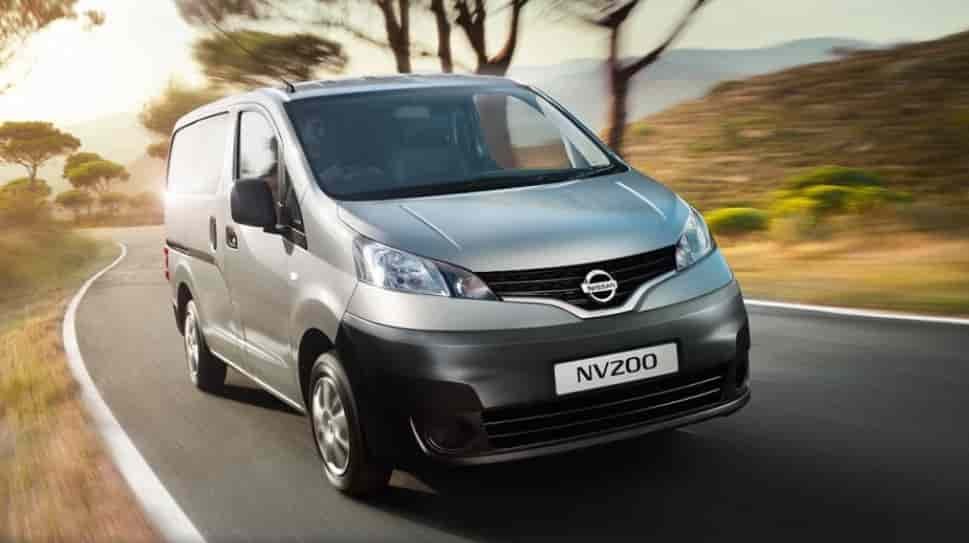
Buying a used Nissan NV200 often feels like a smart financial decision. This compact cargo van attracts small business owners and delivery drivers because of its low upfront cost and practical size. Many buyers expect reliable transportation at a reasonable price. Unfortunately, that expectation does not always match reality.
Not every Nissan NV200 model year delivers the same level of reliability. Some years suffer from serious mechanical weaknesses that surface after purchase. Transmission failures, engine performance issues, and electrical problems appear more often in specific model years. These problems do not only cause inconvenience. They also lead to expensive repairs and unexpected downtime.
Understanding Nissan NV200 years to avoid helps buyers reduce financial risk. When a work vehicle breaks down, productivity stops. Missed deliveries and repair bills can quickly erase any savings from buying cheap. Even personal owners face frustration when repair costs exceed the van’s market value.
This guide explains the worst Nissan NV200 model years based on common problems and ownership complaints. It highlights buyer warnings that many sellers do not mention. If you plan to buy a used NV200, this article will help you avoid costly mistakes and choose more wisely.
Nissan NV200 Model Years Overview
The Nissan NV200 entered the United States market as a practical solution for urban cargo and light commercial use. Nissan designed this van to serve small businesses that needed efficiency, compact size, and low operating costs. Over the years, the NV200 maintained a simple design with limited mechanical changes, which makes understanding its model year differences even more important.
Most Nissan NV200 vehicles sold in the US share the same basic powertrain. They use a four cylinder engine paired with a continuously variable transmission. While this setup helps improve fuel efficiency, it also introduces long term reliability concerns. Early production years experienced more frequent complaints, especially as mileage increased.
Nissan made minor adjustments over time, but the NV200 never received a full mechanical redesign. As a result, problems found in early years often carried into later models with only slight improvements. Some years show higher repair rates due to weaker transmission tuning and aging electrical components. Other years benefit from small refinements that improve overall durability.
Understanding this production history helps explain why certain Nissan NV200 years to avoid stand out more clearly than others. The next section breaks down the worst model years and explains why buyers should approach them with caution.
Nissan NV200 Years to Avoid
Not every Nissan NV200 model year offers dependable ownership. Some years show clear patterns of mechanical weakness and higher long term costs. These problems appear often enough that buyers should approach these models with caution.
2013 Nissan NV200
The 2013 model marks the first production year of the NV200 in the US market. Early production vehicles often reveal design flaws after real world use. Many owners report transmission hesitation, rough acceleration, and delayed response at low speeds. These symptoms usually worsen as mileage increases.
Electrical issues also appear frequently in this model year. Owners describe problems with warning lights, sensors, and basic interior electronics. Repair costs add up quickly because diagnosing electrical faults takes time. As a result, the 2013 NV200 often becomes unreliable for daily commercial use.
For buyers who depend on consistent performance, this model year carries unnecessary risk.
2014 Nissan NV200
The 2014 NV200 continues many of the same issues found in the previous year. Transmission complaints remain common, especially under load or during stop and go driving. This driving pattern affects delivery drivers the most.
Cooling system problems also appear more often in this year. Some owners report overheating during extended city use. Others experience premature component wear that leads to repeat shop visits. These issues increase downtime and raise operating costs.
Although Nissan improved minor details, the 2014 model still lacks meaningful reliability gains.
2015 Nissan NV200
The 2015 NV200 shows slight improvement, but it still belongs on the avoid list. Transmission behavior remains inconsistent, especially at higher mileage. Many owners report shuddering and reduced responsiveness over time.
Suspension wear also becomes noticeable earlier than expected. Bushings and steering components tend to degrade faster on high use vehicles. For fleet or work purposes, these repairs create ongoing maintenance pressure.
Buyers often assume later years mean better reliability. In this case, the difference remains too small to ignore the risks.
Common Nissan NV200 Problems You Should Know
Owners often report the same mechanical issues across several Nissan NV200 model years. These problems tend to worsen as mileage increases, especially on vehicles used for commercial purposes. Understanding these weaknesses helps buyers identify high risk vans before making a purchase.
One of the most common concerns involves the transmission. Many NV200 owners experience hesitation, shuddering, or delayed response during acceleration. These symptoms appear more frequently in city driving, where constant stopping and starting place extra stress on the system. Over time, performance degrades and repair costs rise quickly.
Engine related complaints also surface across multiple years. Some owners notice rough idling and reduced power under load. Others report increased oil consumption as mileage climbs. While these issues may not cause immediate failure, they often signal deeper wear that leads to expensive repairs later.
Electrical problems form another pattern. Warning lights illuminate without clear cause, and sensors fail prematurely. These faults frustrate owners because they require time consuming diagnostics. Even small electrical repairs can interrupt daily operations and increase downtime.
Suspension and steering components also wear faster than expected on high use NV200 models. Bushings, tie rods, and shocks often need replacement earlier than similar vans. For delivery drivers and small businesses, this constant maintenance reduces the vehicle’s overall value.
These recurring issues explain why certain Nissan NV200 years to avoid attract consistent negative feedback from long term owners. In the next section, we examine why these problems make some model years a poor investment.
Why These Nissan NV200 Years Are a Bad Buy
Certain Nissan NV200 model years create more financial risk than value. While the purchase price may seem attractive, long term ownership tells a different story. Problems often appear after the warranty period ends, leaving owners responsible for costly repairs.
Repair expenses represent the biggest concern. Transmission issues alone can exceed the resale value of older NV200 models. Many owners invest significant money into fixing recurring problems without achieving lasting reliability. This pattern turns what looks like a budget friendly van into a money drain.
Downtime adds another layer of loss. When a work van stays in the shop, income stops. Delivery schedules fall behind, and customer trust suffers. These interruptions matter even more for small businesses that rely on a single vehicle.
Resale value also suffers on problematic model years. Buyers recognize the risks, which drives prices down. Owners who plan to sell later often face limited demand and reduced returns. In many cases, the owner loses money both during ownership and at resale.
These factors explain why certain Nissan NV200 years to avoid earn a reputation as a bad buy. In the next section, we look at model years that offer better reliability and fewer ownership headaches.
Nissan NV200 Years That Are More Reliable
Not all Nissan NV200 model years share the same level of risk. While no year can be considered perfect, some later models show fewer complaints and better long term durability. These years benefit from small refinements that reduce, but do not eliminate, common issues.
Models produced after the earliest production phase tend to perform more consistently. Owners report smoother transmission behavior and fewer severe drivability complaints. While minor issues still appear, they occur less frequently and feel more manageable over time. This improvement matters most for buyers who plan moderate use rather than heavy daily delivery work.
Electrical reliability also improves slightly in these later years. Sensors fail less often, and warning light issues appear less frequently. Suspension components still wear with mileage, but replacement intervals become more predictable. This predictability helps owners plan maintenance instead of reacting to constant breakdowns.
Buyers should still approach these years with realistic expectations. Regular servicing and careful inspection remain essential. However, compared to the worst Nissan NV200 years to avoid, these models offer a more balanced ownership experience. They suit buyers who need a compact cargo van but want to minimize repair surprises.
In the next section, we move from model year analysis to practical buyer warnings that apply before purchasing any used NV200.
Buyer Warnings Before Buying a Used Nissan NV200
Buying a used Nissan NV200 requires careful inspection and realistic expectations. Many problems do not appear during a short test drive, so buyers must look deeper before committing.
Start with a thorough transmission check. Pay close attention to hesitation, shuddering, or delayed response when accelerating. These signs often indicate early transmission wear. If the van struggles in stop and go traffic, walk away.
Review maintenance records whenever possible. Regular fluid changes and documented repairs show responsible ownership. A lack of service history increases the risk of hidden issues. Many sellers avoid discussing past transmission or electrical problems.
Inspect electrical systems carefully. Warning lights, malfunctioning sensors, and inconsistent dashboard behavior signal potential trouble. Electrical repairs often cost more than expected due to diagnostic labor.
Listen for suspension noise during turns and over uneven roads. Clunks or looseness suggest worn components. These repairs may seem minor, but they add up quickly on high mileage vans.
Finally, consider a professional inspection before purchase. An experienced mechanic can identify early warning signs that buyers often miss. This step costs far less than dealing with unexpected repairs later.
These buyer warnings help reduce risk, especially when shopping among Nissan NV200 years to avoid.
Final Verdict: Should You Avoid These Nissan NV200 Years?
Some Nissan NV200 model years carry more risk than most buyers expect. Early production models show clear patterns of transmission trouble, electrical faults, and higher repair costs. These issues appear often enough that they outweigh the benefits of a low purchase price.
Understanding Nissan NV200 years to avoid helps buyers protect their budget and their time. A used van should support daily work, not create constant interruptions. When repair costs rise and reliability drops, ownership becomes stressful and expensive.
Later model years offer small improvements, but they still require caution. Careful inspection, complete service records, and realistic expectations matter more than the model year alone. Buyers who skip these steps often face the same problems reported by previous owners.
If you need a compact cargo van, the NV200 can still make sense under the right conditions. However, avoiding the worst model years and following clear buyer warnings improves your chances of a positive experience. Informed decisions always cost less than rushed purchases.