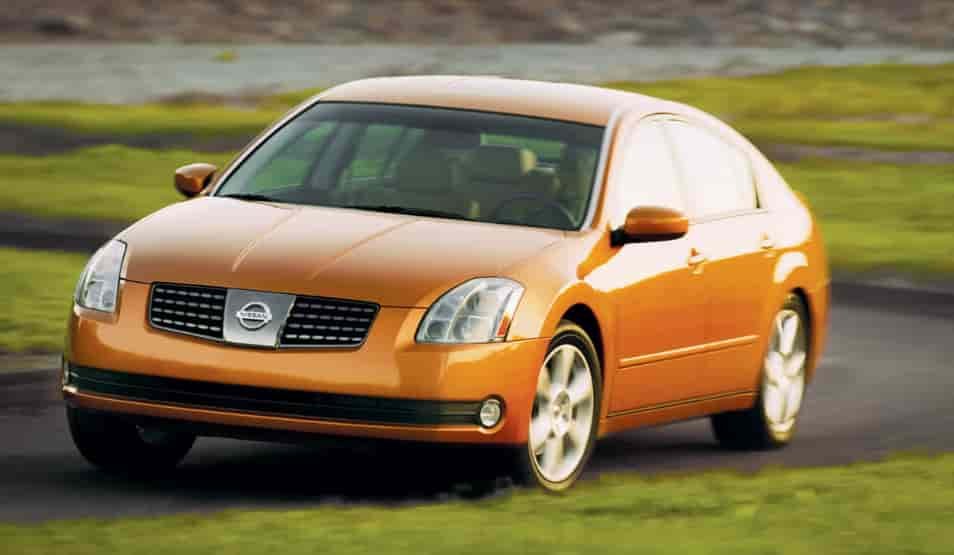
The Nissan Maxima has built a reputation as a sporty full size sedan that combines strong performance with everyday comfort. Many used car buyers see it as an appealing option because it offers premium features at a lower price than many competitors. However reliability varies significantly by model year. Some versions of the Maxima suffer from serious mechanical flaws that make ownership stressful and expensive. This is why identifying Nissan Maxima years to avoid matters before you commit to a purchase.
Several Maxima model years show consistent patterns of failure. Owners frequently report transmission breakdowns electrical malfunctions and premature wear on critical components. These issues often appear after the warranty expires. When that happens repair costs rise quickly and can exceed the market value of the car. For buyers on a budget this situation creates a major risk. What looks like a good deal can turn into a long term financial burden.
This article helps you avoid that outcome. It explains which Nissan Maxima years to avoid and outlines the exact problems that affect them. You will learn how these issues influence reliability maintenance expenses and long term ownership value. If you plan to buy a used Maxima or want to understand its weak points this guide will give you clear and practical insights based on real world ownership data and long term trends associated with vehicles from Nissan.
How We Identified Nissan Maxima Years to Avoid
To determine which Nissan Maxima years to avoid we relied on clear and measurable criteria. The goal was to identify patterns that repeat across owners not isolated incidents. This approach helps buyers understand long term risk instead of reacting to a single complaint or anecdote.
First we analyzed large volumes of owner reported problems from public complaint databases and automotive forums. These reports reveal how vehicles behave after years of real world use. When the same failure appears repeatedly in the same model year it signals a structural issue rather than poor maintenance. Transmission breakdowns electrical faults and cooling system failures ranked as the most common complaints.
Next we examined recall history and technical service bulletins. Frequent recalls or repeated manufacturer updates often indicate design weaknesses. Model years with unresolved recalls or complex fixes scored poorly in reliability. We also considered how often problems returned after repairs since recurring failures increase ownership frustration and cost.
Repair cost and frequency played a major role in our evaluation. A problem becomes far more serious when it requires expensive labor or full component replacement. Transmission repairs and advanced electrical diagnostics often push total costs beyond what many used car owners expect. These expenses heavily affect long term ownership value.
Finally we looked at durability beyond 100000 miles. Vehicles that struggle to reach higher mileage without major repairs rank among the worst years to buy used. By combining complaint data repair trends recall records and longevity expectations we identified the Nissan Maxima years that pose the highest risk for used car buyers.
Nissan Maxima Years to Avoid
Not all Nissan Maxima model years deliver the same ownership experience. Certain versions stand out for the wrong reasons due to recurring mechanical failures and high repair costs. These years show consistent problem patterns that make them risky choices on the used car market.
Nissan Maxima 2004 to 2006
The 2004 to 2006 Nissan Maxima models rank among the most problematic. Owners frequently report automatic transmission failures that appear without warning. Shifting issues slipping gears and sudden loss of power remain common complaints. In many cases the transmission fails completely before reaching high mileage.
Engine related problems also affect these years. Cooling system issues often lead to overheating which places stress on internal components. Electrical faults add another layer of frustration with dashboard warning lights and sensor failures appearing regularly. Repair costs rise quickly and often exceed the resale value of the vehicle. For many owners this turns routine ownership into a financial burden.
Nissan Maxima 2007 to 2009
The 2007 to 2009 Maxima introduced early versions of Nissan CVT technology. While the design aimed to improve fuel efficiency it created new reliability concerns. Many owners experience hesitation jerking and delayed acceleration during normal driving. These symptoms usually signal early CVT wear.
Long term durability remains a major issue. CVT failures often occur before 120000 miles which is well below expectations for a full size sedan. Replacement costs are high and few affordable repair options exist. Buyers who choose these model years face a significant risk of expensive transmission work.
Nissan Maxima 2010 to 2012
Reliability problems intensify in the 2010 to 2012 Maxima. CVT overheating appears frequently especially during highway driving or warm weather. Once overheating begins the transmission may enter fail safe mode or lose power entirely.
Many owners report recurring repairs that do not fully resolve the issue. This creates frustration and repeated service visits. Among all generations these years carry some of the highest long term transmission failure rates. For used car shoppers they represent one of the most expensive ownership risks.
Nissan Maxima 2016
The 2016 Maxima brought a modern design and advanced technology. Unfortunately reliability did not improve at the same pace. Electrical and infotainment problems dominate owner complaints. Touchscreen failures camera malfunctions and sensor errors appear far too often.
While the engine performs well the supporting systems undermine overall dependability. Diagnosing electrical issues takes time and specialized labor which increases repair costs. Buyers who prioritize reliability over features should approach this model year with caution.
Common Problems That Make These Nissan Maxima Years Risky
The Nissan Maxima years to avoid share a clear pattern of recurring problems that directly affect reliability and long term ownership costs. These issues do not appear as isolated defects. They develop gradually and often worsen over time, especially once the vehicle passes higher mileage milestones. For used car buyers, this creates a situation where early warning signs may seem minor but later turn into expensive and unavoidable repairs.
Transmission failure remains the most serious and expensive concern. Many problematic Maxima model years rely on continuously variable transmission systems that struggle under real world driving conditions. Drivers commonly experience delayed acceleration, slipping, overheating, or sudden loss of power. These symptoms usually indicate internal wear that cannot be reversed. Unlike traditional automatic transmissions, CVT units rarely allow partial repairs. In most cases, owners must replace the entire transmission. The cost of replacement often reaches several thousand dollars, which makes these Nissan Maxima years to avoid especially risky for budget focused buyers.
Electrical and infotainment problems further reduce dependability. Owners frequently report malfunctioning displays, random warning lights, failing cameras, and sensor errors. These problems tend to appear together rather than as single faults. A minor electrical issue can trigger multiple system alerts, making diagnostics time consuming and expensive. Because modern Maxima models rely heavily on electronic systems, even small failures can disrupt daily driving and increase repair frequency.
Engine reliability also suffers when cooling and lubrication systems fail to perform consistently. Several Nissan Maxima years show repeated reports of overheating caused by radiator leaks, thermostat failures, or water pump issues. Prolonged overheating places stress on engine components and shortens engine life. Excessive oil consumption adds another layer of concern by increasing maintenance demands and accelerating internal wear. When engine issues combine with transmission or electrical failures, overall ownership risk rises sharply for vehicles produced by Nissan.
Reliability Comparison and Costly Repairs
When comparing reliability across different Nissan Maxima model years, a clear gap emerges between problematic versions and more dependable ones. The Nissan Maxima years to avoid consistently show higher repair frequency and shorter component lifespan. Owners of these models often face major repairs long before reaching mileage levels that full size sedans typically achieve without difficulty. This reliability gap plays a critical role in long term ownership satisfaction.
Problematic Maxima years suffer from weak transmission durability, unstable electronic systems, and cooling related engine stress. In contrast, better years show improved software calibration, stronger supporting components, and fewer recurring complaints. Even small design changes can dramatically affect long term performance. Buyers who ignore these differences often pay the price through repeated service visits and unexpected breakdowns.
Repair costs highlight the true impact of poor reliability. Transmission replacement remains the most expensive and common repair for high risk Maxima years. Costs frequently range from several thousand dollars and may rise further when labor and diagnostic fees apply. Electrical repairs also add up quickly. Diagnosing sensor failures or infotainment malfunctions requires specialized tools and extended labor time. These expenses accumulate over ownership and erode any initial savings from buying a cheaper used vehicle.
Maintenance costs rise sharply as mileage increases. Owners of unreliable Maxima years often report spending more on repairs than routine upkeep. As vehicles age, the gap between market value and repair cost widens. At that point, owners face difficult decisions about whether continued investment makes sense. This financial imbalance explains why certain Nissan Maxima years to avoid earn such poor long term reliability reputations among drivers and mechanics alike.
Buying Tips and Final Conclusion
Choosing the right Nissan Maxima requires careful evaluation, especially when shopping in the used car market. Knowing the Nissan Maxima years to avoid gives buyers a strong advantage, but smart purchasing habits matter just as much. A thorough test drive should always come first. Pay close attention to acceleration, gear response, and engine temperature. Hesitation, vibration, or warning lights often signal deeper problems that may not appear in a short inspection.
Service history plays a critical role in reducing risk. Vehicles with complete maintenance records offer more transparency and fewer surprises. Regular transmission servicing, cooling system repairs, and documented recalls suggest responsible ownership. In contrast, missing records often indicate neglected maintenance or unresolved issues. A professional pre purchase inspection adds another layer of protection. Experienced technicians can identify early signs of CVT wear, electrical faults, or cooling system failures before they turn into costly repairs.
Budget planning remains essential. Buyers should factor potential repair costs into the total purchase price rather than focusing only on upfront savings. Some Nissan Maxima years appear affordable at first but demand significant investment later. When repair costs approach or exceed the vehicle’s market value, ownership quickly loses its appeal. For buyers who prioritize long term dependability, avoiding high risk model years often proves the wiser choice.
In conclusion, the Nissan Maxima offers comfort and performance, but reliability varies sharply by model year. The Nissan Maxima years to avoid stand out due to recurring transmission failures, electrical problems, and high repair expenses. By understanding these risks and applying careful buying strategies, shoppers can avoid expensive mistakes and make informed decisions when considering used vehicles from Nissan.