Buying a used SUV is often a balance between price, reliability, and long term ownership costs. This is especially true for the Nissan Pathfinder, a model that has gone through major mechanical changes across different generations. While the Pathfinder has built a reputation as a capable family SUV, not every model year delivers the same level of reliability. Some years are known for costly mechanical failures that can turn an affordable purchase into a financial burden.
This is why understanding the Nissan Pathfinder Years to Avoid is critical before making a buying decision. Many used car buyers focus only on mileage or exterior condition, but overlook generation specific problems that are far more expensive to fix. Transmission failures, cooling system defects, and early CVT issues have affected certain Pathfinder generations more than others, leading to high repair bills and poor long term value.
In this guide, we break down Nissan Pathfinder reliability by generation rather than looking at isolated model years. This approach provides a clearer picture of which versions carry higher risk and which ones remain solid choices in the used market. You will learn which years to avoid, why those problems occur, and which Pathfinder models are more reliable alternatives. If your goal is to avoid regret after purchase, this breakdown will help you make a smarter and more informed decision.
Nissan Pathfinder Generations Overview
To accurately identify the Nissan Pathfinder years to avoid, it is essential to understand how the model has evolved over time. The Pathfinder has undergone several major redesigns, and each generation introduced different platforms, engines, and transmission technologies. These changes directly impact reliability and long term ownership costs.
The earliest Pathfinder generations were built as body on frame SUVs with a strong focus on durability and off road capability. These models relied on traditional automatic transmissions and simpler mechanical systems, which generally aged better over time. As consumer demand shifted toward comfort and fuel efficiency, later generations moved to unibody construction and more complex powertrains.
One of the most important turning points in Pathfinder reliability occurred when Nissan introduced new cooling system designs and later adopted continuously variable transmissions. While these changes improved driving comfort and fuel economy, they also introduced new failure points that affected certain model years more severely than others. As a result, reliability differences between generations became more pronounced.
Analyzing reliability at the generation level provides more meaningful insight than judging a single model year in isolation. Problems such as transmission contamination, premature CVT failure, and electronic issues tend to affect entire production runs rather than isolated vehicles. By breaking down the Pathfinder by generation, buyers can better understand which years carry higher risk and which ones are safer long term choices in the used SUV market.
First Generation Nissan Pathfinder (1987–1995)
The first generation Nissan Pathfinder focused on strength and simplicity. Nissan designed these early models as rugged SUVs with strong off road capability. Engineers prioritized durability over comfort, which influenced long term reliability in a positive way. Because of this design philosophy, this generation does not fall clearly into the Nissan Pathfinder years to avoid category.
These models used straightforward engines and traditional automatic or manual transmissions. Drivers benefit from fewer complex components that often fail in newer vehicles. When owners maintain these systems properly, major mechanical breakdowns remain relatively uncommon. This mechanical simplicity explains why many first generation Pathfinders still run today.
However, age creates unavoidable challenges. Rubber seals wear out, suspension components loosen, and cooling systems degrade over time. Rust also becomes a serious concern, especially in regions with harsh winters or coastal climates. Electrical issues can appear as wiring insulation breaks down after decades of use. These problems result from time and mileage rather than flawed engineering.
For modern buyers, practicality presents the biggest limitation. These SUVs lack modern safety features, deliver poor fuel efficiency, and require frequent maintenance attention. Parts availability can also create delays and added costs. While enthusiasts may appreciate their toughness, most used car shoppers will find newer generations more suitable for daily driving needs.
Second Generation Nissan Pathfinder (1996–2004)
The second generation Nissan Pathfinder marked a noticeable shift toward improved comfort and on road refinement while still maintaining a relatively rugged design. Compared to the first generation, these models benefited from better interior quality, updated safety features, and more refined suspension tuning. From a reliability perspective, this generation sits in the middle and is not automatically included in the Nissan Pathfinder years to avoid.
Most models from this era used conventional automatic transmissions and naturally aspirated V6 engines. These powertrains are generally regarded as dependable when properly maintained. Major mechanical failures are less common than in later generations, especially those affected by transmission design flaws. However, reliability can vary depending on maintenance history and driving conditions.
Common issues reported by owners include worn timing components, suspension bushings, and aging cooling systems. Some models may also experience engine oil consumption at higher mileage, as well as sensor related problems that can trigger warning lights. While these repairs can be inconvenient, they are typically manageable and less financially devastating than full transmission replacements.
For used car buyers, the main consideration with this generation is age rather than design failure. Many examples on the market have accumulated significant mileage, which increases the likelihood of deferred maintenance. These models can still be solid choices for buyers who find well maintained units with documented service records. While not perfect, the second generation Pathfinder generally avoids the severe reliability issues that define the worst years in later generations.
Third Generation Nissan Pathfinder (2005–2012)
The third generation Nissan Pathfinder marks a major turning point in overall reliability. This generation includes some of the most problematic models and plays a central role in identifying the Nissan Pathfinder years to avoid. Nissan redesigned the vehicle with a larger body and more power, but several engineering decisions created serious long term issues.
One of the most common and costly problems involves the cooling system. Many models from this generation suffer from radiator failures that allow coolant to mix with transmission fluid. When this happens, the transmission quickly deteriorates and often fails completely. Owners frequently report sudden shifting issues, loss of power, and total transmission failure with little warning.
Repair costs for these failures are high. A full transmission replacement can cost more than the vehicle’s market value, especially on older high mileage examples. This risk alone makes several model years in this generation poor choices for used buyers. Even vehicles that appear well maintained may carry hidden damage if the radiator problem went undetected.
Owner complaints also point to suspension wear, electrical faults, and premature component failure. While not every model year experiences the same level of risk, the overall reliability record remains inconsistent. For buyers seeking a dependable used SUV, this generation requires extreme caution. Many experts and long term owners agree that several third generation Pathfinders belong firmly on the avoid list.
Fourth Generation Nissan Pathfinder (2013–2020)
The fourth generation Nissan Pathfinder introduced the most controversial change in the model’s history. Nissan replaced the traditional automatic transmission with a continuously variable transmission. This decision significantly affected reliability and reshaped the Nissan Pathfinder years to avoid list for used car buyers.
Early models in this generation suffer from widespread CVT problems. Many owners report shuddering, delayed acceleration, overheating, and complete transmission failure. These issues often appear at relatively low mileage, even when drivers follow regular maintenance schedules. Once CVT failure begins, repair options remain limited and expensive.
Replacement costs create a major financial risk. In many cases, the cost of installing a new CVT exceeds the resale value of the vehicle. This makes early fourth generation Pathfinders especially poor choices for long term ownership. Depreciation also accelerates because informed buyers avoid these models in the used market.
Nissan made gradual improvements to CVT design in later years, which reduced but did not eliminate reliability concerns. Complaint volume decreased over time, yet long term durability remains uncertain compared to models with conventional transmissions. For budget conscious buyers, this generation requires careful year selection. Several early production years clearly belong on the avoid list due to high failure rates and ownership cost risks.
Fifth Generation Nissan Pathfinder (2022–Present)
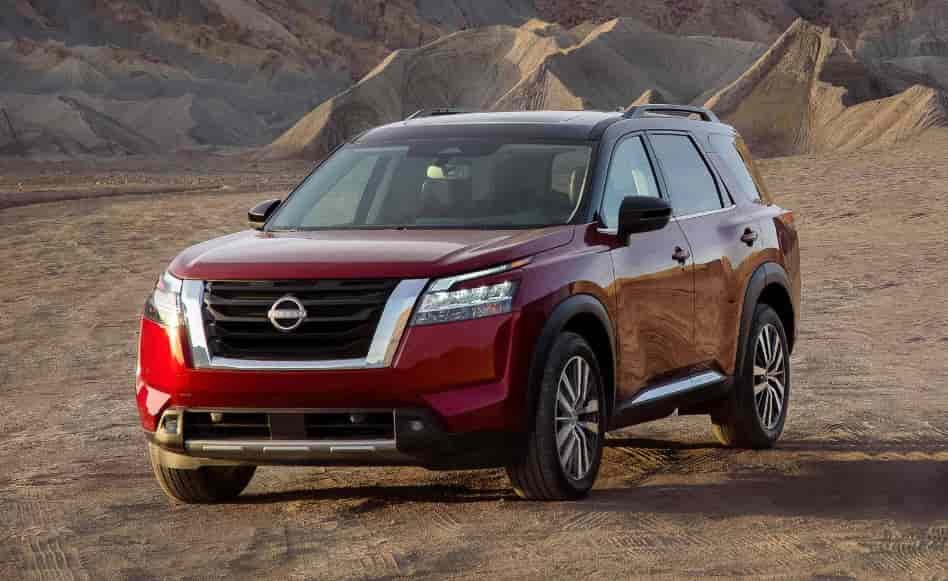
The fifth generation Nissan Pathfinder represents a clear attempt to correct past reliability concerns. Nissan abandoned the CVT and returned to a traditional automatic transmission. This change alone significantly improves buyer confidence and removes one of the biggest risks seen in earlier years.
From a mechanical standpoint, this generation shows promising early results. The transmission delivers more predictable performance, and owners report smoother acceleration and better durability. Nissan also refined interior quality, safety systems, and overall driving dynamics. These updates place the fifth generation outside the core Nissan Pathfinder years to avoid category.
However, buyers should still approach with realistic expectations. This generation remains relatively new, which limits long term reliability data. Serious issues may take years to surface, especially once vehicles accumulate higher mileage. Early reliability looks positive, but it does not yet match the proven track record of older non CVT models.
For used buyers, this generation offers the lowest risk among recent Pathfinders. Prices remain higher due to age and demand, but ownership costs appear more predictable. While it is too early to label these models as flawless, current evidence suggests they do not belong on any avoid list. Buyers focused on long term reliability will likely find this generation the safest modern option.
Nissan Pathfinder Years to Avoid Summary Table
The table below provides a clear overview of the Nissan Pathfinder years to avoid based on generation level reliability, common mechanical problems, and long term ownership risk. This summary helps buyers quickly identify high risk models before making a used car decision.
| Model Year Range | Generation | Main Problems | Risk Level | Buy or Avoid |
|---|---|---|---|---|
| 1987–1995 | First Generation | Age related wear, rust, outdated safety | Medium | Avoid for daily use |
| 1996–2004 | Second Generation | Suspension wear, oil consumption, aging systems | Low to Medium | Buy with inspection |
| 2005–2010 | Third Generation | Radiator failure, transmission damage | High | Avoid |
| 2011–2012 | Third Generation | Reduced but present transmission risk | Medium | Buy cautiously |
| 2013–2015 | Fourth Generation | Early CVT failure, overheating | High | Avoid |
| 2016–2020 | Fourth Generation | Improved CVT but durability concerns | Medium | Buy cautiously |
| 2022–Present | Fifth Generation | Limited long term data | Low | Buy |
This breakdown highlights a clear pattern. The highest risk years cluster around specific engineering decisions rather than random defects. Transmission related failures define the most problematic generations and create the greatest financial risk for used buyers. Later redesigns address many of these issues, but careful year selection remains essential.
Conclusion
Understanding the Nissan Pathfinder years to avoid can save buyers from costly mistakes and long term frustration. While the Pathfinder name carries a strong reputation, reliability varies greatly depending on generation and engineering choices. Focusing only on price or mileage often leads buyers to overlook deeper mechanical risks that impact ownership costs.
The most problematic years share a common pattern. Design decisions involving cooling systems and transmission technology created widespread failures that continue to affect used vehicles today. Third generation models with radiator related transmission damage and early fourth generation models with CVT issues represent the highest risk. These years often require repairs that exceed the vehicle’s value, making them poor choices for budget conscious buyers.
Not every Pathfinder deserves avoidance. Earlier generations offer mechanical simplicity, while the latest generation shows clear improvements by returning to a traditional automatic transmission. Buyers who research by generation rather than model year alone gain a major advantage in the used market.
A reliable used SUV purchase depends on informed decision making. Taking the time to identify high risk years, verifying maintenance records, and understanding common failure points can prevent regret after purchase. If you are considering a used Pathfinder, knowing which years to avoid is just as important as knowing which ones to buy.