
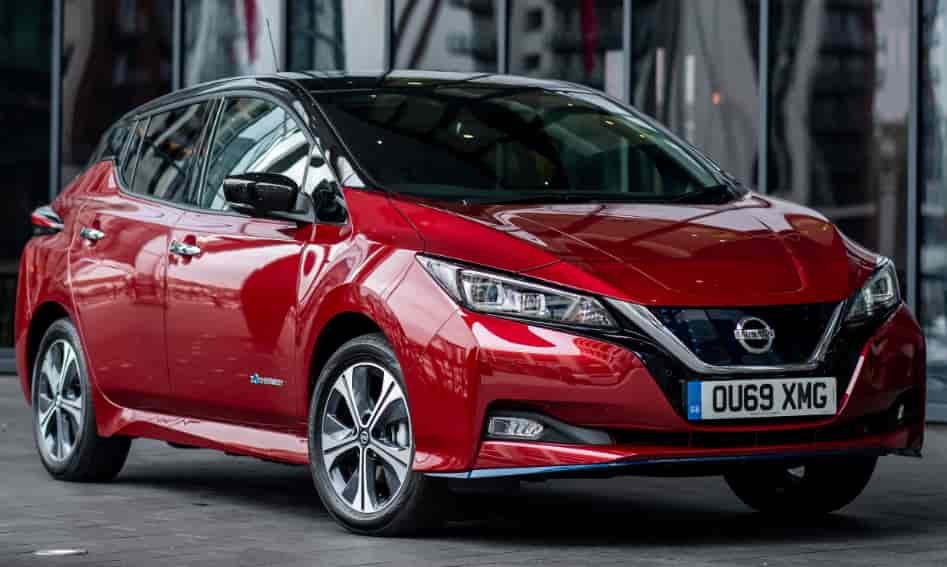
The Nissan Leaf remains one of the most recognizable electric vehicles on the used car market. As one of the first mass market EVs, it introduced electric driving to a wide range of consumers. Today, many buyers notice its low resale price and see it as an affordable entry point into electric ownership. This price advantage, however, often hides important risks.
Different Nissan Leaf model years deliver very different ownership experiences. Some years suffer from rapid battery degradation, short real world driving range, and outdated technology. These problems reduce daily usability and long term value. Buyers who focus only on price often overlook these issues until ownership costs begin to rise.
Battery condition plays a central role when evaluating a used Nissan Leaf. Mileage alone does not reflect the true health of an electric vehicle. Early design decisions, especially the lack of active battery cooling, caused certain Leaf model years to age faster than others. Heat exposure accelerates this process and makes the problem worse in warm climates.
This guide focuses on Nissan Leaf years to avoid and explains the common problems linked to those models. It also highlights clear buyer warnings that can prevent costly mistakes. By understanding these risks in advance, buyers can decide whether a used Nissan Leaf truly fits their needs instead of relying on price alone.
Why Some Nissan Leaf Model Years Are Problematic
Some Nissan Leaf model years developed serious problems because of how the vehicle was engineered from the beginning. The most critical factor is battery design. Unlike many newer electric vehicles, the Nissan Leaf relies on a passive air cooled battery system. This design choice limits the battery’s ability to regulate temperature during charging and daily driving.
Heat is one of the biggest enemies of lithium ion batteries. When a battery operates in high temperatures for long periods, chemical degradation accelerates. In many early Nissan Leaf models, this process occurs faster than expected. Owners often notice a steady loss of driving range even with careful use. In hot climates, the problem becomes more severe and appears much earlier in the vehicle’s life.
Another issue involves early battery chemistry. Nissan used older battery formulations in the first generation of the Leaf. These batteries lacked the durability seen in later electric vehicles. As a result, some model years lost a significant portion of their original capacity within only a few years. This loss directly affects daily usability and charging frequency.
Technology limitations also contribute to the problem. Early Leaf models offer slow charging speeds and limited range by modern standards. What once felt acceptable now creates range anxiety for many drivers. These combined factors explain why certain Nissan Leaf years perform poorly in long term ownership and deserve closer inspection before purchase.
Nissan Leaf Years to Avoid
Certain Nissan Leaf model years consistently show patterns of poor long term performance. These issues do not affect every vehicle equally, but they appear often enough to create clear buyer risk. Understanding these years helps used car shoppers avoid unexpected costs and daily driving frustration.
2011 and 2012 Nissan Leaf
The 2011 and 2012 Nissan Leaf models rank among the most problematic years. Nissan equipped these early vehicles with first generation battery technology that lacks durability. Many owners report rapid battery capacity loss within a few years of ownership. In some cases, the usable driving range drops to a level that no longer supports basic commuting needs.
These models also suffer from limited original range even when new. As the battery degrades, frequent charging becomes unavoidable. Buyers who choose these years often face range anxiety and poor resale value. Even at very low prices, these models rarely make financial sense due to battery replacement costs.
2013 to 2015 Nissan Leaf
Nissan introduced small improvements between 2013 and 2015, but major battery issues remained. Many vehicles from this period still experience noticeable capacity loss, especially in warm climates. Owners often see a reduction of twenty percent or more in real world range over time.
These model years also lack modern charging speeds and updated efficiency. While they cost less than newer Leafs, the trade off often includes limited daily usability. Buyers who expect consistent range and long term reliability should approach these years with caution.
2016 Nissan Leaf Base Models
Some 2016 base trim models continue to use older battery configurations. These vehicles show better results than earlier years but still fall short of modern expectations. The limited range creates problems for drivers who rely on highway travel or longer daily trips.
For buyers seeking a dependable used electric vehicle, these models often fail to deliver enough improvement over earlier years. The price difference rarely justifies the compromises.
Common Problems Found in Nissan Leaf Years to Avoid
The most common problem across Nissan Leaf years to avoid is battery degradation. Many affected models lose usable capacity much faster than buyers expect. This loss reduces driving range and forces more frequent charging. Over time, daily trips that once felt easy become inconvenient or stressful.
Limited real world range creates another major issue. Early Nissan Leaf models already started with modest range figures. As the battery degrades, that range often drops below practical levels for modern driving needs. Highway travel, cold weather, and heavy air conditioning use further reduce efficiency. Drivers may find themselves planning every trip around charging availability.
Charging limitations also affect these model years. Many older Leafs support slower charging speeds and lack compatibility with newer fast charging standards. This increases charging time and reduces flexibility. For buyers who rely on public charging, this limitation quickly becomes frustrating.
Outdated technology compounds the problem. Infotainment systems feel slow and lack features that many drivers now expect. Driver assistance options remain minimal or unavailable. While these issues may seem minor, they lower overall ownership satisfaction and resale appeal.
Cost of ownership represents the final warning sign. Battery replacement costs often exceed the vehicle’s market value. Even minor repairs can feel unjustified given the car’s declining performance. These combined problems explain why certain Nissan Leaf years carry higher risk for used car buyers.
Buyer Warnings Before Purchasing a Used Nissan Leaf
Buyers should never evaluate a used Nissan Leaf based on price alone. Battery health matters more than mileage, appearance, or trim level. Before making a purchase, always check the battery capacity indicator. A reduced number of capacity bars signals permanent range loss that no repair can reverse.
Climate history also plays a critical role. Leafs that operated in hot regions tend to show faster battery degradation. Even if the car looks well maintained, prolonged heat exposure can significantly reduce usable range. Buyers should ask where the vehicle spent most of its life and how it was charged.
Warranty coverage deserves close attention. Many older Leaf models no longer qualify for battery warranty protection. Without coverage, any major battery issue becomes the buyer’s responsibility. Replacement costs often exceed the value of the vehicle itself, making the purchase financially risky.
Charging needs require honest evaluation. Older Leaf models struggle with long commutes, highway driving, or inconsistent charging access. Buyers who rely on public chargers or need flexible range often feel disappointed after purchase. A cheap entry price does not compensate for daily inconvenience.
The most important warning is simple. A used Nissan Leaf only makes sense when battery condition, driving needs, and expectations align. Buyers who ignore these factors often regret the decision within months.
Are There Better Nissan Leaf Years to Buy Instead?
While some Nissan Leaf years deserve caution, others offer a noticeably better ownership experience. Later model years benefit from improved battery chemistry, better efficiency, and more usable driving range. These improvements reduce many of the problems found in earlier versions.
Newer Leafs provide stronger real world range that better matches modern commuting needs. Drivers spend less time charging and experience less range anxiety. Battery degradation still occurs, but at a slower and more predictable pace. This stability improves long term usability and resale value.
Technology upgrades also play an important role. Later models include better infotainment systems, improved driver assistance features, and more refined driving dynamics. These changes make daily driving more comfortable and align the Leaf with current expectations for electric vehicles.
Buyers should focus on balance rather than price alone. Paying slightly more for a newer model year often reduces risk and improves satisfaction. Choosing the right year matters just as much as choosing the right car.
Conclusion
The Nissan Leaf remains an important vehicle in the history of electric mobility, but not every model year offers a smart purchase opportunity. Certain Nissan Leaf years to avoid share clear patterns of battery degradation, limited driving range, and rising ownership costs. These problems often outweigh the benefit of a low purchase price.
Understanding battery health and design limitations helps buyers avoid costly mistakes. Early model years suffer the most due to outdated battery chemistry and passive cooling systems. As the battery degrades, daily usability declines and charging demands increase. For many owners, this reality becomes frustrating within a short period of time.
A used Nissan Leaf can still make sense under the right conditions. Buyers who choose newer model years, verify battery condition, and match the car to realistic driving needs often report positive experiences. Informed decisions lead to better value and fewer surprises.
Before buying any used electric vehicle, knowledge matters more than appearance or price. By knowing which Nissan Leaf years to avoid, buyers protect both their budget and their daily driving comfort.