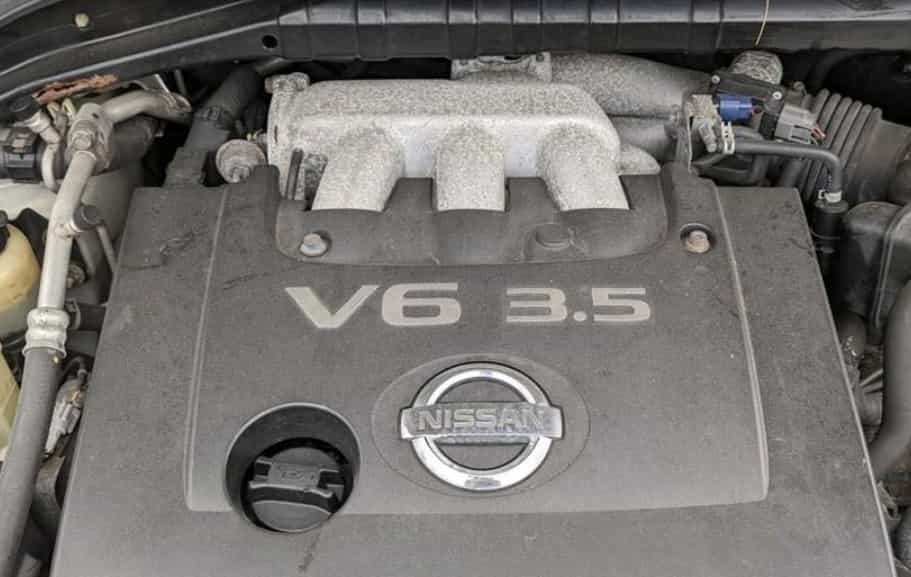
The Nissan 3.5 liter V6 engine is known as the VQ35DE and VQ35HR. Nissan and Infiniti use this engine in many models. These include the Altima, Maxima, Murano, Pathfinder, and 350Z. The engine has a strong reputation for smooth power and reliable performance when owners maintain it properly.
Many drivers search for 3.5 Nissan engine problems because they want to understand long term reliability. Some issues appear as the engine ages. Other problems come from poor maintenance or high mileage use. Not every engine develops these issues, but they show up often enough to matter.
Common problems include oil consumption, timing chain wear, ignition coil failure, sensor issues, and cooling system wear. These problems can affect performance and increase repair costs if drivers ignore early warning signs. Regular maintenance reduces the risk, but older engines still face natural wear.
This guide explains the 10 most common 3.5 Nissan engine problems. Each section shows clear symptoms, main causes, and practical solutions. The goal is to help drivers and buyers understand how these engines behave over time. It also helps reduce repair risks and improve long term reliability.
Overview of the Nissan 3.5L V6 Engine VQ35 Series
The Nissan VQ35 engine is a 3.5 liter V6 powertrain. Nissan developed it under the VQ engine family. It includes two main versions called VQ35DE and VQ35HR. Both versions use a DOHC aluminum design. They focus on a balance between performance and efficiency.
Nissan launched this engine in the early 2000s. It quickly became one of the most common V6 engines in the brand lineup. Engineers used it in both everyday cars and performance models. This wide usage shows its flexibility and strong engineering base.
The VQ35DE delivers smooth power and strong mid range torque. The VQ35HR improves airflow and increases high rpm performance. It also adds better internal components for durability. Both versions support a rear wheel drive and front wheel drive layout depending on the vehicle.
Drivers value this engine for its responsiveness and strong acceleration. It also works well with automatic and manual transmissions. However, the engine needs consistent maintenance to keep long term reliability. Heat management and oil quality play an important role in engine lifespan.
The VQ35 series became a core part of Nissan and Infiniti engineering. It powers both family vehicles and sports cars. This makes it one of the most important V6 engines in Nissan history.
Is the Nissan 3.5 Engine Reliable?
The Nissan 3.5 liter V6 engine has a mixed but generally positive reliability record. Many owners report long service life when they follow proper maintenance schedules. Some engines last well beyond 200,000 miles without major internal failure.
The engine performs well in daily driving. It delivers stable power and smooth acceleration. Nissan designed it with a strong aluminum block and a proven V6 layout. This gives it good durability under normal conditions.
However, reliability depends heavily on maintenance quality. Engines that receive regular oil changes and cooling system care tend to perform much better. Engines with neglected maintenance often develop early wear issues.
The VQ35 series also has some known weak points. Oil consumption can increase in higher mileage engines. Timing chain components may wear over time. Some sensors and ignition coils also fail due to heat exposure.
Despite these issues, the engine remains competitive compared to other V6 engines from the same era. It offers a strong balance between performance and longevity. Buyers should still inspect service history carefully before purchasing a used vehicle with this engine.
Timing Chain Wear and Tensioner Failure
Timing chain wear is one of the most serious 3.5 Nissan engine problems. The timing chain controls the engine timing between the crankshaft and camshaft. When it wears out, engine performance drops quickly.
Drivers often notice a rattling noise during startup or acceleration. The engine may also misfire or run roughly. In some cases, the check engine light turns on. These symptoms usually appear in high mileage engines or engines with poor oil maintenance.
Heat and oil degradation are the main causes of timing chain wear. Dirty oil reduces lubrication. This increases friction inside the timing system. Over time, the chain stretches and the tensioner weakens.
If drivers ignore this problem, the engine timing can become unstable. This leads to poor performance and possible engine damage. In severe cases, the engine may fail completely.
The best solution is early diagnosis and replacement of worn components. Mechanics often replace the timing chain, guides, and tensioners together. Regular oil changes also help extend the life of the timing system. High quality synthetic oil reduces wear and improves long term reliability.
Excessive Oil Consumption
Excessive oil consumption is a common issue in the Nissan 3.5 engine. Some engines burn more oil than expected, especially at higher mileage. Drivers often notice that the oil level drops faster between oil changes.
One clear symptom is the need to add oil frequently. Some vehicles may also produce light blue smoke from the exhaust. Engine noise can increase when oil levels become too low. If ignored, low oil can damage internal engine parts.
This problem usually comes from worn piston rings or valve seals. In some cases, the PCV system does not work properly. These issues allow oil to enter the combustion chamber and burn during operation. Heat and long term wear make the problem worse over time.
Driving conditions also affect oil usage. High speed driving and long distance use increase oil burn rates. Poor maintenance makes the situation even worse.
The best solution is regular oil checks and timely maintenance. Replacing the PCV valve can reduce oil loss in many cases. Severe wear may require engine repair or rebuild. Using high quality synthetic oil also helps reduce long term consumption.
Valve Cover Gasket Oil Leaks
Valve cover gasket leaks are another common 3.5 Nissan engine problem. The valve cover gasket seals the top of the engine. It prevents oil from leaking outside the engine block.
Over time, this gasket becomes hard and brittle. Heat cycles cause gradual wear. When the seal fails, oil starts to leak from the engine top area. Drivers often notice a burning oil smell during driving. In some cases, oil becomes visible around the engine cover.
This issue usually develops in higher mileage vehicles. Poor maintenance and long service intervals increase the risk. Engine heat also speeds up gasket deterioration.
If the leak continues, oil can drip onto hot engine parts. This creates smoke and increases fire risk in extreme cases. It can also reduce oil levels and affect engine lubrication.
The solution is straightforward in most cases. Mechanics replace the valve cover gasket and clean the surrounding area. Early repair prevents further oil loss and protects engine components. Regular inspections help detect leaks before they become serious.
Ignition Coil Failure
Ignition coil failure is a frequent issue in the Nissan 3.5 engine. The ignition coil supplies voltage to the spark plugs. This process allows proper combustion inside the engine cylinders.
When a coil fails, the engine misfires. Drivers often feel rough idling and weak acceleration. The check engine light may also turn on. In some cases, the engine shakes during startup or driving.
Heat is the main cause of ignition coil wear. High mileage also increases failure risk. Over time, internal coil insulation breaks down. This reduces spark strength and affects engine performance.
Poor fuel quality and old spark plugs can make the problem worse. A weak spark puts extra stress on the ignition system. This leads to faster coil degradation.
The solution is simple. Mechanics replace the faulty ignition coil and often change spark plugs at the same time. This restores proper combustion and improves engine smoothness. Regular maintenance helps prevent early ignition system failure.
Camshaft Position Sensor Failure
Camshaft position sensor failure is another known 3.5 Nissan engine problem. The camshaft sensor tracks the position and speed of the camshaft. The engine control unit uses this data to manage fuel injection and ignition timing.
When the sensor starts to fail, the engine loses accurate timing information. Drivers may notice hard starting or long crank times. The engine can also stall while driving or idle roughly. In some cases, the check engine light appears with fault codes related to camshaft timing.
Heat and long term electrical wear are the main causes of sensor failure. Oil contamination can also damage the sensor connector. Over time, the internal components degrade and send incorrect signals to the ECU.
This problem can affect fuel efficiency and engine stability. In severe cases, the engine may enter limp mode to protect itself. Performance drops significantly during this condition.
The solution is sensor replacement. Mechanics usually diagnose the issue using an OBD scanner before replacing the camshaft position sensor. Cleaning the connector may help in minor cases, but replacement is often required for full repair. Regular engine maintenance and oil leak prevention help reduce the risk of sensor damage.
Crankshaft Position Sensor Problems
Crankshaft position sensor problems are common in the Nissan 3.5 engine. This sensor monitors the crankshaft rotation speed and position. The engine control unit uses this data to control ignition timing and fuel delivery.
When the sensor fails, the engine often behaves unpredictably. One common symptom is a no start condition. The engine may crank but not fire. In other cases, the engine can shut off suddenly while driving. Some drivers also notice intermittent stalling or hesitation during acceleration.
Heat exposure is a major cause of crankshaft sensor failure. Long term engine vibration also affects sensor stability. Over time, internal electronics weaken and stop sending accurate signals. Oil leaks near the sensor area can also cause contamination and failure.
This issue can leave the vehicle completely inoperable. It often happens without much warning, which increases driver frustration and safety risk.
The solution is direct replacement of the crankshaft position sensor. A diagnostic scan helps confirm the fault before repair. In most cases, replacement restores normal engine operation immediately. Preventive maintenance such as fixing oil leaks and keeping the engine clean helps reduce sensor failure risk.
Cooling System Failures Overheating Issues
Cooling system failures are a serious concern in the Nissan 3.5 engine. The cooling system controls engine temperature and prevents overheating. It includes parts such as the radiator, water pump, thermostat, and coolant hoses.
When the system fails, engine temperature rises quickly. Drivers may notice the temperature gauge moving into the red zone. Coolant leaks under the vehicle are also common. In some cases, the heater stops working properly because coolant circulation is reduced.
Overheating often comes from a failing water pump or a stuck thermostat. Radiator leaks and clogged coolant passages can also cause temperature imbalance. Old coolant loses its ability to transfer heat, which increases risk over time.
If overheating continues, it can cause severe engine damage. Head gasket failure is a major risk. In extreme cases, the engine may warp or fail completely due to heat stress.
The solution depends on the root cause. Mechanics inspect the full cooling system before repair. They may replace the water pump, thermostat, or radiator. Regular coolant changes help prevent overheating and extend engine life. Drivers should act quickly when temperature warnings appear to avoid costly repairs.
Catalytic Converter Failure
Catalytic converter failure is a known 3.5 Nissan engine problem. The catalytic converter reduces harmful exhaust emissions. It converts gases like carbon monoxide into less harmful substances before they leave the exhaust system.
When the catalytic converter fails, the engine loses efficiency. Drivers often notice weak acceleration and reduced engine power. Fuel consumption also increases. In many cases, the check engine light turns on due to emission related fault codes.
This problem usually develops over time. One common cause is engine oil burning. When oil enters the exhaust system, it clogs the catalytic converter. Misfires and rich fuel mixtures also increase internal contamination. Heat damage can further break down the ceramic structure inside the converter.
If the converter becomes fully clogged, exhaust flow is restricted. This creates backpressure in the engine. Performance drops significantly and the engine may feel sluggish even at normal speeds.
The solution depends on the root cause. Mechanics often replace the catalytic converter if it is severely damaged. However, fixing the underlying engine issue is more important. Without repair, the new converter will fail again. Regular maintenance and early repair of oil or misfire issues help extend catalytic converter life.
Mass Air Flow MAF Sensor Issues
Mass Air Flow sensor issues are a common 3.5 Nissan engine problem. The MAF sensor measures the amount of air entering the engine. The engine control unit uses this data to calculate fuel injection. This process keeps the air fuel ratio balanced.
When the MAF sensor fails or becomes dirty, the engine receives incorrect air data. This leads to poor combustion and unstable performance. Drivers often notice hesitation during acceleration. The engine may also idle roughly or feel weak under load. Fuel consumption usually increases at the same time.
One major cause is dirt or oil contamination on the sensor. Air filters that are not replaced on time can allow dust into the intake system. Over time, this buildup affects sensor accuracy. Electrical wear and heat exposure can also damage the internal components of the MAF sensor.
If the problem continues, the engine may run too rich or too lean. This affects performance and can damage other components like spark plugs or the catalytic converter. The check engine light often appears with airflow related error codes.
The solution is usually simple. Cleaning the MAF sensor with proper cleaner can restore function in mild cases. If damage is severe, replacement is required. Regular air filter maintenance helps prevent this issue and improves long term engine reliability.
Engine Mount Wear and Vibration Issues
Engine mount wear is another common 3.5 Nissan engine problem. Engine mounts hold the engine in place and reduce vibration. They also help keep the engine stable during acceleration and idle.
When engine mounts wear out, vibration increases inside the cabin. Drivers often feel shaking when the vehicle is idling. Clunking noises may appear when shifting between drive and reverse. The engine can also feel less stable during acceleration.
Heat, age, and constant engine movement are the main causes of mount failure. Rubber inside the mounts breaks down over time. Fluid filled mounts can also leak and lose effectiveness. High mileage vehicles show this issue more frequently.
If the problem is ignored, driving comfort decreases significantly. Excess vibration can also affect other components connected to the engine. This includes exhaust parts and transmission mounts.
The solution is replacement of the worn engine mounts. Mechanics usually inspect all mounts and replace them as a set if needed. Regular inspection helps detect early wear and prevents excessive vibration over time.
Which Nissan Models Are Most Affected
The Nissan 3.5 liter V6 engine appears in many Nissan and Infiniti models. Some vehicles show more frequent 3.5 Nissan engine problems due to usage patterns, mileage, and maintenance history.
Common models include the Nissan Altima, Maxima, Murano, Pathfinder, and 350Z. Infiniti models such as the G35, FX35, and M35 also use this engine. These vehicles cover both family oriented cars and performance focused models.
SUVs like the Murano and Pathfinder often experience higher load conditions. This can increase wear on cooling systems and engine components. Sport models like the 350Z and G35 often face higher RPM usage, which can accelerate timing chain and oil related wear.
Reliability differences often depend more on maintenance than the model itself. Vehicles with consistent oil changes and proper cooling system care usually perform better. Poor maintenance history increases the chance of engine problems regardless of model.
Understanding which models use the VQ35 engine helps buyers assess risk more accurately. It also helps owners identify common issues linked to driving style and vehicle usage.
Common Model Years With Higher Risk Issues
Different generations of the Nissan 3.5 liter V6 engine show different reliability patterns. The VQ35DE and VQ35HR have improvements over time, but some model years still show higher risk of 3.5 Nissan engine problems.
Early VQ35DE engines, especially in older Nissan and Infiniti models, often show more oil consumption and sensor related issues. These engines also experience wear in timing chain components when maintenance is not consistent.
Mid generation updates improved internal design and reduced some early weaknesses. However, high mileage vehicles from this period can still develop ignition coil failures, gasket leaks, and cooling system wear.
The VQ35HR version introduced stronger internal components and better airflow design. This improved performance and durability. Even so, overheating and oil related issues can still occur if maintenance is neglected.
In general, model years with incomplete service records present the highest risk. Vehicles with regular oil changes, cooling system maintenance, and timely repairs usually perform much better over time.
For buyers, the safest approach is to evaluate maintenance history first, then consider model year improvements. This helps reduce the risk of unexpected engine issues and costly repairs.
Repair Costs Breakdown Estimated
Repair costs for 3.5 Nissan engine problems vary depending on the issue and vehicle condition. Some problems are minor and affordable, while others can become expensive if ignored for too long.
Timing chain replacement is one of the most costly repairs. It often requires significant labor because the engine must be partially disassembled. Oil leak repairs such as valve cover gasket replacement are more affordable and usually considered routine maintenance.
Ignition coil and sensor replacements are moderate in cost. These parts are easier to access and replace. However, multiple failures at the same time can increase total repair expenses.
Cooling system repairs depend on the failed component. A thermostat or hose replacement is relatively cheap. A water pump or radiator replacement costs more due to labor and parts complexity.
Catalytic converter replacement is among the most expensive repairs. It often happens when other engine issues are not fixed early. This makes preventive maintenance very important.
Overall repair costs increase significantly when drivers ignore early symptoms. Regular inspection and timely maintenance help reduce long term expenses and improve engine reliability.
Maintenance Tips to Prevent 3.5 Nissan Engine Problems
Proper maintenance plays the most important role in preventing 3.5 Nissan engine problems. Many common failures develop slowly over time and can be reduced with consistent care.
Regular oil changes help protect the engine from internal wear. Clean oil improves lubrication and reduces stress on timing components and sensors. Using high quality synthetic oil also improves long term engine stability.
Cooling system maintenance is another key factor. Drivers should check coolant levels and replace coolant at recommended intervals. A healthy cooling system prevents overheating and protects engine parts from heat damage.
Air and fuel system maintenance also matters. A clean air filter prevents dust from entering the intake system. A properly working PCV system helps control oil movement inside the engine. Spark plug replacement keeps combustion stable and efficient.
Driving habits also affect engine lifespan. Smooth acceleration and avoiding extreme нагрузки reduce engine stress. Allowing the engine to warm up properly also improves long term durability.
Consistent maintenance reduces repair costs and helps the Nissan 3.5 engine reach high mileage without major issues.
Should You Buy a Nissan with a 3.5 Engine
Buying a Nissan with a 3.5 liter V6 engine can be a good decision for many drivers. The engine delivers strong performance, smooth acceleration, and proven long term durability when properly maintained.
This engine works well for drivers who want a balance between power and daily usability. It also fits both family vehicles and performance oriented cars. Many models with this engine still perform well even at high mileage.
However, buyers should carefully inspect maintenance history before purchase. A poorly maintained engine may develop oil consumption, timing chain wear, or sensor related issues. These problems can become expensive if ignored.
A proper inspection should include checking for oil leaks, listening for engine noise, and reviewing service records. A test drive can also reveal misfires, vibration, or cooling system issues.
In general, a Nissan with a well maintained 3.5 engine is still a solid choice. The key factor is not the engine itself but how it was cared for over time. Careful selection reduces risk and improves long term ownership satisfaction.
Conclusion
The Nissan 3.5 liter V6 engine remains one of the most widely used and well known engines in Nissan and Infiniti vehicles. It offers strong performance, smooth driving behavior, and solid long term potential when owners follow proper maintenance routines.
However, like many high mileage engines, it can develop several 3.5 Nissan engine problems over time. The most common issues include timing chain wear, oil consumption, ignition coil failure, sensor malfunctions, cooling system problems, and catalytic converter damage. Most of these issues do not appear suddenly. They develop gradually and show early warning signs.
Understanding these symptoms helps drivers take action early. Simple maintenance steps such as regular oil changes, cooling system care, and air intake cleaning can significantly reduce the risk of major repairs. Ignoring early signs often leads to higher repair costs and reduced engine lifespan.
Overall, the VQ35 engine is still a reliable choice when properly maintained. It can easily reach high mileage without major failure if serviced correctly. For buyers and owners, the key is not only understanding the engine design but also paying attention to maintenance history and driving conditions.
A well maintained Nissan 3.5 engine remains a strong and dependable option in its class.