Have you ever started your Nissan Versa and heard a strange rattling sound? The noise may come from the engine, dashboard, or underneath your vehicle. It can make every drive feel stressful because you may not know what caused it.
If you are asking, “Why is my Nissan Versa making a rattling noise?” you are not alone. Many drivers experience unusual sounds as their vehicles age. Some causes are simple, such as a loose heat shield or a vibrating interior panel. Other causes may involve important parts like the engine, exhaust system, or suspension.
Finding the source of the noise is the first step toward solving the problem. Pay attention to when the rattle happens. Does it appear during startup, acceleration, idling, or driving over rough roads? These details can help identify the possible cause.
In this guide, you will learn about the 9 most common reasons behind a Nissan Versa rattling noise. We will explain the symptoms, possible repairs, and warning signs that you should not ignore. This information can help you understand the problem before it turns into a costly repair.
What Does A Rattling Noise From A Nissan Versa Mean?
A rattling noise from your Nissan Versa usually means that one or more parts are vibrating, moving, or wearing out. The sound can come from different areas of the vehicle. Finding the exact location helps you understand the possible cause.
Many drivers describe rattling as a metallic clicking, loose object sound, or repeated vibration. The noise may appear when the engine starts, when the car accelerates, or when the vehicle moves over uneven roads. Each situation can point to a different problem.
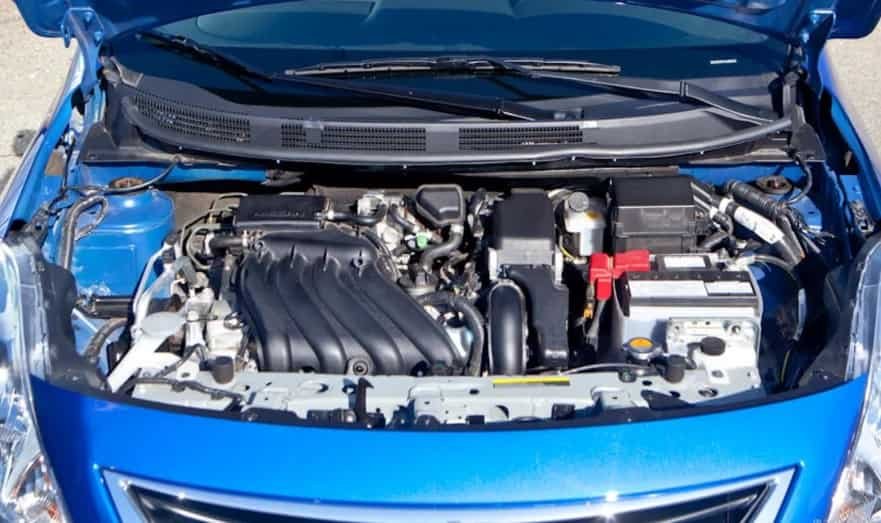
A rattle from the engine area may indicate an issue with engine components, oil levels, or timing parts. A sound from underneath the vehicle often relates to the exhaust system, heat shields, or loose mounting parts. If the noise comes from inside the cabin, loose trim pieces or dashboard components may create the vibration.
The timing of the noise also provides important clues. A Nissan Versa that rattles only during acceleration may have a different problem than one that makes noise while sitting at idle. A rattle during cold starts may suggest issues with parts that need proper lubrication before the engine reaches normal operating conditions.
Not every rattling sound means your Nissan Versa has a major mechanical failure. Some problems require a simple adjustment or replacement of a small component. However, ignoring unusual noises can allow minor issues to become more expensive repairs.
By identifying where the sound comes from and when it happens, you can narrow down the possible causes. This approach helps you decide whether you can handle a simple fix or need professional inspection.
9 Common Causes Of Nissan Versa Rattling Noise
Loose Heat Shield Around The Exhaust System
A loose heat shield is one of the most common reasons behind a Nissan Versa rattling noise. The heat shield protects nearby parts from the high temperature produced by the exhaust system. Over time, the metal shield can become loose because of rust, damaged bolts, or normal vehicle vibration.
When the heat shield becomes loose, it may create a metallic rattling sound. Many drivers notice this noise when they accelerate or when the engine reaches a certain RPM. The sound often comes from underneath the vehicle and may become louder during cold starts.
The good news is that this problem usually does not require a major repair. A mechanic can inspect the shield and tighten the mounting points. If the shield has severe damage or corrosion, replacement may provide a better long term solution.
You should not ignore this noise for too long. A loose heat shield can continue to vibrate and may eventually break away from its mounting points. Early inspection can prevent additional problems and help you avoid unnecessary repair costs.
Low Engine Oil Level Or Poor Oil Condition
Engine oil plays an important role in keeping internal components working smoothly. When your Nissan Versa has low oil levels or old engine oil, metal parts may create extra friction. This can lead to unusual sounds, including rattling or ticking noises.
A rattling engine noise caused by poor lubrication often appears during startup or acceleration. You may also notice louder engine operation, reduced performance, or increased vibration while driving.
Checking the engine oil level is one of the simplest steps you can take. If the oil level remains low after adding oil, your vehicle may have a leak or another underlying issue that needs attention.
Regular oil changes help protect engine components and reduce the risk of noise-related problems. Using the correct oil type recommended for your Nissan Versa also helps maintain proper engine performance.
If your Nissan Versa continues to make a rattling sound after an oil change, do not assume the problem has disappeared. The noise may point to a deeper mechanical issue that requires further diagnosis.
Timing Chain Or Timing Component Problems
A timing chain problem can create a serious rattling noise in your Nissan Versa. The timing chain controls the connection between the engine’s crankshaft and camshaft. It helps the engine valves open and close at the correct time.
When the timing chain or its related components wear out, the chain may become loose. A loose timing chain can hit nearby parts and create a noticeable rattling sound. Many drivers hear this noise when they start the engine, especially after the vehicle sits for several hours.
A damaged timing chain tensioner can also cause similar symptoms. The tensioner keeps the chain tight and prevents excessive movement. When it fails, the chain may create more vibration and noise.
Other warning signs may include poor engine performance, difficulty starting, reduced fuel efficiency, or a check engine light. These symptoms require attention because timing system problems can lead to expensive engine damage if ignored.
A professional inspection can confirm whether the timing chain needs repair or replacement. Addressing this problem early can protect your engine and prevent more serious failures.
Worn Engine Mounts
Engine mounts help secure the engine and reduce vibration while your Nissan Versa operates. These components contain rubber materials that absorb movement between the engine and vehicle frame.
Over time, engine mounts can wear out, crack, or lose their ability to control engine movement. When this happens, you may hear a rattling or clunking noise during acceleration, braking, or shifting between gears.
A worn engine mount can also create noticeable vibrations inside the cabin. Some drivers feel shaking through the steering wheel, seats, or floor when the engine runs.
You may notice the noise more when the vehicle changes speed quickly. The engine moves more during acceleration, which puts extra stress on damaged mounts.
Replacing worn engine mounts can restore smoother operation and reduce unwanted noise. A mechanic can inspect the mounts for cracks, excessive movement, or other signs of failure.
Ignoring damaged engine mounts may place extra stress on other components. Early repair can help maintain a quieter and more comfortable driving experience.
Loose Exhaust Components
A loose exhaust component is another common reason why your Nissan Versa may produce a rattling noise. The exhaust system contains several parts that work together to control engine gases and reduce harmful emissions. These parts include exhaust pipes, brackets, hangers, and the catalytic converter.
Over time, heat, road conditions, and corrosion can weaken exhaust components. A loose bracket or damaged hanger can allow the exhaust system to move more than normal. This movement creates a metallic rattling sound, especially when the engine vibrates during acceleration.
Many drivers notice this noise coming from underneath the vehicle. The sound may become louder when the car reaches certain speeds or when the engine reaches a specific RPM range.
A damaged exhaust component can affect more than just noise levels. In some cases, it may create exhaust leaks that reduce vehicle efficiency and allow harmful gases to escape.
A visual inspection can help identify loose parts or damaged mounting points. A mechanic may tighten the connections, replace damaged hangers, or repair affected exhaust sections depending on the condition.
Fixing exhaust problems early can prevent further damage and restore a quieter driving experience.
Suspension Or Steering Components
Not every Nissan Versa rattling noise comes from the engine. Sometimes, the problem comes from suspension or steering components underneath the vehicle.
The suspension system contains many moving parts that help provide a smooth and stable ride. Components such as stabilizer links, bushings, struts, and control arms can wear out over time.
When these parts become loose or damaged, they may create a rattling or knocking sound. Drivers often notice this noise when driving over bumps, rough roads, or uneven surfaces.
A suspension related rattle usually changes depending on road conditions. You may hear the sound at low speeds or when turning the steering wheel.
Worn suspension parts can also affect driving comfort and vehicle control. You may experience uneven tire wear, increased vibration, or a less stable feeling while driving.
A mechanic can inspect suspension components for excessive movement, cracks, or worn connections. Replacing damaged parts can improve safety and reduce unwanted noises.
Regular suspension inspections help catch small problems before they become more expensive repairs.
Loose Interior Or Dashboard Components
Sometimes, the source of a Nissan Versa rattling noise does not come from mechanical parts. Loose interior components can also create annoying sounds while driving.
The dashboard, glove box, door panels, and other interior trims use clips and fasteners to stay in place. Over time, these small parts can become loose because of vibration, temperature changes, or regular vehicle use.
A loose interior component usually creates a light rattling or buzzing sound. Drivers often notice the noise when driving on rough roads or when the vehicle moves at certain speeds.
This type of problem may seem minor, but it can become frustrating during daily driving. The constant vibration can make the cabin feel less comfortable and may distract the driver.
You can check for loose items inside the cabin by removing personal belongings and gently pressing different trim areas. If the noise changes, you may have found the source.
A technician can secure loose panels, replace damaged clips, or adjust interior components to eliminate the sound. These repairs are usually simple compared with engine or exhaust repairs.
Faulty Serpentine Belt Components
The serpentine belt system plays an important role in your Nissan Versa engine operation. It transfers power from the engine to components such as the alternator, air conditioning compressor, and other accessories.
When parts connected to the serpentine belt system wear out, they can create rattling, squealing, or vibration noises. Common causes include a worn belt tensioner, damaged pulley bearings, or a loose belt.
You may hear the noise from the front area of the engine bay. The sound often becomes more noticeable when you start the engine, accelerate, or turn on accessories such as the air conditioner.
A damaged belt component can affect other engine systems if you ignore it. A failed tensioner or broken belt may prevent important accessories from operating correctly.
A mechanic can inspect the belt condition, tensioner movement, and pulley operation. Replacing worn components early can prevent unexpected breakdowns and maintain reliable engine performance.
Catalytic Converter Internal Damage
A damaged catalytic converter can also cause a rattling noise in your Nissan Versa. The catalytic converter contains internal materials that help reduce harmful emissions from the exhaust system.
Over time, the internal structure can break apart due to age, heat damage, or contamination. When this happens, the broken pieces may move inside the converter and create a noticeable rattling sound.
Many drivers hear this noise during acceleration because increased exhaust flow causes the damaged parts to move more. The vehicle may also experience reduced power, poor fuel economy, or a check engine light.
A damaged catalytic converter requires proper inspection because the symptoms can appear similar to other exhaust problems. A technician can test the exhaust system and determine whether replacement is necessary.
Ignoring a failing catalytic converter can lead to reduced engine performance and higher repair costs. Early diagnosis helps protect your vehicle and keeps the exhaust system working properly.
How To Diagnose A Nissan Versa Rattling Noise Yourself
Before visiting a repair shop, you can perform a few simple checks to understand the possible source of your Nissan Versa rattling noise. A basic inspection cannot replace professional testing, but it can help you describe the problem more clearly and avoid unnecessary confusion during the repair process.
Start by locating where the sound comes from. Park your vehicle in a quiet area and listen carefully while the engine runs. A noise from the engine bay may point to problems with the engine, timing components, belt system, or engine mounts. Sounds coming from underneath the vehicle may suggest issues with the exhaust system, heat shield, or other underbody parts. Interior noises often come from loose panels, storage areas, or objects moving inside the cabin.
The next step involves understanding when the rattling appears. Notice whether the sound happens during a cold start, while accelerating, when the engine idles, or when driving over uneven roads. These patterns can provide important clues because each mechanical problem creates different symptoms.
A quick inspection of basic vehicle conditions can also help. Check the engine oil level and look for visible loose parts around the engine compartment. Examine the exhaust area after the vehicle cools down. Inside the cabin, remove unnecessary items and check whether the noise changes.
Additional warning signs can reveal a more serious issue. Reduced engine power, unusual vibrations, poor fuel economy, or a check engine light may indicate that your Nissan Versa needs professional attention.
Understanding the location, timing, and behavior of the rattling noise will make diagnosis easier. This information helps technicians identify the problem faster and choose the right repair solution.
Is A Nissan Versa Rattling Noise Dangerous?
A rattling noise from your Nissan Versa is not always a sign of a major mechanical failure. Some causes are simple and inexpensive to repair, while others may require immediate attention. The level of risk depends on where the noise comes from, when it happens, and whether other warning signs appear.
A loose heat shield, interior panel, or minor exhaust issue may create an annoying sound without causing immediate damage. These problems still need attention because small issues can become worse over time.
More serious problems require faster action. A damaged timing chain, failing engine mount, or internal engine problem can affect vehicle performance and reliability. Ignoring these warning signs may lead to expensive repairs or unexpected breakdowns.
You should take the noise seriously if it appears with other symptoms. A check engine light, reduced power, strong vibration, burning smell, or difficulty starting the vehicle can indicate a deeper problem.
How Much Does It Cost To Fix A Nissan Versa Rattling Noise?
The repair cost for a Nissan Versa rattling noise depends on the damaged component and the amount of labor required. Simple fixes usually cost much less than repairs involving major engine parts.
A loose heat shield repair may cost around $50 to $200 because the solution often involves tightening or replacing small components. An oil change or basic engine service may cost between $40 and $100, depending on the service provider.
More complex repairs can become significantly more expensive. Replacing worn engine mounts may cost around $300 to $800. Timing chain repairs can range from $1,000 to $2,500 because the repair requires extensive engine work. A damaged catalytic converter may also create a large expense, with replacement costs often ranging from $900 to $2,500.
The best way to reduce repair costs is to diagnose the noise early. Addressing a small rattling problem before it damages other components can save hundreds or even thousands of dollars.
How To Prevent Future Nissan Versa Rattling Noise Problems
Regular maintenance is the most effective way to prevent unexpected vehicle noises. Keeping your Nissan Versa in good condition helps protect important components and improves long term reliability.
Follow the recommended oil change schedule and always use the correct engine oil for your vehicle. Proper lubrication reduces wear on internal engine parts and lowers the risk of noise caused by friction.
Regular inspections can also help identify loose or damaged components before they create larger problems. Checking the exhaust system, suspension parts, belts, and engine mounts during routine maintenance can prevent many common rattling issues.
Pay attention to new sounds instead of waiting for them to disappear. A small noise today may become a costly repair tomorrow. Early diagnosis allows you to fix problems while they are still manageable.
With proper care and timely repairs, your Nissan Versa can continue providing a smooth and comfortable driving experience for many years.
Conclusion
Finding the answer to “Why Is My Nissan Versa Making A Rattling Noise?” starts with understanding where the sound comes from and when it appears. A rattling noise can develop from many different sources, including loose heat shields, engine components, exhaust parts, suspension systems, and interior panels.
Some causes require only a simple adjustment, while others may involve more serious repairs. Paying attention to warning signs such as reduced performance, unusual vibrations, or a check engine light can help you identify problems before they become expensive.
Regular maintenance plays an important role in preventing Nissan Versa rattling noise issues. Routine oil changes, inspections, and early repairs can protect important vehicle components and help maintain a smoother driving experience.
If your Nissan Versa has started making a rattling sound, do not ignore it. Identifying the problem early can save money and prevent further damage. Start by noticing the location of the noise, the driving conditions when it appears, and any additional symptoms.
Have you experienced a rattling noise from your Nissan Versa? Share when the sound happens and where you hear it. Your experience may help other drivers understand similar problems and find the right solution.