Buying a vehicle is not only about the price you pay at the dealership. A smart car purchase also depends on how much value the vehicle can retain over time. Depreciation is one of the biggest hidden costs of ownership, and it can significantly affect your finances when you decide to sell or trade in your car. This leads many buyers to ask an important question: Does Nissan Juke hold its value?
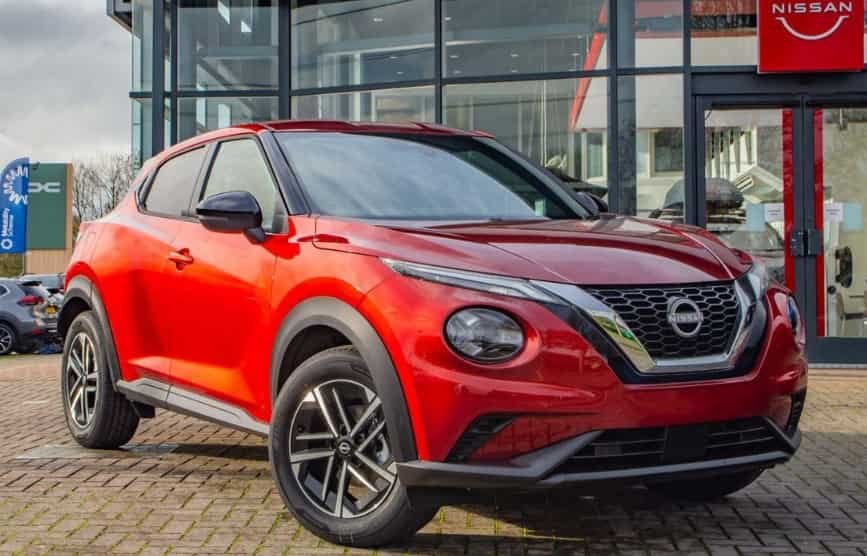
The Nissan Juke has always been a unique option in the compact SUV market. With its bold styling, practical size, and distinctive personality, it attracts drivers who want something different from traditional crossover vehicles. However, its unusual design and changing market preferences have raised questions about its long term resale performance.
Understanding Nissan Juke depreciation, resale value, and ownership costs can help buyers make a more informed decision. Whether you are considering purchasing a used Nissan Juke, selling your current vehicle, or comparing it with other small SUVs, knowing the factors that influence its value is essential.
In this guide, we will explore how quickly the Nissan Juke depreciates, what affects its resale value, the real costs of ownership, and whether this compact SUV remains a financially smart choice in today’s used car market.
How Much Value Does the Nissan Juke Lose Over Time?
Depreciation is one of the most important factors when evaluating whether a vehicle is a good financial choice. Every car loses value over time, but the speed of depreciation depends on several factors, including brand reputation, market demand, reliability, running costs, and buyer preferences. When asking, “Does Nissan Juke hold its value?”, understanding its depreciation pattern provides the clearest answer.
The Nissan Juke generally experiences noticeable depreciation because it competes in a highly competitive compact SUV segment. Buyers today have many choices, including models that are known for strong reliability and high resale value. While the Juke offers a unique design and enjoyable driving experience, its resale performance is influenced by how the used car market views its practicality and long term ownership costs.
Nissan Juke Depreciation After One Year
The first year of ownership usually brings the largest depreciation impact for most vehicles, including the Nissan Juke. Once a new vehicle leaves the dealership, its value immediately decreases because it becomes a used vehicle. This initial drop reflects market adjustments rather than any problem with the car itself.
For Nissan Juke owners, the first year can represent a significant reduction in value, especially when compared with vehicles that have stronger brand loyalty or higher demand in the used market. However, buyers who purchase a lightly used Nissan Juke can benefit from avoiding this initial depreciation while still enjoying many of the same features and driving characteristics.
Nissan Juke Depreciation After Three Years
After three years, depreciation becomes more closely connected to vehicle condition, mileage, maintenance history, and market demand. A well maintained Nissan Juke with complete service records can retain more value than a poorly maintained example with high mileage or previous damage.
At this stage, the Nissan Juke can become more attractive to used car buyers because its lower purchase price makes it an affordable entry point into the compact SUV category. The reduced price can balance its depreciation rate, making it a practical choice for buyers who prioritize value for money rather than maximum resale return.
Nissan Juke Depreciation After Five to Ten Years
Long term depreciation depends heavily on how the vehicle ages and how the market views older models. After five years, factors such as repair costs, fuel efficiency, reliability reputation, and availability of replacement parts become increasingly important.
Older Nissan Juke models may appeal to buyers looking for an affordable and distinctive crossover. However, they may not achieve the same resale prices as competitors with stronger resale histories. Owners who maintain their vehicles properly, keep mileage reasonable, and complete regular servicing are more likely to achieve better resale results.
Overall, the Nissan Juke does not rank among the strongest vehicles for value retention, but its affordable used market pricing can make it financially appealing. The key difference is whether you measure value retention by resale percentage or by the overall ownership experience.
What Factors Affect Nissan Juke Resale Value?
Several factors determine how well the Nissan Juke holds its value in the used car market. While depreciation is unavoidable, aspects such as reliability, maintenance history, mileage, condition, and market demand can significantly influence its resale price.
Reliability is one of the first things used car buyers consider. A Nissan Juke with a complete service history and regular maintenance is more attractive because it gives buyers greater confidence about future ownership costs. Vehicles with poor maintenance records or expensive repair concerns may experience faster depreciation.
Mileage and overall condition also have a strong impact on resale value. A lower mileage Nissan Juke will usually attract more buyers, but proper care is equally important. A well maintained vehicle with clean records, a good interior, and no major accident history can often achieve a better selling price than a neglected model with fewer miles.
The chosen trim level and available features can also affect demand. Models with desirable technology, comfort features, or performance upgrades may appeal to more buyers. The Nissan Juke Nismo, for example, attracts enthusiasts looking for a more unique driving experience.
Finally, market demand for compact SUVs influences resale performance. Although the Nissan Juke has a distinctive design that divides opinions, its affordable used prices and unique personality continue to attract specific buyers. These factors help determine whether a Nissan Juke remains a smart choice in the second hand market.
Nissan Juke Ownership Costs Beyond Depreciation
Depreciation is only one part of the total cost of owning a Nissan Juke. For many buyers, ongoing expenses such as maintenance, fuel, insurance, and repairs play an equally important role in determining whether this compact SUV is a financially sensible choice.
Maintenance costs for the Nissan Juke are generally influenced by factors such as vehicle age, mileage, driving habits, and service history. Regular maintenance, including oil changes, inspections, and replacing wear items on schedule, can help prevent larger repair expenses in the future. A well maintained Nissan Juke is also more likely to retain buyer confidence when it is time to sell.
Fuel economy is another important consideration for owners who use their vehicle regularly. The Nissan Juke’s compact size and efficient engine options make it suitable for daily commuting and urban driving. Lower fuel consumption can help reduce long term ownership expenses, especially for drivers who cover many miles each year.
Insurance costs can also affect the overall ownership experience. Premiums vary depending on factors such as the driver’s profile, location, vehicle age, and coverage level. Older Nissan Juke models may benefit from lower insurance costs compared with newer vehicles, making them more attractive to budget conscious buyers.
When evaluating whether the Nissan Juke holds its value, buyers should consider the complete ownership picture. A vehicle with manageable running costs, affordable maintenance, and reasonable resale demand can still provide strong value even if it does not lead its segment in depreciation performance.
Nissan Juke vs Other Small SUVs: Which Holds Value Better?
When evaluating whether the Nissan Juke holds its value, it is important to compare it with other vehicles in the compact SUV segment. Resale value is influenced by brand reputation, reliability, buyer demand, and long term ownership costs. Some competitors achieve stronger resale performance because they have a wider customer base and a reputation for durability.
Models such as the Honda HR-V and Toyota C-HR are often considered strong alternatives because they appeal to buyers looking for practicality, efficiency, and reliability. These vehicles typically benefit from strong brand loyalty, which can support higher used car demand and better resale prices.
The Mazda CX-3 is another competitor that attracts buyers with premium styling and enjoyable driving dynamics. Its smaller market presence compared with larger SUV models can affect demand, but its reputation for quality helps maintain interest among used car shoppers.
The Nissan Juke takes a different approach. Instead of focusing purely on practicality, it offers distinctive styling, a sporty character, and a unique driving experience. This personality helps it attract a specific group of buyers who want something different from conventional compact SUVs.
However, when measured purely by resale value, the Nissan Juke may not outperform some of its competitors. Vehicles with stronger mainstream demand often maintain higher prices because more buyers are actively searching for them.
For buyers who prioritize maximum resale value, alternatives with proven reliability records may be better choices. However, for those seeking an affordable, unique, and enjoyable compact SUV, the Nissan Juke can still provide excellent value in the used car market.
Which Nissan Juke Years Hold Value Best?
Choosing the right model year is one of the most important decisions when buying a used Nissan Juke. While depreciation affects every vehicle, some Nissan Juke years can offer better value because they provide improved features, updated technology, and stronger appeal among used car buyers.
Later Nissan Juke models are often more attractive because they benefit from years of refinement and improvements. Updated versions typically offer better interior features, enhanced technology, and a more modern ownership experience. These factors can help them maintain stronger demand compared with older examples.
When searching for a used Nissan Juke, buyers should focus on vehicles with complete maintenance records, reasonable mileage, and a clean ownership history. A well cared for model from any year can provide better long term value than a newer vehicle that has been poorly maintained.
The Nissan Juke Nismo models may also attract attention from enthusiasts because of their sporty styling and performance focused character. Although they appeal to a smaller market, their unique identity can help them maintain interest among specific buyers.
On the other hand, buyers should carefully evaluate older Nissan Juke models that have high mileage or limited service documentation. Lower purchase prices can be attractive, but potential repair costs may reduce the financial benefits over time.
Overall, the best Nissan Juke years are not determined only by age. The vehicle’s condition, maintenance history, mileage, and available features play a major role in determining resale value and ownership satisfaction.
Is Buying a Used Nissan Juke a Smart Financial Decision?
A used Nissan Juke can be a smart financial decision for the right type of buyer. While it may not have the strongest resale value compared with some competitors, its lower used market prices can provide excellent value for drivers who want a distinctive compact SUV without paying a premium price.
One of the biggest advantages of buying a used Nissan Juke is avoiding the steepest period of depreciation. Original owners typically experience the largest value loss during the early years of ownership, while second hand buyers can purchase the vehicle at a significantly reduced price. This makes the Nissan Juke an attractive option for budget conscious buyers.
The Nissan Juke is also appealing because it offers a unique combination of compact dimensions, sporty styling, and practical everyday usability. For drivers who want a vehicle with personality rather than a conventional SUV design, it provides an ownership experience that many competitors cannot match.
However, buyers should consider their long term goals before making a decision. Those who frequently change vehicles or want the highest possible resale return may prefer models known for stronger value retention. A Nissan Juke may not be the ideal choice for someone focused only on maximizing future selling price.
For buyers who plan to own the vehicle for several years, maintain it properly, and prioritize affordable ownership, the Nissan Juke can still be a worthwhile investment. The key is choosing the right model, checking its history, and understanding the total ownership costs before purchasing.
Conclusion: Does Nissan Juke Hold Its Value?
So, does Nissan Juke hold its value? The answer depends on how you define value. Compared with some compact SUV competitors, the Nissan Juke does not have the strongest resale performance. Its unique design, smaller buyer audience, and competitive SUV market position can affect how quickly it loses value over time.
However, depreciation is only one part of the ownership experience. A used Nissan Juke can still offer strong value because it provides an affordable entry point, distinctive styling, practical dimensions, and enjoyable driving characteristics. Buyers who choose the right model year, maintain the vehicle properly, and keep detailed service records can improve their chances of achieving a better resale price.
For drivers focused on maximum resale value, other compact SUVs may offer stronger long term financial returns. However, for those who want a unique vehicle with manageable ownership costs and an affordable used purchase price, the Nissan Juke remains an appealing option.
Ultimately, the value of a Nissan Juke depends on your priorities. If you are considering buying or selling one, factors such as mileage, condition, maintenance history, and local market demand will have a major impact on its true worth.
Are you considering buying a used Nissan Juke? Share the model year, mileage, and condition, and you can better estimate whether it is a smart choice for your budget.