
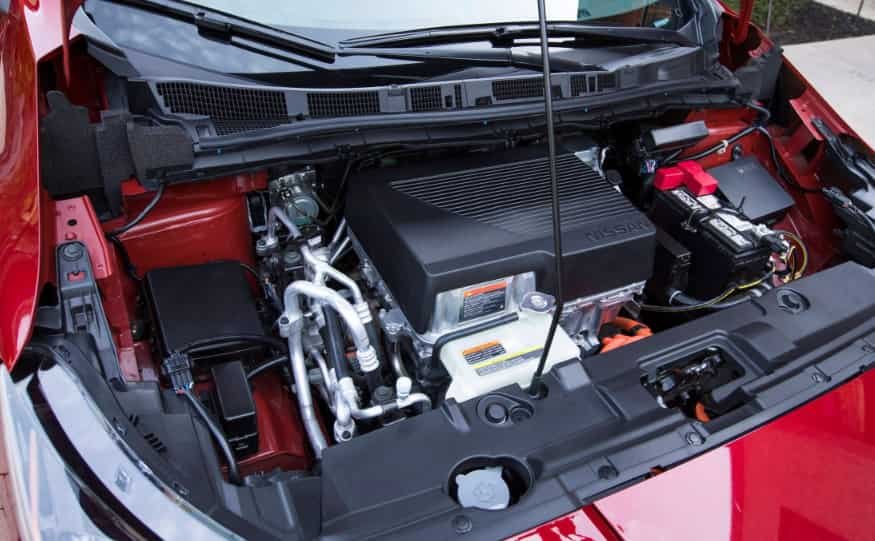
Opening the bonnet on a Nissan Leaf is a simple task, yet many first time electric vehicle owners are unsure where to start. Unlike traditional gasoline powered cars, the Nissan Leaf does not have a conventional engine under the bonnet. Even so, the front compartment still houses several essential components that require regular inspection. Knowing how to open the Nissan Leaf bonnet correctly allows you to check the washer fluid, inspect the brake fluid reservoir, monitor the coolant level, and perform basic maintenance with confidence. This small skill can save time, reduce unnecessary trips to a service center, and help keep your vehicle in excellent condition.
If you are wondering how to open Nissan Leaf bonnet, the process takes only a few moments once you know where the release lever and safety latch are located. The steps are straightforward and do not require any special tools or mechanical experience. Whether you own an older Nissan Leaf or one of the latest models, the bonnet opening mechanism works in a similar way. This guide explains each step clearly while also covering common problems, safety precautions, and practical maintenance tips. By the end of this article, you will know exactly how to open and close the bonnet safely and understand which components you can inspect beneath it.
Why You May Need to Open the Nissan Leaf Bonnet
Many people assume there is little reason to open the bonnet of an electric vehicle. While the Nissan Leaf does not have a traditional gasoline engine, the area beneath the bonnet still contains several important components that support the vehicle’s daily operation. Learning how to open the Nissan Leaf bonnet makes routine inspections much easier and helps you identify minor issues before they become expensive repairs. Regular checks also improve safety and ensure your vehicle remains reliable throughout the year.
Check the Washer Fluid Reservoir
One of the most common reasons to open the bonnet is to refill the washer fluid reservoir. Clean windshields are essential for safe driving, especially during rainy weather or long journeys. If the fluid level becomes too low, dirt and road debris can quickly reduce visibility. By opening the bonnet, you can locate the washer fluid reservoir, check the current level, and refill it in just a few minutes. Making this a regular habit helps keep your windshield clean and your view of the road clear.
Inspect the Brake Fluid
The Nissan Leaf uses a hydraulic braking system, which means brake fluid remains an important part of the vehicle. Opening the bonnet allows you to inspect the brake fluid reservoir and confirm that the fluid stays within the recommended level. A low brake fluid level may indicate worn brake components or a potential leak that requires attention. Performing a quick visual inspection during routine maintenance can help maintain consistent braking performance and improve overall driving safety.
Monitor the Coolant Level
Although the Nissan Leaf does not have an internal combustion engine, it still relies on coolant to regulate the temperature of certain electrical components. The coolant reservoir is located beneath the bonnet and should be checked periodically. Keeping the coolant at the correct level helps maintain efficient operation and protects important systems from overheating. If the coolant appears low or contaminated, consult the owner’s manual or have the vehicle inspected by a qualified technician.
Perform a Visual Inspection
Opening the bonnet also gives you the opportunity to perform a simple visual inspection of the front compartment. You can look for loose connections, damaged hoses, signs of fluid leaks, or excessive dirt that may affect maintenance. While most owners do not need to repair electrical components themselves, spotting an issue early can prevent larger problems in the future. Even a quick inspection every few months contributes to better long term reliability.
Prepare for Routine Maintenance
Many basic maintenance tasks begin with opening the bonnet. Whether you plan to replace the 12 volt battery, inspect the fuse box, or prepare the vehicle for professional servicing, knowing how to access the front compartment is essential. Becoming familiar with the bonnet release mechanism also makes future maintenance faster and more convenient. Even if you rarely work on your own vehicle, understanding this simple procedure helps you feel more confident as a Nissan Leaf owner.
Where Is the Nissan Leaf Bonnet Release Lever Located?
The first step in learning how to open Nissan Leaf bonnet is finding the release lever. Nissan places the lever inside the cabin, so you can reach it before opening the bonnet.
Look beneath the dashboard on the driver’s side. You will find the bonnet release lever near the footwell. It sits close to the driver’s door and is easy to reach from the driver’s seat. Nissan marks the lever with a bonnet symbol, making it easy to identify.
Pull the lever firmly until you hear a click. The click tells you that the primary bonnet latch has unlocked. The bonnet will rise slightly, but it will not open completely. A secondary safety latch keeps it securely closed until you release it from the front of the vehicle.
Most Nissan Leaf models use the same lever location. The design may look slightly different between model years, but the operating method remains almost identical. Once you know where the lever is, opening the bonnet becomes quick and simple.
If you cannot find the lever at first, move the driver’s seat backward for extra space. A flashlight can also help you see the bonnet symbol more clearly. After your first attempt, you will remember the location and complete the process with confidence.
How To Open Nissan Leaf Bonnet Step by Step
Opening the Nissan Leaf bonnet only takes a few simple steps. Following the correct procedure helps protect the bonnet latch and ensures you can safely access the components located beneath it.
Step 1 Locate the Bonnet Release Lever
Sit in the driver’s seat and look beneath the dashboard on the left side of the footwell. Find the bonnet release lever marked with the bonnet symbol. Make sure the vehicle is parked on a level surface and the parking brake is engaged before continuing.
Step 2 Pull the Release Lever
Pull the release lever firmly until you hear a clicking sound. This releases the primary locking mechanism and allows the bonnet to lift slightly. If you do not hear the click, pull the lever again using steady pressure rather than excessive force.
Step 3 Walk to the Front of the Vehicle
Move to the front of the Nissan Leaf and stand directly in front of the bonnet. You should notice a small gap between the bonnet and the front grille. This gap confirms that the primary latch has been released successfully.
Step 4 Release the Secondary Safety Latch
Slide your hand beneath the front edge of the bonnet until you feel the secondary safety latch. Press or move the latch according to its design while gently lifting the bonnet with your other hand. The bonnet should now open freely without resistance.
Step 5 Raise the Bonnet Completely
Lift the bonnet until it reaches the fully open position. Depending on your Nissan Leaf model, the bonnet may be supported by a prop rod or held open by gas struts. Ensure the bonnet is securely supported before placing your hands inside the front compartment.
Step 6 Inspect the Components Safely
With the bonnet fully open, you can check the washer fluid reservoir, brake fluid reservoir, coolant reservoir, 12 volt battery, and other serviceable components. Avoid touching any orange high voltage cables or electrical connectors, as these belong to the vehicle’s high voltage system and should only be handled by qualified technicians.
What Is Under the Nissan Leaf Bonnet?
Many drivers expect to see a traditional engine when they open the bonnet. However, the Nissan Leaf has a completely different layout because it runs on electricity instead of gasoline. Even without an internal combustion engine, the front compartment contains several important parts that support the vehicle’s performance and reliability. Learning what is under the bonnet helps you carry out simple maintenance tasks and recognize components that need regular inspection.
One of the first items you will notice is the washer fluid reservoir. It usually features a blue cap with a windshield symbol, making it easy to identify. Check the fluid level regularly and refill it whenever necessary. A full reservoir helps keep the windshield clean and ensures clear visibility in changing weather conditions.
You will also find the brake fluid reservoir beneath the bonnet. This component plays an important role in the braking system. The fluid level should remain between the minimum and maximum marks. If the level drops unexpectedly, inspect the system or seek professional assistance to prevent braking issues.
Another important component is the coolant reservoir. Although the Nissan Leaf does not use engine coolant like a gasoline vehicle, it still relies on coolant to regulate the temperature of several electrical systems. Keeping the coolant at the proper level helps maintain efficient operation and protects critical components from excessive heat.
The front compartment also houses the 12 volt battery, which powers many everyday functions such as the lighting system, infotainment screen, door locks, and electronic controls. Nearby, you will find the fuse box, which protects electrical circuits throughout the vehicle. You may also notice orange high voltage cables. These cables belong to the high voltage system and should never be touched during routine maintenance. By understanding what is under the Nissan Leaf bonnet, you can perform basic inspections safely and keep your electric vehicle in excellent condition.
Nissan Leaf Bonnet Won’t Open? Common Causes and Fixes
If you cannot open the bonnet after pulling the release lever, do not force it. The problem is often minor and easy to fix. Understanding the most common causes can help you identify the issue quickly and avoid damaging the bonnet latch or release cable.
The Release Lever Does Not Unlock the Bonnet
A stretched or worn release cable is one of the most common causes. When you pull the lever, it may feel loose or fail to release the primary latch. Try pulling the lever again with steady pressure while another person gently lifts the bonnet. If the bonnet still does not move, the release cable may need professional repair or replacement.
The Safety Latch Is Stuck
The primary latch may release correctly, but the secondary safety latch can become difficult to move because of dirt, rust, or old grease. Slide your hand beneath the front edge of the bonnet and move the latch gently. If it feels stiff, clean the area and apply a suitable automotive lubricant. Regular cleaning helps keep the latch working smoothly.
The Bonnet Is Out of Alignment
A minor impact or years of normal use can affect bonnet alignment. When this happens, the latch may not release as expected. Press down lightly on the front of the bonnet while someone pulls the release lever inside the cabin. This simple technique often removes pressure from the latch and allows it to open normally.
Cold Weather Can Freeze the Latch
Low temperatures may cause moisture to freeze around the latch mechanism. If you suspect ice has formed, move the vehicle to a warmer location or allow it to warm naturally. Avoid pouring hot water over the latch because sudden temperature changes can damage painted surfaces.
Know When to Seek Professional Help
If the bonnet remains locked after trying these steps, avoid using excessive force or sharp tools. These methods can damage the latch, bonnet, or surrounding body panels. A qualified technician has the proper equipment to open the bonnet safely and inspect the release mechanism. Fixing the problem early can prevent more expensive repairs and keep your Nissan Leaf ready for everyday driving.
Safety Tips Before Opening the Nissan Leaf Bonnet
Opening the Nissan Leaf bonnet is a simple task, but following a few basic safety precautions can help prevent accidents and protect the vehicle. Spending a few extra moments to prepare before opening the bonnet will make every inspection safer and more efficient.
Always park the vehicle on a flat and stable surface before you begin. Turn off the power system and apply the parking brake to prevent any unexpected movement. If you have just finished driving, allow the vehicle to cool for a few minutes before inspecting any components under the bonnet.
Before touching anything inside the front compartment, take a moment to identify the parts you plan to inspect. Routine checks usually involve the washer fluid reservoir, brake fluid reservoir, coolant reservoir, or the 12 volt battery. Avoid removing covers or disconnecting components unless the owner’s manual specifically recommends the procedure.
Pay close attention to the bright orange cables located under the bonnet. These cables carry high voltage electricity and form part of the Nissan Leaf’s electric drive system. Never touch, disconnect, or attempt to repair these components. Leave all work involving the high voltage system to qualified technicians with the proper training and equipment.
After completing your inspection, check that you have not left any tools or loose items inside the front compartment. Lower the bonnet carefully and confirm that the latch locks securely before driving. A properly closed bonnet protects the components underneath and helps ensure safe operation on every journey.
Frequently Asked Questions
Is there an engine under the Nissan Leaf bonnet?
No. The Nissan Leaf does not have a traditional gasoline or diesel engine. Instead, the front compartment contains components such as the 12 volt battery, brake fluid reservoir, coolant reservoir, washer fluid reservoir, fuse box, and parts of the electric drive system. These components require occasional inspection as part of routine vehicle maintenance.
Can I open the Nissan Leaf bonnet while the vehicle is charging?
Yes. You can open the bonnet while the vehicle is charging if you only need to inspect serviceable components such as the washer fluid or brake fluid reservoir. However, avoid touching any orange high voltage cables or electrical connectors. If you need to service electrical components, disconnect the charging cable first and follow the recommendations in the owner’s manual.
Where is the bonnet release lever located?
The bonnet release lever is beneath the dashboard on the driver’s side. It sits near the footwell and close to the driver’s door. Pull the lever until you hear a click, then release the secondary safety latch at the front of the vehicle to open the bonnet fully.
Why will my Nissan Leaf bonnet not open?
A worn release cable, a stuck safety latch, poor bonnet alignment, or dirt around the latch mechanism can prevent the bonnet from opening. Cold weather may also freeze the latch. Inspect the latch carefully and avoid forcing the bonnet open. If the problem continues, have the release mechanism inspected by a qualified technician.
How do I close the Nissan Leaf bonnet correctly?
Lower the bonnet until it sits just above the latch, then let it drop gently into place. Check that the bonnet locks securely and sits evenly on both sides. Do not slam the bonnet or press down with excessive force.
Is it safe to inspect the components under the bonnet?
Yes. It is safe to perform basic inspections such as checking the washer fluid, brake fluid, coolant level, and 12 volt battery. Stay away from the orange high voltage cables and do not attempt repairs on electrical components unless you have the proper training.
Conclusion
Learning how to open Nissan Leaf bonnet is a simple but valuable skill for every owner. Once you know where the release lever and safety latch are located, you can access the front compartment in less than a minute. Regular inspections help you monitor essential components, refill important fluids, and identify small issues before they become costly repairs.
Although the Nissan Leaf does not have a traditional engine, the area beneath the bonnet still plays an important role in everyday maintenance. Checking the washer fluid, brake fluid, coolant reservoir, and 12 volt battery only takes a few minutes, but these routine inspections can improve reliability and help keep your vehicle in excellent condition.
Always follow basic safety precautions before opening the bonnet and avoid touching any high voltage components. If you experience problems with the bonnet latch or release mechanism, seek assistance from a qualified technician instead of forcing it open.
We hope this guide has made it easier to understand how to open Nissan Leaf bonnet with confidence. If you found this article helpful, explore our other Nissan Leaf maintenance guides to learn more about charging, battery care, routine servicing, and simple maintenance tips that can keep your electric vehicle performing at its best.