
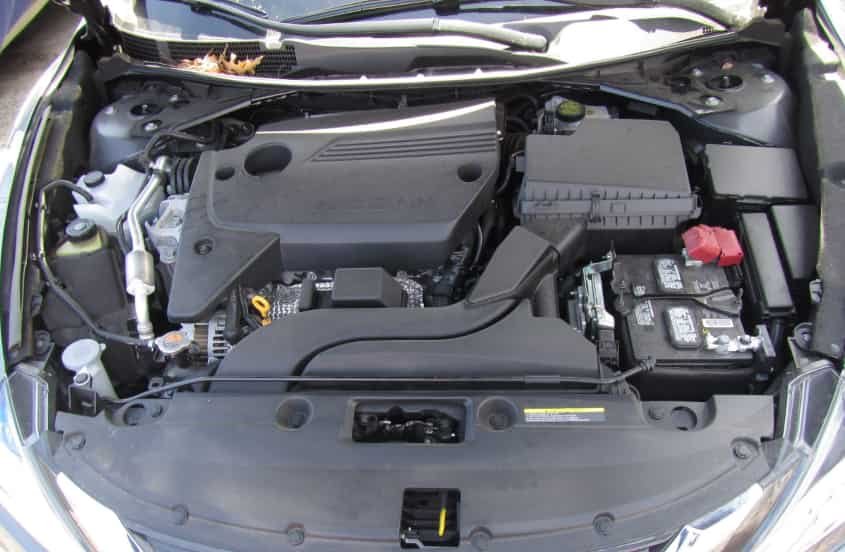
Choosing the correct Nissan Altima battery size is more important than many drivers realize. A battery that does not match the factory specifications may not fit securely inside the battery tray, could have the wrong terminal position, or might fail to deliver enough starting power during cold mornings. Even if the engine starts, installing an incorrect battery can reduce reliability and create unnecessary stress on the vehicle’s electrical system.
The Nissan Altima has been produced across several generations, and battery requirements have changed over time. Battery group size, cold cranking amps, reserve capacity, and battery type may vary depending on the model year, engine option, trim level, and factory equipment. Because of these differences, selecting a replacement battery based only on the vehicle name can easily lead to the wrong purchase.
This guide provides a complete Nissan Altima battery size chart covering model years from 2002 through 2026. You will also learn how battery group sizes work, why cold cranking amps matter, and whether an AGM battery or a traditional lead acid battery is the better choice for your vehicle. In addition, this guide explains battery dimensions, terminal layout, expected battery life, replacement costs, and the warning signs that indicate it is time for a new battery.
Before purchasing a replacement battery, always compare the specifications with your current battery, the owner’s manual, or your vehicle identification number. Taking a few extra minutes to verify compatibility can help you avoid installation problems, improve starting performance, and extend the life of your Nissan Altima.
Nissan Altima Battery Size Overview
Finding the correct Nissan Altima battery size is the first step toward maintaining reliable engine performance and protecting the vehicle’s electrical system. While many Nissan Altima models share similar battery specifications, the correct battery depends on several important factors. These include the model year, engine size, trim level, and factory equipment. Understanding these differences helps you choose a battery that fits properly and delivers dependable starting power.
What Battery Size Does a Nissan Altima Use?
The Nissan Altima commonly uses Group 35 batteries across many model years. However, some older models and certain configurations may require a different battery group. For this reason, there is no single battery size that fits every Nissan Altima.
Most replacement batteries are identified by a Battery Council International group number. This standard specifies the battery’s physical dimensions, terminal location, and mounting configuration. A battery with the correct group size will fit securely inside the battery tray and connect to the factory cables without modification.
Before purchasing a replacement battery, verify the recommended group size using your owner’s manual, the battery label, or a trusted vehicle fitment guide. Taking this extra step reduces the risk of buying a battery that does not fit your specific vehicle.
Why Battery Group Size Matters
Battery group size affects much more than the battery’s dimensions. It also determines whether the battery can be installed safely and operate as intended. Even a high quality battery may cause problems if it belongs to the wrong group size.
A battery that is too large may not fit inside the battery tray or under the retaining bracket. On the other hand, a battery that is too small may move while driving, increasing vibration and reducing battery life. Incorrect terminal placement can also make it difficult to connect the cables or create unnecessary strain on the electrical connections.
Using the correct battery group size ensures proper installation, reliable engine starting, stable electrical performance, and long term durability. It also helps protect sensitive electronic components from avoidable issues caused by poor battery fitment.
Factors That Determine the Correct Battery Size
Several factors influence the correct Nissan Altima battery size. The model year is one of the most important because Nissan has updated battery specifications throughout different generations. Engine options can also affect battery requirements, especially when comparing four cylinder and six cylinder models.
Trim level is another consideration because higher trims often include additional electrical features such as heated seats, premium audio systems, navigation, and advanced driver assistance technologies. These systems may require a battery with greater reserve capacity or higher cold cranking amps.
Climate also plays an important role. Drivers who regularly experience freezing temperatures should select a battery that meets or exceeds the recommended cold cranking amp rating. In warmer regions, heat resistance and long term durability become equally important for maximizing battery life.
Finally, always match the replacement battery to the original factory specifications whenever possible. Choosing the correct group size, terminal layout, and electrical ratings helps ensure reliable performance while minimizing the risk of premature battery failure.
Nissan Altima Battery Size Chart by Year
The correct Nissan Altima battery size varies by generation, engine, and factory configuration. Although Group 35 is the most common battery size for many model years, some vehicles may have different requirements depending on the original equipment. Always compare the information below with your owner’s manual or the battery label installed in your vehicle before purchasing a replacement.
| Model Year | Engine | Common Battery Group Size | Recommended CCA | Battery Type | Notes |
|---|---|---|---|---|---|
| 2023 to 2026 | 2.5L | Group 35 | 550 to 650 CCA | AGM or Lead Acid | Verify original equipment before replacement |
| 2019 to 2022 | 2.5L | Group 35 | 550 to 650 CCA | AGM or Lead Acid | Some trims may use AGM batteries |
| 2013 to 2018 | 2.5L | Group 35 | 550 to 640 CCA | Lead Acid | Most common configuration |
| 2013 to 2018 | 3.5L V6 | Group 35 | 600 to 650 CCA | Lead Acid | Higher starting power recommended |
| 2007 to 2012 | 2.5L | Group 35 | 550 to 640 CCA | Lead Acid | Confirm battery tray dimensions |
| 2007 to 2012 | 3.5L V6 | Group 35 | 600 to 650 CCA | Lead Acid | Higher reserve capacity preferred |
| 2002 to 2006 | 2.5L | Group 35 | 550 to 640 CCA | Lead Acid | Inspect terminals before installation |
| 2002 to 2006 | 3.5L V6 | Group 35 | 600 to 650 CCA | Lead Acid | Replace corroded battery terminals if necessary |
2023 to 2026 Nissan Altima Battery Size
Most Nissan Altima models built between 2023 and 2026 use a Group 35 battery. Depending on the trim level and factory equipment, the vehicle may come with either a conventional lead acid battery or an AGM battery. Vehicles equipped with additional electronic features often benefit from the improved durability and cycling capability of an AGM battery.
When replacing the battery, confirm that the new unit matches the original group size, terminal orientation, and cold cranking amp rating. A battery with at least 550 CCA is suitable for most driving conditions, while drivers living in colder climates may prefer a battery closer to 650 CCA for improved starting performance.
2019 to 2022 Nissan Altima Battery Size
The sixth generation Nissan Altima also commonly uses a Group 35 battery. During these model years, Nissan introduced more advanced safety technologies and electronic systems, increasing the importance of selecting a battery that meets the original specifications.
Many replacement batteries within this range offer between 550 and 650 cold cranking amps. Choosing a battery with sufficient reserve capacity helps support accessories such as automatic climate control, infotainment systems, and driver assistance features without sacrificing reliability.
2013 to 2018 Nissan Altima Battery Size
Most Nissan Altima models produced from 2013 through 2018 continue to use a Group 35 battery. The four cylinder engine generally performs well with batteries rated around 550 to 640 cold cranking amps. Models equipped with the larger V6 engine typically benefit from a battery that provides slightly higher starting power.
Before installing a replacement battery, inspect the battery tray, hold down bracket, and cable connections for signs of corrosion or damage. Cleaning the terminals and securing the battery correctly can improve charging efficiency and extend battery life.
2007 to 2012 Nissan Altima Battery Size
The majority of Nissan Altima vehicles from 2007 through 2012 are also equipped with a Group 35 battery. Although the recommended battery size remains similar, battery condition becomes increasingly important as vehicles age.
When replacing the battery on an older Altima, examine the battery cables for corrosion and check that the hold down bracket still secures the battery firmly. Loose batteries are more likely to experience vibration, which can shorten service life and affect starting performance.
2002 to 2006 Nissan Altima Battery Size
Early third generation Nissan Altima models typically use a Group 35 battery with a recommended cold cranking amp rating between 550 and 650. A quality lead acid battery remains a practical and cost effective choice for most owners of these vehicles.
Older vehicles often develop corrosion around the battery terminals after years of service. Before installing a new battery, clean the cable ends thoroughly and inspect the battery tray for rust or physical damage. Taking these simple maintenance steps helps ensure a secure installation and reliable electrical performance for years to come.
Nissan Altima Battery Group Size Explained
Understanding battery group size makes it much easier to choose the correct replacement battery for your Nissan Altima. Many drivers focus only on the brand or the warranty, but the group size is equally important. It determines whether the battery will fit properly, connect to the factory cables, and remain securely mounted during everyday driving.
Selecting the correct battery group size also helps maintain the reliability of the charging system. A battery that matches the original specifications allows the alternator and electrical components to operate as designed, reducing the risk of unnecessary wear or unexpected starting problems.
What Is a Battery Group Size?
A battery group size is a standardized classification developed by the Battery Council International. Each group number identifies a battery with specific physical dimensions, terminal placement, and mounting characteristics. Manufacturers use this standard so replacement batteries from different brands can fit the same vehicle.
It is important to understand that the group size does not measure battery quality or capacity. Two batteries with the same group number may have different cold cranking amps, reserve capacity, warranty periods, and overall performance. The group size simply confirms that the battery will fit correctly and connect to the vehicle without modification.
When shopping for a replacement battery, always start by confirming the correct group size. After that, compare electrical specifications such as cold cranking amps, reserve capacity, and battery type to find the best option for your driving conditions.
Group 35 Battery Dimensions
Group 35 is the most common battery size found in Nissan Altima models. It offers a balance between compact dimensions and reliable starting performance, making it suitable for a wide range of passenger vehicles.
A typical Group 35 battery has approximate dimensions of 9.06 inches in length, 6.88 inches in width, and 8.88 inches in height. While slight variations may exist between manufacturers, batteries built to the Group 35 standard are designed to fit the same battery tray and mounting system.
Most Group 35 batteries are available with different performance ratings. Entry level models provide sufficient starting power for daily driving, while premium versions offer higher cold cranking amps, greater reserve capacity, and longer service life. Choosing a battery with stronger electrical performance can be beneficial if you frequently drive in cold weather or use multiple electronic accessories.
Can You Use a Different Battery Group Size?
Some vehicle owners wonder whether it is possible to install a battery from a different group size. In most situations, using the factory recommended group size remains the safest and most reliable choice.
A larger battery may not fit inside the battery tray or under the retaining bracket. Even if it appears to fit, the battery could interfere with nearby components or prevent the hood from closing correctly. A smaller battery creates a different set of problems because it may not remain securely mounted. Excessive movement can increase vibration, damage the internal plates, and shorten battery life.
Terminal location is another critical consideration. If the positive and negative terminals are positioned differently from the original battery, the factory cables may not reach properly or may become stretched during installation. This can place unnecessary stress on the electrical connections and increase the risk of poor contact.
In some cases, experienced technicians may use an alternative battery size when it meets the required dimensions, terminal orientation, mounting design, and electrical specifications. However, for most Nissan Altima owners, selecting the original Group 35 battery provides the simplest installation process and the highest level of long term reliability.
Before purchasing any replacement battery, compare the battery group size, cold cranking amps, reserve capacity, and terminal layout with the original equipment specifications. Taking a few minutes to verify these details helps ensure a proper fit and dependable performance throughout the battery’s service life.
How to Read Nissan Altima Battery Specifications
Understanding battery specifications helps you choose the right replacement for your Nissan Altima. While battery group size ensures the battery fits correctly, other specifications determine how well it performs in different driving conditions. Comparing these values before buying a new battery can improve starting reliability and extend battery life.
Cold Cranking Amps
Cold cranking amps, or CCA, measure a battery’s ability to start the engine in cold weather. Most Nissan Altima models perform well with a battery rated between 550 and 650 CCA. Drivers in colder climates should consider a higher CCA rating for more dependable starts during winter.
Reserve Capacity
Reserve capacity indicates how long a fully charged battery can supply power if the alternator stops working. A higher reserve capacity provides extra time to operate essential electrical components such as headlights and climate controls until the charging system is repaired.
Battery Voltage
The Nissan Altima uses a standard 12 volt battery. A healthy battery typically measures around 12.6 volts when the engine is off and between 13.7 and 14.7 volts while the engine is running. Readings outside this range may indicate a battery or charging system issue.
Terminal Position and Battery Type
Always verify that the replacement battery has the correct terminal layout and polarity. Incorrect terminal placement can make installation difficult and place unnecessary strain on the battery cables. You should also choose the same battery type recommended for your vehicle, whether it is a traditional lead acid battery or an AGM battery.
By understanding these basic specifications, you can confidently select a battery that delivers the proper fit, reliable starting power, and long lasting performance for your Nissan Altima.
AGM vs Lead Acid Battery for Nissan Altima
Choosing between an AGM battery and a lead acid battery is an important decision when replacing your Nissan Altima battery. While both battery types are available in the correct battery group size, they differ in performance, durability, and cost. Selecting the right option depends on your vehicle’s factory specifications, local climate, and daily driving habits.
A traditional lead acid battery is the standard choice for many Nissan Altima models. It provides reliable starting power for everyday driving and is usually more affordable than an AGM battery. For drivers with a normal daily commute and moderate electrical demands, a quality lead acid battery that meets the recommended battery group size and cold cranking amp rating can deliver dependable performance for several years with proper maintenance.
An AGM battery is designed to handle higher electrical loads and more demanding driving conditions. Compared with a conventional lead acid battery, it charges more efficiently, resists vibration more effectively, and typically lasts longer. It is also a better choice for vehicles equipped with advanced electronic features or for drivers who frequently make short trips, where the battery has limited time to recharge between engine starts.
Before purchasing a replacement battery, always check the battery type installed by the manufacturer. If your Nissan Altima originally came with an AGM battery, replacing it with the same type helps maintain the performance of the charging system and electrical components. Regardless of the battery type you choose, matching the correct battery group size, terminal layout, and cold cranking amp rating is essential for reliable starting, proper fitment, and long term performance.
Best Replacement Battery for Nissan Altima
Choosing the best replacement battery for your Nissan Altima involves more than finding the correct battery group size. A quality replacement battery should also provide sufficient cold cranking amps, adequate reserve capacity, and long lasting reliability. While many aftermarket batteries meet the basic fitment requirements, selecting one that matches or exceeds the original equipment specifications helps ensure consistent starting performance and supports the vehicle’s electrical system.
For most Nissan Altima models, a Group 35 battery with a cold cranking amp rating between 550 and 650 is a dependable choice. Drivers living in colder climates may benefit from a battery with a higher CCA rating, while those who regularly use accessories such as heated seats, premium audio systems, or dash cameras should consider a battery with greater reserve capacity. Choosing a battery backed by a strong warranty can also provide added confidence and reduce long term ownership costs.
Several well known battery brands offer reliable replacement options for the Nissan Altima. Interstate Batteries is recognized for its consistent performance and nationwide warranty support. Optima is a popular choice for drivers seeking premium durability and strong vibration resistance. DieHard provides a wide range of batteries that balance performance and value, while Odyssey is known for its long service life and high reserve capacity. EverStart batteries are also a practical option for budget conscious owners who want dependable everyday performance at a competitive price.
Before purchasing a replacement battery, confirm that it matches the recommended battery group size, terminal orientation, battery type, and electrical specifications for your vehicle. Taking a few minutes to verify these details helps prevent installation issues, improves starting reliability, and ensures your new battery delivers dependable performance for years to come.
How to Choose the Correct Nissan Altima Battery
Selecting the correct Nissan Altima battery is easier when you focus on a few essential specifications instead of comparing dozens of battery models. Although many batteries may appear similar, choosing one that matches your vehicle’s original requirements helps ensure proper fit, reliable starting performance, and a longer service life. Taking the time to verify compatibility before purchasing can also prevent unnecessary installation problems.
Start by checking the battery currently installed in your vehicle. The battery label usually displays the battery group size, cold cranking amp rating, battery type, and manufacturing date. You should also compare this information with the owner’s manual, which contains the factory recommended specifications for your specific model year and engine.
If the original battery is missing or the label is unreadable, use your vehicle identification number or a trusted battery fitment tool to identify the correct replacement. This method provides more accurate results because battery specifications can vary between different engines, trim levels, and production years. It is also a good idea to choose a battery that meets or exceeds the recommended cold cranking amp rating, especially if you regularly drive in cold weather.
Finally, inspect the manufacturing date before purchasing a new battery. A recently manufactured battery is more likely to deliver its full performance and expected lifespan than one that has been sitting in storage for an extended period. By confirming the battery group size, electrical ratings, terminal layout, and battery type, you can confidently choose a replacement battery that provides dependable performance and long term reliability for your Nissan Altima.
How to Replace a Nissan Altima Battery
Replacing the battery in a Nissan Altima is a straightforward task that most vehicle owners can complete with basic hand tools. Installing the correct battery not only restores reliable starting performance but also helps protect the vehicle’s electrical system. Before beginning, make sure the replacement battery matches the recommended battery group size, terminal layout, and electrical specifications for your model year.
Start by parking the vehicle on a level surface, turning off the engine, and removing the key from the ignition. Open the hood and locate the battery, then disconnect the negative terminal first to reduce the risk of electrical shorts. Next, disconnect the positive terminal and remove the battery hold down bracket. Carefully lift the old battery out of the tray, keeping it upright to avoid spilling any residual acid.
Before installing the new battery, inspect the battery tray and cable terminals for dirt or corrosion. Clean the terminals with a battery cleaning brush if necessary, then place the new battery into the tray and secure it with the hold down bracket. Connect the positive terminal first, followed by the negative terminal, and ensure both connections are tight without over tightening the clamps.
After installation, start the engine and verify that the battery warning light remains off. You may also need to reset the clock, radio presets, or automatic window functions, depending on your Nissan Altima model. Once everything is working properly, the replacement is complete, and your vehicle is ready for normal driving with reliable battery performance.
Nissan Altima Battery Replacement Cost
The cost of replacing a Nissan Altima battery depends on the battery type, brand, warranty, and where the replacement is performed. While a standard lead acid battery is usually the most affordable option, premium AGM batteries cost more because they offer improved durability, faster charging, and a longer service life. Labor charges can also vary between dealerships, independent repair shops, and mobile battery services.
In general, a replacement lead acid battery costs between $120 and $220, while an AGM battery typically ranges from $200 to $350. If you choose professional installation, labor may add another $20 to $80, depending on the service provider. Some retailers include free installation when you purchase the battery from them, making it a cost effective option for many drivers.
Replacing the battery yourself can reduce the overall cost, provided you have the proper tools and follow the correct installation procedure. However, before making a purchase, compare the battery group size, cold cranking amp rating, warranty coverage, and battery type instead of focusing on price alone. A high quality battery that meets the original equipment specifications often provides better long term value by delivering reliable performance and a longer replacement interval.
Many retailers also charge a refundable core fee when you buy a new battery. Returning your old battery allows it to be recycled properly and helps recover this deposit. Choosing a battery with a strong warranty and proven reliability can further reduce future maintenance costs while ensuring dependable starting performance for your Nissan Altima.
Signs Your Nissan Altima Battery Needs Replacement
A weak battery often shows warning signs before it fails completely. Recognizing these symptoms early can help you avoid unexpected breakdowns and prevent the inconvenience of a vehicle that will not start. Although battery life varies depending on driving habits and climate, most Nissan Altima batteries gradually lose their ability to hold a full charge as they age.
One of the most common symptoms is a slow engine crank when starting the vehicle. If the engine turns over more slowly than usual or takes longer to start, the battery may no longer provide enough power. You may also notice dim headlights, weaker interior lights, or electrical accessories that respond more slowly than normal, especially before the engine is running.
A battery warning light on the dashboard is another sign that should never be ignored. While this light does not always indicate a failed battery, it often points to a problem with the battery or charging system. Frequent jump starts, clicking sounds when turning the key, or a battery that repeatedly loses its charge after sitting for a short time are also strong indicators that a replacement may be necessary.
Finally, inspect the battery for visible signs of damage. Corroded terminals, a swollen battery case, cracks, leaks, or excessive buildup around the terminals can all reduce battery performance and increase the risk of failure. If your Nissan Altima battery is more than three to five years old and several of these symptoms appear at the same time, replacing the battery before it fails completely is usually the safest and most reliable solution.
Why Does a Nissan Altima Battery Keep Dying?
If your Nissan Altima battery keeps dying, replacing the battery may not always solve the problem. In many cases, the battery is only a symptom of an underlying issue within the vehicle’s electrical or charging system. Identifying the root cause can help prevent repeated battery failures and unnecessary replacement costs.
An aging battery is one of the most common reasons for repeated discharge. As a battery gets older, its ability to hold a charge gradually decreases, making it more likely to fail after the vehicle sits unused for a few days. Extreme temperatures can accelerate this process by reducing battery efficiency in cold weather and increasing internal wear during hot summer months.
A faulty alternator is another common cause. The alternator is responsible for recharging the battery while the engine is running. If it fails to produce enough voltage, the battery will slowly discharge even after being fully charged. Loose or corroded battery terminals can create a similar problem by restricting the flow of electricity between the battery and the vehicle.
Parasitic battery drain should also be considered if the battery repeatedly goes dead overnight. This occurs when an electrical component continues drawing power after the engine has been turned off. Common causes include interior lights, malfunctioning electronic modules, aftermarket accessories, or charging devices left connected. In addition, drivers who mainly take short trips may not give the alternator enough time to fully recharge the battery between starts.
If your Nissan Altima battery continues to lose power after replacement, have both the battery and charging system professionally tested. Detecting problems early can prevent unexpected breakdowns, extend battery life, and ensure your vehicle starts reliably every time.
How Long Does a Nissan Altima Battery Last?
A Nissan Altima battery typically lasts between three and five years, although its actual lifespan depends on several factors, including driving habits, climate, battery quality, and routine maintenance. Under normal conditions, a high quality battery that meets the manufacturer’s specifications can provide reliable starting performance throughout its expected service life.
Extreme temperatures are one of the biggest factors affecting battery longevity. Hot weather accelerates the chemical reactions inside the battery, which can shorten its lifespan over time. Cold weather creates a different challenge by reducing the battery’s available power and making the engine harder to start. Drivers who live in regions with harsh seasonal temperatures may need to replace their battery sooner than expected.
Driving habits also play an important role. Frequent short trips may not give the alternator enough time to fully recharge the battery after each engine start. As a result, the battery remains in a partially discharged state, which can reduce its capacity over time. Regular highway driving allows the charging system to maintain a healthier battery and may help extend its service life.
To avoid unexpected battery failure, inspect your Nissan Altima battery at least once a year after it reaches three years of age. Checking the battery voltage, cleaning the terminals, and testing the charging system can help identify potential problems before they lead to a no start condition. Replacing the battery before it reaches the end of its service life is often more convenient than dealing with a sudden breakdown.
How to Extend Nissan Altima Battery Life
Proper battery maintenance can significantly extend the life of your Nissan Altima battery and reduce the risk of unexpected starting problems. Although every battery eventually wears out, a few simple maintenance habits can help maximize its performance and delay replacement.
Drive your Nissan Altima regularly to give the alternator enough time to recharge the battery. If the vehicle is only used for short trips or remains parked for long periods, the battery may never reach a full charge. When storing the vehicle for several weeks, consider using a battery maintainer to keep the battery charged and prevent unnecessary discharge.
Keeping the battery clean is equally important. Dirt, moisture, and corrosion around the battery terminals can interfere with electrical connections and reduce charging efficiency. Inspect the terminals periodically and clean away any corrosion using an appropriate battery cleaning solution or terminal brush. At the same time, make sure the battery is securely fastened to prevent excessive vibration, which can shorten its lifespan.
You should also avoid leaving headlights, interior lights, or electronic accessories on after the engine has been turned off. These components can slowly drain the battery, especially if the vehicle is parked overnight. Finally, have the battery and charging system tested during routine maintenance, particularly if the battery is more than three years old. Regular inspections help detect potential issues early and ensure your Nissan Altima continues to start reliably in all driving conditions.
Frequently Asked Questions About Nissan Altima Battery Size
What battery size does a Nissan Altima use?
Most Nissan Altima models use a Group 35 battery, although the correct battery size may vary depending on the model year, engine, and factory configuration. Always check the owner’s manual or the battery label before purchasing a replacement.
Can I use a battery with a higher CCA rating?
Yes. A battery with a higher cold cranking amp rating is generally safe to use as long as it has the correct battery group size, terminal layout, and voltage. Higher CCA can provide better starting performance, especially in colder climates.
Does a Nissan Altima require an AGM battery?
Not every Nissan Altima requires an AGM battery. Many models are equipped with a conventional lead acid battery from the factory. However, if your vehicle originally came with an AGM battery, replacing it with the same type is recommended to maintain optimal performance.
How often should a Nissan Altima battery be replaced?
Most Nissan Altima batteries last between three and five years under normal driving conditions. Regular battery inspections can help identify signs of wear before complete failure occurs.
Why won’t my Nissan Altima start after installing a new battery?
If the vehicle does not start after replacing the battery, check that both battery terminals are securely connected and free from corrosion. If the connections are correct, the problem may be related to the alternator, starter motor, blown fuse, or another electrical component rather than the battery itself.
Can I replace a Nissan Altima battery myself?
Yes. Replacing the battery is a relatively simple maintenance task if you have basic tools and follow the correct installation procedure. Always disconnect the negative terminal first and reconnect it last to reduce the risk of electrical damage.
How do I know if I have the correct replacement battery?
The easiest way to verify compatibility is by confirming the battery group size, battery type, terminal position, and cold cranking amp rating. You can also use your vehicle identification number or consult the owner’s manual to ensure the replacement battery matches the factory specifications.
Conclusion
Choosing the correct Nissan Altima battery size is essential for reliable engine starting, proper electrical performance, and long term battery life. While Group 35 is the most common battery size used across many model years, the exact specifications can vary depending on the engine, trim level, and factory equipment. Verifying the correct battery group size before purchasing a replacement helps ensure a secure fit and dependable operation.
In addition to selecting the proper battery size, pay close attention to cold cranking amps, reserve capacity, battery type, and terminal layout. These specifications play an important role in overall battery performance and can affect how well your Nissan Altima starts in different weather conditions. Choosing a high quality battery that meets or exceeds the original equipment requirements is a smart investment that can reduce maintenance costs and improve reliability.
Use the battery size chart in this guide as a starting point, then confirm the specifications with your owner’s manual or the battery currently installed in your vehicle. By selecting the right replacement battery and following basic maintenance practices, you can maximize battery life, avoid unexpected breakdowns, and keep your Nissan Altima running smoothly for years to come.