
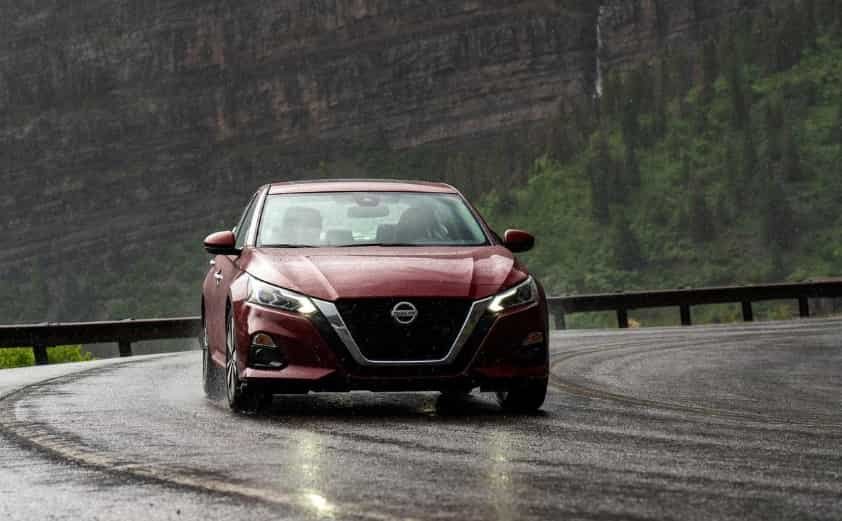
Many drivers ask one simple question: Is Nissan Altima a sports car? The answer may seem obvious at first. After all, the Altima has a bold design, sporty styling, and impressive performance for a midsize sedan. These qualities often lead people to compare it with true sports cars. However, looks alone do not define a sports car.
A real sports car focuses on speed, handling, and driver engagement. Every part of its design supports performance. The Nissan Altima follows a different goal. It combines comfort, efficiency, practicality, and modern technology in one package. As a result, it appeals to commuters, families, and drivers who want an enjoyable daily driving experience.
This guide explains where the Nissan Altima fits in today’s market. You will learn about its engine options, performance, handling, drivetrain, and sporty features. You will also compare it with genuine sports cars and discover what makes each vehicle unique. By the end of this article, you will know whether the Nissan Altima deserves the sports car label and whether it matches your driving needs.
Is the Nissan Altima Considered a Sports Car?
The short answer is no. The Nissan Altima is not a sports car. Nissan builds the Altima as a midsize sedan that balances comfort, efficiency, technology, and everyday practicality. While some trims offer stronger performance and sport inspired styling, the Altima does not meet the key characteristics that define a true sports car.
Many people confuse the Altima with a sports car because of its modern appearance. The sharp front fascia, sculpted body, and available SR trim give the sedan a more aggressive look than many competitors. In addition, some previous models offered a powerful turbocharged engine that delivered quick acceleration. These features make the Altima feel more exciting to drive, but they do not change its primary purpose.
A true sports car puts driving performance above everything else. Manufacturers design these vehicles to deliver quick acceleration, precise handling, and strong driver engagement. They often use lightweight construction, performance tuned suspension, and rear wheel drive to improve balance and cornering. The Nissan Altima takes a different approach. It focuses on comfort, passenger space, fuel economy, and confidence during daily driving.
That does not mean the Altima feels slow or boring. In fact, it offers enough power for highway merging, passing slower traffic, and long distance travel. The steering feels predictable, and the suspension delivers a smooth ride on different road surfaces. Drivers who want a practical sedan with a touch of sporty character often find the Altima a satisfying choice.
The best way to describe the Nissan Altima is as a sporty midsize sedan instead of a sports car. It blends attractive styling with dependable performance and modern features. However, it does not provide the focused driving experience that enthusiasts expect from a dedicated sports car.
What Defines a True Sports Car?
Many vehicles use sporty styling to attract buyers. However, appearance tells only part of the story. A true sports car earns its reputation through engineering, performance, and driving dynamics. Every major component supports one goal, which is to create a more engaging experience behind the wheel.
Performance plays the biggest role. Most sports cars deliver strong acceleration with powerful engines and responsive transmissions. They also maintain a favorable power to weight ratio, which helps them reach higher speeds more quickly. Fast acceleration alone does not create a sports car, but it remains an important part of the formula.
Handling matters just as much as engine power. Sports cars use performance tuned suspension, precise steering, and balanced weight distribution to improve stability through corners. Drivers receive more feedback from the road, which creates a stronger connection with the vehicle. This level of responsiveness separates sports cars from most family sedans.
The drivetrain also influences performance. Many sports cars use rear wheel drive because it improves balance and allows better control during hard acceleration. Some modern models use advanced all wheel drive systems to increase traction without sacrificing performance. By comparison, most Nissan Altima models use front wheel drive, while selected trims offer all wheel drive for improved confidence in poor weather instead of maximum performance.
Vehicle design provides another important clue. Sports cars usually sit lower to the ground and feature a lower center of gravity. This setup reduces body movement during cornering and improves overall handling. The Nissan Altima uses a higher ride height and a more comfort focused suspension because it serves drivers who value everyday usability over track inspired performance.
When you compare these characteristics, the difference becomes clear. The Nissan Altima delivers reliable performance and comfortable driving. A true sports car delivers excitement as its highest priority.
Nissan Altima Engine and Performance
The Nissan Altima delivers dependable performance for everyday driving. It may not compete with dedicated sports cars, but it offers enough power for commuting, highway travel, and long road trips. Nissan designed the Altima to balance performance with comfort and fuel efficiency. This approach makes it a practical choice for drivers who want responsive acceleration without sacrificing daily usability.
Most recent Altima models use a 2.5 liter four cylinder engine. This engine produces up to 188 horsepower in front wheel drive models and slightly less in all wheel drive versions. Power delivery feels smooth, and the engine responds well during normal driving. The Altima also accelerates with confidence when merging onto highways or passing slower vehicles. Although it does not deliver the explosive acceleration of a sports car, it rarely feels underpowered in everyday situations.
Some earlier models offered an advanced 2.0 liter VC Turbo engine. This engine generated up to 248 horsepower when using premium fuel. It also produced strong torque at lower engine speeds, which improved acceleration and made the car feel more responsive. Drivers who wanted extra performance often preferred this version because it provided quicker acceleration than the standard engine. Even so, Nissan still tuned the Altima for comfort and daily driving instead of maximum performance.
The continuously variable transmission also shapes the driving experience. Unlike traditional automatic transmissions, it delivers power through a smooth and seamless operation. This design improves fuel economy and creates a comfortable ride in city traffic. However, many driving enthusiasts prefer conventional automatic or manual transmissions because they provide faster gear changes and a stronger connection between the driver and the vehicle.
Acceleration figures further highlight the Altima’s character. Depending on the engine and model year, most versions reach 60 miles per hour in about seven to eight seconds. That result is respectable for a midsize sedan. However, many modern sports cars complete the same sprint in less than six seconds, while high performance models can do it in well under five seconds.
Fuel economy remains one of the Altima’s strongest advantages. The standard engine delivers competitive efficiency for its class, allowing drivers to travel longer distances with fewer fuel stops. This balance between performance and efficiency makes the Altima more practical than many sports cars, which often consume more fuel because of their larger engines and performance focused tuning.
Overall, the Nissan Altima offers capable performance that meets the needs of most drivers. It delivers smooth acceleration, reliable highway power, and impressive fuel efficiency. These qualities make it an excellent daily driver. However, they do not change its identity. The Altima remains a practical midsize sedan with sporty characteristics rather than a true sports car.
Is the Nissan Altima SR a Sports Car?
Many buyers assume the SR trim transforms the Altima into a sports car. The sporty appearance certainly supports that impression. However, the answer remains no. The SR trim enhances the driving experience, but it does not change the vehicle’s overall classification.
The Altima SR includes several features that create a more athletic feel. It often comes with sport inspired exterior styling, larger alloy wheels, unique interior accents, and sport seats that provide additional support during cornering. Some model years also include paddle shifters and suspension adjustments that make the car feel slightly more responsive on winding roads.
These upgrades improve driver confidence and make the SR trim more engaging than lower trim levels. Steering feels a little sharper, and the suspension reduces body movement during turns. Even so, Nissan still prioritizes ride comfort and everyday practicality. The changes enhance the driving experience without sacrificing the qualities that make the Altima a comfortable family sedan.
A true sports car follows a different philosophy. Engineers design every major component to maximize performance. The engine, chassis, suspension, brakes, and drivetrain all work together to deliver the best possible handling and acceleration. The Altima SR focuses on creating a sportier version of a practical sedan rather than competing with dedicated performance vehicles.
For that reason, the Altima SR fits the description of a sporty midsize sedan instead of a sports car. It offers a more exciting driving experience than the standard model while maintaining the comfort, efficiency, and practicality that most buyers expect from the Altima.
Nissan Altima Handling and Driving Experience
Handling plays an important role when deciding whether a vehicle qualifies as a sports car. The Nissan Altima performs well in everyday conditions, but it delivers a different experience from a dedicated performance vehicle. Nissan designed the Altima to provide stability, comfort, and confidence instead of sharp, track inspired handling.
The steering feels light and predictable in most situations. Drivers can navigate city streets, highways, and parking lots with little effort. The steering also responds quickly enough for daily driving. However, it does not provide the detailed road feedback that driving enthusiasts often expect from a sports car. This setup reduces driver fatigue during long trips, but it also limits the sense of connection between the driver and the road.
The suspension focuses on comfort rather than aggressive cornering. It absorbs bumps and uneven pavement with ease, creating a smooth ride for both the driver and passengers. As a result, the Altima remains comfortable during long commutes and weekend road trips. When the road becomes more challenging, the suspension still maintains good control, although the body leans more in corners than a true sports car.
Available all wheel drive gives the Altima another advantage. The system improves traction on wet roads, snow, and other slippery surfaces. Drivers gain more confidence during poor weather without giving up everyday comfort. Even so, the system does not serve the same purpose as the performance focused all wheel drive found in many high performance vehicles. Its primary goal is safety and stability rather than faster cornering or quicker lap times.
Braking performance also supports the Altima’s role as a practical sedan. The brakes provide consistent stopping power during normal driving and emergency situations. They inspire confidence in daily traffic, but they are not engineered for repeated high speed braking on a race track.
Overall, the Nissan Altima delivers a balanced driving experience. It combines comfort, stability, and predictable handling in a way that suits most drivers. These qualities make it an excellent daily driver, but they do not place it in the same category as a true sports car.
Nissan Altima Design and Sporty Features
The Nissan Altima attracts attention with its modern and athletic appearance. Many people first wonder, is Nissan Altima a sports car, because of the way it looks. Its exterior styling creates a stronger visual impression than many traditional family sedans.
The front fascia features a bold grille and sharp headlights that give the car a confident presence. Flowing body lines improve the overall appearance while creating a sleek profile. Depending on the trim level, the Altima may also include larger alloy wheels, dark exterior accents, and unique styling details that reinforce its sporty image.
Inside the cabin, Nissan combines comfort with modern design. The dashboard has a clean layout that keeps important controls within easy reach. Higher trim levels add premium materials, contrast stitching, and sport inspired seats that provide extra support during longer drives. These upgrades improve the overall driving experience while maintaining the spacious cabin that buyers expect from a midsize sedan.
Technology also contributes to the Altima’s appeal. Many models include a touchscreen infotainment system, smartphone integration, advanced driver assistance features, and digital displays that enhance convenience. These features help the Altima compete with other modern sedans, although they do not influence whether the vehicle qualifies as a sports car.
Sporty styling can change the way people perceive a vehicle, but appearance alone cannot redefine its purpose. The Nissan Altima offers an athletic design and several performance inspired features. However, it still prioritizes comfort, efficiency, and practicality over pure driving performance.
Nissan Altima vs. a True Sports Car
Comparing the Nissan Altima with a true sports car makes the differences much easier to understand. Both vehicles can deliver an enjoyable driving experience, but they target very different types of drivers.
A sports car places performance above everything else. Engineers focus on powerful engines, responsive steering, precise handling, and balanced weight distribution. These vehicles often accelerate faster, corner with greater confidence, and provide stronger feedback through the steering wheel. Drivers who enjoy spirited driving usually appreciate these characteristics.
The Nissan Altima follows a different philosophy. It delivers reliable performance while placing greater importance on comfort and practicality. The spacious cabin accommodates five passengers with ease, and the large trunk provides generous cargo space for shopping, travel, or daily errands. Fuel efficiency also remains one of its strongest advantages, especially when compared with many performance vehicles.
Ownership costs create another important difference. Sports cars often require more expensive tires, brakes, insurance, and maintenance because manufacturers build them for higher performance. The Nissan Altima generally costs less to own over time, making it an attractive option for drivers who value long term affordability.
The driving experience also reflects these priorities. A sports car encourages aggressive driving on winding roads and rewards skilled drivers with exceptional control. The Altima delivers smooth acceleration, predictable handling, and excellent comfort during everyday travel. While both vehicles serve their owners well, they succeed for very different reasons.
For most buyers, the Nissan Altima provides the better balance between performance and practicality. Drivers who prioritize excitement above everything else will likely prefer a dedicated sports car. Those who want comfort, efficiency, and dependable performance will find the Altima a much more practical choice.
Nissan Altima vs. Nissan Z
The Nissan Altima and the Nissan Z carry the same brand name, but they serve very different purposes. The Altima focuses on everyday comfort and practicality. The Nissan Z focuses on performance and driving excitement. Comparing these two models clearly shows why the Altima is not a sports car.
The biggest difference lies under the hood. The Nissan Z uses a powerful twin turbocharged V6 engine that produces significantly more horsepower than the Altima. It delivers rapid acceleration and responds quickly when drivers press the throttle. The Altima offers smooth and reliable performance, but its engine targets efficiency and daily usability instead of maximum speed.
The drivetrain also separates these vehicles. The Nissan Z sends power to the rear wheels, which improves balance and handling during spirited driving. Most Nissan Altima models use front wheel drive, while selected versions offer all wheel drive for better traction in poor weather. This setup makes the Altima easier to drive every day, but it does not provide the same level of driver engagement.
Handling creates another clear distinction. The Nissan Z features a performance focused suspension, responsive steering, and a low center of gravity. These characteristics help the car remain stable during fast cornering. The Altima delivers a smooth and comfortable ride that works well on city streets and highways. Its suspension absorbs road imperfections more effectively, but it does not encourage aggressive driving.
Practicality favors the Altima. It offers four doors, comfortable seating for five passengers, and a spacious trunk. Families, commuters, and business professionals often appreciate this flexibility. The Nissan Z sacrifices interior space to improve performance, making it a better choice for enthusiasts than for everyday family use.
Ownership costs also differ. The Altima generally costs less to insure, maintain, and fuel over time. The Nissan Z often requires higher maintenance expenses because of its performance oriented components. Buyers should consider these long term costs before choosing between the two models.
The comparison highlights an important point. The Nissan Altima succeeds as a comfortable and practical sedan with sporty qualities. The Nissan Z succeeds as a genuine sports car that places performance above everyday convenience.
Advantages of Choosing the Nissan Altima
The Nissan Altima offers several strengths that appeal to a wide range of drivers. It provides a comfortable cabin, supportive seating, and generous passenger space for everyday travel. The suspension delivers a smooth ride that remains comfortable on long highway trips as well as city streets.
Fuel efficiency is another major advantage. Drivers can cover long distances without frequent stops for fuel. This efficiency helps reduce operating costs throughout the year and makes the Altima an excellent option for commuters.
Many models also offer advanced safety technology. Features such as automatic emergency braking, lane departure warning, and adaptive cruise control increase driver confidence and improve everyday convenience.
Available all wheel drive adds another benefit. Drivers who experience rain, snow, or icy roads can enjoy better traction without giving up comfort or fuel economy. This feature makes the Altima more versatile than many competitors in the midsize sedan segment.
Finally, the Altima delivers a balanced driving experience. It combines modern styling, dependable performance, and practical features in one well rounded package. These qualities make it an attractive choice for drivers who value reliability and everyday usability.
Disadvantages for Performance Enthusiasts
The Nissan Altima delivers a comfortable and confident driving experience, but it may not satisfy drivers who expect the excitement of a true sports car. Although it offers respectable power and modern technology, Nissan designed the Altima for daily transportation rather than high performance driving. As a result, several aspects of the vehicle may feel limiting to performance enthusiasts.
One of the biggest drawbacks is the front wheel drive based platform. While front wheel drive improves stability and efficiency during everyday driving, it cannot match the balanced handling and dynamic feel of a rear wheel drive sports car. Drivers looking for precise cornering and better weight distribution may notice the difference, especially on winding roads.
The suspension also prioritizes ride comfort over aggressive handling. It absorbs road imperfections well and keeps passengers comfortable on long trips. However, it allows more body movement during hard cornering than a performance oriented suspension. This setup reduces the sharp and responsive feel that many enthusiasts prefer.
Another limitation is the continuously variable transmission. The transmission delivers smooth acceleration and excellent fuel economy, but it lacks the quick and engaging gear changes offered by traditional automatic or manual transmissions. Drivers who enjoy full control over gear selection may find the driving experience less rewarding.
Engine performance presents another compromise. The Altima provides enough power for confident highway driving and everyday commuting, but it does not deliver the rapid acceleration expected from a dedicated sports car. Even the more powerful engine options focus on smooth power delivery instead of maximum performance.
For drivers who prioritize comfort, efficiency, and practicality, these characteristics are clear advantages. However, enthusiasts who seek faster acceleration, sharper handling, and greater driver engagement will likely prefer a purpose built sports car over the Nissan Altima.
Who Should Buy the Nissan Altima?
The Nissan Altima is an excellent choice for drivers who want a comfortable, reliable, and practical midsize sedan. It suits people who spend a lot of time commuting, traveling on highways, or running daily errands. Instead of focusing only on performance, the Altima delivers a balanced combination of comfort, fuel efficiency, modern technology, and everyday convenience.
Daily commuters will appreciate the Altima’s smooth ride and predictable handling. The suspension absorbs bumps with ease, while the comfortable seats help reduce fatigue during longer drives. In addition, the fuel efficient engine helps lower running costs, making the Altima an economical option for drivers who cover many miles each year.
Families and professionals can also benefit from the Altima’s spacious interior. The cabin provides generous legroom for both front and rear passengers, and the large trunk offers plenty of space for luggage, groceries, or sports equipment. These practical features make the Altima well suited for both everyday use and weekend road trips.
Drivers who live in areas with changing weather conditions may find the available all wheel drive system especially valuable. It improves traction on wet, snowy, or slippery roads while maintaining the comfort and efficiency expected from a midsize sedan. This added confidence makes the Altima a dependable year round vehicle.
The Altima also appeals to buyers who enjoy sporty styling without the compromises of a true sports car. Its modern exterior, responsive performance, and advanced technology create an enjoyable driving experience without sacrificing passenger comfort or practicality. If you want a sedan that looks athletic, performs confidently, and remains easy to own, the Nissan Altima is a strong choice. It offers the versatility needed for everyday life while delivering enough performance to keep driving enjoyable.
Who Should Consider a True Sports Car Instead?
A true sports car is the better choice for drivers who value performance above comfort and practicality. If your ideal drive includes quick acceleration, sharp cornering, and precise steering, a sports car will deliver a more rewarding experience than the Nissan Altima. These vehicles are engineered to maximize speed, balance, and driver engagement, making every journey feel more exciting.
Performance enthusiasts often appreciate the unique characteristics that sports cars provide. Most models feature powerful engines, responsive transmissions, and performance tuned suspension systems that improve control during spirited driving. Many also use rear wheel drive or advanced all wheel drive systems to enhance traction and handling. These engineering choices create a stronger connection between the driver and the road, especially on winding roads or race tracks.
A sports car also suits drivers who enjoy weekend road trips, scenic mountain routes, or track day events. Instead of focusing on passenger comfort, these vehicles prioritize agility and responsiveness. Every input through the steering wheel, accelerator, and brakes feels more immediate, allowing experienced drivers to enjoy a higher level of confidence and control.
However, owning a sports car often requires compromise. Most models offer less interior space, smaller cargo areas, and firmer suspension systems than a midsize sedan. They may also have higher fuel consumption, insurance premiums, and maintenance costs. Buyers should carefully consider these factors before making a decision.
If you need a vehicle for daily commuting, family travel, or long highway trips, the Nissan Altima remains the more practical option. On the other hand, if your primary goal is driving excitement and performance, a dedicated sports car will better match your expectations. Choosing the right vehicle ultimately depends on how you plan to use it and which qualities matter most in your everyday driving experience.
Frequently Asked Questions
Is the Nissan Altima a sports car?
No. The Nissan Altima is a midsize sedan with sporty styling and capable performance. It does not meet the engineering standards that define a true sports car.
Is the Nissan Altima SR a sports car?
No. The SR trim adds sport inspired styling and handling upgrades, but it remains a sporty midsize sedan rather than a dedicated sports car.
Is the Nissan Altima fast?
The Altima provides strong acceleration for everyday driving and highway travel. However, it does not accelerate as quickly as most modern sports cars.
Does the Nissan Altima offer all wheel drive?
Yes. Selected trims include an available all wheel drive system that improves traction on wet and slippery roads.
What Nissan model is a true sports car?
The Nissan Z is Nissan’s dedicated sports car. It features a powerful engine, rear wheel drive, and performance focused engineering that clearly separate it from the Altima.
Final Verdict
So, is Nissan Altima a sports car? The answer is no. The Nissan Altima is a midsize sedan that combines comfort, efficiency, technology, and dependable performance for everyday driving. Its sporty design and available performance upgrades may create the appearance of a sports car, but its engineering follows a different purpose.
The Altima delivers smooth acceleration, predictable handling, and excellent practicality. It also provides a spacious cabin, competitive fuel efficiency, and advanced safety features that make daily driving easier and more enjoyable. These strengths explain why it remains one of the most popular midsize sedans on the market.
Drivers who want an attractive sedan with a touch of sporty character will likely appreciate everything the Nissan Altima offers. However, drivers who seek maximum speed, sharp handling, and an engaging driving experience should consider a dedicated sports car such as the Nissan Z. Understanding this distinction helps buyers choose the vehicle that best matches their lifestyle, driving habits, and long term expectations.