The most common Nissan Versa problems involve the CVT transmission, engine performance, electrical components, steering, suspension, brakes, and air conditioning. Among these issues, CVT failure deserves the most attention because it can cause shuddering, delayed acceleration, whining noises, overheating, and sudden loss of power. Transmission repairs can also cost more than most other mechanical repairs on this subcompact car.
Nissan Versa reliability varies by model year, transmission type, mileage, maintenance history, and previous driving conditions. Earlier second generation models with a CVT require a more detailed inspection, especially when the vehicle has high mileage or incomplete service records. However, a model year with a poor reputation is not automatically a bad purchase. A well maintained vehicle can remain dependable, while a neglected newer model can develop expensive problems.
This guide explains the main Nissan Versa problems, their warning signs, possible causes, affected model years, repair options, and prevention methods. It also identifies the years that require the most caution and explains how to inspect a used Nissan Versa before buying it. The final goal is to help owners diagnose problems early and help buyers avoid vehicles with serious transmission, safety, or structural defects.
What Are the Most Common Nissan Versa Problems?
The Nissan Versa suffers from several recurring mechanical and electrical problems. The most common issues involve the CVT transmission, engine performance, electrical components, steering, suspension, brakes, and air conditioning. Most owners report transmission complaints more often than any other repair.
The CVT transmission creates the biggest ownership risk. Many drivers notice shuddering, delayed acceleration, or whining noises before the transmission fails. Some vehicles also lose power while driving. Early diagnosis often prevents more expensive internal damage.
Engine problems appear less frequently, but they still affect everyday driving. Drivers may experience rough idling, hesitation, poor fuel economy, or a check engine light. Dirty throttle bodies, worn ignition components, and faulty sensors often cause these symptoms. A diagnostic scan helps identify the real fault before replacing parts.
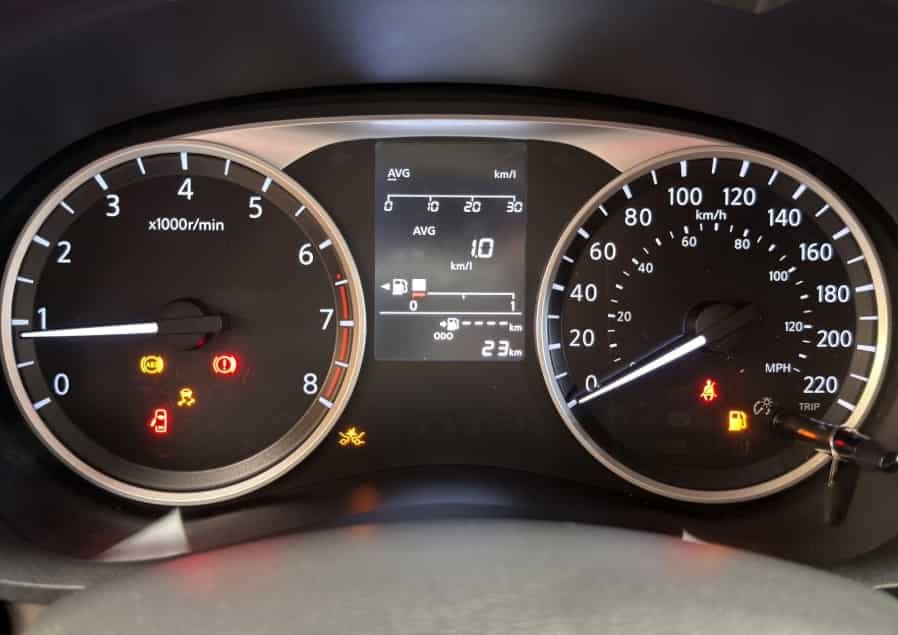
Electrical issues usually begin with starting problems or warning lights. A weak battery or failing alternator can affect several electronic systems at once. As a result, multiple dashboard warnings may appear even though only one component has failed. Testing the charging system first saves both time and repair costs.
Suspension, steering, and brake components normally wear as mileage increases. Drivers may hear clunking noises, feel steering vibration, or notice uneven tire wear. Brake problems often start with squealing before progressing to grinding or reduced stopping performance. Air conditioning faults usually affect comfort rather than safety, but early repairs often cost less than waiting for complete system failure.
Knowing these common Nissan Versa problems helps owners react sooner. It also helps used car buyers separate routine maintenance from expensive mechanical repairs before making a purchase decision.
Why Does the Nissan Versa CVT Develop Problems?
The CVT transmission causes the most expensive Nissan Versa repairs because it relies on precise hydraulic pressure and continuous belt movement. Unlike a conventional automatic transmission, a CVT changes gear ratios without fixed gears. This design improves fuel economy and creates smoother acceleration, but it also demands clean transmission fluid and stable operating temperatures.
Several factors increase the risk of CVT failure. Old transmission fluid loses its ability to protect internal components. Excessive heat also breaks down the fluid and reduces hydraulic pressure. As a result, the belt and pulleys experience more friction, which speeds up internal wear. In some vehicles, a faulty valve body or transmission control module creates similar symptoms even when the internal components remain in good condition.
Drivers usually notice small changes before the transmission fails completely. The vehicle may hesitate during acceleration or respond slowly after shifting into Drive. Some owners hear a whining sound that becomes louder as speed increases. Others notice the engine revving higher than normal while the vehicle accelerates slowly. These warning signs often appear long before complete transmission failure.
Early diagnosis gives owners more repair options. A technician should inspect the transmission fluid, scan the control module, and perform a road test before replacing major parts. In some cases, software updates, sensor repairs, or valve body replacement solve the problem. However, severe internal damage usually requires a complete transmission replacement.
Regular maintenance remains the best way to reduce long-term CVT problems. Owners should inspect the transmission whenever unusual noises, delayed shifting, or vibration appear. Ignoring these symptoms allows internal damage to spread, which often turns a moderate repair into one of the most expensive repairs on the entire vehicle.
What Engine Problems Affect the Nissan Versa?
Engine problems occur less often than CVT failures, but they can still affect the Nissan Versa’s reliability. Most owners report rough idling, hesitation during acceleration, poor fuel economy, or an illuminated check engine light. These symptoms usually develop gradually instead of appearing without warning.
Several components can trigger engine performance issues. Worn spark plugs reduce combustion efficiency and increase the risk of misfires. Dirty throttle bodies restrict airflow and make acceleration feel sluggish. Faulty ignition coils, mass airflow sensors, and fuel injectors also affect engine performance. In addition, vacuum leaks can upset the air and fuel mixture, which leads to unstable idle speed and reduced power.
Some engine symptoms look similar to transmission problems. For example, the engine may rev higher than expected while the vehicle struggles to accelerate. Many drivers assume the engine has failed, but the CVT often causes this behavior. A complete inspection helps technicians identify the real source of the problem before replacing expensive parts.
Drivers should never ignore warning signs. A flashing check engine light usually indicates an active misfire that can damage the catalytic converter. Loud knocking noises, severe vibration, or repeated stalling also require immediate attention. Continuing to drive under these conditions increases the chance of more serious mechanical damage.
Routine maintenance plays an important role in preventing engine problems. Replacing spark plugs on schedule, cleaning the throttle body, and using high-quality engine oil help the engine operate efficiently. Regular inspections also allow technicians to detect small faults before they become major repairs. Early maintenance reduces repair costs and helps the Nissan Versa deliver more reliable long-term performance.
What Electrical Problems Occur in the Nissan Versa?
Electrical problems are common concerns among Nissan Versa owners because modern vehicles depend on multiple electronic systems. The most frequent issues include starting problems, weak battery performance, warning lights, faulty sensors, and intermittent accessories. These problems can appear confusing because one electrical fault may affect several systems at the same time.
A weak battery often creates the first signs of an electrical problem. Drivers may experience slow engine cranking, dim headlights, or difficulty starting the vehicle. A failing alternator can create similar symptoms because it cannot maintain stable voltage while the engine runs. Testing battery health and alternator output helps identify the real cause before replacing other components.
Multiple dashboard warning lights do not always indicate several failures. Low voltage from a weak battery or unstable charging system can interrupt communication between electronic control modules. As a result, the Nissan Versa may display warning messages for systems that still work correctly. Technicians should test the charging system and scan vehicle modules before replacing expensive electronic parts.
Other electrical problems involve sensors, switches, wiring, and control modules. Faulty wheel speed sensors can trigger ABS warnings. Damaged wiring can create intermittent failures that disappear and return later. Problems with key recognition systems, power windows, or door locks may also result from electrical faults rather than mechanical damage.
Regular electrical inspections help prevent unexpected failures. Owners should check battery condition, clean corrosion from terminals, and repair warning lights as soon as they appear. Early diagnosis reduces unnecessary part replacements and helps maintain the Nissan Versa’s reliability over time.
What Steering and Suspension Problems Affect the Nissan Versa?
Steering and suspension problems affect the Nissan Versa as mileage increases and components begin to wear. These issues can reduce driving comfort, handling stability, and safety. The most common complaints involve steering noise, vibration, uneven tire wear, worn suspension parts, and reduced steering response.
The steering system can develop problems with components such as the steering column, electric power steering system, tie rods, and related connections. Some drivers notice a heavier steering feel or unusual noises while turning. A sudden loss of steering assistance requires immediate inspection because it can affect vehicle control and increase driving risk.
Suspension wear usually appears through physical signs during daily driving. Drivers may hear clunking sounds when passing over bumps or rough roads. The vehicle may also feel unstable during cornering or braking. Common causes include worn struts, damaged control arm bushings, weak shock absorbers, and failing sway bar links. These components support wheel movement and help maintain proper contact between the tires and road surface.
Wheel and tire problems can create symptoms that appear similar to suspension failures. A humming noise that changes with vehicle speed may indicate a worn wheel bearing. Steering vibration at highway speeds may result from tire imbalance, wheel damage, brake problems, or worn suspension components. A proper inspection helps identify the correct source instead of replacing unrelated parts.
Regular suspension checks help maintain Nissan Versa reliability. Owners should inspect tire wear patterns, steering response, and unusual noises during routine maintenance. Early repairs prevent additional damage and help preserve handling performance over the vehicle’s lifespan.
What Brake and Air Conditioning Problems Occur in the Nissan Versa?
Brake and air conditioning problems affect the Nissan Versa in different ways. Brake issues directly influence driving safety, while air conditioning failures mainly affect comfort. Both systems require regular inspection because small problems can become more expensive when owners delay repairs.
Brake problems usually begin with early warning signs. Drivers may notice squealing sounds, grinding noises, brake pedal vibration, or reduced stopping performance. Worn brake pads create noise when the friction material becomes thin. Damaged rotors can cause steering vibration during braking. A soft brake pedal may indicate problems with brake fluid, hydraulic pressure, or other braking components.
The severity of brake problems depends on the failed component. Light brake noise may only require routine maintenance, but grinding sounds often indicate advanced wear. A vehicle that pulls to one side while braking may have uneven pad wear, a sticking caliper, or another mechanical issue. Owners should inspect brake components quickly because braking performance directly affects vehicle safety.
Air conditioning problems are less dangerous but can reduce ownership satisfaction. Common symptoms include weak cooling, warm air from the vents, inconsistent temperature control, and unusual compressor noises. These problems often come from refrigerant leaks, compressor wear, electrical faults, or blower motor issues. Adding refrigerant without finding the source of a leak only provides a temporary solution.
A proper air conditioning diagnosis requires pressure testing, leak inspection, and electrical checks. Technicians should confirm the failed component before replacing expensive parts. Regular maintenance, including cabin air filter inspection and system checks, helps the Nissan Versa maintain reliable climate control performance.
Which Nissan Versa Model Years Have the Most Problems?
Nissan Versa reliability changes significantly between model years because each generation uses different components, designs, and production updates. Older vehicles usually develop more problems because of age and mileage. However, some model years require closer inspection because owners reported more transmission-related concerns and Nissan released technical information for certain CVT-equipped vehicles.
The 2007 to 2011 Nissan Versa models often show age-related problems rather than one dominant mechanical failure. Common concerns include worn suspension components, electrical issues, aging rubber parts, and drivetrain wear. At this age, maintenance history becomes more important than the model year itself. A well-maintained older Versa can perform better than a newer vehicle with neglected service.
The 2012 to 2015 Nissan Versa models require the most careful inspection because CVT transmission complaints received significant attention. Some vehicles experienced symptoms such as hesitation, vibration, delayed acceleration, and transmission noise. Buyers should review maintenance records, check for previous transmission repairs, and complete a professional inspection before purchasing these model years.
The 2016 to 2017 Nissan Versa models still require CVT evaluation, especially when mileage increases. Later production years may benefit from manufacturing improvements, but they can still develop problems when owners ignore maintenance or operate the vehicle under severe conditions.
The 2018 and newer Nissan Versa models generally have fewer age-related concerns because they have lower mileage and newer components. However, buyers should still verify recall status, maintenance records, accident history, and overall vehicle condition. A newer model year does not automatically guarantee reliability.
The most important factor when evaluating a Nissan Versa is not the year alone. Buyers should consider transmission behavior, service history, previous repairs, mileage, and inspection results. These factors provide a more accurate reliability assessment than a simple model-year ranking.
Which Nissan Versa Years Should You Avoid?
Buyers should avoid Nissan Versa vehicles with unresolved transmission symptoms, poor maintenance records, serious accident history, or unknown repair backgrounds. Model year alone does not determine whether a Versa is a good or bad purchase. However, some years require stricter inspection because certain vehicles have a higher risk of expensive repairs.
The 2012 to 2015 Nissan Versa models deserve the most attention during a used car inspection. These vehicles commonly used CVT transmissions, and some owners reported problems involving hesitation, vibration, delayed acceleration, and transmission failure. A buyer should not automatically reject every Versa from this period, but the vehicle should have complete service records and a successful transmission inspection.
A Nissan Versa becomes a risky purchase when the CVT shows abnormal behavior. Warning signs include slow engagement into Drive or Reverse, unusual whining sounds, repeated overheating warnings, and hesitation during acceleration. These symptoms may indicate internal wear, control issues, or insufficient maintenance. Ignoring these signs can lead to expensive transmission repairs.
Buyers should also avoid any Nissan Versa with unclear ownership history. Missing maintenance records, recently cleared warning lights, flood damage, structural repairs, or a seller who refuses an independent inspection are major concerns. These factors often create more risk than the vehicle’s model year.
The best buying decision depends on the vehicle’s actual condition. A well-maintained Versa from a higher-risk year can be a better choice than a newer vehicle with poor maintenance. Buyers should focus on transmission performance, repair history, recall status, and inspection results before making a final decision.
How Much Does It Cost to Fix Nissan Versa Problems?
Nissan Versa repair costs depend on the failed component, labor rates, vehicle condition, and the type of replacement parts used. Small repairs usually involve routine maintenance or individual components, while major failures such as CVT replacement can create a much higher ownership expense. Understanding the repair category helps owners decide whether fixing the vehicle makes financial sense.
Low to medium cost repairs usually involve batteries, sensors, switches, fuses, and basic electrical components. These repairs often require less labor and do not involve major mechanical systems. Brake maintenance, such as replacing brake pads or rotors, usually falls into a medium cost category because the final price depends on the parts replaced and the condition of related components.
Suspension repairs also vary based on the number of worn parts. Replacing a single component, such as a sway bar link or bushing, usually costs less than repairing multiple suspension parts at the same time. However, delaying suspension repairs can create additional problems, including uneven tire wear and reduced handling performance.
CVT transmission repairs represent the largest financial risk for many Nissan Versa owners. Some vehicles may only need software updates, sensor repairs, fluid service, or valve body repairs. Other vehicles with severe internal damage may require complete transmission replacement. A proper diagnosis is essential because replacing the entire transmission before confirming the failure can create unnecessary expenses.
Repair decisions should consider the vehicle’s overall condition. A Nissan Versa with strong maintenance records and one isolated repair may still provide good value. However, a high mileage vehicle with transmission failure, structural damage, and multiple mechanical problems may cost more to repair than the vehicle is worth.
The best way to control Nissan Versa repair costs is early diagnosis and preventive maintenance. Addressing warning signs quickly reduces the chance of secondary damage and helps owners avoid larger repair bills in the future.
How Can Nissan Versa Problems Be Prevented?
Nissan Versa problems can be reduced through regular maintenance, early diagnosis, and careful driving habits. Maintenance cannot eliminate every manufacturing defect or unexpected failure, but it helps protect major components and reduces avoidable repairs. A consistent service history also increases the vehicle’s value and makes future diagnosis easier.
Transmission maintenance plays an important role in preventing serious CVT problems. Owners should follow the recommended service schedule and use the correct Nissan specified CVT fluid when required. They should also inspect for fluid leaks and pay attention to early warning signs such as hesitation, vibration, unusual noises, or delayed acceleration. Addressing these symptoms early can prevent additional internal transmission damage.
Engine reliability improves when owners maintain basic components regularly. Replacing spark plugs, changing engine oil on schedule, cleaning the throttle body when necessary, and repairing warning lights quickly help the engine operate efficiently. Small issues often create larger problems when owners ignore them for long periods.
Electrical problems become easier to manage when owners monitor battery condition and charging performance. Corroded terminals, weak batteries, and unstable alternators can create multiple system warnings. Regular voltage checks help identify charging problems before they affect other electronic components.
Owners should also inspect brakes, tires, steering, and suspension components during routine maintenance. Unusual noises, vibration, uneven tire wear, or changes in handling often indicate developing problems. Early repairs usually cost less than fixing damage caused by long-term neglect.
Preventive care is especially important for used Nissan Versa owners. Keeping complete maintenance records, responding quickly to warning signs, and completing regular inspections help extend vehicle life. A properly maintained Nissan Versa has a much lower risk of developing expensive reliability problems.
How Should You Inspect a Used Nissan Versa Before Buying It?
A used Nissan Versa requires a complete inspection before purchase because reliability depends on vehicle condition, maintenance history, and previous ownership. A clean appearance does not always indicate a reliable vehicle. Buyers should check mechanical systems, electronic components, safety records, and repair history before making a final decision.
The first step is checking the vehicle identification number and ownership history. A VIN report can reveal accident records, previous ownership, mileage inconsistencies, and reported damage. Buyers should also verify whether the vehicle has open recalls and confirm that previous recall repairs have been completed.
The transmission inspection requires special attention on CVT equipped Nissan Versa models. During a test drive, buyers should check for delayed engagement, unusual noises, vibration, hesitation, or slow acceleration. The vehicle should accelerate smoothly at both low and higher speeds. Any abnormal transmission behavior should be investigated before purchase.
A diagnostic scan provides additional information about hidden problems. Buyers should check stored fault codes, pending codes, and readiness monitors. Recently cleared codes may indicate that someone removed warning messages before the inspection. A complete scan of the engine, transmission, ABS, and airbag systems provides a clearer picture of the vehicle’s condition.
Maintenance records also reveal how previous owners cared for the vehicle. Important records include oil changes, transmission services, brake repairs, battery replacement, tire replacement, and recall completion. A vehicle with consistent records usually provides more confidence than one with an unknown service history.
An independent pre purchase inspection remains one of the most effective ways to avoid expensive repairs. A professional technician can identify mechanical problems that are difficult for buyers to notice during a short test drive. Careful inspection helps buyers choose a Nissan Versa based on real condition instead of relying only on mileage or model year.
Is the Nissan Versa Reliable Enough to Buy Used?
The Nissan Versa can be a reliable used car when buyers choose the right vehicle and complete a careful inspection. Its low purchase price, simple design, and good fuel economy make it attractive for drivers who need affordable transportation. However, reliability depends heavily on transmission condition, maintenance history, mileage, and previous ownership.
The CVT transmission remains the most important factor when evaluating a used Nissan Versa. Buyers should pay close attention to acceleration behavior, shifting response, unusual noises, and service records. A Versa with smooth transmission operation and complete maintenance documentation can still provide good value, even if it belongs to a model year that requires additional inspection.
A used Nissan Versa becomes a poor choice when it has unresolved mechanical problems or unclear history. Warning signs include transmission hesitation, recently cleared diagnostic codes, missing maintenance records, accident damage, flood history, and sellers who refuse professional inspections. These problems often create unexpected repair costs after purchase.
Buyers should also consider the vehicle’s purpose. The Nissan Versa works well for drivers who prioritize fuel efficiency, affordable ownership, and practical transportation. It may not suit buyers who need strong performance, heavy towing capability, or premium features.
The final buying decision should focus on the individual vehicle rather than the model name alone. A properly maintained Nissan Versa with a clean history and successful inspection can be a practical purchase. A neglected example with transmission issues or hidden damage should be avoided regardless of its price.
Should You Buy a Nissan Versa With Known Problems?
Nissan Versa problems vary from simple maintenance issues to expensive mechanical failures. The CVT transmission remains the most important concern because transmission repairs can significantly affect ownership costs. Engine issues, electrical faults, steering problems, suspension wear, brake concerns, and air conditioning failures also influence the long term ownership experience.
A Nissan Versa is not automatically a bad purchase because of its model year. The vehicle’s actual condition matters more than the nameplate or mileage alone. A well maintained Versa with complete service records, normal transmission behavior, and no unresolved safety issues can provide reliable transportation for many years.
However, buyers should avoid vehicles with serious warning signs. Transmission hesitation, unusual noises, missing maintenance records, structural damage, flood history, and unclear repair backgrounds can create expensive problems after purchase. A professional inspection remains one of the best ways to identify hidden issues before spending money.
The best approach is to evaluate the Nissan Versa as an individual vehicle. Check the VIN history, review maintenance records, complete a diagnostic scan, and perform a detailed road test before making a decision. When buyers choose carefully, maintain the vehicle properly, and address problems early, the Nissan Versa can remain an affordable and practical used car.