
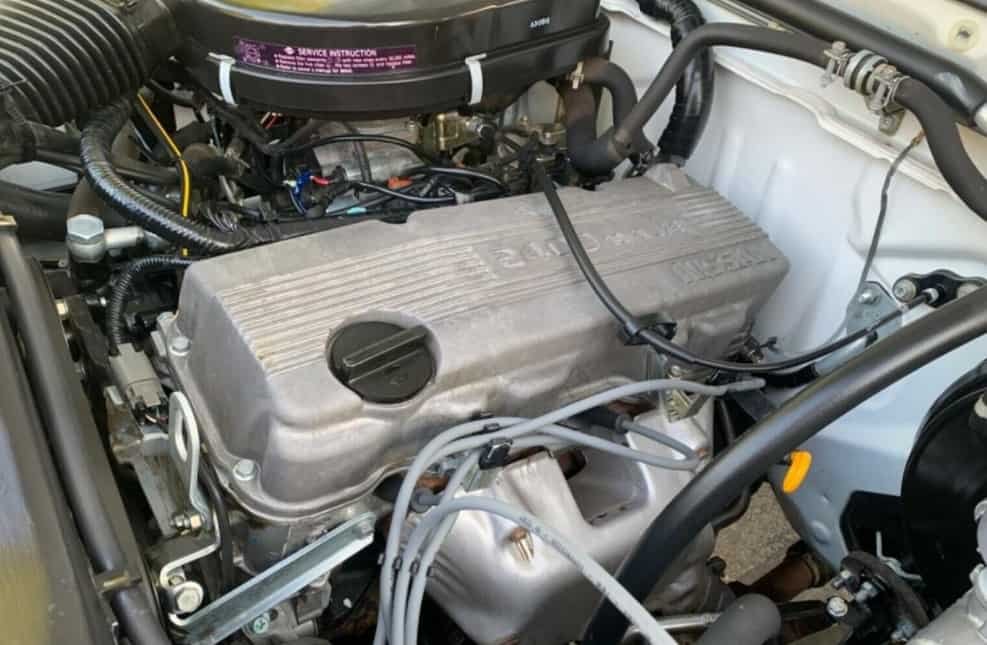
Adjusting idle on a 1995 Nissan Pickup starts with checking the engine condition and finding the correct idle control system. A proper idle setting keeps the engine running smoothly. It also helps prevent stalling, unstable RPM, and poor throttle response.
The 1995 Nissan Pickup, also called the Nissan Hardbody D21, uses different idle systems depending on the engine type. Common engines include the KA24E, Z24, and VG30. Each engine may require a different adjustment process.
Before you change the idle speed, inspect the main components that control engine airflow. These components include the throttle body, Idle Air Control Valve (IAC valve), throttle position sensor, vacuum lines, and ignition timing. A faulty component can create idle problems even after an adjustment.
Many idle issues come from incorrect airflow, vacuum leaks, or sensor problems. Adjusting the idle without checking these areas can lead to temporary results. A complete inspection helps identify the real cause of the problem.
This guide explains how to adjust idle on a 1995 Nissan Pickup. It covers the required tools, adjustment steps, correct idle speed, and solutions for common idle problems.
How Do You Adjust Idle On A 1995 Nissan Pickup?
Adjusting idle on a 1995 Nissan Pickup requires a correct inspection process and the right adjustment method for the installed engine system. The first step is to confirm that the engine operates normally before changing the idle setting. A warm engine provides the most accurate RPM reading because the fuel system and airflow control work under normal conditions.
Start by running the engine until it reaches operating temperature. Turn off electrical accessories such as the air conditioner, headlights, and additional loads that can affect idle speed. Check that the throttle cable moves smoothly and that the throttle plate closes completely when you release the accelerator pedal.
The adjustment method depends on the engine configuration. Some Nissan Pickup models use a mechanical idle adjustment screw near the throttle body. Other models use electronic idle control components such as the Idle Air Control Valve (IAC valve) and Engine Control Unit (ECU) to maintain idle speed.
Before changing the idle setting, inspect related components such as vacuum hoses, throttle body condition, ignition timing, and sensors. These parts directly affect engine airflow and RPM stability. A vacuum leak or faulty sensor can create an incorrect idle condition that an adjustment cannot permanently fix.
After confirming the engine condition, measure the current idle RPM with a tachometer. Adjust the idle setting slowly and check the RPM after each small change. A gradual adjustment prevents excessive idle speed changes and helps maintain smooth engine operation.
What Tools Do You Need To Adjust The Idle Speed?
Adjusting idle speed on a 1995 Nissan Pickup requires several basic tools to measure, access, and verify the engine setting. The most important tool is a tachometer because idle adjustment depends on accurate RPM measurement. Without a proper RPM reading, the adjustment may create a high idle, low idle, or unstable engine condition.
A screwdriver is commonly required for models that use an idle adjustment screw. The adjustment screw controls the amount of air entering the engine at idle. Turning the screw changes airflow, which directly affects engine speed when the accelerator pedal is released.
A vacuum gauge can help diagnose problems before adjustment. The gauge measures engine vacuum and helps identify conditions such as intake leaks, incorrect ignition timing, or poor engine sealing. These problems often create idle symptoms that look like adjustment issues.
Basic hand tools may also help when accessing throttle body components or removing protective covers. Some Nissan Hardbody D21 models require access to specific engine areas before you can inspect the idle control system.
A Nissan service manual is another important resource because different engines have different idle specifications. The KA24E, Z24, and VG30 engines may use different procedures and RPM settings. Using the correct specification prevents unnecessary adjustments and protects engine performance.
The correct tools make the adjustment process faster and more accurate. They also help identify whether the idle problem comes from incorrect adjustment or another mechanical issue.
Where Is The Idle Adjustment Screw On A 1995 Nissan Pickup?
The idle adjustment screw location on a 1995 Nissan Pickup depends on the engine type and throttle system installed in the vehicle. Most Nissan Hardbody D21 models place the idle adjustment point near the throttle body because this area controls the amount of air entering the engine when the throttle remains closed.
On models with a mechanical idle adjustment system, the idle adjustment screw is usually located on or near the throttle body assembly. The screw controls the bypass air passage around the throttle plate. Turning the screw changes the amount of air entering the engine at idle, which increases or decreases engine RPM.
Some 1995 Nissan Pickup models use electronic idle control instead of a simple adjustment screw. These vehicles use an Idle Air Control Valve (IAC valve) controlled by the Engine Control Unit (ECU). The ECU adjusts airflow automatically based on engine temperature, electrical load, and operating conditions. In these systems, manually turning an idle screw may not solve the problem and can create an incorrect idle setting.
The easiest way to identify the correct adjustment point is to follow the air intake path from the air filter housing to the throttle body. The throttle body connects the intake system to the engine and contains the components that regulate airflow. The idle control components are usually attached to this area.
Before adjusting any screw, confirm the engine type and idle control design. The KA24E, Z24, and VG30 engines can use different configurations. Checking the correct service information prevents accidental changes to factory settings and helps maintain proper engine operation.
How Does The Idle Control System Work On A Nissan Hardbody D21?
The idle control system on a Nissan Hardbody D21 maintains a stable engine speed when the accelerator pedal is released. The system controls the amount of air and fuel entering the engine during idle operation. A balanced airflow supply allows the engine to run smoothly without stalling or excessive RPM changes.
The main components involved in idle control include the throttle body, throttle plate, Idle Air Control Valve, throttle position sensor, and Engine Control Unit. Each component performs a specific function in maintaining engine speed.
The throttle body controls the main airflow entering the engine. When the driver releases the accelerator pedal, the throttle plate closes and limits airflow. The idle control system then provides the small amount of air required to keep the engine running.
The Idle Air Control Valve manages additional airflow when the engine needs more air during specific conditions. For example, the ECU may increase idle speed during cold starts, when the air conditioner operates, or when the electrical system creates additional engine load.
The throttle position sensor informs the ECU about throttle movement and position. The ECU uses this information with signals from other sensors to maintain the correct idle speed.
Understanding how these components work together helps explain why idle adjustment problems are not always caused by the adjustment screw. A damaged sensor, dirty throttle body, or vacuum leak can change idle behavior even when the basic adjustment setting remains correct.
What Are The Steps To Adjust Idle Speed On A 1995 Nissan Pickup?
Adjusting idle speed on a 1995 Nissan Pickup requires a controlled process to ensure the engine receives the correct amount of air at idle. The adjustment should begin only after you confirm that the engine has no major mechanical problems. A correct idle setting improves engine stability, prevents stalling, and maintains consistent RPM when the vehicle is stopped.
Start by warming the engine until it reaches normal operating temperature. The engine needs to operate under normal conditions because idle speed changes when the engine is cold. Turn off accessories such as the air conditioner, radio, and headlights to remove additional electrical loads that can affect RPM readings.
Next, connect a tachometer to measure the current idle speed. Compare the reading with the correct idle specification for your engine model. The 1995 Nissan Pickup may use different engines, including the KA24E, Z24, and VG30, so the correct RPM range depends on the specific configuration.
Locate the idle adjustment point near the throttle body if your model uses a mechanical adjustment system. Turn the adjustment screw slowly in small increments while monitoring the tachometer. Small changes create noticeable RPM differences, so avoid making large adjustments at one time.
After reaching the correct idle speed, allow the engine to run for several minutes. Check whether the RPM remains stable and whether the engine responds normally when you press and release the accelerator pedal. A stable idle indicates that the adjustment process works correctly.
If the idle speed changes after adjustment, inspect other components such as vacuum hoses, the Idle Air Control Valve, throttle position sensor, and ignition timing. These parts can affect idle performance and may require repair before another adjustment.
How Do You Prepare The Engine Before Idle Adjustment?
Preparing the engine before idle adjustment creates accurate conditions for measuring and changing RPM. A 1995 Nissan Pickup should not receive an idle adjustment while the engine has unresolved problems. The preparation process helps separate a true idle adjustment issue from a larger engine control problem.
Begin by inspecting the engine compartment for visible problems. Check vacuum hoses, electrical connectors, and throttle components before making any changes. A loose vacuum hose or disconnected sensor can introduce incorrect airflow information and cause unstable idle speed.
Start the engine and allow it to reach normal operating temperature. The cooling fan cycle, engine temperature, and fuel system operation should reach their normal conditions before measuring idle RPM. Cold engine operation uses different settings, so adjustments made during warm-up may become incorrect later.
Turn off all unnecessary electrical loads before checking idle speed. The air conditioning system, headlights, and other electrical accessories can increase engine load and change the idle setting. Removing these loads provides a more accurate baseline.
Check the throttle system before adjusting the idle. The throttle cable should have proper movement, and the throttle plate should return completely to its resting position. Carbon deposits around the throttle body can prevent the plate from closing correctly and create an incorrect idle reading.
A proper preparation process saves time because it prevents unnecessary adjustments. When the engine condition is correct, the idle adjustment procedure becomes more accurate and produces a more stable result.
How Do You Verify The Idle Adjustment Is Correct?
Verifying the idle adjustment on a 1995 Nissan Pickup confirms that the engine maintains the correct RPM and operates smoothly after the adjustment process. A correct idle setting should provide stable engine operation when the vehicle remains stationary, without stalling, surging, or unnecessary RPM changes.
Start the verification process by observing the engine speed with a tachometer. The idle RPM should remain within the specification for the specific engine model. The KA24E, Z24, and VG30 engines may have different idle requirements, so always compare the reading with the correct service information for your vehicle.
A stable idle should maintain a consistent RPM after the engine reaches normal operating temperature. The RPM should not rise and fall repeatedly while the vehicle remains parked. A fluctuating idle often indicates another issue, such as a vacuum leak, dirty throttle body, faulty Idle Air Control Valve, or incorrect sensor information.
Next, test the throttle response. Press the accelerator pedal several times and allow the engine to return to idle after each release. The engine should increase RPM smoothly and return to a steady idle position without hesitation or stalling.
You should also check idle performance under different operating conditions. Turn on accessories such as the air conditioner or headlights and observe how the engine reacts. A properly functioning idle control system should compensate for additional loads and maintain stable engine speed.
A final inspection should include checking for unusual sounds, engine vibration, or warning lights. These symptoms may indicate that the idle adjustment did not solve the actual problem. Proper verification ensures that the adjustment improves engine performance instead of only changing the RPM reading.
What RPM Should A 1995 Nissan Pickup Idle At?
The correct idle RPM for a 1995 Nissan Pickup depends on the engine configuration, transmission type, and factory specifications. Most Nissan Hardbody D21 models operate within a specific idle range designed to balance fuel efficiency, engine stability, and smooth operation.
A typical warm engine idle speed for many 1995 Nissan Pickup models is around 650 to 750 RPM. However, the exact specification varies between engines. The KA24E fuel injected engine, Z24 engine, and VG30 engine may use different idle settings because each engine has different airflow characteristics and control systems.
Idle speed that remains too high can indicate excessive airflow entering the engine. Common causes include vacuum leaks, a throttle plate that does not close completely, incorrect adjustment settings, or problems with the Idle Air Control Valve. A high idle increases fuel consumption and may create poor driving behavior.
Idle speed that remains too low can cause engine vibration, hesitation, or stalling. Low RPM may result from restricted airflow, ignition problems, fuel delivery issues, or incorrect sensor signals sent to the Engine Control Unit.
The idle RPM specification should always come from the correct Nissan service information for the exact engine installed in the vehicle. Using a general RPM number without confirming the engine type can lead to an inaccurate adjustment.
Maintaining the correct idle speed helps the Nissan Pickup operate efficiently and provides a reliable baseline for diagnosing other engine performance problems.
Why Is My 1995 Nissan Pickup Still Idling Incorrectly After Adjustment?
A 1995 Nissan Pickup can continue to have idle problems after adjustment because the idle setting is only one part of the engine control system. If the engine still idles too high, too low, or runs unevenly, another component may be affecting airflow, fuel delivery, or engine timing.
The first step is to check for problems that directly affect idle control. Common causes include vacuum leaks, a faulty Idle Air Control Valve, throttle body contamination, incorrect throttle position sensor readings, and ignition timing issues. These components control the conditions that allow the engine to maintain a stable idle.
A vacuum leak is one of the most common causes of unstable idle speed. When extra air enters the intake system through a damaged hose or loose connection, the engine receives more air than expected. The Engine Control Unit may increase fuel delivery to compensate, which can create a high or inconsistent idle.
A dirty throttle body can also prevent proper idle control. Carbon deposits around the throttle plate restrict normal airflow movement and can stop the throttle from returning to the correct closed position. Cleaning the throttle body may restore proper airflow control.
The Idle Air Control Valve manages additional airflow when the engine needs idle adjustments automatically. A damaged or dirty IAC valve may cause symptoms such as fluctuating RPM, engine stalling, or difficulty maintaining idle speed.
If the idle remains incorrect after checking these areas, inspect the throttle position sensor and ignition timing. These systems provide important information to the ECU. Incorrect signals can cause the computer to adjust engine operation incorrectly.
A successful idle adjustment requires solving the cause of the problem, not only changing the RPM setting. Proper diagnosis prevents repeated adjustments and helps maintain reliable Nissan Pickup engine performance.
Can A Vacuum Leak Cause Idle Problems On A Nissan Pickup?
A vacuum leak can cause serious idle problems on a Nissan Pickup because the engine depends on controlled airflow during idle operation. The intake system should receive air through specific pathways managed by the throttle body and idle control components. A damaged vacuum line allows uncontrolled air to enter the engine and changes the air fuel mixture.
The most common signs of a vacuum leak include high idle speed, unstable RPM, engine hesitation, and poor throttle response. Some drivers may notice that the engine runs normally at higher speeds but becomes unstable when the vehicle stops. This happens because idle operation requires precise airflow control.
Vacuum leaks often occur in rubber hoses, intake connections, and emission control lines. Over time, heat from the engine compartment can make rubber components brittle and cause cracks. A small crack can create enough airflow changes to affect engine idle.
To check for a vacuum leak, inspect all visible hoses connected to the intake system. Look for loose connections, damaged rubber sections, or disconnected lines. A vacuum gauge can also help identify abnormal engine vacuum conditions.
Repairing a vacuum leak should happen before another idle adjustment. If the leak remains active, any idle setting change will only compensate temporarily for the incorrect airflow. Fixing the source of the leak allows the idle control system to operate correctly and provides a more accurate engine adjustment.
Can A Faulty Idle Air Control Valve Cause Idle Problems?
A faulty Idle Air Control Valve (IAC valve) can cause idle problems on a 1995 Nissan Pickup because this component controls the amount of air entering the engine when the throttle plate remains closed. The IAC valve allows the Engine Control Unit (ECU) to adjust idle speed based on engine temperature, electrical load, and driving conditions.
When the IAC valve works correctly, it provides the extra airflow needed to maintain stable RPM. For example, the ECU may open the IAC valve slightly when the engine starts cold or when the air conditioning system increases engine load. This additional airflow prevents the engine from stalling.
A damaged or dirty IAC valve can create several idle problems. Common symptoms include unstable RPM, engine stalling, high idle speed, low idle speed, and difficulty returning to normal idle after pressing the accelerator. These problems occur because the engine receives incorrect airflow information during idle operation.
Carbon buildup is a common reason for IAC valve problems on older Nissan Pickup models. Deposits can restrict valve movement and prevent the component from controlling airflow accurately. Cleaning the IAC valve and surrounding throttle body area may restore normal operation if the component has no internal damage.
A failed IAC valve may require replacement instead of cleaning. Electrical faults, damaged internal components, or incorrect ECU signals can prevent the valve from responding correctly. Testing the valve before replacement helps avoid unnecessary part changes.
Before adjusting idle again, inspect the IAC valve if the engine continues to experience RPM problems. A correct idle setting depends on a properly functioning idle control system. Repairing an IAC problem first allows the Nissan Pickup to maintain stable engine speed and reliable performance.
Can The Throttle Position Sensor Affect Idle Speed?
The throttle position sensor (TPS) can affect idle speed on a 1995 Nissan Pickup because it provides the Engine Control Unit with information about throttle position. The ECU uses this signal to determine when the throttle is closed and when the engine requires idle control.
A properly working TPS tells the ECU that the accelerator pedal is released. This allows the ECU to activate the correct idle strategy and control airflow through the Idle Air Control Valve. If the sensor sends incorrect information, the ECU may misunderstand the engine condition and adjust idle speed incorrectly.
A faulty TPS can create symptoms such as unstable idle, hesitation during acceleration, poor throttle response, or an engine that does not return smoothly to idle. These symptoms happen because the ECU receives inaccurate throttle position data and changes fuel or airflow settings at the wrong time.
TPS problems can develop from sensor wear, damaged wiring, or incorrect adjustment. Older vehicles like the 1995 Nissan Pickup may experience electrical issues because connectors and wiring can deteriorate after years of engine heat and vibration.
Testing the TPS voltage and signal output helps determine whether the sensor works correctly. A consistent signal allows the ECU to manage idle operation accurately. If the TPS provides incorrect readings, replacing or adjusting the sensor may restore proper idle performance.
Idle adjustment should always include checking the TPS when the engine continues to run poorly. The idle screw alone cannot correct incorrect throttle position information. A properly functioning TPS works together with the throttle body, IAC valve, and ECU to maintain stable engine operation.
Should You Adjust Idle Yourself On A 1995 Nissan Pickup?
You can adjust idle yourself on a 1995 Nissan Pickup if you understand the idle control system and follow the correct adjustment procedure. The Nissan Hardbody D21 uses a relatively simple engine design, which allows many owners to perform basic inspections and adjustments with common tools.
A DIY idle adjustment works best when the engine has no major mechanical problems. If the engine runs normally but the idle speed is slightly too high or too low, adjusting the idle setting may correct the issue. A tachometer, basic hand tools, and the correct idle specification provide the information needed for an accurate adjustment.
However, idle problems often come from other engine components. A vacuum leak, faulty Idle Air Control Valve, damaged throttle position sensor, or incorrect ignition timing can create symptoms that look like an idle adjustment problem. Changing the idle setting without repairing these issues may only hide the real cause.
You should perform additional diagnosis if the engine continues to stall, produces unstable RPM, or shows warning lights after adjustment. These symptoms indicate that the problem may involve the engine control system rather than the idle setting itself.
Professional diagnosis may be necessary when electrical testing, sensor inspection, or fuel system analysis becomes complicated. A mechanic can use specialized diagnostic equipment to check ECU signals, sensor operation, and engine performance data.
For most Nissan Pickup owners, basic idle inspection and adjustment can be a practical maintenance task. The key is to identify whether the problem comes from the idle setting or another engine system before making changes.
How Do You Maintain Stable Idle Performance On A Nissan Hardbody D21?
Maintaining stable idle performance on a Nissan Hardbody D21 requires regular inspection of the components that control airflow, fuel delivery, and engine operation. A clean and properly maintained engine system helps the idle control components work correctly and reduces the chance of recurring RPM problems.
The throttle body should receive regular cleaning because carbon deposits can restrict airflow around the throttle plate. A dirty throttle body may prevent the engine from returning to a stable idle position after acceleration. Cleaning this area helps maintain consistent airflow control.
Vacuum hoses should also receive regular inspection because aging rubber lines can develop cracks and leaks. A damaged vacuum hose changes the air entering the engine and can create high idle speed or unstable RPM. Replacing worn hoses restores proper airflow management.
The Idle Air Control Valve and throttle position sensor should remain clean and functional because they provide important information for idle regulation. The ECU depends on these components to adjust engine operation during different conditions, including cold starts and additional electrical loads.
Regular ignition system maintenance also supports stable idle performance. Spark plugs, ignition timing, and fuel system condition influence combustion quality. A weak ignition system can create rough idle symptoms that appear similar to idle adjustment problems.
A consistent maintenance routine helps the 1995 Nissan Pickup maintain reliable idle operation. Checking airflow components, sensors, and ignition systems prevents small issues from developing into larger engine performance problems.
How To Keep The Idle System Working Correctly On A 1995 Nissan Pickup
Adjusting idle on a 1995 Nissan Pickup requires more than turning an adjustment screw. A stable idle depends on the complete engine control system, including airflow management, sensors, vacuum lines, and ignition timing.
The correct approach starts with inspecting the engine condition, measuring the current RPM, and identifying the adjustment method used by the specific Nissan Pickup engine. The KA24E, Z24, and VG30 engines may use different idle control designs, so checking the correct specification helps prevent incorrect adjustments.
If the idle remains unstable after adjustment, the problem usually comes from another component. Vacuum leaks, a dirty throttle body, a faulty Idle Air Control Valve, or incorrect throttle position sensor signals can prevent the engine from maintaining a steady idle.
Regular maintenance keeps the Nissan Hardbody D21 idle system operating correctly. Inspecting vacuum hoses, cleaning airflow components, and checking engine sensors can prevent repeated idle problems.
A properly adjusted idle improves engine reliability, reduces unnecessary fuel consumption, and provides smoother driving performance. By following the correct adjustment process and diagnosing related components, owners can maintain dependable performance from their 1995 Nissan Pickup.