
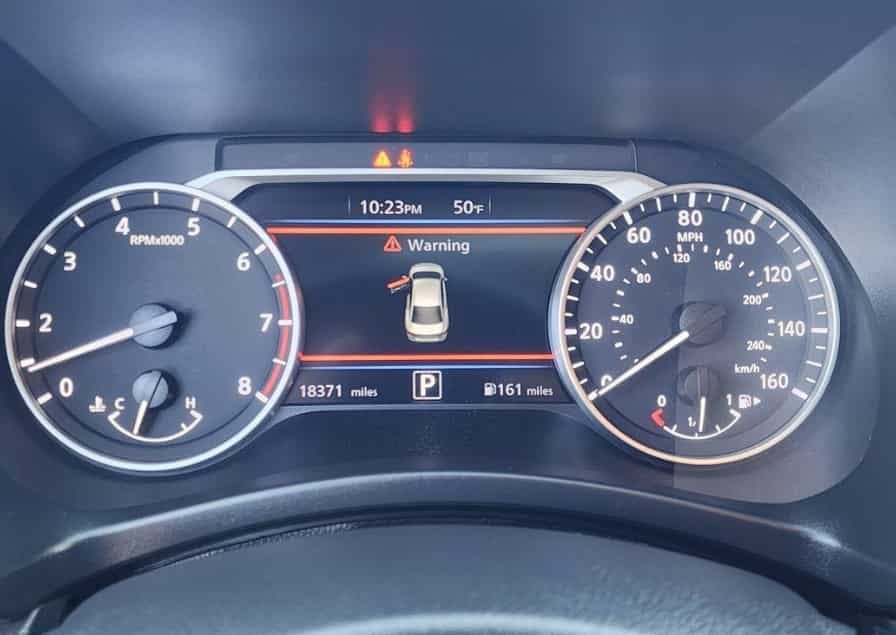
Nissan Sentra problems vary by model year, mileage, maintenance history, and driving conditions. The most serious concerns are linked to the continuously variable transmission, engine performance, electrical components, suspension parts, braking systems, and safety technology. Some issues cause only minor inconvenience, while others can lead to high repair costs or create a safety risk.
CVT transmission problems receive the most attention because they can cause shuddering, delayed acceleration, overheating, whining noises, or complete loss of power. However, not every Nissan Sentra develops transmission failure. A well maintained vehicle with stable transmission operation may remain dependable for many years. The condition of the individual car is often more important than the model year alone.
This guide explains the most common Nissan Sentra problems, the model years linked to higher complaint patterns, and the warning signs owners should not ignore. It also covers likely causes, repair methods, cost levels, recall checks, and practical steps for used car buyers. The goal is to help readers separate minor maintenance issues from expensive failures that affect reliability, safety, and resale value.
What Are the Most Common Nissan Sentra Problems?
Nissan Sentra problems usually affect the CVT transmission, engine, electrical system, suspension, brakes, air conditioning, and safety features. Each system develops different symptoms as the vehicle ages. Driving habits, maintenance quality, and road conditions also influence how quickly these problems appear. Some issues remain minor for years, while others become expensive if owners ignore the early warning signs. Learning the most common problems helps owners identify faults sooner and make better repair decisions.
The CVT transmission causes the most serious concerns in many Nissan Sentra models. Drivers often notice shuddering during acceleration, hesitation at low speeds, delayed gear engagement, rising engine speed, or unusual whining noises. High operating temperatures and worn transmission components usually trigger these symptoms. Dirty transmission fluid can also reduce hydraulic performance and increase internal wear. Early diagnosis gives technicians more repair options and may prevent complete transmission failure.
Engine problems usually appear as rough idling, poor acceleration, hard starting, engine stalling, or an illuminated Check Engine Light. Worn spark plugs, weak ignition coils, dirty mass airflow sensors, clogged fuel injectors, and vacuum leaks often create these symptoms. Many engine faults produce similar warning signs, so owners should confirm the exact cause before replacing any parts.
Electrical problems become more common as the vehicle ages. A weak battery or failing alternator often causes multiple warning lights to appear at the same time. Owners may also experience power window failures, infotainment glitches, sensor errors, or intermittent starting problems. Suspension and brake components also wear with regular use. Worn bushings, damaged struts, warped brake rotors, and failing wheel bearings can reduce ride comfort and vehicle stability. Regular inspections and timely maintenance help owners prevent many common Nissan Sentra problems before they become costly repairs.
Why Does the Nissan Sentra CVT Develop Problems?
The Nissan Sentra CVT develops problems because the transmission relies on precise hydraulic pressure, clean transmission fluid, and stable operating temperatures. Unlike a conventional automatic transmission, a CVT uses a steel belt and variable pulleys to deliver smooth acceleration. Every component must work together to maintain the correct gear ratio. When one part begins to wear, the entire system can lose efficiency and performance.
Excessive heat is one of the leading causes of CVT failure. High temperatures break down transmission fluid and reduce its ability to lubricate moving parts. As the fluid loses its protective properties, friction increases inside the transmission. This extra friction accelerates wear on the belt, pulleys, bearings, and valve body. Stop and go traffic, frequent short trips, and aggressive acceleration often increase operating temperatures and place additional stress on the transmission.
Poor maintenance also increases the risk of transmission problems. Old or contaminated fluid cannot maintain proper hydraulic pressure, which affects gear ratio control and overall drivability. Drivers may notice delayed engagement, shuddering during acceleration, slipping, or rising engine speed without a matching increase in vehicle speed. These symptoms often appear gradually, making them easy to ignore until the damage becomes more severe.
Electronic components can also contribute to CVT problems. Faulty sensors, damaged wiring, outdated software, or a malfunctioning transmission control module may interrupt communication between the transmission and the engine. Incorrect sensor data can cause rough shifting, hesitation, or reduced performance even when the internal components remain in good condition. A complete diagnostic inspection helps technicians identify the root cause before recommending expensive repairs.
Early diagnosis offers the best chance of reducing repair costs. Technicians should inspect the transmission fluid, scan diagnostic trouble codes, monitor operating temperature, and evaluate hydraulic pressure before replacing major components. This step by step approach helps separate minor service issues from serious internal damage and prevents unnecessary transmission replacement.
What Nissan Sentra Engine and Electrical Problems Are Common?
Nissan Sentra engine and electrical problems often reduce performance, fuel efficiency, and driving comfort. Drivers usually notice rough idling, slow acceleration, hard starting, engine stalling, or dashboard warning lights before a major failure occurs. Most of these symptoms develop gradually, which gives owners enough time to diagnose the problem before it affects other components. Quick action often reduces repair costs and prevents additional damage.
Engine performance problems usually begin with poor combustion or incorrect air and fuel delivery. Worn spark plugs, failing ignition coils, dirty mass airflow sensors, and clogged fuel injectors are among the most common causes. Vacuum leaks and carbon deposits inside the throttle body can also reduce engine efficiency. These faults often cause rough idling, hesitation during acceleration, and higher fuel consumption. A professional inspection helps identify the exact cause because several engine components can create similar symptoms.
Some owners also experience engine stalling or difficulty starting the vehicle. A weak fuel pump, low battery voltage, or a failing crankshaft position sensor can interrupt normal engine operation. In other cases, the engine may crank normally but fail to start because it does not receive enough fuel or spark. Drivers should never ignore these warning signs because repeated stalling can increase safety risks, especially in heavy traffic.
Electrical problems affect many Nissan Sentra models as they accumulate mileage. A weak battery or failing alternator often causes multiple warning lights to appear at the same time. Owners may also notice slow engine cranking, dim headlights, malfunctioning power windows, or an infotainment system that freezes or restarts unexpectedly. Low system voltage can confuse electronic control modules and create symptoms that appear unrelated to the actual fault.
A complete diagnosis should always come before replacing electrical components. Technicians normally test the battery, alternator, charging voltage, and wiring connections before inspecting sensors or electronic modules. They also scan the vehicle for diagnostic trouble codes to confirm the source of the problem. This systematic approach prevents unnecessary repairs and helps restore reliable engine and electrical performance more efficiently.
What Steering, Suspension, and Brake Problems Affect the Nissan Sentra?
Steering, suspension, and brake problems can reduce the Nissan Sentra’s stability, ride quality, and stopping performance. Most components wear naturally as mileage increases, but rough roads, heavy loads, and poor maintenance can speed up the process. Drivers often notice unusual noises or changes in handling before a component fails completely. Identifying these warning signs early helps prevent expensive repairs and improves overall driving safety.
Suspension problems usually appear as clunking noises, excessive bouncing, or an unstable ride. Worn stabilizer links, damaged control arm bushings, leaking struts, and weak shock absorbers are among the most common causes. These parts absorb road impacts and keep the tires in contact with the pavement. As they wear out, the vehicle becomes less stable when turning, braking, or driving over uneven surfaces. Uneven tire wear also becomes more noticeable because the suspension can no longer maintain proper wheel alignment.
Steering problems often develop gradually and become easier to notice during daily driving. Drivers may feel vibration through the steering wheel, hear knocking sounds while turning, or experience loose steering response. Worn tie rod ends, damaged steering rack components, and incorrect wheel alignment frequently cause these symptoms. Low tire pressure or uneven tire wear can also reduce steering precision and make the vehicle harder to control at higher speeds.
Brake system problems directly affect vehicle safety and require immediate attention. Worn brake pads, warped brake rotors, sticking calipers, and aging brake fluid can reduce braking performance. Drivers may hear squealing or grinding noises, feel vibration through the brake pedal, or notice longer stopping distances. Ignoring these symptoms increases wear on other brake components and raises the risk of brake failure during emergency stops.
Regular inspections help prevent most steering, suspension, and brake problems. Technicians should check suspension joints, steering components, brake pads, rotors, tires, and wheel alignment during routine maintenance. Replacing worn parts before they fail keeps the Nissan Sentra stable, improves ride comfort, and helps maintain consistent braking performance throughout the life of the vehicle.
What Air Conditioning and Safety System Problems Can Occur?
Air conditioning and safety system problems can affect both comfort and driver confidence. While these issues rarely prevent the Nissan Sentra from running, they can reduce the overall driving experience and increase safety risks. Most problems develop gradually and produce clear warning signs before a complete failure occurs. Recognizing these symptoms early helps owners avoid larger repair bills and maintain reliable vehicle performance.
Air conditioning problems often begin with weak airflow or warm air coming from the vents. Low refrigerant, leaking seals, a worn compressor, or a faulty condenser commonly causes these symptoms. Some owners also notice unusual noises when the air conditioning system starts or a musty smell inside the cabin. A clogged cabin air filter can further reduce airflow and make the system work harder than necessary. Regular inspections and timely refrigerant service help maintain consistent cooling performance and reduce stress on major components.
Modern Nissan Sentra models also rely on several electronic safety systems to improve driver protection. The Anti Lock Braking System, traction control, electronic stability control, and airbag system constantly monitor vehicle conditions through multiple sensors. If one of these sensors fails or loses communication, the vehicle may display warning lights on the dashboard. Although the car may continue to operate normally, the affected safety feature may no longer provide full protection during an emergency.
Some models equipped with advanced driver assistance features may also experience sensor related problems. A dirty camera, blocked radar sensor, damaged wiring, or outdated software can interrupt systems such as Forward Collision Warning or Automatic Emergency Braking. Drivers may receive temporary warning messages or notice that certain driver assistance functions stop working until the fault is corrected. Cleaning the sensors and performing a diagnostic scan often identifies the source of the problem.
Owners should never ignore warning lights related to airbags, brakes, or electronic safety systems. A qualified technician should inspect the vehicle as soon as possible to identify the underlying cause. Routine maintenance, software updates, and regular system inspections help keep both the air conditioning and safety systems operating as intended while improving the long term reliability of the Nissan Sentra.
Which Nissan Sentra Model Years Have the Most Problems?
Several Nissan Sentra model years receive more owner complaints than others. The highest number of reports usually involves CVT transmission failure, engine performance issues, electrical faults, and premature component wear. However, not every vehicle from these model years develops the same problems. Maintenance history, driving habits, and repair quality often determine whether a Nissan Sentra remains reliable or becomes expensive to own.
The 2013 Nissan Sentra receives some of the highest complaint volumes because many owners report early CVT transmission failure. Common symptoms include hesitation during acceleration, transmission slipping, delayed engagement, and complete loss of power. Some drivers also report excessive vibration and poor throttle response. These problems often appear before the vehicle reaches high mileage, making the 2013 model one of the least recommended options in the used car market.
The 2014 and 2015 Nissan Sentra continue to generate frequent complaints about transmission performance. Many owners experience shuddering, overheating, and inconsistent acceleration. Some vehicles also develop electrical problems, including faulty sensors and dashboard warning lights. Although software updates and improved maintenance reduce the risk in some cases, these model years still show a higher rate of transmission related repairs than newer generations.
The 2017 and 2018 Nissan Sentra generally offer better reliability, but they still receive reports of CVT hesitation, engine warning lights, and occasional electrical faults. Most issues appear after higher mileage rather than during the early years of ownership. Owners who follow the recommended maintenance schedule and replace transmission fluid at appropriate intervals often report fewer major repairs than those who neglect routine service.
Newer Nissan Sentra models introduced after the 2020 redesign show fewer widespread complaints because Nissan updated several mechanical and electronic systems. While no vehicle is completely free from defects, recent models demonstrate improved transmission performance, better safety technology, and stronger overall reliability. Buyers should still review the vehicle history, inspect maintenance records, and check for open recalls before purchasing any used Nissan Sentra. These steps provide a clearer picture of the vehicle’s condition than the model year alone.
Which Nissan Sentra Years Should Used Car Buyers Avoid?
Used car buyers should pay close attention to the 2013, 2014, and 2015 Nissan Sentra. These model years receive the highest number of owner complaints, especially for CVT transmission problems. Although some vehicles remain dependable with proper maintenance, these years present a greater risk of expensive repairs than most other Sentra models. Buyers should evaluate the condition of each vehicle instead of relying only on the model year.
The 2013 Nissan Sentra is often considered the riskiest choice because many owners report premature CVT failure. Common complaints include hesitation, shuddering, delayed acceleration, slipping, and complete transmission failure. Repair costs can become significant because replacing a damaged CVT is much more expensive than performing routine maintenance. Buyers should request complete service records and verify whether the transmission has received regular fluid changes or previous repairs.
The 2014 and 2015 Nissan Sentra continue to show similar transmission concerns. Some owners also report electrical faults, engine warning lights, and poor acceleration. While software updates improved transmission operation in certain vehicles, they did not eliminate every mechanical issue. A vehicle with incomplete maintenance records deserves extra caution because neglected transmission service often shortens CVT life.
Model years from 2016 through 2019 generally provide better reliability, but buyers should still perform a thorough inspection before making a purchase. High mileage vehicles may develop suspension wear, brake problems, battery failures, or electrical issues that result from normal aging rather than manufacturing defects. A professional pre purchase inspection helps identify hidden problems and provides a more accurate estimate of future repair costs.
Newer Nissan Sentra models built after the 2020 redesign usually present fewer widespread reliability concerns. Nissan introduced improvements to the transmission, safety technology, and overall vehicle design. Even so, buyers should review the vehicle history report, inspect maintenance records, confirm recall completion, and complete a road test before signing any purchase agreement. A well maintained vehicle from any model year is often a safer investment than a neglected vehicle with fewer reported complaints.Which Nissan Sentra Years Should Used Car Buyers Avoid?
Used car buyers should pay close attention to the 2013, 2014, and 2015 Nissan Sentra. These model years receive the highest number of owner complaints, especially for CVT transmission problems. Although some vehicles remain dependable with proper maintenance, these years present a greater risk of expensive repairs than most other Sentra models. Buyers should evaluate the condition of each vehicle instead of relying only on the model year.
The 2013 Nissan Sentra is often considered the riskiest choice because many owners report premature CVT failure. Common complaints include hesitation, shuddering, delayed acceleration, slipping, and complete transmission failure. Repair costs can become significant because replacing a damaged CVT is much more expensive than performing routine maintenance. Buyers should request complete service records and verify whether the transmission has received regular fluid changes or previous repairs.
The 2014 and 2015 Nissan Sentra continue to show similar transmission concerns. Some owners also report electrical faults, engine warning lights, and poor acceleration. While software updates improved transmission operation in certain vehicles, they did not eliminate every mechanical issue. A vehicle with incomplete maintenance records deserves extra caution because neglected transmission service often shortens CVT life.
Model years from 2016 through 2019 generally provide better reliability, but buyers should still perform a thorough inspection before making a purchase. High mileage vehicles may develop suspension wear, brake problems, battery failures, or electrical issues that result from normal aging rather than manufacturing defects. A professional pre purchase inspection helps identify hidden problems and provides a more accurate estimate of future repair costs.
Newer Nissan Sentra models built after the 2020 redesign usually present fewer widespread reliability concerns. Nissan introduced improvements to the transmission, safety technology, and overall vehicle design. Even so, buyers should review the vehicle history report, inspect maintenance records, confirm recall completion, and complete a road test before signing any purchase agreement. A well maintained vehicle from any model year is often a safer investment than a neglected vehicle with fewer reported complaints.
How Can You Diagnose Nissan Sentra Problems Correctly?
Correct diagnosis is the first step toward repairing Nissan Sentra problems efficiently. Many mechanical and electrical faults produce similar symptoms, so replacing parts without testing often wastes time and money. A systematic inspection helps identify the root cause and prevents unnecessary repairs. It also allows technicians to detect small issues before they develop into major mechanical failures.
The diagnosis should begin with the driver’s observations. Owners should note when the problem occurs, how often it appears, and whether any warning lights remain on. Symptoms such as hesitation during acceleration, rough idling, unusual noises, brake vibration, or poor air conditioning performance provide valuable clues. Recording these details helps technicians narrow the list of possible causes before starting more advanced testing.
A diagnostic scan is the next essential step. Modern Nissan Sentra models store fault codes whenever the engine, transmission, or electronic control systems detect abnormal conditions. These codes help technicians identify affected systems and guide further inspection. However, a fault code alone does not confirm that a specific component has failed. Additional testing is necessary to verify the exact source of the problem.
Technicians should also perform a complete visual inspection of the vehicle. They typically examine fluid levels, wiring connections, hoses, belts, battery terminals, suspension components, brake parts, and tire condition. Signs of leaks, corrosion, damaged wiring, or excessive wear often explain problems that electronic scans cannot identify. A road test also helps reproduce symptoms under normal driving conditions and confirms whether the fault affects vehicle performance.
Accurate diagnosis combines scan data, physical inspection, and real world testing. This method helps technicians identify the actual cause instead of replacing parts through trial and error. Early diagnosis also reduces repair costs because small faults often require simple repairs before they damage expensive components such as the CVT transmission, engine, or electronic control modules. Owners who respond quickly to warning signs usually spend less on repairs and maintain better long term vehicle reliability.
How Do You Fix the Most Common Nissan Sentra Problems?
The best way to fix Nissan Sentra problems depends on the root cause rather than the symptom. Many owners replace parts too early because several mechanical and electrical faults produce similar warning signs. A proper diagnosis helps identify the failed component and reduces unnecessary repair costs. It also prevents small problems from damaging other systems and increasing the final repair bill.
CVT transmission repairs should always begin with a complete inspection. Technicians normally check the transmission fluid, scan for diagnostic trouble codes, and monitor operating temperature before recommending major repairs. If the fluid has become contaminated, replacing it at the correct service interval may improve transmission performance. However, severe internal wear usually requires rebuilding or replacing the transmission. Continuing to drive with slipping or overheating symptoms often causes additional damage and increases repair costs.
Most engine problems have straightforward solutions once technicians identify the fault. Replacing worn spark plugs, faulty ignition coils, clogged fuel injectors, or dirty mass airflow sensors often restores normal engine performance. Cleaning the throttle body and repairing vacuum leaks can also improve idle quality and acceleration. If the Check Engine Light remains on after repairs, technicians should perform another diagnostic scan to confirm that the problem has been resolved.
Electrical repairs require careful testing because low battery voltage can create several false warning signs. Technicians usually inspect the battery, alternator, wiring connections, and electronic control modules before replacing sensors or other electrical components. This process helps eliminate the actual fault instead of replacing working parts. Software updates may also solve certain electronic issues in newer Nissan Sentra models.
Suspension, steering, and brake repairs focus on replacing worn components before they affect vehicle safety. New brake pads, rotors, bushings, stabilizer links, struts, or wheel bearings can restore handling and braking performance. After replacing suspension or steering parts, technicians should perform a wheel alignment to improve tire wear and steering stability. Regular maintenance and prompt repairs remain the most effective way to reduce long term ownership costs and keep the Nissan Sentra operating safely.
How Much Do Common Nissan Sentra Repairs Cost?
The cost of repairing a Nissan Sentra depends on the affected system, the extent of the damage, labor rates, and the quality of replacement parts. Routine maintenance usually costs far less than repairing major mechanical failures. Owners who respond to warning signs early often avoid expensive repairs because technicians can replace worn components before they damage other parts.
CVT transmission repairs are usually the most expensive. A transmission fluid service normally costs between $200 and $400, depending on the repair shop and the type of fluid used. Replacing a valve body or other internal components can cost between $800 and $2,000. If the transmission fails completely, a replacement often costs between $3,500 and $5,500. Delaying repairs usually increases the final cost because additional internal damage continues to develop during normal driving.
Most engine repairs cost much less than transmission work. Replacing spark plugs generally costs between $150 and $350, while ignition coil replacement often ranges from $200 to $600. Cleaning the throttle body or replacing a mass airflow sensor usually falls below $500. Fuel injector service, vacuum leak repairs, or sensor replacement also remain affordable when technicians identify the problem before it affects other engine components.
Electrical repairs vary because modern vehicles contain many electronic systems. Battery replacement typically costs between $150 and $300, while a new alternator usually ranges from $500 to $1,000, including labor. Sensor replacement, wiring repairs, and software updates often cost less than major electrical module replacement. Accurate diagnosis helps owners avoid replacing parts that still function correctly.
Suspension and brake repairs usually fall within a moderate price range. Brake pad replacement commonly costs between $200 and $500 per axle, while replacing brake pads and rotors often ranges from $400 to $800. New struts, stabilizer links, wheel bearings, or control arm bushings typically cost several hundred dollars, depending on the number of components involved. Following the recommended maintenance schedule remains the most effective way to reduce long term repair costs and extend the service life of a Nissan Sentra.
How Can You Prevent Common Nissan Sentra Problems?
Preventing Nissan Sentra problems starts with consistent maintenance and responsible driving habits. Most major repairs do not happen without warning. Components usually show early signs of wear before they fail completely. Owners who follow the recommended service schedule and respond quickly to unusual symptoms often avoid expensive repairs and improve the vehicle’s long term reliability.
Regular transmission maintenance is one of the most important preventive measures. The CVT depends on clean transmission fluid to maintain proper hydraulic pressure and reduce internal friction. Old or contaminated fluid accelerates wear and increases operating temperatures. Owners should inspect the transmission regularly and replace the fluid according to the manufacturer’s recommendations or the advice of a qualified technician. They should also avoid aggressive acceleration and heavy towing because both activities place additional stress on the transmission.
Routine engine maintenance also plays a key role in preventing mechanical problems. Replacing spark plugs, engine oil, air filters, and other service items at the correct intervals helps maintain smooth engine performance. Drivers should never ignore a Check Engine Light, rough idling, or poor acceleration. Addressing these symptoms early often prevents minor faults from developing into costly engine repairs.
Electrical systems also require regular attention. Owners should inspect the battery, charging system, and battery terminals during scheduled maintenance. Cleaning corrosion and replacing a weak battery before it fails can prevent starting problems and reduce unnecessary stress on the alternator. Software updates should also be completed whenever Nissan releases improvements for electronic control systems or driver assistance features.
Regular inspections of the suspension, brakes, tires, and cooling system help maintain safe vehicle operation. Drivers should listen for unusual noises, monitor tire wear, and pay attention to changes in steering or braking performance. Small issues rarely become expensive when technicians repair them early. Consistent maintenance, careful driving, and prompt repairs remain the most effective strategies for preventing common Nissan Sentra problems and extending the vehicle’s service life.
Are Nissan Sentra Problems Covered by a Recall or Warranty?
Some Nissan Sentra problems are covered by recalls or warranty programs, but coverage depends on the model year, vehicle identification number, and the specific defect. A recall addresses safety related defects that manufacturers repair at no cost to the owner. A warranty, on the other hand, covers eligible repairs for a limited period based on time or mileage. Owners should understand the difference because not every mechanical failure qualifies for free repairs.
Nissan has issued recalls for certain Sentra models to correct defects involving braking systems, backup cameras, airbags, steering components, and other safety related equipment. If a vehicle qualifies for an open recall, an authorized Nissan dealer performs the required repair without charging for parts or labor. Owners should check their vehicle regularly because new recalls may become available after the original purchase date.
Warranty coverage varies according to the vehicle’s age and ownership history. New Nissan Sentra models typically include a limited vehicle warranty and a powertrain warranty for major mechanical components. However, normal wear items such as brake pads, tires, and windshield wiper blades usually receive limited or no long term warranty coverage. Vehicles sold as certified pre owned models may also include additional protection that extends coverage beyond the original factory warranty.
Some owners have also received warranty extensions or service campaigns for specific transmission related concerns. These programs usually apply only to certain production years and qualifying vehicle identification numbers. Owners should not assume that every Nissan Sentra receives the same level of protection because eligibility depends on the manufacturer’s published requirements and the vehicle’s repair history.
The easiest way to confirm recall or warranty coverage is to check the vehicle identification number before paying for repairs. Owners can contact an authorized Nissan dealership and request a recall and warranty status check. Completing recall repairs as soon as they become available improves vehicle safety, protects long term reliability, and may prevent future mechanical problems from becoming more expensive.
Is the Nissan Sentra a Reliable Car?
The Nissan Sentra is a reliable compact sedan when owners choose the right model year and follow the recommended maintenance schedule. Its reputation varies because some generations, especially those equipped with early CVT transmissions, receive more complaints than others. Newer models show noticeable improvements in transmission performance, safety technology, and overall build quality. As a result, many owners report dependable daily transportation with reasonable maintenance costs.
Reliability depends on more than the model year alone. Regular oil changes, timely CVT fluid service, routine inspections, and prompt repairs all help extend the vehicle’s lifespan. Owners who ignore early warning signs often experience more expensive repairs because small mechanical problems continue to develop over time. A well maintained Nissan Sentra with complete service records is usually a better investment than a poorly maintained vehicle with lower mileage.
The CVT transmission remains the most important factor when evaluating reliability. Buyers should confirm that the transmission operates smoothly during a road test and review maintenance records before purchasing a used vehicle. Hesitation, shuddering, delayed acceleration, or unusual transmission noise may indicate internal wear that requires further inspection. A professional pre purchase inspection provides additional confidence and may uncover hidden mechanical or electrical problems.
Overall ownership costs remain competitive compared with many compact sedans in the same class. Routine maintenance, fuel economy, and replacement part availability help keep operating expenses manageable. While no vehicle is completely free from mechanical issues, the Nissan Sentra can provide many years of dependable service when owners maintain it properly and address problems before they become serious.
Conclusion
Nissan Sentra problems most commonly involve the CVT transmission, engine performance, electrical components, suspension, braking system, and electronic safety features. Although some model years receive more owner complaints than others, proper maintenance and early diagnosis greatly reduce the risk of major mechanical failures. Understanding the warning signs allows owners to repair minor faults before they develop into costly problems.
Buyers should evaluate every used Nissan Sentra carefully instead of making a decision based only on the model year. Reviewing maintenance records, checking for open recalls, completing a professional inspection, and taking a thorough road test provide a much clearer picture of the vehicle’s condition. These steps also reduce the chance of unexpected repair expenses after purchase.
For current owners, following the recommended service schedule remains the most effective way to improve long term reliability. Routine inspections, timely fluid changes, and immediate attention to warning lights help protect critical components and extend the vehicle’s service life. With proper care and informed ownership, the Nissan Sentra continues to be a practical compact sedan that offers dependable transportation and reasonable operating costs.