The Nissan Pathfinder has earned a reputation as a practical three-row SUV. However, its reliability varies by model year, transmission, mileage, and maintenance history. Some vehicles deliver years of dependable service. Others develop costly mechanical or electrical problems that affect ownership costs and driving confidence.
Transmission failure is one of the most discussed Nissan Pathfinder problems. Many owners also report engine overheating, coolant leaks, electrical faults, suspension wear, brake vibration, and air conditioning failures. Some issues cause only minor inconvenience. Others reduce vehicle safety or require expensive repairs if owners ignore the early warning signs.
Understanding these problems helps owners make better maintenance decisions. It also helps used-car buyers avoid vehicles with hidden mechanical risks. A well-maintained Pathfinder often performs much better than a neglected vehicle from a more reliable model year.
This guide explains the most common Nissan Pathfinder problems and the symptoms associated with each one. It also covers the model years that deserve closer attention, common repair methods, estimated repair costs, and practical maintenance tips. Finally, you will learn what to inspect before buying a used Nissan Pathfinder and how to determine whether a specific vehicle is worth the investment.
What Are the Most Common Nissan Pathfinder Problems?
The most common Nissan Pathfinder problems involve the transmission, engine, cooling system, electrical system, suspension, brakes, climate control, and four wheel drive system. These eight problem areas represent the main sources of repair concerns reported by owners across different Pathfinder generations.
Transmission problems receive the most attention because they can affect acceleration, drivability, and repair costs. Some Pathfinder models experience symptoms such as shuddering, hesitation, delayed engagement, or inconsistent power delivery. A transmission issue can begin as a minor performance complaint but become a major repair if internal components fail.
Engine problems are another important reliability concern. Owners may experience symptoms such as abnormal noises, oil leaks, rough running, reduced power, or overheating. These problems often develop from issues involving lubrication, ignition components, fuel delivery, timing components, or cooling system failures.
Cooling system failures can create serious consequences because the engine depends on stable operating temperatures. Common problems include radiator leaks, thermostat failures, water pump issues, and coolant loss. When drivers continue operating an overheating Pathfinder, a relatively simple cooling repair can become expensive engine damage.
Electrical problems usually create different types of ownership frustration. A weak battery, faulty alternator, damaged wiring, or failing sensor can trigger warning lights, starting problems, infotainment failures, or unexpected system errors. Proper diagnosis is important because one electrical fault can affect multiple vehicle systems.
Suspension and brake problems usually appear as changes in driving feel. Worn suspension components can create clunking noises, vibration, uneven tire wear, or poor handling. Brake problems may cause shaking during braking, unusual noises, reduced braking performance, or warning lights.
Climate control and four wheel drive problems affect comfort and capability. Air conditioning failures may involve compressors, refrigerant leaks, or electronic controls. Four wheel drive issues may result from sensors, actuators, fluid problems, or drivetrain components.
The severity of Nissan Pathfinder problems depends on the vehicle generation, mileage, maintenance history, and repair quality. A well-maintained Pathfinder with documented service records can avoid many expensive failures, while a neglected vehicle can develop multiple problems at the same time.
What Transmission Problems Affect the Nissan Pathfinder?
Transmission problems are among the most serious Nissan Pathfinder problems because they can affect vehicle acceleration, driving comfort, and repair expenses. A failing transmission can prevent smooth power delivery and may eventually leave the vehicle unable to move if the damage becomes severe.
The most common Nissan Pathfinder transmission symptoms include shuddering during acceleration, delayed engagement when selecting Drive or Reverse, hesitation at low speeds, jerking movements, unusual noises, and sudden changes in power delivery. These symptoms often appear during specific driving conditions, such as stop and go traffic, highway acceleration, or climbing hills.
Transmission shuddering usually indicates that the drivetrain cannot transfer engine power smoothly to the wheels. In some Pathfinder models, the problem may relate to continuously variable transmission components, transmission fluid condition, hydraulic pressure problems, software calibration, or internal wear. A proper diagnosis helps identify whether the issue requires maintenance, component repair, or complete transmission replacement.
Drivers should not ignore early transmission warning signs because small problems can create larger failures. For example, old or degraded transmission fluid may reduce lubrication and increase internal friction. Continued operation under these conditions can accelerate wear on important transmission components.
Diagnosing a Nissan Pathfinder transmission problem requires several steps. A technician should scan the transmission control module, inspect fluid condition, check for stored fault codes, perform a road test, and compare the symptoms with known service information. Replacing the transmission without confirming the cause can lead to unnecessary repair costs.
Repair costs depend on the type of failure and the vehicle generation. Minor repairs may include software updates or fluid services. More serious problems may require valve body replacement, internal transmission repair, or complete transmission replacement. The final cost depends on labor rates, parts availability, drivetrain configuration, and the extent of damage.
Used car buyers should pay close attention to transmission behavior during a test drive. A Pathfinder with smooth acceleration, consistent shifting, and complete service records usually carries less ownership risk than a vehicle with hesitation, vibration, or unknown transmission history.
What Engine Problems Affect the Nissan Pathfinder?
Engine problems affect the Nissan Pathfinder through issues related to lubrication, ignition, fuel delivery, timing components, cooling systems, and internal engine parts. These problems can reduce performance, increase repair costs, and create reliability concerns if owners ignore early warning signs.
The most common Nissan Pathfinder engine symptoms include unusual noises, rough idling, reduced acceleration, engine misfires, oil leaks, excessive oil consumption, smoke from the exhaust, and check engine warnings. These symptoms often indicate that one or more engine systems are not operating correctly.
Engine noise is one of the first warning signs that owners should investigate. A rattling sound during startup may indicate problems with timing components, oil pressure, or worn engine parts. A continuous knocking noise can suggest more serious internal damage involving bearings or other mechanical components.
Loss of power and hesitation can develop from several causes. Faulty spark plugs, failing ignition coils, restricted fuel delivery, airflow sensor problems, throttle body issues, and catalytic converter restrictions can all reduce engine performance. A proper diagnostic scan helps separate engine problems from transmission symptoms that feel similar.
Oil leaks are another common concern in older Nissan Pathfinder vehicles. Small leaks may come from seals, gaskets, or engine covers. However, low oil levels can increase friction and accelerate internal wear. Regular oil inspections help prevent minor leaks from developing into major engine failures.
Overheating represents one of the most serious engine problems because excessive heat can damage important components. Common causes include coolant leaks, radiator failures, thermostat problems, water pump issues, cooling fan failures, and head gasket damage. Drivers should stop investigating immediately when the temperature gauge rises into the danger zone.
Repair costs depend on the source of the engine problem. Minor repairs may include replacing spark plugs, ignition coils, sensors, or leaking seals. More expensive repairs may involve timing system components, cylinder head repairs, or complete engine replacement.
Regular maintenance plays an important role in Nissan Pathfinder engine reliability. Correct oil changes, cooling system inspections, and early diagnosis of unusual symptoms can reduce the chance of expensive engine repairs and extend vehicle lifespan.
What Cooling-System Problems Affect the Nissan Pathfinder?
Cooling-system problems affect the Nissan Pathfinder by causing overheating, coolant loss, engine damage, and expensive secondary repairs. The cooling system controls engine temperature, so failures in this area can quickly become serious if drivers continue operating the vehicle.
The most common Nissan Pathfinder cooling-system symptoms include rising engine temperature, low coolant levels, visible coolant leaks, sweet coolant odors, weak cabin heat, and overheating during traffic, towing, or highway driving. These symptoms indicate that the cooling system cannot remove heat from the engine effectively.
Radiator problems are one of the main cooling concerns in older vehicles. A damaged radiator can lose coolant through cracks, damaged tanks, leaking connections, or internal failures. When coolant levels drop, the engine may operate at higher temperatures and create additional stress on gaskets, seals, and internal components.
Thermostat failures can also affect engine temperature control. A thermostat that remains closed can restrict coolant circulation and cause overheating. A thermostat that remains open can prevent the engine from reaching its correct operating temperature, which may affect fuel efficiency and long-term engine performance.
Water pump problems create another major cooling risk because the pump controls coolant movement through the engine. A failing water pump may cause overheating, coolant leaks, unusual noises, or inconsistent temperature readings. Drivers should inspect these symptoms quickly because continued overheating can damage the cylinder head or head gasket.
Cooling-system diagnosis requires more than simply adding coolant. A technician should pressure-test the system, inspect hoses and connections, check radiator condition, test thermostat operation, examine coolant quality, and verify that cooling fans operate correctly.
Repair costs depend on the failed component and the level of damage. Simple repairs may include replacing hoses, coolant reservoirs, thermostats, or radiator caps. More expensive repairs may involve radiator replacement, water pump replacement, cooling system flushing, or engine repairs caused by prolonged overheating.
Preventive maintenance reduces cooling-system risks. Regular coolant inspections, leak checks, and timely repairs help maintain stable engine temperatures and prevent small cooling problems from becoming major Nissan Pathfinder reliability issues.
What Electrical Problems Affect the Nissan Pathfinder?
Electrical problems affect the Nissan Pathfinder through battery failures, charging system issues, sensor faults, wiring problems, and electronic control failures. These issues can create warning lights, starting problems, system errors, and unexpected vehicle behavior.
The most common Nissan Pathfinder electrical symptoms include a weak battery, slow engine cranking, intermittent warning lights, infotainment failures, camera problems, power accessory failures, and random system alerts. Some electrical problems appear as isolated faults, while others affect multiple vehicle systems at the same time.
A battery problem is one of the simplest electrical issues but also one of the most common. An aging battery may struggle to provide enough power during startup, especially in extreme temperatures. However, repeated battery failure often indicates another issue, such as alternator failure, excessive electrical draw, poor battery connections, or a control module that does not enter sleep mode.
Alternator problems can create similar symptoms because the charging system cannot maintain stable electrical power. A failing alternator may cause battery warning lights, dim headlights, weak accessory performance, or a vehicle that eventually stops running after the battery loses its charge.
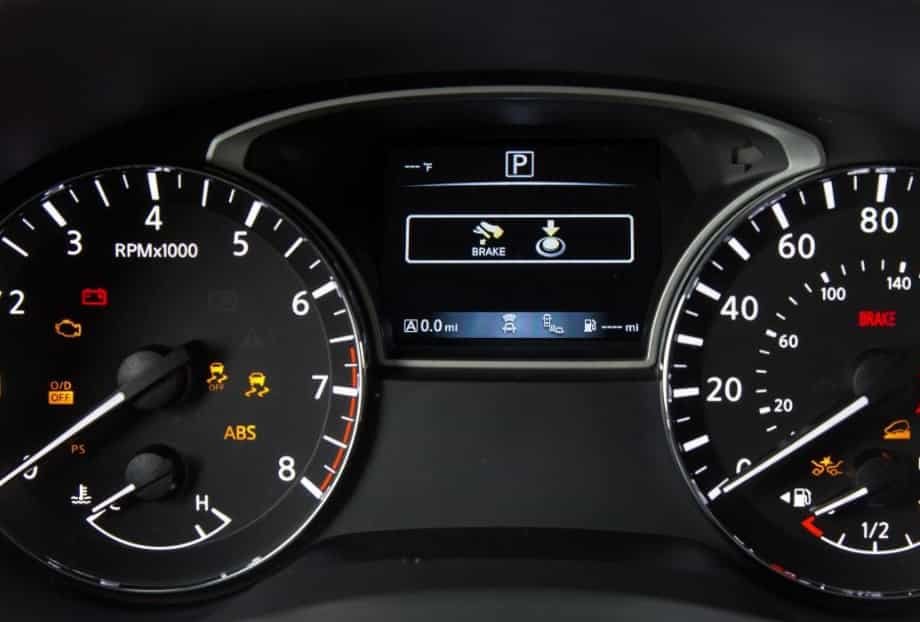
Sensor and control-module problems can create confusing warning messages. A single electrical fault may trigger multiple dashboard warnings, including traction control, stability control, four wheel drive, or driver assistance alerts. Proper diagnosis is necessary because replacing multiple components without testing can create unnecessary repair expenses.
Electrical diagnosis requires a structured approach. A technician should test battery voltage, measure alternator output, inspect electrical connections, scan vehicle control modules, check stored fault codes, and perform parasitic draw testing when necessary.
Repair costs vary depending on the source of the failure. Battery replacement and minor sensor repairs usually cost less than wiring repairs, infotainment replacement, or control-module replacement. Complex electrical problems often require more diagnostic time because technicians must locate the exact source before replacing parts.
Regular battery testing, clean electrical connections, and prompt inspection of warning lights can reduce electrical reliability problems. Early diagnosis helps prevent small electrical faults from affecting multiple Nissan Pathfinder systems.
What Suspension and Steering Problems Affect the Nissan Pathfinder?
Suspension and steering problems affect the Nissan Pathfinder by reducing ride comfort, handling stability, tire life, and driving safety. These systems control how the vehicle responds to road conditions, steering inputs, braking forces, and acceleration.
The most common Nissan Pathfinder suspension and steering symptoms include clunking noises, vibration, uneven tire wear, steering pull, loose steering response, excessive body movement, and poor handling on rough roads. These symptoms often become more noticeable as vehicle mileage increases and suspension components experience normal wear.
Worn control arms, bushings, ball joints, stabilizer links, struts, shocks, and tie rods are common sources of suspension noise and handling changes. These components absorb road impacts and maintain proper wheel alignment. When they wear out, the vehicle may feel unstable and require more frequent steering corrections.
Wheel bearing problems can create another type of driving concern. A worn wheel bearing often produces a humming or grinding noise that increases with vehicle speed. It can also create vibration and affect wheel stability if the damage becomes severe.
Steering problems may develop from worn steering components, incorrect wheel alignment, tire issues, or suspension damage. A Pathfinder that pulls to one side may not always have a steering failure. Uneven tire pressure, damaged tires, brake drag, or incorrect alignment can create similar symptoms.
Proper diagnosis requires inspection under the conditions that create the problem. A technician should check suspension components for excessive movement, inspect tire condition, measure wheel alignment, test steering response, and examine wheel bearings.
Repair costs depend on the damaged component. Simple repairs may include wheel alignment, tire replacement, or stabilizer link replacement. More expensive repairs may involve control arms, ball joints, steering components, wheel bearings, or complete suspension replacement.
Regular suspension inspections help prevent larger problems. Replacing worn components before they fail completely improves vehicle control, reduces uneven tire wear, and maintains Nissan Pathfinder driving stability.
What Brake Problems Affect the Nissan Pathfinder?
Brake problems affect the Nissan Pathfinder by reducing stopping performance, driving confidence, and safety. The braking system includes mechanical components, hydraulic parts, electronic controls, and sensors that must work together to provide consistent braking performance.
The most common Nissan Pathfinder brake symptoms include brake pedal vibration, steering wheel shaking during braking, squealing noises, grinding sounds, soft brake pedals, pulling to one side, and brake warning lights. These symptoms can appear from normal wear or from problems that require immediate inspection.
Brake rotor issues are a common cause of vibration during braking. Uneven rotor surfaces, excessive heat, uneven brake pad deposits, or rotor thickness variation can create pulsation through the brake pedal and steering wheel. However, vibration can also come from worn suspension parts, damaged tires, or wheel problems, so proper diagnosis is necessary.
Brake pad wear represents another common maintenance issue. As brake pads become thinner, drivers may notice increased stopping distance, warning sounds, or visible wear indicators. Replacing worn brake pads before they damage other components helps prevent more expensive repairs.
Brake warning lights and ABS warnings require additional attention because they may indicate electronic or hydraulic system problems. Faulty wheel speed sensors, low brake fluid, damaged wiring, ABS control module issues, or electronic parking brake faults can trigger these warnings.
A complete brake inspection should include checking brake pad thickness, rotor condition, brake fluid quality, caliper operation, wheel speed sensors, and stored ABS fault codes. This process helps identify whether the issue comes from normal wear, mechanical damage, or an electronic failure.
Repair costs depend on the failed component. Basic repairs may include brake pad replacement, rotor resurfacing, or brake fluid service. More expensive repairs may involve caliper replacement, ABS sensor replacement, electronic parking brake repairs, or ABS module diagnosis.
Regular brake inspections help maintain Nissan Pathfinder safety and reduce repair costs. Drivers should investigate unusual brake noises, warning lights, or changes in pedal feel before the problem affects vehicle control.
What Air-Conditioning and Heating Problems Affect the Nissan Pathfinder?
Air conditioning and heating problems affect the Nissan Pathfinder by reducing cabin comfort, visibility, and climate control performance. The HVAC system controls temperature, airflow, and windshield defrosting, so failures can become inconvenient and affect daily driving conditions.
The most common Nissan Pathfinder HVAC symptoms include warm air from the air conditioner, weak airflow, inconsistent temperatures, unusual dashboard noises, blower failure, unpleasant odors, and problems with front or rear climate controls. These symptoms may come from mechanical failures, refrigerant issues, electrical faults, or damaged control components.
Air conditioning problems often involve the refrigerant system. Low refrigerant levels usually indicate a leak rather than normal consumption. Leaks can occur in components such as the condenser, hoses, seals, or other parts of the cooling circuit. Adding refrigerant without repairing the leak only provides a temporary solution and may allow the original problem to continue.
A failing compressor can also reduce cooling performance. The compressor circulates refrigerant through the HVAC system and requires proper lubrication and electrical control. When the compressor fails, the air conditioner may produce warm air, unusual noises, or intermittent cooling.
Heating problems usually involve different components. A weak heater may result from low coolant levels, a restricted heater core, blend door actuator problems, blower motor failure, or electrical control issues. Since the heating system depends on engine coolant, cooling system problems can also affect cabin temperature.
Proper HVAC diagnosis requires checking refrigerant pressure, inspecting for leaks, testing electrical components, examining blower operation, and verifying temperature control functions. Replacing parts without identifying the actual cause can increase repair costs.
Repair expenses depend on the failed component. Simple repairs may include refrigerant leak repair, recharge service, fuse replacement, or blower motor repair. More expensive repairs may involve compressor replacement, condenser replacement, actuator replacement, or heater core repair.
Regular HVAC inspections help maintain Nissan Pathfinder comfort and prevent small climate-control issues from becoming expensive repairs. Drivers should inspect unusual noises, reduced airflow, or inconsistent temperatures before complete system failure occurs.
What Four-Wheel-Drive Problems Affect the Nissan Pathfinder?
Four-wheel-drive problems affect the Nissan Pathfinder by reducing traction capability, limiting driving modes, and creating drivetrain reliability concerns. The four-wheel-drive system depends on sensors, electronic controls, mechanical components, and fluid systems working together to distribute power correctly.
The most common Nissan Pathfinder four-wheel-drive symptoms include a 4WD warning light, unavailable drive modes, delayed engagement, unusual drivetrain noises, vibration during acceleration, and difficulty switching between driving modes. These symptoms can appear from electronic faults, mechanical wear, incorrect maintenance, or tire-related issues.
Wheel speed sensor failures are one possible cause of four-wheel-drive warnings. The system uses information from multiple sensors to monitor wheel movement and control power distribution. A faulty sensor can send incorrect information to the control module and prevent the system from operating normally.
Battery and electrical problems can also affect four-wheel-drive operation. Modern Pathfinder models use electronic controls to manage drivetrain functions. Low voltage, damaged wiring, or communication problems between control modules can trigger warning messages even when the mechanical components remain functional.
Tire condition plays an important role in four-wheel-drive reliability. Different tire sizes, uneven tread depth, or incorrect tire pressure can create rotational differences between wheels. These differences can place additional stress on drivetrain components and affect system operation.
Proper diagnosis requires more than checking the warning light. A technician should scan drivetrain and ABS modules, inspect tire specifications, check fluid levels, examine wiring connections, test system actuators, and evaluate mechanical components.
Repair costs depend on the source of the problem. Basic repairs may include sensor replacement, fluid service, or wiring repair. More expensive repairs may involve actuator replacement, driveshaft repair, differential work, or transfer case replacement.
Regular maintenance helps reduce four-wheel-drive problems. Maintaining correct tire specifications, checking drivetrain fluids, and addressing warning lights early can protect Nissan Pathfinder performance and prevent larger repair expenses.
Which Nissan Pathfinder Model Years Have the Most Problems?
Nissan Pathfinder model years have different reliability patterns because each generation uses different engines, transmissions, technologies, and designs. The number and severity of reported problems depend on vehicle age, mileage, maintenance history, production changes, and how owners use their vehicles.
Earlier Nissan Pathfinder generations often develop age-related problems rather than one specific widespread failure. These vehicles may experience issues involving cooling systems, suspension components, electrical parts, rust, and worn drivetrain components. As vehicles become older, normal wear becomes a larger factor in repair costs.
The fourth generation Pathfinder receives more attention because certain models introduced a continuously variable transmission. Some owners reported symptoms such as hesitation, vibration, shuddering, and poor acceleration. Transmission-related complaints are more important than minor problems because they can create high repair expenses and affect vehicle drivability.
Newer Nissan Pathfinder models use updated designs, different transmission systems, and more electronic features. These changes reduce some older mechanical concerns but introduce additional areas that require inspection. Modern vehicles may experience problems involving sensors, software systems, cameras, infotainment features, and electronic controls.
A reliable model-year evaluation should consider more than complaint numbers. A model with higher sales volume may naturally receive more complaints. Buyers should also examine failure mileage, repair severity, recall history, technical service information, and whether Nissan introduced updated parts or solutions.
The highest-risk Nissan Pathfinder vehicles usually share several warning factors. These include repeated powertrain failures, expensive repairs at relatively low mileage, unresolved recalls, poor maintenance records, and multiple previous repair attempts.
A lower-risk Pathfinder still requires inspection before purchase. Buyers should verify the vehicle identification number, review maintenance records, complete a diagnostic scan, and perform a professional inspection before making a decision.
Model year alone does not determine reliability. A well-maintained Pathfinder with documented repairs can provide better ownership value than a newer vehicle with neglected maintenance, hidden damage, or unresolved mechanical problems.
How Much Do Common Nissan Pathfinder Repairs Cost?
Nissan Pathfinder repair costs depend on the failed component, vehicle generation, labor rates, parts availability, and the amount of secondary damage. A small repair may cost less than expected, while a major transmission or engine failure can become a significant ownership expense.
The lowest-cost Nissan Pathfinder repairs usually involve maintenance items and smaller components. Battery replacement, basic sensor replacement, brake service, fluid changes, and minor electrical repairs generally require less time and fewer parts. These repairs are important because they can prevent larger failures when owners address them early.
Medium-cost repairs usually involve systems with multiple components. Cooling system repairs, suspension repairs, air conditioning repairs, and steering repairs often require more diagnosis and labor. For example, replacing a radiator is usually simpler than repairing engine damage caused by repeated overheating.
High-cost repairs usually involve major powertrain components. Transmission repairs, transmission replacement, engine repairs, and drivetrain repairs require more labor and specialized equipment. These failures can become financially difficult when repair costs approach the vehicle’s current market value.
The most expensive Nissan Pathfinder repairs often include complete transmission replacement, major engine repairs, transfer case replacement, or extensive electrical diagnosis. The final cost depends on whether the vehicle needs original equipment parts, aftermarket parts, dealer service, or independent repair work.
Accurate diagnosis plays an important role in controlling repair expenses. Replacing parts without confirming the failure source can increase costs and delay the actual repair. A professional inspection helps identify whether a problem requires replacement, adjustment, software updates, or simple maintenance.
Owners should compare repair costs with the vehicle’s overall condition before making a decision. A Pathfinder with complete maintenance records and one necessary repair may still provide good value. However, a vehicle with multiple expensive problems, poor history, and declining market value may not justify additional investment.
Preventive maintenance remains one of the most effective ways to reduce Nissan Pathfinder ownership costs. Regular inspections, fluid checks, and early repairs help detect developing problems before they become major financial issues.
Are Nissan Pathfinder Problems Covered by a Recall or Warranty?
Nissan Pathfinder problems may receive coverage through recalls, warranty programs, service campaigns, or technical service procedures, but each type of support has different requirements. Owners should identify the exact vehicle information before assuming that a repair qualifies for free service.
A safety recall applies when a manufacturer identifies a defect that affects vehicle safety. Eligible Nissan Pathfinder owners can usually receive recall repairs without paying for the repair itself. However, recall coverage depends on the vehicle identification number rather than the model name or production year alone.
A warranty repair depends on the vehicle’s age, mileage, warranty terms, and the specific component involved. Newer Pathfinders may still qualify for certain factory warranty coverage, while older vehicles usually require owners to pay for repairs unless another coverage program applies.
A technical service bulletin provides repair information for technicians when Nissan identifies a common issue or a recommended repair procedure. A technical service bulletin does not automatically mean that Nissan will pay for the repair. Coverage depends on warranty status, special programs, or manufacturer assistance.
Owners can check Nissan Pathfinder recall information by locating the 17-character vehicle identification number and searching official recall databases. They can also contact a Nissan dealership to confirm open recalls, service campaigns, warranty extensions, or other available repair assistance.
Maintaining repair records is important when requesting warranty or goodwill assistance. Documentation shows the vehicle’s maintenance history and helps manufacturers or dealerships evaluate whether a repair request qualifies for support.
Owners should not delay repairs while waiting for possible coverage. Problems such as overheating, transmission failure symptoms, brake warnings, or electrical faults can become more expensive when ignored. Early diagnosis helps protect the vehicle and provides better information when discussing possible repair support.
How Can Owners Prevent Major Nissan Pathfinder Problems?
Owners can prevent major Nissan Pathfinder problems by following regular maintenance schedules, monitoring warning signs, and repairing small issues before they create larger failures. Preventive care reduces stress on important systems such as the engine, transmission, cooling system, brakes, and drivetrain.
Regular engine maintenance is one of the most important steps for long-term reliability. Owners should change engine oil according to the recommended service interval, use the correct oil specification, and inspect for leaks. Low oil levels and poor lubrication can increase internal wear and reduce engine lifespan.
Transmission maintenance also plays an important role in preventing expensive repairs. Owners should follow the correct transmission service recommendations for their specific Pathfinder model. Checking fluid condition, addressing unusual shifting behavior, and investigating hesitation or vibration early can reduce the risk of major transmission damage.
Cooling system inspections help prevent overheating-related failures. Drivers should check coolant levels, inspect for leaks, monitor temperature changes, and repair damaged components quickly. A small coolant leak can become serious engine damage if the vehicle continues operating at high temperatures.
Battery and electrical maintenance can prevent unexpected system failures. Regular battery testing, clean electrical connections, and alternator checks help maintain stable vehicle voltage. Modern Nissan Pathfinder models depend on electronic control systems, so weak electrical power can create multiple warning messages.
Owners should also inspect tires, brakes, suspension components, and drivetrain fluids regularly. Correct tire size and pressure protect four wheel drive systems, while brake and suspension inspections maintain vehicle safety and handling performance.
Warning signs should never be ignored. Symptoms such as overheating, transmission shuddering, unusual engine noises, brake warnings, fluid leaks, or sudden performance changes require inspection as soon as possible.
Preventive maintenance does not eliminate every possible failure, but it reduces avoidable damage and improves Nissan Pathfinder reliability. A vehicle with consistent service records usually has lower ownership risk than one with delayed repairs and incomplete maintenance history.
What Should You Inspect Before Buying a Used Nissan Pathfinder?
A used Nissan Pathfinder should receive a complete inspection before purchase because vehicle condition affects reliability more than the model name alone. A careful inspection helps buyers identify hidden mechanical problems, estimate future repair costs, and avoid vehicles with serious reliability risks.
The first step is reviewing the vehicle history. Buyers should verify the vehicle identification number, check available recall information, review maintenance records, and confirm previous repairs. A Pathfinder with regular service documentation usually provides more confidence than a vehicle with unknown ownership history.
The engine inspection should focus on leaks, noises, fluid condition, and temperature behavior. Buyers should check the engine oil level, coolant condition, visible leaks, exhaust smoke, and unusual sounds during startup. A cold engine start is important because some problems appear only before the vehicle reaches normal operating temperature.
The transmission requires careful attention during the test drive. Drivers should check acceleration from a stop, low-speed driving, highway acceleration, and shifting behavior. Warning signs include hesitation, vibration, delayed engagement, unusual noises, or inconsistent power delivery.
The cooling system should also receive close attention. Buyers should inspect coolant levels, look for leaks, monitor the temperature gauge, and check whether the vehicle has a history of overheating. Previous overheating damage can create expensive engine problems even when the vehicle currently appears functional.
A professional pre-purchase inspection provides additional protection. A technician can perform a full diagnostic scan, inspect suspension and brakes, test battery performance, check fluid conditions, and identify problems that are difficult to detect during a short test drive.
Buyers should also evaluate the vehicle’s overall value. A Pathfinder with minor wear and complete maintenance records may be a good purchase. A vehicle with transmission symptoms, overheating history, structural damage, unresolved warning lights, or missing service records creates a much higher ownership risk.
A detailed inspection does not guarantee a problem-free vehicle, but it improves the buying decision by revealing the actual condition of the Nissan Pathfinder before money changes hands.
Is a Used Nissan Pathfinder Worth Buying?
A used Nissan Pathfinder can be worth buying when the vehicle has the right model year, good maintenance history, proper inspection results, and a reasonable purchase price. Reliability depends more on the specific vehicle condition than the Pathfinder name itself.
A good used Pathfinder should have smooth transmission operation, stable engine temperature, complete service records, no major warning lights, and evidence of regular maintenance. Vehicles with documented repairs and consistent servicing usually create fewer ownership risks because previous owners addressed problems before they became severe.
The transmission condition should receive special attention because major transmission repairs can become expensive. A Pathfinder that accelerates smoothly, engages gears correctly, and shows no signs of hesitation or vibration provides stronger buying confidence. Buyers should be cautious with vehicles that show delayed engagement, unusual noises, or inconsistent power delivery.
The engine and cooling system also determine whether a used Pathfinder represents good value. A vehicle with no overheating history, clean fluids, and normal operating temperatures usually has a lower risk of major mechanical problems. Buyers should avoid vehicles with repeated overheating, serious oil leaks, or signs of internal engine damage.
The purchase price should reflect the vehicle’s condition and future repair needs. A Pathfinder with minor wear may still provide good value when the price accounts for maintenance requirements. However, a lower purchase price does not make sense if the vehicle requires immediate transmission, engine, or structural repairs.
A used Nissan Pathfinder becomes a poor choice when it has severe mechanical symptoms, unresolved recalls, accident damage, poor maintenance records, or repair costs that approach the vehicle’s market value. These problems increase ownership expenses and reduce long-term value.
The best buying decision comes from evaluating the complete vehicle history, not only the model year or mileage. A carefully inspected Pathfinder with proper maintenance can provide practical transportation, while a neglected vehicle can create unnecessary repair costs.
What Is the Final Assessment of Nissan Pathfinder Problems?
The final assessment of Nissan Pathfinder problems depends on the specific vehicle, not only the model name. Reliability changes between generations because Nissan introduced different engines, transmissions, technologies, and designs over the years.
Transmission issues remain one of the most important concerns because they can create expensive repairs and affect daily driving performance. Engine problems, cooling system failures, electrical faults, suspension wear, brake issues, and drivetrain concerns also influence long-term ownership costs.
A reliable Nissan Pathfinder usually has several positive factors. These include complete maintenance records, smooth transmission operation, stable engine temperature, proper fluid conditions, completed recalls, and a professional inspection before purchase. These factors provide stronger evidence than mileage or model year alone.
A Pathfinder becomes a higher-risk purchase when it shows severe transmission symptoms, overheating history, major fluid leaks, unresolved warning lights, accident damage, or missing maintenance records. These conditions increase the chance of unexpected repair expenses and reduce the vehicle’s overall value.
For current owners, early diagnosis remains the best way to control repair costs. Addressing unusual noises, warning lights, fluid leaks, or performance changes prevents small issues from developing into major failures.
For used car buyers, the best Nissan Pathfinder choice is the vehicle with the strongest condition, service history, and inspection results. A well-maintained Pathfinder can provide practical SUV capability and long-term value. A neglected example can create unnecessary ownership costs regardless of its advertised price.