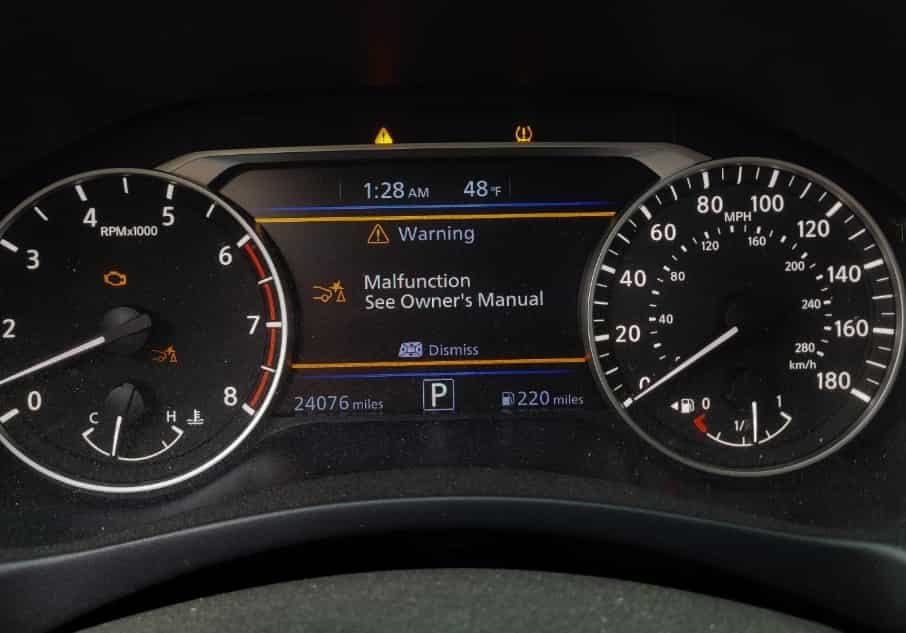
The most common Nissan Altima problems affect the CVT transmission, engine sensors, electrical system, suspension, steering, brakes, and air conditioning system. The severity of these issues depends on the model year, mileage, maintenance history, and condition of the vehicle. Some problems cause minor inconvenience, while others can lead to expensive transmission or engine repairs.
CVT transmission trouble is the main concern for many Nissan Altima owners. Common symptoms include shuddering during acceleration, delayed engagement, unstable engine speed, whining noises, and reduced power. Engine problems may cause rough idling, stalling, oil consumption, or difficulty starting. Electrical faults can also create repeated battery drain, warning lights, key detection errors, and charging system problems.
Not every Nissan Altima develops the same faults. A vehicle with complete service records, regular fluid checks, and early repairs may remain dependable for many years. A neglected vehicle with unresolved warning lights or repeated transmission symptoms carries a much higher repair risk.
This guide explains the most common Nissan Altima problems, the symptoms that identify each issue, the main causes, estimated repair costs, and practical fixes. It also compares affected model years and explains what buyers should inspect before purchasing a used Nissan Altima.
What Are the Most Common Nissan Altima Problems?
The most common Nissan Altima problems involve 8 major areas: the CVT transmission, engine system, electrical components, oil consumption, suspension, steering, brakes, and air conditioning. Among these issues, CVT transmission failures create the highest repair risk because they directly affect acceleration, vehicle movement, and driving reliability. However, other problems can also reduce comfort, safety, and ownership value when drivers ignore early warning signs.
| Problem | Common Symptoms | Severity | Typical Repair Level |
|---|---|---|---|
| CVT transmission problems | Shuddering, hesitation, delayed acceleration, whining noise | High | Expensive |
| Engine problems | Rough idle, stalling, oil consumption, power loss | Medium to High | Moderate to Expensive |
| Electrical problems | Battery drain, warning lights, starting issues | Medium | Low to Moderate |
| Suspension problems | Clunking sounds, vibration, uneven tire wear | Medium | Moderate |
| Steering problems | Heavy steering, pulling, unstable handling | High | Moderate to Expensive |
| Brake problems | Grinding, squeaking, vibration, soft pedal | High | Moderate |
| Air conditioning problems | Warm air, weak airflow, unusual noise | Low to Medium | Moderate |
The Nissan Altima CVT transmission remains the most important system to inspect because transmission damage can create large repair bills. For example, drivers may first notice hesitation during acceleration, unusual vibration, or inconsistent engine RPM. These symptoms indicate that the transmission may not transfer power smoothly between the engine and wheels. Therefore, owners should diagnose these signs early instead of continuing to drive until the vehicle loses performance.
Engine problems represent another common category of Nissan Altima repairs. Drivers may experience rough idling, unexpected stalling, reduced power, or increased oil usage. In addition, faulty sensors such as the camshaft position sensor, crankshaft position sensor, or mass airflow sensor can interrupt normal engine operation. As a result, early diagnosis helps prevent minor component failures from creating larger engine problems.
Electrical and comfort-related problems usually cost less than major drivetrain repairs. However, they can still affect daily reliability. Battery failures, alternator issues, warning lights, key system problems, and air conditioning faults can make the vehicle difficult to operate. Meanwhile, suspension, steering, and brake problems require attention because they directly influence handling and safety.
Overall, Nissan Altima problems vary significantly between model years and individual vehicles. A well-maintained Altima with complete service records can provide reliable transportation, while a neglected vehicle with unresolved symptoms may require expensive repairs. Therefore, buyers and owners should evaluate the specific vehicle condition instead of judging the entire Nissan Altima lineup by a single common failure.Nissan Altima. The condition of an individual vehicle depends heavily on maintenance history, driving habits, repair quality, and previous ownership. A well maintained Altima with complete service records is generally a safer purchase than a neglected vehicle with unresolved warning lights or missing maintenance documentation. For that reason, understanding the symptoms behind each common problem is more valuable than relying only on the reputation of a specific model year.
What Nissan Altima CVT Transmission Problems Are Most Common?
The most common Nissan Altima CVT transmission problems include shuddering during acceleration, delayed engagement, hesitation, unstable RPM, whining noises, overheating, and sudden loss of power. These symptoms usually appear when the CVT system cannot maintain smooth power transfer between the engine and wheels. Therefore, drivers should investigate early warning signs before the transmission develops severe internal damage.
Nissan uses the Xtronic CVT system in many Altima models to provide smooth acceleration and improve fuel efficiency. Unlike a traditional automatic transmission that uses fixed gears, a CVT uses a belt and pulley system to change gear ratios continuously. Because of this design, the transmission depends heavily on correct fluid condition, hydraulic pressure, temperature control, and electronic management.
One of the first signs of a failing Nissan Altima CVT is shuddering during acceleration. Drivers may feel vibration when pressing the accelerator, especially at low speeds or during gradual acceleration. In addition, the vehicle may hesitate before gaining speed or show inconsistent engine RPM. These symptoms indicate that the CVT may struggle to maintain the correct ratio between the pulleys and belt system.
Another common symptom involves unusual transmission noise. A healthy CVT usually operates with a smooth and consistent sound. However, a damaged transmission may produce whining, humming, or grinding noises that increase with vehicle speed. Furthermore, overheating can reduce transmission performance and accelerate internal wear because excessive heat damages fluid quality and transmission components.
Several factors can cause Nissan Altima CVT problems. The most common causes include degraded CVT fluid, incorrect fluid service, valve body failure, pressure control problems, software issues, and internal mechanical wear. For example, old transmission fluid cannot maintain the same protective properties as fresh fluid, which increases friction and heat inside the transmission.
Can a Nissan Altima CVT Be Repaired Without Replacing the Transmission?
A Nissan Altima CVT can sometimes receive repairs without complete replacement when technicians identify a limited problem. For example, a fluid service, software update, sensor replacement, or valve body repair may solve specific transmission issues before internal components fail.
However, replacement becomes more likely when the transmission has severe internal damage. Metal contamination, repeated overheating, damaged pulleys, worn belts, or continuous shuddering usually indicate deeper mechanical problems. In these cases, repairing individual parts may not restore long-term reliability.
Repair costs depend on the failed component, vehicle mileage, labor rates, and available replacement parts. A simple diagnostic service or fluid-related repair usually costs significantly less than replacing the entire CVT assembly. Therefore, accurate diagnosis remains the most important step before choosing a repair solution.
What Symptoms Indicate a Failing Nissan Altima CVT?
A failing Nissan Altima CVT usually shows several warning symptoms before complete failure. The most important signs include delayed acceleration, hesitation when shifting into Drive, vibration during acceleration, abnormal noises, transmission warning lights, and reduced engine response.
For example, a driver may press the accelerator and notice that engine RPM increases without a matching increase in vehicle speed. This symptom suggests that the CVT cannot transfer engine power efficiently. Similarly, repeated shuddering during acceleration may indicate that internal CVT components cannot maintain consistent operation.
Furthermore, drivers should pay attention to changes after the vehicle reaches normal operating temperature. Some CVT problems become more noticeable after extended driving because heat affects fluid performance and internal pressure. As a result, a short test drive may not reveal every transmission problem.
Early diagnosis can prevent additional damage. When drivers notice repeated hesitation, unusual vibration, or warning lights, they should perform a diagnostic inspection instead of waiting for complete transmission failure.
How Can Nissan Altima Owners Reduce CVT Transmission Problems?
Nissan Altima owners can reduce CVT transmission problems by maintaining the correct fluid condition, following the recommended maintenance schedule, and addressing symptoms early. Regular inspections help identify leaks, overheating issues, and abnormal transmission behavior before they create expensive repairs.
In addition, owners should use the correct CVT fluid specified for their vehicle. Using an incorrect fluid can affect lubrication, hydraulic pressure, and transmission operation. Furthermore, drivers should avoid ignoring early symptoms such as hesitation, shuddering, or unusual transmission sounds.
Driving habits also influence CVT lifespan. Smooth acceleration reduces unnecessary stress on the belt and pulley system. Meanwhile, repeated heavy acceleration, overheating conditions, or towing beyond vehicle limits can increase transmission strain.
Although Nissan Altima CVT problems receive significant attention, proper maintenance can reduce risk. A complete service history, regular inspections, and early repairs help owners protect the transmission and improve long-term vehicle reliability.
What Engine Problems Affect the Nissan Altima?
The most common Nissan Altima engine problems include stalling, rough idling, excessive oil consumption, hard starting, misfires, and reduced engine performance. These problems usually develop because of sensor failures, ignition system issues, fuel delivery problems, oil-related conditions, or normal component wear. Therefore, identifying the exact cause remains important because similar symptoms can come from completely different engine components.
Engine stalling represents one of the most concerning problems because it directly affects vehicle reliability and safety. A Nissan Altima may stall when the engine control system receives incorrect information from important sensors. For example, a failing camshaft position sensor or crankshaft position sensor can interrupt ignition timing and fuel delivery. As a result, the engine may shut off unexpectedly or struggle to restart.
Rough idling is another common engine complaint among Nissan Altima owners. Drivers may notice shaking, inconsistent engine speed, or unusual vibration when the vehicle remains stationary. In addition, worn spark plugs, failing ignition coils, dirty throttle bodies, vacuum leaks, and contaminated mass airflow sensors can affect the engine’s ability to maintain stable combustion.
Excessive oil consumption creates another important concern, especially in higher mileage Nissan Altima vehicles. A healthy engine maintains proper oil levels between service intervals. However, worn piston rings, damaged valve seals, external oil leaks, or incorrect oil specifications can increase oil loss. Consequently, drivers may notice frequent oil top-ups, blue exhaust smoke, engine noise, or reduced performance.
Why Does a Nissan Altima Engine Stall or Shut Off?
A Nissan Altima engine may stall because of five main causes: sensor failure, fuel delivery problems, ignition faults, electrical issues, and airflow problems. Each system controls a different part of the combustion process, so a failure in one area can interrupt normal engine operation.
Sensor problems are among the most common causes of unexpected stalling. The engine control module depends on information from sensors such as the crankshaft position sensor, camshaft position sensor, and mass airflow sensor. If these components send inaccurate data, the engine computer may adjust fuel and ignition timing incorrectly.
Fuel system problems can also cause stalling. A weak fuel pump, clogged fuel filter, or fuel pressure problem can prevent the engine from receiving enough fuel. Similarly, ignition problems such as worn spark plugs or failing ignition coils can prevent the engine from creating proper combustion.
Electrical problems may create similar symptoms. A weak battery, failing alternator, damaged wiring, or poor electrical connection can reduce system voltage and affect engine operation. Therefore, technicians need diagnostic testing to identify whether the problem comes from the engine itself or from supporting electrical components.
Why Does a Nissan Altima Consume Too Much Oil?
A Nissan Altima consumes excessive oil when the engine loses oil through leaks, burns oil internally, or operates with incorrect maintenance conditions. The most common causes include worn piston rings, damaged valve seals, faulty PCV systems, external oil leaks, and extended oil-change intervals.
Internal oil consumption happens when engine components cannot properly control oil movement inside the combustion chamber. For example, worn piston rings may allow oil to enter the combustion process, where the engine burns it along with fuel. As a result, drivers may see blue smoke from the exhaust or notice a lower oil level between oil changes.
External leaks create another source of oil loss. Common leak points include valve cover gaskets, oil pan gaskets, oil filters, and seals. Furthermore, using incorrect oil viscosity can affect engine protection and may increase consumption under certain operating conditions.
Regular oil inspections help owners identify problems early. Checking the oil level, monitoring changes between services, and repairing leaks quickly can prevent low-oil conditions that damage internal engine components.
Why Does a Nissan Altima Crank but Not Start?
A Nissan Altima cranks but does not start when the starter motor turns the engine but the combustion process does not begin. The most common causes include battery voltage problems, fuel pump failure, sensor faults, ignition problems, immobilizer issues, and starter-related electrical faults.
A weak battery may still provide enough power to turn the starter but not enough voltage for the engine control system to operate correctly. Similarly, a failing fuel pump may prevent fuel from reaching the engine even though the engine rotates normally.
Sensor failures can also prevent starting. The engine computer requires accurate signals from the crankshaft position sensor and camshaft position sensor to control ignition and fuel timing. Without these signals, the system may disable fuel injection or ignition.
Because several problems create the same symptom, replacing parts without diagnosis can increase repair costs. A proper inspection should include battery testing, fuel pressure testing, diagnostic scanning, and electrical system evaluation before technicians replace components.
How Much Do Nissan Altima Engine Repairs Cost?
Nissan Altima engine repair costs depend on the failed component, labor requirements, vehicle age, and the extent of damage. Small repairs such as replacing sensors, spark plugs, or ignition coils usually cost less than major repairs involving internal engine components.
Sensor replacements and ignition repairs usually require less labor because technicians can access these components without removing major engine parts. In contrast, repairs involving piston rings, valve seals, cylinder damage, or engine replacement require significantly more time and specialized work.
Furthermore, repair decisions should consider the vehicle’s overall value. A high mileage Nissan Altima may not justify an expensive engine repair if the transmission, suspension, and electrical systems also require attention. Therefore, owners should compare repair costs with the vehicle’s condition, market value, and expected remaining lifespan.
What Electrical Problems Are Common in a Nissan Altima?
The most common Nissan Altima electrical problems include battery drain, alternator failure, starting problems, warning lights, key system issues, and faulty sensors. These problems can affect daily reliability because the electrical system controls essential functions such as engine starting, vehicle communication, safety features, and interior electronics. Therefore, diagnosing electrical symptoms early helps prevent unexpected breakdowns and unnecessary part replacements.
Battery problems represent one of the most frequent electrical issues in Nissan Altima vehicles. A weak or failing battery may cause slow engine cranking, clicking sounds during startup, dim headlights, or complete no-start conditions. However, a battery that repeatedly loses power may indicate a deeper problem, such as alternator failure, parasitic electrical drain, damaged wiring, or a module that continues using power after the vehicle turns off.
The alternator also plays an important role in maintaining electrical performance. When the alternator cannot recharge the battery correctly, drivers may notice warning lights, weak electrical accessories, flickering lights, or sudden engine shutdown. In addition, low system voltage can create multiple warning messages because modern Nissan Altima models rely on electronic control modules that require stable electrical power.
Furthermore, Intelligent Key problems can prevent normal vehicle operation. A weak key fob battery, communication fault, brake switch issue, or body control module problem may stop the vehicle from recognizing the key. As a result, owners should confirm the actual cause before replacing expensive electronic components.
Overall, Nissan Altima electrical problems range from simple battery replacements to complex wiring or module repairs. A diagnostic scan and electrical system test provide the most accurate way to identify the failed component and choose the correct repair.
What Suspension and Steering Problems Affect the Nissan Altima?
The most common Nissan Altima suspension and steering problems include clunking noises, vibration, uneven tire wear, pulling to one side, heavy steering, and unstable handling. These issues usually develop because suspension components wear over time, steering parts lose their precision, or wheels become misaligned. Therefore, regular inspection helps owners maintain driving comfort, tire performance, and vehicle safety.
Suspension wear often creates noticeable sounds and changes in driving behavior. For example, worn strut mounts, sway bar links, control arm bushings, ball joints, and other suspension components can create knocking or rattling sounds when the vehicle passes over bumps. In addition, damaged suspension parts may allow excessive wheel movement, which reduces handling stability and increases tire wear.
Steering problems can also affect Nissan Altima driving performance. Drivers may notice that the vehicle pulls to one side, requires more effort to turn, or feels unstable during highway driving. These symptoms may come from incorrect wheel alignment, worn tie rod ends, steering system faults, uneven tire pressure, or damaged tires. Furthermore, a wheel bearing problem can create a humming or grinding noise that changes with vehicle speed.
Highway vibration represents another common complaint among Nissan Altima owners. However, vibration does not always indicate a transmission problem. Wheel imbalance, bent wheels, tire defects, worn suspension parts, or alignment issues can create similar symptoms.
Overall, suspension and steering problems may start as minor comfort issues but can develop into safety concerns when owners ignore them. A professional inspection can identify worn components early and prevent additional damage to tires, steering parts, and other vehicle systems.
What Brake Problems Are Common in a Nissan Altima?
The most common Nissan Altima brake problems include squeaking noises, grinding sounds, brake vibration, soft brake pedals, reduced braking performance, and ABS warning lights. These problems usually develop because brake components wear over time, friction materials become damaged, or hydraulic systems lose proper pressure. Therefore, drivers should inspect brake symptoms early because brake failures directly affect vehicle safety.
Brake noise represents one of the first signs of a developing problem. A Nissan Altima may produce squeaking sounds when brake pads become worn, contaminated, or improperly installed. In addition, brake rotors can develop uneven surfaces that create vibration or pulsation when drivers apply the brake pedal. These symptoms usually become more noticeable during repeated braking or highway driving.
Grinding noises require immediate attention because they often indicate severe brake pad wear. When the friction material disappears completely, metal components can contact the rotor and create additional damage. As a result, a simple brake pad replacement can become a more expensive repair involving rotor or caliper replacement.
A soft or spongy brake pedal creates another important concern. This symptom may occur because of air inside the brake lines, low brake fluid, hydraulic leaks, damaged brake hoses, or master cylinder problems. Furthermore, drivers should not ignore ABS warning lights because they may indicate sensor failures or problems with the anti-lock braking system.
Overall, Nissan Altima brake problems range from normal maintenance needs to serious safety issues. Regular brake inspections, timely component replacement, and proper diagnosis help owners maintain reliable stopping performance and prevent larger repair costs.
What Air Conditioning Problems Affect the Nissan Altima?
The most common Nissan Altima air conditioning problems include warm air from the vents, weak airflow, intermittent cooling, unusual compressor noises, refrigerant leaks, and blower motor failures. These issues usually occur because the cooling system cannot maintain proper refrigerant pressure, electrical control, airflow, or compressor operation. Therefore, identifying the exact cause helps owners avoid unnecessary repairs and restore comfortable cabin temperatures.
Warm air from the air conditioning system represents one of the most common complaints among Nissan Altima owners. This problem may occur because of low refrigerant levels, refrigerant leaks, compressor failure, condenser damage, cooling fan problems, or faulty pressure sensors. For example, a refrigerant leak reduces the amount of cooling material available inside the system, which prevents the air conditioner from producing cold air.
Weak airflow creates another type of air conditioning problem. A Nissan Altima may have reduced airflow because of a clogged cabin air filter, failing blower motor, damaged blower resistor, blocked air passages, or climate control faults. In addition, a weak blower motor can make the air conditioner appear ineffective even when the cooling components work correctly.
Intermittent cooling usually indicates an electrical or mechanical control issue. The system may work normally at certain times but stop cooling because of compressor control problems, sensor failures, wiring faults, or temperature regulation issues. Furthermore, unusual compressor sounds may indicate internal wear that requires professional inspection.
Overall, Nissan Altima air conditioning problems range from simple maintenance issues to complex component failures. Regular system checks, early diagnosis, and proper refrigerant service help owners maintain reliable cooling performance and prevent expensive repairs.
Which Nissan Altima Model Years Have the Most Problems?
The Nissan Altima model years with the highest number of reported problems are mainly older generations and certain vehicles from the 2013 to 2018 production period. However, problem frequency depends on mileage, maintenance history, driving conditions, and previous repairs. Therefore, buyers should inspect each vehicle individually instead of avoiding an entire generation based only on reputation.
The 2002 to 2006 Nissan Altima models commonly experience age-related problems because many vehicles from this period have high mileage. Owners may encounter oil consumption, catalytic converter issues, engine wear, electrical problems, and suspension deterioration. In addition, normal aging affects rubber components, seals, sensors, and other mechanical parts.
The 2007 to 2012 Nissan Altima generation requires careful inspection because some vehicles experience CVT concerns, steering problems, suspension wear, and electrical faults. Furthermore, vehicles with poor maintenance records may develop more expensive issues because previous owners may have delayed necessary repairs.
The 2013 to 2018 Nissan Altima models deserve additional attention because CVT transmission complaints appear frequently among reported owner experiences. Common symptoms include acceleration hesitation, vibration, delayed response, and unusual transmission noises. However, not every vehicle from this period has transmission failure. A complete service history and proper inspection provide better reliability information than the model year alone.
Newer Nissan Altima models from 2019 and later generally include updated technology and newer safety features. Nevertheless, owners may still report electronic system issues, battery concerns, infotainment problems, or model-specific component failures.
Overall, the most important factor when evaluating a Nissan Altima is the condition of the individual vehicle. A properly maintained older Altima can provide better ownership value than a newer vehicle with neglected maintenance and unresolved mechanical problems.
How Much Does It Cost to Repair Common Nissan Altima Problems?
The cost to repair common Nissan Altima problems ranges from less than $100 for minor fixes to several thousand dollars for major transmission or engine repairs. The final repair cost depends on the failed component, vehicle year, mileage, labor rates, part availability, and the extent of additional damage. Therefore, owners should complete a proper diagnosis before deciding whether to repair or replace a component.
Minor Nissan Altima repairs usually involve components such as batteries, sensors, fuses, spark plugs, brake pads, or cabin air filters. These repairs typically require less labor and fewer replacement parts. For example, replacing a faulty sensor may solve a performance problem without requiring major engine work.
Moderate repair costs usually involve alternators, starters, suspension components, brake rotors, wheel bearings, air conditioning parts, and steering components. These repairs require more labor because technicians need additional time to access and replace mechanical parts. In addition, delaying these repairs may create secondary damage and increase the final cost.
Major Nissan Altima repairs involve the CVT transmission and internal engine components. A transmission replacement can become one of the most expensive repairs because technicians must remove and install a complete drivetrain component. Similarly, internal engine repairs require significant labor because technicians must inspect and repair components inside the engine.
Furthermore, repair decisions should consider the vehicle’s overall condition. A Nissan Altima with high mileage may require multiple repairs at the same time, including transmission service, suspension replacement, and electrical repairs. As a result, owners should compare repair expenses with the vehicle’s current value and expected remaining lifespan before making a final decision.
How Can You Prevent Common Nissan Altima Problems?
You can prevent common Nissan Altima problems by following the correct maintenance schedule, checking important fluids regularly, addressing warning signs early, and keeping detailed service records. Preventive maintenance reduces the risk of major failures because it allows owners to identify wear, leaks, and performance changes before they create expensive damage.
Regular engine maintenance represents one of the most effective ways to protect Nissan Altima reliability. Owners should check engine oil levels, follow recommended oil-change intervals, inspect for leaks, and replace worn ignition components when necessary. In addition, maintaining proper engine oil levels helps protect internal components and reduces the risk of premature engine wear.
CVT transmission care requires special attention because transmission repairs often create the highest costs. Owners should monitor transmission performance, inspect for fluid leaks, and follow the maintenance recommendations for their specific model year. Furthermore, drivers should investigate symptoms such as hesitation, shuddering, delayed acceleration, or unusual transmission noises instead of waiting for complete failure.
Battery and electrical system inspections also help prevent unexpected breakdowns. Testing battery condition, checking charging performance, and repairing damaged electrical connections can reduce starting problems and warning-light issues. Similarly, maintaining proper tire pressure and wheel alignment protects suspension components, steering performance, and tire lifespan.
Finally, owners should keep records of oil changes, repairs, inspections, recalls, and replacement parts. These records help identify recurring problems and increase vehicle value when selling the Nissan Altima. Overall, consistent maintenance and early diagnosis provide the most effective strategy for reducing repair costs and improving long-term reliability.
What Should You Check Before Buying a Used Nissan Altima?
You should check the transmission condition, maintenance history, diagnostic codes, engine performance, electrical system, suspension, brakes, and previous repairs before buying a used Nissan Altima. A complete inspection helps buyers identify expensive problems before purchase and provides a clearer understanding of the vehicle’s actual condition.
The CVT transmission requires the highest level of attention during a used Nissan Altima inspection. During a test drive, buyers should check for hesitation, shuddering, delayed acceleration, unusual noises, unstable RPM, or warning lights. In addition, the test drive should include both low-speed driving and highway acceleration because some transmission problems appear only after the vehicle reaches normal operating temperature.
The maintenance history provides important information about previous ownership quality. Buyers should review records for oil changes, CVT service, brake repairs, battery replacements, recalls, and major component replacements. Furthermore, a vehicle with consistent maintenance records usually provides more confidence than a similar model with unknown service history.
A professional pre-purchase inspection can reveal hidden problems that a normal test drive cannot identify. Technicians can scan electronic systems, check fluid conditions, inspect suspension components, evaluate brake wear, and identify previous accident damage. Therefore, buyers should complete an inspection before finalizing a purchase decision.
Finally, buyers should compare repair needs with the vehicle’s market value. A used Nissan Altima with a recently replaced transmission and complete service records may represent a better choice than a lower-priced vehicle with unresolved mechanical problems. Overall, condition, maintenance history, and inspection results matter more than the model year alone.
Is the Nissan Altima Reliable Despite Its Common Problems?
The Nissan Altima can provide reliable transportation when owners choose the right model year, maintain the vehicle correctly, and repair problems before they create additional damage. However, reliability varies between individual vehicles because mileage, service history, driving habits, and previous repairs strongly influence long-term performance.
The CVT transmission remains the most important system to evaluate because major transmission repairs can create significant ownership costs. Therefore, buyers should inspect transmission behavior carefully and review maintenance records before purchasing a used Nissan Altima. A vehicle with smooth acceleration, proper service documentation, and no warning symptoms usually represents a lower ownership risk.
At the same time, Nissan Altima problems do not only involve the transmission. Engine sensors, electrical components, brakes, suspension parts, steering systems, and air conditioning components can also require repairs as the vehicle ages. However, many of these issues involve normal wear and become manageable when owners perform regular maintenance.
Ultimately, a Nissan Altima purchase decision should depend on the specific vehicle rather than the model name alone. A well-maintained Altima with complete records can offer good value, while a neglected vehicle with unresolved mechanical issues may require expensive repairs. A diagnostic inspection, service history review, and careful test drive provide the best evidence when deciding whether to buy or continue owning a Nissan Altima.