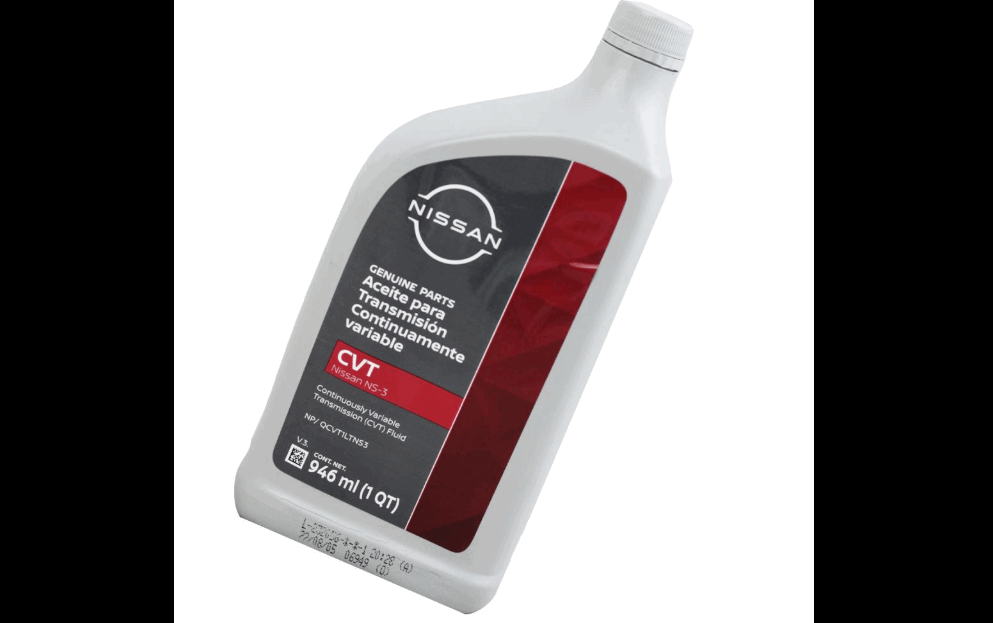
Nissan CVT fluid is usually blue or green when new, depending on the fluid specification. Nissan NS 2 CVT fluid generally has a green color. Nissan NS 3 CVT fluid typically has a blue color. Over time, heat, friction, and oxidation can make both fluids look darker.
Color can help you check the condition of Nissan CVT fluid. However, color alone cannot tell you whether a fluid suits your transmission. Two CVT fluids may look similar but have different viscosity and friction properties. For this reason, Nissan owners should always check the required fluid specification before adding or replacing CVT fluid.
Normal use can also change the appearance of Nissan CVT fluid. Therefore, darker fluid does not always indicate a transmission problem. You should pay closer attention when the fluid looks very dark or smells burnt. Visible debris and unusual transmission behavior can also indicate a problem.
This article explains Nissan CVT fluid colors and the differences between NS 2 and NS 3. It also covers normal color changes, signs of bad fluid, inspection methods, and CVT fluid replacement.
What Color Is Nissan CVT Fluid?
Nissan CVT fluid is generally green or blue when new, depending on the required fluid specification. NS 2 fluid typically appears green, while NS 3 fluid typically appears blue. These distinct colors can help with visual inspection. However, the appearance may change after the fluid spends more time inside the transmission.
During normal operation, heat and friction gradually affect the fluid. Oxidation can also make its original color darker. A moderate color change does not automatically mean the fluid is bad. Mileage, operating temperature, driving conditions, and service history all affect fluid condition.
Visual appearance cannot confirm which CVT fluid a Nissan requires. Different products may have similar colors but use different formulations. Their viscosity, friction properties, and additive packages can vary. For this reason, check the required Nissan specification before adding new fluid. The owner’s manual and vehicle specific service information offer more reliable guidance than color.
A proper fluid inspection should also include clarity, smell, and visible contamination. Pay closer attention when the fluid looks very dark, smells burnt, or contains unusual debris. CVT behavior provides another useful indication of transmission condition. Shuddering, delayed response, overheating, or unusual noises may signal the need for further inspection.
What Color Are Nissan NS 2 and NS 3 CVT Fluids?
Nissan NS 2 CVT fluid is typically green, while Nissan NS 3 CVT fluid is typically blue. The color difference can help distinguish fresh fluids during a visual inspection. However, drivers should never use color as the main method for choosing fluid. The correct specification depends on the CVT installed in the vehicle.
NS 2 and NS 3 use different formulations to meet specific transmission requirements. Their viscosity, friction characteristics, and additive packages can differ. Because of these differences, matching the fluid specification matters more than matching its appearance. Using the wrong product may affect lubrication and the way the CVT operates.
Vehicle specific information provides the safest way to identify the correct fluid. Check the owner’s manual or Nissan service information before adding or replacing CVT fluid. A label or service record may also help confirm which specification the transmission requires. This step becomes especially important when the vehicle has an unknown maintenance history.
Aftermarket CVT fluids can make visual identification more difficult. A compatible product may not use the same dye color as Nissan branded fluid. Likewise, two products with similar colors do not necessarily meet the same specification. Always verify the stated compatibility and required specification instead of relying on color alone.
Does Nissan CVT Fluid Change Color as It Gets Older?
Nissan CVT fluid can become darker as it gets older and accumulates mileage. Fresh fluid starts with its original green or blue appearance, depending on the specification. During use, heat, friction, and oxidation gradually affect the fluid. These processes can change its color without immediately indicating a serious CVT problem.
Heat plays a major role in fluid aging. A CVT generates heat while transferring power and controlling transmission ratios. Higher operating temperatures can accelerate oxidation and reduce fluid quality over time. Friction inside the transmission also contributes to gradual changes in appearance. For these reasons, used fluid may look noticeably darker than new fluid.
Driving conditions influence how quickly these changes occur. Heavy traffic can expose the transmission to repeated heat cycles. High loads and demanding driving conditions may also increase thermal stress. In contrast, moderate driving conditions may place less stress on the fluid. Service history matters as well because older fluid has experienced more operating cycles.
Color should therefore serve as one indicator of fluid condition rather than a final diagnosis. Slightly darker fluid can result from normal use. Very dark fluid deserves closer attention, especially when it smells burnt or contains visible debris. Drivers should consider these signs together with mileage, maintenance history, and CVT behavior before deciding on the next inspection or service step.
What Does Dark or Burnt Nissan CVT Fluid Mean?
Dark or burnt Nissan CVT fluid can indicate heat related degradation, oxidation, contamination, or extended fluid use. A darker color alone does not confirm CVT damage. However, very dark fluid deserves closer attention when other warning signs appear at the same time.
Excessive heat can accelerate fluid degradation. High temperatures promote oxidation and gradually reduce the fluid’s ability to perform as intended. Repeated heat cycles can make this process happen faster. As the fluid ages, its original green or blue color may become brown or much darker.
Contamination provides another important clue. Wear material can enter the fluid as transmission components operate. Small changes may occur during normal use, but visible particles require closer inspection. A burnt smell can also point to excessive heat or degraded fluid. Checking color, odor, and clarity together provides a better assessment than checking color alone.
CVT behavior adds useful context to the inspection. Shuddering, delayed response, unusual noises, or overheating warnings can indicate a transmission problem. These symptoms become more concerning when the fluid also looks very dark or smells burnt. In that situation, drivers should arrange a proper CVT inspection instead of diagnosing the transmission from fluid color alone.
How Can You Check the Condition of Nissan CVT Fluid?
Check Nissan CVT fluid by examining its color, clarity, smell, contamination, and the way the transmission operates. Using several indicators gives you a better picture of fluid condition. Color alone cannot confirm whether the fluid is healthy or whether the CVT has a problem.
Start by looking at the fluid’s appearance. Fresh Nissan NS 2 fluid typically looks green, while fresh NS 3 fluid typically looks blue. Used fluid may become darker after exposure to heat and normal operation. Cloudiness, unusual discoloration, or visible particles deserve closer attention.
Next, check the odor when the vehicle specific inspection procedure allows access to the fluid. A strong burnt smell may indicate excessive heat or fluid degradation. Visible debris can provide another warning sign. Consider these observations together instead of treating any single characteristic as a complete diagnosis.
The inspection method also depends on the Nissan model and CVT design. Some vehicles do not provide a conventional dipstick for routine owner checks. In those cases, checking the fluid may require a specific procedure and correct fluid temperature. Follow the service information for the exact vehicle before opening any fill or inspection point.
Finally, consider how the CVT operates. Shuddering, delayed response, overheating warnings, or unusual noises can strengthen the case for further inspection. When abnormal fluid condition appears alongside these symptoms, a qualified technician should inspect the CVT.
When Should Nissan CVT Fluid Be Changed?
Nissan CVT fluid should be changed according to the maintenance requirements for the specific vehicle, transmission, and driving conditions. Nissan models can use different CVT designs and fluid specifications. Therefore, one replacement interval does not apply to every Nissan vehicle.
Driving conditions can affect how quickly CVT fluid ages. Heavy traffic creates repeated heat cycles inside the transmission. High loads and prolonged operation at elevated temperatures can also increase stress on the fluid. Under demanding conditions, the fluid may require closer inspection than it would under moderate use.
Fluid condition provides additional information, but color should not determine the service interval by itself. Darker fluid can result from normal aging and oxidation. In contrast, very dark fluid combined with a burnt smell or visible contamination deserves attention. Abnormal CVT behavior can make these signs more significant.
Maintenance history also helps determine the next service step. Check previous service records when available and compare them with the requirements for the vehicle. If the maintenance history remains unknown, a proper inspection can help establish the current condition of the fluid and transmission.
Always use the CVT fluid specification required for the vehicle during replacement. NS 2 and NS 3 have different formulations and should not be selected by color. Confirm the correct specification through the owner’s manual or applicable Nissan service information before servicing the CVT.
What Should You Remember About Nissan CVT Fluid Color?
Nissan CVT fluid is typically green or blue when new, depending on the required specification. Nissan NS 2 fluid generally appears green, while NS 3 fluid generally appears blue. As the fluid ages, heat, friction, and oxidation can gradually make its original color darker.
A color change does not automatically mean the CVT has a problem. Used fluid may naturally look darker than fresh fluid after accumulating mileage. However, very dark fluid requires more attention when it also smells burnt or contains visible debris. Shuddering, unusual noises, delayed response, or overheating warnings can provide further signs that the transmission needs inspection.
Most importantly, color does not determine fluid compatibility. Nissan CVT fluids can have different formulations even when their appearance looks similar. Always confirm the required specification through the owner’s manual or applicable service information before adding or replacing fluid.
Regular inspection and correct fluid selection help protect CVT operation over time. For further maintenance guidance, drivers should also check the recommended Nissan CVT fluid change interval for their specific model and driving conditions.