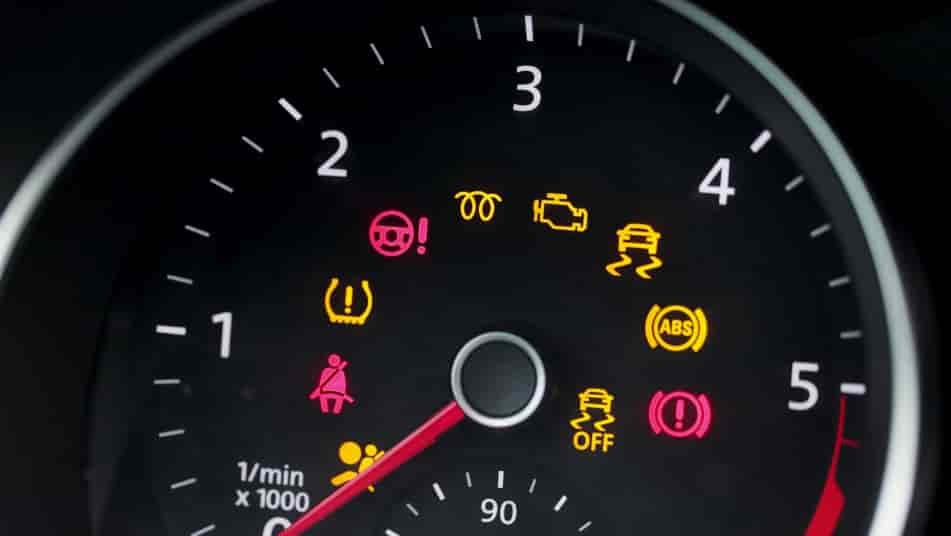
When the AT Check Light On Nissan Altima appears on the dashboard, most drivers feel immediate stress. This warning often signals a transmission related issue that should not be ignored. Many Nissan Altima owners worry about CVT failure and high repair costs, and in many situations, that concern is valid. The warning exists to alert the driver before serious damage occurs.
The AT Check Light focuses specifically on the automatic transmission system. It turns on when the vehicle detects abnormal conditions such as overheating, incorrect transmission fluid pressure, sensor errors, or internal CVT wear. Even if the car still moves and feels normal, the system has already identified a problem. Continuing to drive without diagnosis increases the risk of further damage and higher repair expenses.
Many drivers assume the warning will reset itself or disappear after restarting the car. This assumption often leads to costly mistakes. Transmission problems rarely fix themselves. Small issues can escalate quickly when the warning light stays on.
This guide explains everything you need to know about AT Check Light On Nissan Altima. You will learn the most common causes, the symptoms that signal danger, whether it is safe to keep driving, how the problem is typically fixed, and what repair costs usually look like. With the right information, you can act early, protect your transmission, and avoid unnecessary financial stress.
What Does AT Check Light On Nissan Altima Mean?
The AT Check Light On Nissan Altima indicates a problem within the automatic transmission system. The letters AT stand for automatic transmission, and this warning focuses only on transmission related faults. When the light turns on, the vehicle’s control module has detected data that falls outside normal operating limits.
Most Nissan Altima models use a continuously variable transmission. This system relies on precise fluid pressure, temperature control, and sensor feedback to operate smoothly. When any of these elements fail to perform correctly, the control module triggers the AT Check Light to warn the driver. The light does not appear randomly and it does not activate without a reason.
In many cases, the vehicle may still drive normally when the warning first appears. Gear engagement may feel smooth and acceleration may seem unchanged. This often creates a false sense of safety. The warning signals an early stage problem that can worsen over time if left unaddressed. Transmission components operate under constant stress, and small irregularities can quickly lead to larger mechanical failures.
The AT Check Light differs from the Check Engine Light in both purpose and urgency. While the Check Engine Light can relate to many systems, the AT Check Light points directly to transmission health. Because the transmission is one of the most expensive components to repair, this warning deserves immediate attention. Early diagnosis often prevents extensive damage and helps keep repair costs under control.
Common Causes of AT Check Light On Nissan Altima
The AT Check Light On Nissan Altima usually appears because the transmission system detects abnormal operating conditions. These issues can range from minor maintenance problems to serious internal damage. Understanding the most common causes helps drivers react correctly and avoid unnecessary transmission failure.
One of the most frequent causes is low or contaminated transmission fluid. CVT transmissions rely heavily on clean fluid to maintain correct pressure and cooling. When fluid levels drop or the fluid becomes dirty, the transmission struggles to regulate pressure. This condition often triggers the warning light and can cause long term wear if ignored.
Overheating is another common reason. Excessive heat breaks down transmission fluid and reduces lubrication. Aggressive driving habits, heavy loads, or extended driving in hot conditions can push the CVT beyond safe temperature limits. When overheating occurs repeatedly, internal components begin to degrade faster.
Faulty transmission sensors also play a major role. Sensors monitor temperature, pressure, and speed inside the transmission. When a sensor sends incorrect data, the control module interprets it as a system failure. Even if the mechanical parts remain intact, the warning light can still activate.
Valve body problems represent a more serious cause. The valve body controls fluid flow inside the transmission. Wear, debris, or internal leakage disrupts pressure regulation and leads to shifting problems. In many Nissan Altima models, valve body issues appear before complete CVT failure.
Electrical or wiring issues can also trigger the warning. Damaged connectors, corrosion, or loose wiring interfere with sensor signals. These faults can cause intermittent warnings that confuse many drivers and delay proper diagnosis.
Each of these causes varies in severity. Some require simple maintenance, while others demand immediate professional repair. Identifying the root cause early often determines whether the repair remains affordable or becomes a major expense.
Symptoms You Should Not Ignore
When the AT Check Light On Nissan Altima turns on, the vehicle often shows warning signs that many drivers overlook. These symptoms may appear subtle at first, but they usually indicate growing transmission stress. Recognizing them early can prevent serious damage and high repair costs.
One common symptom is jerking or slipping during acceleration. The engine may rev higher than normal while the vehicle struggles to gain speed. This behavior suggests that the transmission cannot transfer power efficiently. Delayed response when shifting from park to drive also signals internal pressure problems.
Unusual noises provide another clear warning. A whining or humming sound often points to CVT belt or pulley wear. In some cases, drivers notice a burning smell. Overheated transmission fluid usually causes this odor and signals that internal temperatures have exceeded safe limits.
Loss of power represents a more severe symptom. The vehicle may enter a protective mode that limits acceleration. This condition exists to reduce further damage, but it also indicates that the transmission system has detected a serious fault. Continued driving in this state increases the risk of permanent failure.
Vibration at low speeds can also appear. Many drivers mistake this issue for engine problems or tire imbalance. In reality, the transmission may struggle to maintain smooth operation due to fluid pressure irregularities.
These symptoms rarely resolve on their own. Each sign points to a mechanical or electronic problem that requires attention. Ignoring them often leads to more extensive repairs and higher costs over time.
Is It Safe to Drive With AT Check Light On Nissan Altima?
When the AT Check Light On Nissan Altima turns on, many drivers ask whether they can continue driving. The short answer depends on the underlying issue, but driving without inspection always carries risk. The warning exists to prevent further damage, not to suggest delayed action.
In some cases, the vehicle may still drive smoothly with no obvious symptoms. This situation often occurs during the early stages of a transmission problem. While short distance driving to a repair shop may remain possible, extended use increases internal wear. Heat and pressure continue to build inside the CVT, even when performance feels normal.
Driving becomes unsafe when symptoms appear alongside the warning light. Slipping, delayed acceleration, loud noises, or power loss signal serious transmission stress. Continuing to drive in these conditions can cause irreversible damage. A minor repair can quickly turn into full transmission replacement.
The financial risk also plays a major role in this decision. Early diagnosis often involves fluid service, sensor replacement, or software updates. These repairs remain relatively affordable. Ignoring the warning can lead to CVT failure, which often costs several thousand dollars to fix.
The safest approach involves limiting driving and scheduling a professional inspection as soon as possible. Treat the warning as an urgent notice rather than a suggestion. Acting early protects both the transmission and your budget.
How to Fix AT Check Light On Nissan Altima
Fixing the AT Check Light On Nissan Altima requires identifying the exact cause before taking action. Guessing or resetting the light without diagnosis often leads to repeated failures and higher repair costs. A structured approach helps prevent unnecessary damage.
The first step involves scanning the vehicle for transmission related fault codes. A professional scan tool reads data from the transmission control module and reveals sensor errors, pressure issues, or temperature faults. These codes guide the technician toward the correct repair path.
The next step focuses on checking the transmission fluid. Low fluid levels or degraded fluid reduce lubrication and cooling efficiency. In many cases, replacing the fluid restores normal operation and clears the warning. Technicians also inspect the fluid for metal particles, which indicate internal wear.
Software updates or relearn procedures may solve the issue in some situations. Nissan releases calibration updates that improve CVT behavior and sensor communication. These updates help correct false warnings and improve long term reliability.
If the warning persists, a mechanical inspection becomes necessary. Technicians may examine sensors, wiring, and the valve body. Electrical faults often cause intermittent warnings, while valve body wear leads to pressure instability. Addressing these problems early prevents more severe transmission damage.
Some drivers attempt to reset the warning by disconnecting the battery. This method only clears the light temporarily and does not fix the root problem. The warning usually returns once the system detects the fault again. Proper diagnosis remains the only reliable solution.
AT Check Light On Nissan Altima Repair Cost
The repair cost for AT Check Light On Nissan Altima varies widely depending on the underlying problem. Some fixes involve basic maintenance, while others require major transmission work. Understanding these cost ranges helps drivers make informed decisions and avoid surprises.
Minor issues usually cost the least. A transmission fluid service often falls within a lower price range and can resolve early warning signs. Replacing a faulty sensor or repairing damaged wiring also remains relatively affordable when addressed promptly.
Moderate repairs involve components such as the valve body. Valve body issues affect fluid pressure control and often cause drivability problems. Repairing or replacing this component costs more but still prevents complete transmission failure.
Severe cases lead to the highest expenses. Internal CVT damage or belt wear often requires a rebuild or full replacement. These repairs represent the most expensive outcome and usually result from prolonged driving after the warning light appears.
Labor rates also affect total cost. Dealership repairs often cost more due to higher labor charges and original parts. Independent transmission specialists may offer lower prices and flexible repair options. Choosing the right repair facility can significantly impact the final bill.
Early diagnosis remains the most effective way to control repair costs. Addressing the warning at its first appearance often keeps expenses manageable and protects the transmission from irreversible damage.
How to Prevent AT Check Light Issues in the Future
Preventing the AT Check Light On Nissan Altima starts with proper transmission care and consistent maintenance habits. While no transmission lasts forever, good practices significantly reduce the risk of unexpected warnings and costly repairs.
Regular transmission fluid service plays a critical role. CVT transmissions depend on clean fluid to regulate pressure and control temperature. Changing the fluid at recommended intervals helps maintain stable performance and prevents premature wear. Using the correct fluid type also protects internal components.
Driving habits directly affect transmission health. Smooth acceleration and gradual braking reduce stress on the CVT system. Avoiding aggressive starts and excessive high speed driving lowers internal heat buildup. These habits extend transmission life and improve overall reliability.
Paying attention to early warning signs also helps prevent major issues. Unusual noises, delayed response, or vibration often appear before warning lights activate. Addressing these symptoms early reduces the chance of severe damage.
Routine inspections provide another layer of protection. Periodic diagnostic scans identify minor faults before they escalate. Early detection allows for simple repairs instead of major transmission work.
Consistent care and responsible driving habits help keep the transmission operating within safe limits. Prevention remains the most effective strategy for avoiding future AT Check Light problems.
Conclusion – What You Should Do Next
The AT Check Light On Nissan Altima serves as an important warning that should never be ignored. This light signals that the transmission system has detected abnormal conditions that can worsen over time. While the vehicle may continue to drive, the risk of serious damage increases with every mile.
Understanding the causes, symptoms, and repair options helps drivers make smarter decisions. Early issues often involve fluid, sensors, or software. These problems remain manageable when addressed quickly. Delaying inspection can lead to valve body failure or complete CVT breakdown, which results in significantly higher repair costs.
Taking action as soon as the warning appears protects both the transmission and your budget. Limiting driving, scheduling a professional diagnosis, and following proper maintenance practices reduce long term risk. Preventive care remains far less expensive than major transmission repair.
If the warning light appears, treat it as a priority rather than an inconvenience. Acting early gives you more repair options and greater control over costs. With the right response, you can extend the life of your Nissan Altima and avoid unnecessary financial stress.