
Many drivers want to know one thing before choosing a compact sedan. How long do Nissan Sentras last. This question matters because a car influences daily safety, long term costs and overall peace of mind. The Nissan Sentra often appears in conversations about affordable and fuel efficient cars. Some owners report that their Sentra reaches more than two hundred thousand miles with basic maintenance. Others face concerns about the continuously variable transmission and worry about expensive repairs. These different experiences create confusion among buyers who want clear and honest information.
To understand the real lifespan of a Nissan Sentra we need to look at several core factors. The health of the engine, the behavior of the transmission, the consistency of maintenance and the driving habits of the owner all shape the final outcome. Weather conditions and road quality also affect long term durability. Many used car shoppers feel nervous when they look at a Sentra with high mileage because they fear hidden problems. This guide aims to help them. It explains the reliability trends of each generation and shows what truly influences the longevity of the Nissan Sentra. With this information readers can make confident decisions before buying or keeping a Sentra for the long run.
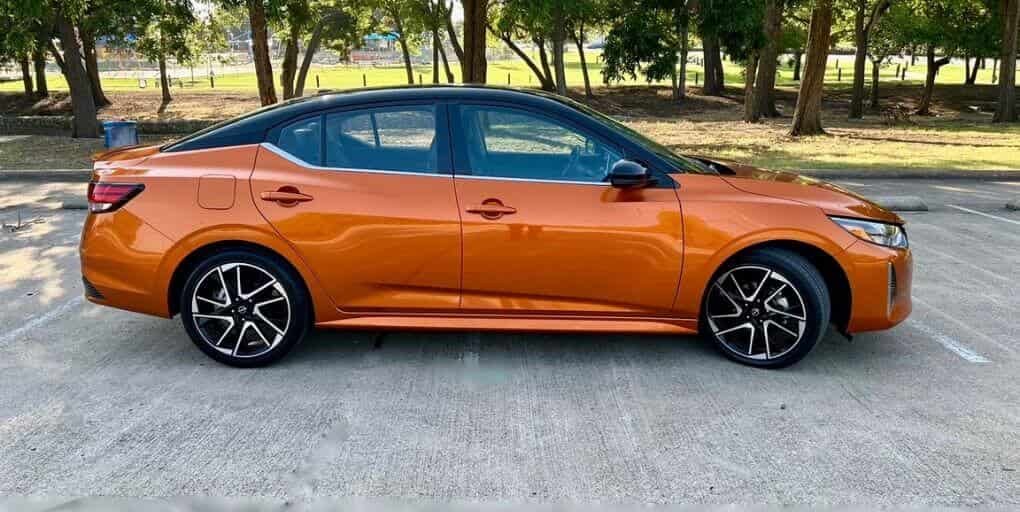
Expected Lifespan of a Nissan Sentra
Most Nissan Sentras reach a lifespan between one hundred fifty thousand and two hundred thousand miles when owners follow a consistent maintenance routine. Many drivers even pass the two hundred thousand mile mark with the original engine and transmission. These results depend on regular oil changes, gentle acceleration and the use of quality parts. When these habits stay consistent the Sentra becomes a surprisingly durable compact car.
The durability of the Sentra’s engine plays a major role. Nissan designed its four cylinder engines to handle daily commuting and long highway trips. These engines usually stay healthy when owners avoid overheating and keep fluids at proper levels. Older Sentra models often deliver strong performance because their engines use simple mechanical designs that resist long term wear. Newer models use more advanced technology but they still show good reliability when treated with care.
The lifespan of the Sentra also depends on differences between generations. Older generations may last longer because they have fewer complex components. Newer generations feel smoother and more comfortable but the added technology requires more attention from the owner. Many long term owners report that their cars feel solid even after many years on the road. They give credit to routine maintenance rather than expensive repairs.
Some Sentras reach very high mileage because the drivers follow slow and steady habits. Smooth acceleration, moderate braking and careful driving on rough roads all help reduce stress on the mechanical parts. When owners combine these habits with regular maintenance they often enjoy a longer lifespan than expected. These results explain why many Sentras continue to run well long after they pass the typical mileage range of a compact sedan.
Key Factors That Affect a Sentra’s Longevity
The lifespan of a Nissan Sentra depends on several important factors that influence how well the car performs over time. Maintenance is the most powerful factor because even a strong engine cannot survive neglect. Regular oil changes, clean filters and fresh transmission fluid help the car stay smooth and efficient. When owners follow the recommended schedule they prevent small issues from growing into expensive repairs.
Driving habits also shape the overall longevity of the Sentra. Gentle acceleration and steady braking reduce stress on the engine, suspension and transmission. Many owners who reach very high mileage drive in a slow and consistent style. They avoid aggressive driving because it creates heat and pressure inside the mechanical parts. A calm driving style protects the continuously variable transmission, which can wear out faster when drivers push the car too hard.
Climate plays a major role as well. Hot weather increases the risk of transmission overheating while cold weather thickens fluids and slows engine response. Cars that live in moderate climates often last longer because they avoid extreme temperature swings. Road conditions also matter because rough or damaged roads can harm suspension components and wheel bearings. Owners who live in these areas usually need more frequent inspections.
Fuel quality influences the health of the engine over time. Clean and high quality fuel helps maintain smooth combustion and reduces carbon buildup. Cheap or low quality fuel can create deposits in the valves and fuel injectors. When this buildup grows it forces the engine to work harder, and the added stress lowers the lifespan of the vehicle.
These factors show that the longest lasting Sentras belong to owners who combine proper maintenance, gentle driving and careful attention to conditions that affect long term reliability.
Best and Worst Sentras
The reliability of the Nissan Sentra changes from one model year to another. Some years earn strong reputations for durability while others raise concerns among buyers. These differences come from updates in design, transmission changes and build quality.
Many owners praise older Sentra models from the early two thousands. These cars use simple engines and traditional transmissions that handle long mileage with fewer issues. Their mechanical parts often stay healthy when drivers follow a regular maintenance routine. These older models may lack modern features but they deliver steady performance over many years.
Newer generations from the mid two thousand tens show a mixed record. Some models offer smooth rides and improved fuel efficiency but the continuously variable transmission creates challenges. Many drivers report that the CVT feels sensitive to heat and aggressive driving. When owners treat it gently the transmission performs well. When they push it too hard the risk of trouble increases.
Recent Sentra models introduced in the late two thousand tens and early two thousand twenties display better engineering. Nissan improved the structure of the CVT and added stronger cooling systems. These upgrades help newer cars avoid the issues that affected previous generations. Drivers notice smoother performance, better handling and more consistent reliability.
Shoppers looking for a used Sentra should research the specific year they want. Some years have more transmission complaints while others earn high reliability ratings. Buyers often get the best results when they choose a model year with updated components and a well documented maintenance history. A careful review helps them avoid costly repairs and enjoy a longer lasting Sentra.
Common Problems That Limit the Nissan Sentra’s Lifespan
Several common problems can reduce the lifespan of a Nissan Sentra when owners overlook early warning signs. The first issue many drivers mention involves the continuously variable transmission. The CVT can struggle under heavy heat and fast acceleration. When drivers push the car too hard the transmission fluid warms up quickly and creates pressure inside the system. This pressure leads to rough shifting and long term wear. Owners who ignore these signs often face costly repairs.
Suspension wear also affects many Sentra models. Rough roads and frequent potholes place stress on shocks, struts and control arms. When these parts weaken the car loses stability and creates extra strain on other components. Drivers sometimes dismiss small noises or vibrations but these small warnings usually point to larger problems. Early repairs help the car stay smooth and safe for many more miles.
Electrical issues appear in some Sentra generations. Problems with sensors, connectors or onboard modules can cause warning lights or poor engine response. These issues rarely destroy the car but they reduce reliability and can lead to unexpected stalling. Many drivers fix these problems quickly because they want consistent performance and a calmer driving experience.
Engine mount wear also affects the long term health of the vehicle. Worn mounts allow the engine to shake more than normal. This movement increases stress on hoses, belts and exhaust components. When drivers repair the mounts early they protect the entire engine compartment from further damage.
These problems do not affect every Sentra but they appear often enough to impact lifespan. Owners who watch for early signs and take action quickly usually avoid expensive repairs and keep their Sentra running for many more years.
Maintenance Costs Over Ten Years
The long term cost of owning a Nissan Sentra depends on how well the owner maintains the car. Most Sentras stay affordable because they use simple engines and widely available parts. Annual maintenance often includes oil changes, filter replacements and brake inspections. These basic services keep the car healthy and usually cost far less than the repairs seen in larger vehicles. When owners stay consistent with these small expenses they avoid major costs later.
Over a ten year period most Sentra owners spend a moderate amount on routine care. The main concern comes from the continuously variable transmission. A CVT fluid change costs more than a traditional transmission service but it protects the system from overheating. Many owners skip this step and face high repair bills later. When the CVT receives clean fluid at the correct intervals it performs better and lasts longer.
Unexpected repairs also appear during long term ownership. Suspension parts may need replacement after years of rough roads. Engine mounts may wear out because of constant engine movement. Sensors and small electrical parts may fail with age. These repairs usually cost less when owners handle them early. When drivers wait too long the damaged parts place extra stress on other components and increase the final repair cost.
The most expensive repair for a Sentra often involves a full CVT replacement. This repair can cost several thousand dollars and surprises many used car buyers. A well documented service history lowers this risk. Buyers should look for records that show consistent maintenance because these records often signal a healthier car.
When owners spread these costs across ten years the Sentra remains an affordable compact car. Proper care reduces long term expenses and supports a longer lifespan.
How To Make a Nissan Sentra Last Longer
A Nissan Sentra can last far longer than expected when the owner follows a clear and consistent care routine. The first step is regular maintenance. Oil changes, clean air filters and proper fluid levels keep the engine running smoothly. When drivers ignore these simple tasks the engine works harder and wears out faster. A steady maintenance schedule supports long term health and reduces the chance of major repairs.
Driving habits also influence how long the Sentra stays reliable. Smooth acceleration protects the engine and transmission. Gentle braking lowers heat inside the braking system and reduces stress on suspension parts. Many high mileage owners report that a calm driving style helped them reach impressive mileage without major failures. They avoid fast starts, heavy loads and harsh roads whenever possible.
The continuously variable transmission needs extra attention. The CVT responds well to light throttle and steady speeds. Long drives on steep hills or frequent stop and go traffic create heat inside the system. Drivers can ease this stress by allowing the car to cool after long trips and by changing the CVT fluid at the correct interval. These steps protect the internal components and extend the lifespan of the transmission.
Regular inspections also help the Sentra last longer. Checking belts, hoses and engine mounts prevents hidden failures. Inspecting the suspension and steering parts helps keep the car stable on rough roads. When owners catch problems early they usually avoid expensive repairs and keep the car in good condition.
These habits support a long and healthy life for the Nissan Sentra. Owners who follow them often enjoy dependable performance long after the car passes the mileage range of most compact sedans.
Should You Buy a High Mileage Sentra?
Buying a high mileage Nissan Sentra can be a smart decision when the car shows a clean maintenance record and steady care from previous owners. Many Sentras reach high mileage without major issues because the engine design remains simple and dependable. A high number on the odometer does not always signal trouble. The real condition of the car depends on how well the owner maintained it.
Mileage alone does not predict the future lifespan. A Sentra with one hundred eighty thousand miles and a full service history may be healthier than a Sentra with eighty thousand miles and poor maintenance. Buyers should focus on evidence of regular oil changes, fresh fluids and timely repairs. A well documented history usually shows that the owner treated the car properly.
A test drive reveals many important details. Smooth acceleration, clean shifting and quiet suspension movement show that the car stayed in good shape. Harsh vibrations, delayed responses or strange noises often signal deeper issues. Buyers should listen for whining sounds from the continuously variable transmission because this noise suggests internal wear.
A professional inspection adds another layer of confidence. A mechanic can check engine mounts, suspension parts, electrical components and the condition of the CVT fluid. These checks help buyers avoid expensive surprises. Many high mileage Sentras still have strong engines, but the CVT needs careful attention. When the transmission feels solid and cools properly the car often continues to run well for many more years.
A high mileage Sentra can be a good value when buyers choose carefully. Strong maintenance records, smooth road performance and a clean inspection offer the best signs of a reliable purchase. With these factors in place the Sentra can deliver dependable service at an affordable price.
Conclusion
The lifespan of a Nissan Sentra depends on care, driving style and attention to early warning signs. Many Sentras reach more than two hundred thousand miles because their engines stay strong when owners follow regular maintenance routines. The transmission needs careful handling, but it performs well when drivers use smooth acceleration and change the fluid at the right intervals. These habits protect the internal components and help the car last far longer than most compact sedans.
The question How Long Do Nissan Sentras Last matters to many buyers who worry about repair costs and long term reliability. The answer becomes clearer when we look at the full picture. A well maintained Sentra can deliver steady performance year after year. Even high mileage models remain dependable when the previous owner kept records and handled repairs on time. Problems appear when maintenance stops or when drivers use harsh driving habits that create heat and pressure inside the transmission.
As you think about buying or keeping a Sentra, focus on the real condition of the car. Look for clean service records, listen for smooth road behavior and check the health of the transmission. These steps remove uncertainty and reveal the true value of the vehicle. What has your experience been with the Nissan Sentra. Do you believe it can reach high mileage with the right care.