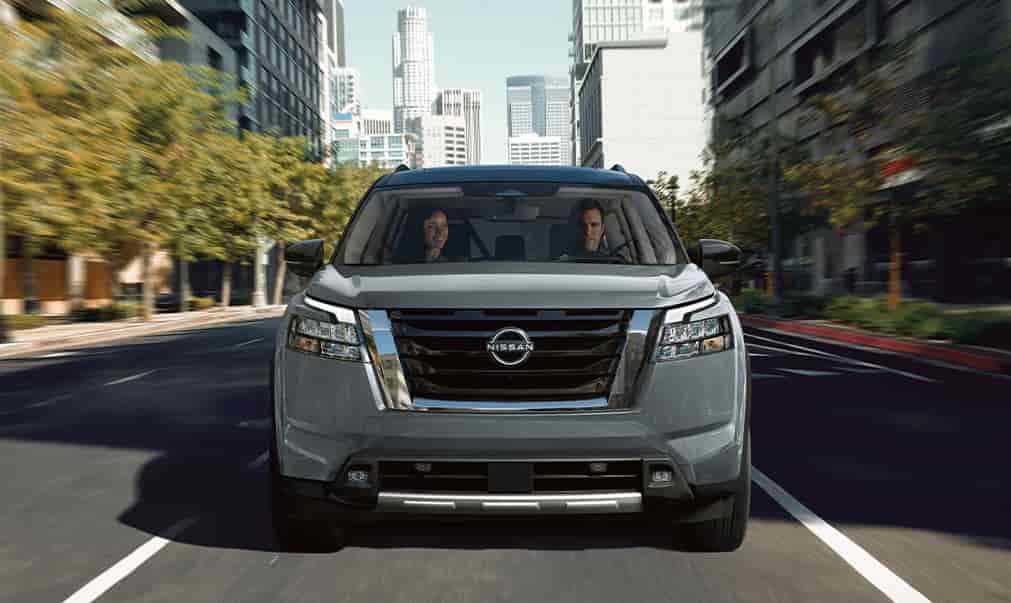
The answer to the question how many cylinders is a Nissan Pathfinder is straightforward for most drivers. The Nissan Pathfinder uses a six cylinder engine in nearly all modern versions. Nissan chose this configuration to deliver stable performance and reliable power for everyday driving.
In current models, the Pathfinder features a 3.5 liter V6 engine. This engine produces about 284 horsepower and 259 pound feet of torque. As a result, the SUV handles highway speeds, steep roads, and towing tasks with confidence. Because Nissan uses a naturally aspirated design, the engine remains simple and dependable over time.
In addition, earlier generations followed the same approach. From the early 2000s until 2020, Nissan continued to install V6 engines in the Pathfinder. Engine sizes ranged from 3.5 liters to 4.0 liters, depending on the year. Therefore, drivers could expect consistent power and durability across multiple generations.
However, some buyers feel confused when researching older or imported models. In certain international markets, Nissan offered four cylinder diesel engines. These engines focused on fuel efficiency and emissions compliance. For example, European versions sometimes differed from US specifications. Even so, these models rarely appear in North America.
In conclusion, when buyers ask how many cylinders a Nissan Pathfinder has, the correct answer is six cylinders for almost all US market vehicles. This engine choice explains why the Pathfinder delivers strong performance without sacrificing long term reliability.
Full Engine Specifications of the Nissan Pathfinder
To fully understand how many cylinders a Nissan Pathfinder has, it is important to look deeper into the engine specifications. Modern Nissan Pathfinder models use a 3.5 liter V6 gasoline engine paired with an advanced automatic transmission. This setup focuses on delivering smooth power while maintaining long term durability.
The V6 engine produces around 284 horsepower and 259 pound feet of torque. Because of this output, the Pathfinder responds quickly during acceleration and maintains stability at highway speeds. In addition, the engine provides enough low end torque for towing and climbing, which many families and outdoor enthusiasts value.
Fuel delivery relies on direct injection, which improves throttle response and fuel efficiency. As a result, drivers experience balanced performance without excessive fuel consumption for a midsize SUV. The engine also uses a timing chain instead of a timing belt. Therefore, maintenance costs remain lower over long ownership periods.
Cooling and airflow systems play an important role as well. Nissan designed the Pathfinder engine bay to manage heat efficiently under load. For example, towing or carrying heavy passengers does not cause rapid performance drop. This design choice supports consistent driving behavior in different conditions.
When properly equipped, the Nissan Pathfinder can tow up to 6,000 pounds. This capability directly connects to the six cylinder layout, since four cylinder engines often struggle under similar loads. Consequently, the Pathfinder stands out among midsize SUVs that prioritize strength over minimal engine size.
Overall, these engine specifications explain why Nissan continues to rely on a V6 configuration. The balance of power, efficiency, and reliability remains a key reason buyers choose the Pathfinder.
How Engine Cylinders Affect Performance and Daily Driving
The number of cylinders plays a major role in how a vehicle performs each day. In the case of the Nissan Pathfinder, the six cylinder engine delivers a clear advantage in power delivery and driving comfort. This configuration allows the engine to produce smoother acceleration compared to smaller four cylinder options.
Because the Pathfinder uses a V6 engine, power builds more evenly across the rev range. As a result, drivers feel less vibration when accelerating or maintaining speed. This matters during long highway trips, where comfort and engine stability become important.
In addition, six cylinders support stronger low end torque. This helps the Pathfinder move confidently from a stop, even when fully loaded with passengers or cargo. Therefore, city driving feels less strained, and the engine does not need to work as hard under normal conditions.
Fuel economy often raises concerns among buyers. While four cylinder engines may offer slightly better fuel efficiency, the Pathfinder V6 balances consumption with performance. In real world driving, drivers benefit from steady power without constant high engine stress. Consequently, fuel usage remains predictable and consistent.
Another important factor involves noise and refinement. A six cylinder engine typically runs quieter than smaller engines pushed to their limits. As a result, cabin noise stays lower, which improves overall driving experience for families.
In daily use, the six cylinder setup also supports better towing control. When pulling trailers or carrying heavy loads, the engine responds more smoothly. This reduces driver fatigue and increases confidence behind the wheel.
Overall, the cylinder count directly influences how the Nissan Pathfinder feels on the road. The V6 engine provides a balanced mix of strength, comfort, and reliability that suits a midsize SUV.
Six Cylinder Pathfinder vs Four Cylinder SUVs
Many buyers compare the Nissan Pathfinder with SUVs that use four cylinder engines. This comparison helps clarify why cylinder count matters in real world driving. While four cylinder SUVs focus on fuel savings, the Pathfinder emphasizes balanced performance and durability.
A six cylinder engine delivers smoother power delivery than most four cylinder engines. Because each cylinder carries less load, the engine operates with less strain during acceleration. As a result, the Pathfinder feels more stable when merging onto highways or climbing hills.
In contrast, four cylinder SUVs often rely on turbocharging to increase output. Although this approach improves efficiency, it can introduce lag and additional mechanical complexity. Therefore, long term ownership may involve higher maintenance concerns for some drivers.
Towing capability highlights another major difference. The Pathfinder supports towing capacities that many four cylinder SUVs cannot match. When pulling a trailer, the V6 engine maintains steady power without excessive downshifting. Consequently, driving remains predictable and controlled.
Interior comfort also benefits from the six cylinder design. Because the engine does not need to work at high revolutions as often, noise levels stay lower. This improves cabin quietness, especially during extended trips.
However, fuel economy still matters to many buyers. Four cylinder SUVs usually consume less fuel in light driving conditions. Even so, drivers who carry passengers or cargo regularly may find the Pathfinder more efficient in practice. The engine avoids constant high stress operation, which helps maintain consistent fuel usage.
In summary, the six cylinder Nissan Pathfinder suits buyers who value strength, smoothness, and long term reliability. Four cylinder SUVs work well for light duty use, but they may not match the Pathfinder in demanding situations.
Conclusion
Understanding how many cylinders is a Nissan Pathfinder helps buyers make a confident and informed decision. Across most model years, especially in the US market, the Nissan Pathfinder uses a six cylinder engine. This engine choice reflects Nissan’s focus on strength, smooth performance, and long term reliability.
The V6 configuration delivers balanced power for daily driving, family travel, and towing needs. As explained throughout this article, six cylinders provide smoother acceleration, better load handling, and quieter operation compared to many four cylinder alternatives. Therefore, the Pathfinder fits drivers who want dependable performance without stepping into a full size SUV.
Engine specifications also show why the Pathfinder remains competitive in the midsize SUV segment. With strong horsepower, solid torque, and proven durability, the vehicle handles real world demands with ease. In addition, the naturally aspirated design reduces mechanical complexity, which can lower ownership concerns over time.
While four cylinder SUVs may appeal to buyers who prioritize light duty fuel efficiency, the Pathfinder offers a more versatile solution. It supports heavier loads, long distance comfort, and consistent driving behavior in various conditions.
In conclusion, if you are asking how many cylinders a Nissan Pathfinder has, the answer is clear. The six cylinder engine stands as one of the Pathfinder’s strongest advantages, making it a reliable choice for drivers who value performance, comfort, and peace of mind.