If your Nissan Altima suddenly shows a “Loose Fuel Cap” warning on the dashboard, it can be confusing and a little worrying. Many drivers see this message and think there might be something wrong with the engine, but in most cases the problem is much simpler. The message appears when your car’s fuel system is not sealed tightly, allowing fuel vapors to escape. This small issue can trigger the check engine light and make you wonder if it is safe to keep driving.
The truth is that a loose fuel cap is one of the easiest problems to fix on a Nissan Altima. It usually happens after refueling when the cap is not tightened until it clicks. Sometimes, the rubber seal on the cap may be worn out or damaged, preventing a proper seal. The good news is that you can diagnose and fix it yourself in just a few minutes without visiting a mechanic. In this article, you will learn what the “Loose Fuel Cap” message really means, the common reasons it appears, and simple ways to clear the warning light and prevent it from coming back.
What Does “Loose Fuel Cap” Mean on a Nissan Altima?
When you see a “Loose Fuel Cap” message on your Nissan Altima, it means that your car’s fuel system is not sealed as it should be. This system, called the EVAP or Evaporative Emission Control System, is designed to prevent fuel vapors from leaking into the air. These vapors are collected and reused to help reduce emissions and improve overall fuel efficiency. If the cap is not properly closed or is damaged, the sensors in the system detect a small vapor leak and trigger the warning on your dashboard.
The message does not necessarily mean that something serious is wrong with your car. In many cases, it is simply caused by forgetting to tighten the fuel cap completely after refueling. However, when the warning appears, it is important to take it seriously. A loose or cracked cap can cause the check engine light to come on and may slightly affect your car’s performance. It can also lead to increased emissions and fuel loss over time.
Understanding what this message means helps you act quickly and avoid unnecessary repairs. In the next section, you will learn about the most common causes of a loose fuel cap warning and how to check them step by step before visiting a service center.
Common Causes of the Loose Fuel Cap Warning
A “Loose Fuel Cap” warning in a Nissan Altima can appear for several simple reasons, most of which are easy to identify and fix. The most common cause is that the cap was not tightened completely after refueling. The cap must be turned until you hear a clicking sound that confirms it is sealed correctly. If this step is missed, the car’s sensors detect escaping fuel vapors and trigger the warning.
Another reason is a worn or cracked rubber seal around the cap. Over time, exposure to heat and fuel vapors can damage the seal, preventing it from closing tightly. When this happens, the EVAP system detects a vapor leak and assumes the cap is loose. Sometimes, the problem comes from using an aftermarket or non-OEM gas cap that does not fit the filler neck properly. Even a small gap can cause the same warning to appear.
In some cases, the issue is not with the cap itself but with the sensor in the EVAP system that monitors pressure and vapor flow. If the sensor malfunctions, it may send a false alert to the dashboard. Although rare, this type of problem should be checked by a technician.
Knowing these causes helps you identify the source of the warning quickly and take the right steps before it turns into a bigger issue.
How to Fix a Loose Fuel Cap on a Nissan Altima
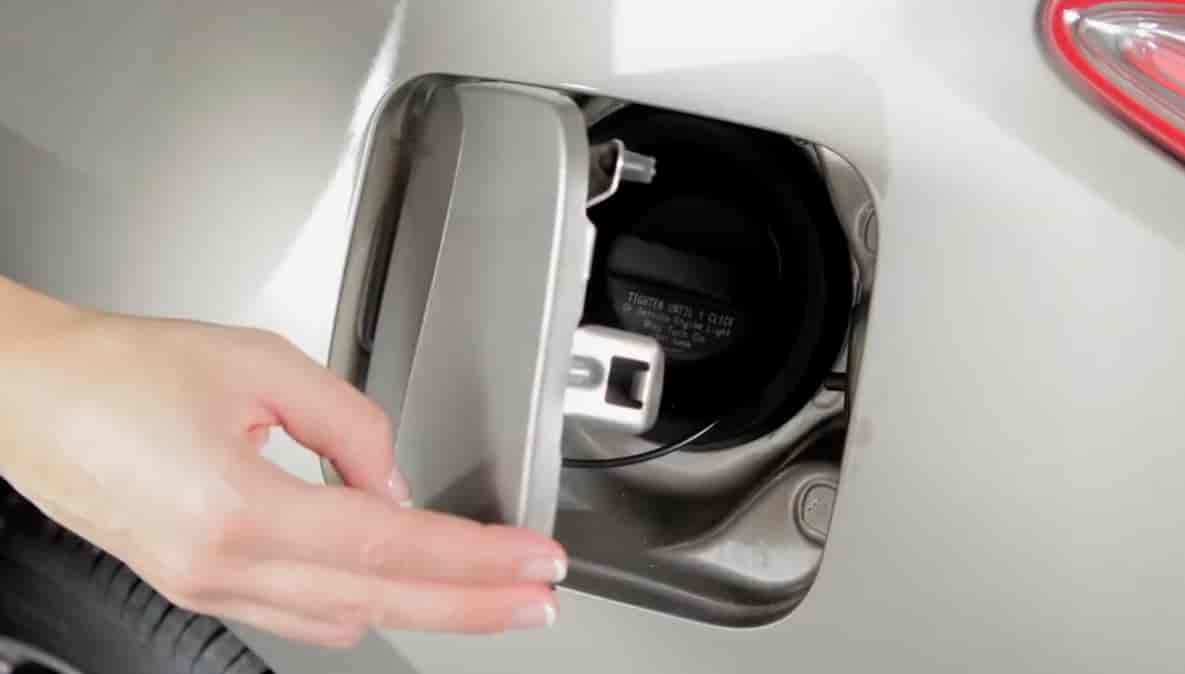
Fixing a loose fuel cap on a Nissan Altima is one of the simplest maintenance tasks you can do yourself. Start by turning off the ignition and carefully opening the fuel door. Remove the gas cap and inspect it closely for any dirt, cracks, or signs of wear. Wipe the inside of the cap and the filler neck with a clean cloth to remove dust or debris that might prevent a proper seal. Once everything is clean, reinstall the cap and turn it until you hear at least three clicks. This sound confirms that the cap is locked securely and the system is sealed.
If the warning light does not disappear right away, do not panic. It can take a few driving cycles for the car’s computer to recognize that the problem has been fixed. In some cases, you may need to drive for about 50 to 100 miles before the light resets automatically. If the message remains after that, try disconnecting the car battery for a few minutes to reset the system or use an OBD-II scanner to clear the code manually.
If none of these methods work, the cap itself might be damaged. Replacing it with an OEM fuel cap designed specifically for the Nissan Altima usually solves the issue permanently and helps maintain the integrity of the EVAP system.
How to Reset the Loose Fuel Cap Warning Light
After tightening or replacing the fuel cap on your Nissan Altima, the next step is to reset the warning light. The system usually clears itself automatically once it detects that the leak has been sealed. To help the reset process, start the engine and make sure the gas cap is properly tightened. Then, drive the car under normal conditions for a few short trips. The onboard computer performs several checks during these trips to confirm that the fuel system is sealed and functioning correctly. If everything is fine, the warning light should disappear after a few drive cycles.
If the light stays on, you can manually reset it using an OBD-II scanner. Plug the device into the port located under the dashboard and read the diagnostic codes. You may see codes such as P0455 or P0457, which indicate a leak or a loose fuel cap. Clear the codes, then restart your car to see if the light goes off.
Another simple method is to disconnect the battery for about ten minutes, then reconnect it. This action forces the car’s ECU to reset. However, this method should be used carefully since it can also reset other saved settings in your vehicle. If the warning light keeps coming back even after several resets, it might mean there is a deeper issue in the EVAP system that requires inspection by a certified mechanic.
When to Replace the Fuel Cap
Sometimes the simplest fix for a loose fuel cap warning on a Nissan Altima is to replace the cap entirely. Over time, heat, pressure, and exposure to fuel vapors can weaken the cap or damage the rubber gasket that seals the fuel tank. If you notice cracks, wear, or the cap no longer clicks when tightened, it is likely time for a new one. A damaged fuel cap can cause recurring warning lights, small fuel vapor leaks, and even lower fuel efficiency because the system cannot maintain proper pressure.
When choosing a replacement, it is best to use an original OEM Nissan fuel cap. These caps are designed to fit perfectly with your Altima’s filler neck and work seamlessly with the EVAP system sensors. Aftermarket caps may look similar but often fail to create a tight seal, leading to the same warning returning soon after installation. A genuine cap ensures accurate pressure readings, better emission control, and long-term reliability.
Replacing the fuel cap is quick and inexpensive. Most OEM caps can be installed in less than a minute and cost only a small fraction of what a repair shop might charge to diagnose the same issue. By keeping the cap in good condition, you help your Altima run more efficiently and avoid unnecessary trips to the mechanic caused by false warning alerts.
Preventing the Loose Fuel Cap Warning in the Future
Preventing a loose fuel cap warning on your Nissan Altima is simple once you understand how the system works. The best way to avoid seeing this alert again is to make sure the fuel cap is always tightened properly after refueling. Turn the cap until you hear the clicking sound that confirms it is sealed. This small habit ensures the fuel system stays pressurized and prevents the sensors from detecting vapor leaks.
It also helps to check the cap regularly for dirt or debris. Wipe the inside of the filler neck with a clean cloth every few weeks, especially if you often refuel at outdoor stations where dust and moisture can build up. Keeping the area clean helps the rubber seal maintain a tight connection. If you notice that the seal is starting to dry out or crack, replace the cap before the problem triggers another warning.
Another good practice is to use only OEM Nissan fuel caps. Aftermarket versions may look identical but can fit loosely or wear out faster. A genuine part ensures accurate readings from the EVAP sensors and keeps your car compliant with emission standards. By following these simple steps, you can prevent the “Loose Fuel Cap” message from appearing again, protect your car’s fuel efficiency, and keep your Altima running smoothly for years to come.
Final Thoughts
The “Loose Fuel Cap” message on a Nissan Altima may seem minor, but understanding and fixing it quickly can save you time and money. This warning is often your car’s way of reminding you to check something simple that keeps the entire fuel system working efficiently. A secure cap helps maintain pressure, protects the EVAP system, and prevents fuel vapors from escaping into the air. Taking a few minutes to tighten, clean, or replace the fuel cap can also prevent the check engine light from turning on and help you pass future emissions tests without issues.
Many drivers overlook this small detail, but it plays a vital role in the overall performance of your car. By paying attention to early warning signs and following the easy steps in this guide, you can keep your Nissan Altima running smoothly and avoid unnecessary trips to the repair shop. The next time the “Loose Fuel Cap” message appears, you will know exactly what it means and how to handle it with confidence.