
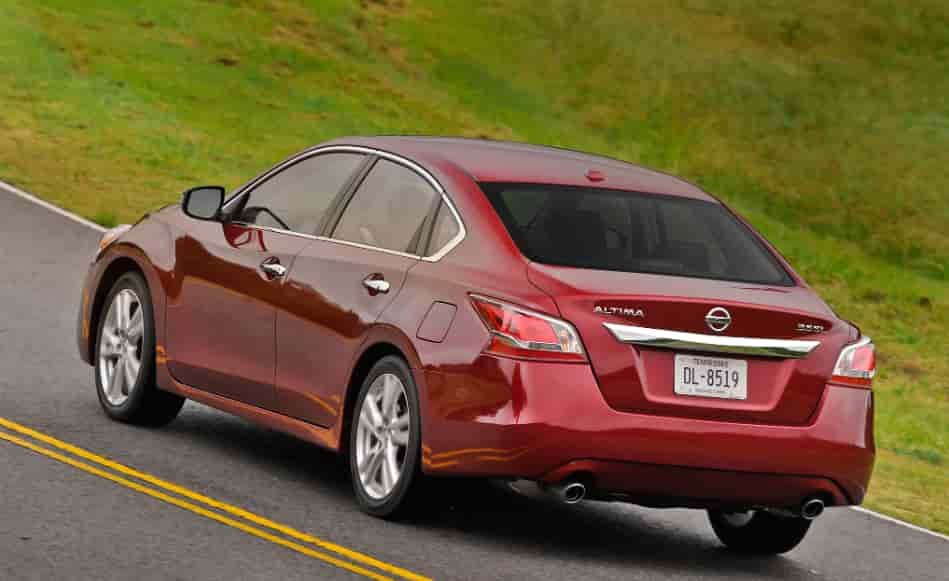
The Nissan Altima has long been one of the most popular midsize sedans in the used car market. Its comfortable ride, fuel efficiency, and affordable pricing make it appealing to budget conscious buyers looking for a reliable daily driver. However, not all Nissan Altima model years offer the same level of dependability. Some years are known for serious mechanical flaws, costly repairs, and long term reliability concerns that can quickly turn a good deal into a financial burden.
For many buyers, the biggest mistake is assuming that every Altima is equally safe to purchase. In reality, certain model years suffer from recurring transmission failures, engine related issues, and electrical problems that appear far more frequently than others. These issues often show up after the warranty expires, leaving owners responsible for expensive repairs that can exceed the value of the vehicle itself.
This guide focuses on the Nissan Altima years to avoid, based on well documented problem patterns, owner experiences, and long term reliability trends. You will learn which model years have the worst track records, what common problems to watch for, and why these issues matter when buying a used vehicle. More importantly, this article will help you make an informed decision so you can avoid high risk model years and choose a Nissan Altima that delivers better reliability, lower ownership costs, and peace of mind.
How We Identified the Nissan Altima Years to Avoid
This guide identifies the Nissan Altima years to avoid by analyzing long term reliability patterns rather than isolated opinions. The goal is to highlight model years that show repeated failures in key components and create higher ownership risk for used car buyers.
Transmission reliability plays the most important role in this evaluation. Many Nissan Altima models use a continuously variable transmission that has a long history of performance issues. Drivers frequently report slipping, hesitation, overheating, and sudden loss of power. These problems often appear before the vehicle reaches 100,000 miles, which is far earlier than expected for a midsize sedan.
Engine related concerns also factor into this analysis. Some model years show consistent signs of oil consumption, premature wear, and cooling system weakness. Over time, these issues raise maintenance costs and reduce overall engine lifespan. Electrical reliability adds another layer of risk, especially in newer models where software and sensor failures affect safety features and driver confidence.
Repair cost relative to vehicle value is another critical consideration. Certain Nissan Altima years may look affordable at first, but major repairs can quickly exceed the car’s market value. This creates a poor ownership experience and makes these models risky choices for budget focused buyers.
By combining failure frequency, problem severity, and repair cost, this guide identifies Nissan Altima model years that consistently perform worse and should be avoided when shopping for a used vehicle.
Nissan Altima Years to Avoid Quick Overview
Some Nissan Altima model years stand out for the wrong reasons. These years show higher failure rates, more owner complaints, and greater repair costs than others. Buyers should approach these models with caution, especially when shopping in the used car market.
The first group includes model years from 2002 to 2006. These vehicles suffer from aging mechanical components, weaker automatic transmissions, and declining build quality. As these cars get older, reliability drops and maintenance demands increase. For most buyers, the risk outweighs the low purchase price.
The most problematic group includes model years from 2013 to 2016. These years show the highest number of serious reliability complaints. Many owners report transmission related failures that appear at relatively low mileage. Repairs often cost thousands of dollars and can exceed the value of the vehicle. These years represent the highest ownership risk and are widely considered the worst in the Altima lineup.
The 2019 model year also deserves caution. As the first year of a redesigned generation, it introduced new systems and updated technology. Early production models show higher rates of software issues, electrical problems, and quality control concerns. While not as severe as earlier problem years, this model still carries more risk than later versions.
These year ranges consistently appear in reliability discussions because they combine frequent problems with high repair costs. Avoiding them can significantly reduce long term ownership stress and unexpected expenses.
2013 to 2016 Nissan Altima The Most Problematic Years
The 2013 to 2016 Nissan Altima stand out as the most problematic years in the Altima lineup. These models generate the highest number of serious owner complaints and long term reliability concerns. For buyers in the used car market, this generation presents the greatest financial risk.
The most common and costly issue during these years involves the continuously variable transmission. Many drivers experience delayed acceleration, shuddering at low speeds, and sudden loss of power while driving. These symptoms often appear between 60,000 and 100,000 miles, far earlier than expected for a midsize sedan. Once the transmission begins to fail, performance typically declines at a rapid pace.
Repairing the transmission in these models creates a major financial burden. Replacing or rebuilding the CVT often costs several thousand dollars. In many cases, the repair bill approaches or exceeds the market value of the vehicle. This leaves owners with difficult choices and limited resale options.
Heat related stress adds another layer of risk. The transmission in these Altima years struggles to manage sustained driving conditions, especially during highway use or warm weather. Excess heat accelerates internal wear and increases the likelihood of complete failure. Even owners who follow recommended maintenance schedules report similar problems, which suggests a design level weakness rather than poor care.
Because of these repeated failures and high repair costs, the 2013 to 2016 Nissan Altima years rank at the top of the avoid list. While these cars may appear affordable at first, the long term ownership risks often outweigh the initial savings.
2002 to 2006 Nissan Altima Aging and Mechanical Weaknesses
The 2002 to 2006 Nissan Altima belong to an older generation that shows clear signs of mechanical decline. While these vehicles may attract buyers with low prices, they often come with higher reliability risks due to age and outdated engineering.
One of the most common concerns involves the automatic transmission. Many owners report rough shifting, delayed gear engagement, and complete transmission failure as mileage increases. These issues become more frequent as the vehicle ages, even with proper maintenance. Repair options remain limited and can be expensive relative to the value of the car.
Engine related problems also affect these model years. Drivers frequently report oil consumption issues, gasket failures, and cooling system weaknesses. Over time, these problems reduce engine efficiency and increase the likelihood of breakdowns. As mileage climbs, small issues often develop into larger and more costly repairs.
Interior quality and electrical components present additional challenges. Many vehicles from this period suffer from worn materials, failing switches, and inconsistent electronic performance. These issues do not always prevent the car from running, but they reduce comfort and increase long term ownership frustration.
Because of their age, declining reliability, and rising maintenance demands, the 2002 to 2006 Nissan Altima years require careful consideration. For most buyers seeking dependable daily transportation, the risks often outweigh the initial savings.
2019 Nissan Altima First Year Redesign Risks
The 2019 Nissan Altima marks the first year of a full redesign. While this model introduced updated styling and new technology, it also came with higher than average reliability risks. First year models often reveal production flaws, and the 2019 Altima follows this pattern.
Many reported issues center on electronic systems and software reliability. Owners describe warning lights that appear without clear cause, inconsistent behavior from driver assistance features, and infotainment system malfunctions. These problems do not always disable the vehicle, but they reduce confidence and create frustration during daily use.
Some drivers also report quality control concerns related to early production. These include sensor calibration problems, interior fit issues, and electrical faults that require repeated dealer visits. While these issues may seem minor on their own, they add up over time and increase ownership stress.
Transmission performance remains a concern for cautious buyers. Although Nissan made improvements compared to earlier years, some drivers still report hesitation and inconsistent response. For a vehicle marketed as modern and refined, these issues stand out.
The 2019 Nissan Altima is not the worst model year on record, but it carries more risk than later versions. Buyers who value long term reliability often choose to avoid first year redesigns and look for newer models with proven track records instead.
Common Nissan Altima Problems Across Bad Model Years
Several problems appear repeatedly across the worst Nissan Altima model years. These issues share common traits such as early failure, high repair costs, and long term reliability impact. Understanding these patterns helps buyers recognize high risk vehicles before making a purchase.
Transmission related failures remain the most serious concern. Many affected models experience hesitation during acceleration, shuddering at low speeds, and unpredictable power delivery. These symptoms often worsen over time and lead to complete transmission failure. Repair costs often reach several thousand dollars, making these issues especially damaging for used car buyers.
Electrical system problems also affect many problematic years. Drivers report malfunctioning sensors, warning lights that activate without cause, and unstable infotainment systems. These faults can interfere with safety features and reduce driving confidence, even when the vehicle appears mechanically sound.
Engine performance issues appear in certain model years as well. Excessive oil consumption, cooling system weakness, and premature component wear reduce long term durability. Over time, these problems increase maintenance costs and raise the risk of sudden breakdowns.
Suspension and steering wear add to ownership frustration. Many owners notice clunking noises, uneven tire wear, and loose steering feel earlier than expected. These issues affect ride quality and handling, especially on higher mileage vehicles.
These recurring problems explain why certain Nissan Altima years receive consistently poor reliability ratings. Buyers who understand these patterns can avoid costly mistakes and focus on model years with stronger long term performance.
Buyer Warnings Before Purchasing a Used Nissan Altima
Buying a used Nissan Altima requires careful inspection and realistic expectations. Some model years carry hidden risks that may not appear during a short test drive. Knowing what to check can help buyers avoid costly mistakes.
Start by reviewing the vehicle’s service history. A well documented maintenance record shows whether the previous owner addressed known issues early. Missing or incomplete records often signal neglected care, especially for transmission related maintenance.
During the test drive, pay close attention to how the car accelerates and shifts. Hesitation, vibration, or delayed response often indicate developing transmission problems. Any unusual noise or sudden loss of power should raise immediate concern.
A professional inspection can reveal problems that buyers may overlook. Mechanics can identify early signs of transmission wear, engine leaks, and electrical faults. This step adds upfront cost, but it often prevents much larger expenses later.
Buyers should also research recalls and service campaigns tied to the specific model year. Some issues receive manufacturer support, while others do not. Knowing which repairs remain covered can affect the overall value of the purchase.
Finally, consider the total cost of ownership rather than the purchase price alone. A low priced Nissan Altima may seem attractive, but frequent repairs and high maintenance costs can quickly erase any savings. Choosing a more reliable year often delivers better long term value and fewer surprises.
Nissan Altima Years to Consider Instead
Not every Nissan Altima model year comes with high reliability risk. Some years show clear improvements in build quality, transmission performance, and overall durability. Buyers who prefer this sedan can reduce long term ownership issues by focusing on these safer options.
The 2017 and 2018 model years mark a noticeable improvement. Nissan addressed several transmission related weaknesses and improved overall vehicle refinement. Owners report fewer serious complaints, better driving consistency, and lower repair frequency compared to earlier years. These models often provide a balance between affordability and dependability in the used car market.
Models from 2020 and newer also show stronger reliability trends. Nissan introduced further refinements to technology, safety systems, and powertrain performance. While no vehicle remains free from problems, these newer Altima years display fewer recurring issues and better long term value.
Buyers should still inspect each vehicle carefully, regardless of the model year. Maintenance history, mileage, and driving conditions all affect reliability. However, choosing a Nissan Altima from these improved years significantly lowers the risk of major repairs and unexpected ownership costs.
For drivers who want the comfort and efficiency of an Altima without the high failure rates seen in earlier years, these model ranges offer safer and more practical choices.
Final Verdict Is the Nissan Altima Worth Buying
The Nissan Altima can be a reasonable choice in the used car market, but only when buyers select the right model years. Certain years show clear patterns of failure that create high repair costs and long term ownership stress. Ignoring these risks often leads to expensive surprises after purchase.
The Nissan Altima years to avoid include 2002 to 2006, 2013 to 2016, and the 2019 model year. These vehicles share common problems such as transmission failure, electrical issues, and declining reliability over time. In many cases, repair costs exceed the value of the car, which makes them poor investments for budget focused buyers.
For shoppers who still want an Altima, safer alternatives exist. The 2017 and 2018 models offer improved reliability and fewer major complaints. Newer models from 2020 and beyond show even better long term performance and ownership value. Choosing these years reduces risk and increases confidence.
The key to a smart purchase lies in research and patience. Buyers should avoid high risk years, review maintenance records carefully, and invest in professional inspections. By focusing on reliability rather than price alone, it becomes easier to find a Nissan Altima that delivers comfort, efficiency, and peace of mind without unexpected repair costs.