
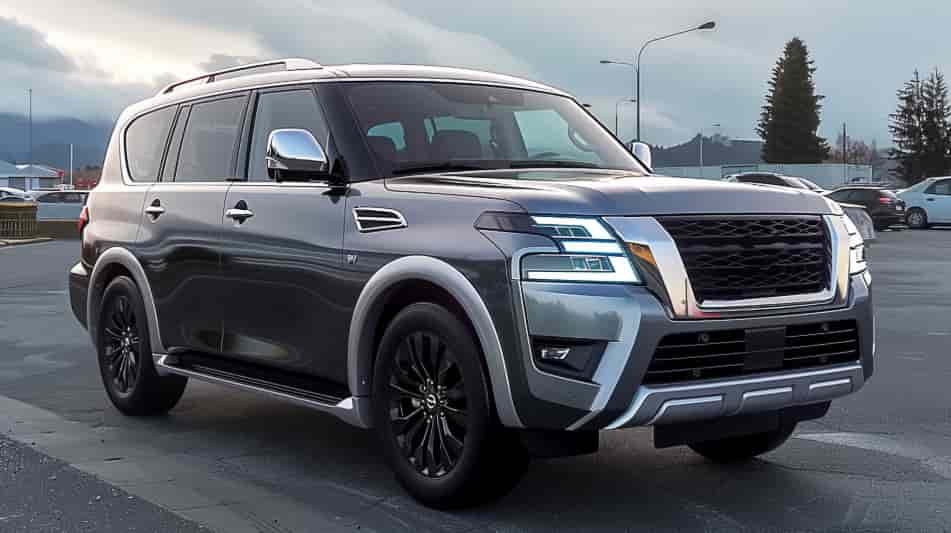
Not every Nissan Armada is the dependable full-size SUV many buyers hope for. Beneath its bold design and powerful V8 engine, some model years hide serious reliability problems that can drain your wallet and patience. From faulty brakes and unpredictable transmissions to costly electronic failures, a few versions of the Armada have earned a reputation for being more trouble than they are worth.
If you are shopping for a used Nissan Armada, understanding which model years to avoid can save you from expensive repairs and constant frustration. This complete breakdown gathers insights from real owner reports, reliability data, and expert reviews to uncover the worst years in Armada’s history and explain what went wrong.
By the end of this guide, you will know which Nissan Armada models to stay away from and which ones are still reliable choices in 2026. Let’s look closer at why some Armadas failed to live up to Nissan’s promise of long-lasting performance.
Why Some Nissan Armada Years Are Unreliable
The Nissan Armada has always promised strength and comfort, but not every version has lived up to that reputation. The difference between reliable and problematic Armadas often comes down to how each generation was engineered. The first generation, built between 2004 and 2015, struggled with early design flaws that affected the engine, brakes, and electrical systems. The second generation, launched in 2017, offered more luxury and performance but introduced new problems with software and sensors.
Reliability issues in certain Armada years usually stem from weak components or design shortcuts. Some models suffered from transmission jerks and stalling engines, while others had recurring electrical failures that caused dashboard flickering or sensor errors. Many owners also reported suspension wear and steering vibration after only a few years of use.
According to data from Consumer Reports and NHTSA, repair costs for the worst model years can be twice as high as average. These flaws not only hurt performance but also affect resale value and long-term maintenance. Understanding the roots of these problems makes it easier to recognize which Armada years are best avoided and why they continue to frustrate owners even today.
The Worst Nissan Armada Years to Avoid
While the Nissan Armada remains a strong and comfortable SUV, several model years have shown serious reliability concerns. If you are searching for a used Armada, avoiding these versions can help you save thousands of dollars in repairs and prevent years of frustration.
2004 Nissan Armada
The first model year of the Armada faced multiple issues from the start. Many owners reported failing brakes, weak suspension components, and electrical malfunctions that caused warning lights to stay on. Poor build quality and frequent recalls made the 2004 Armada one of the least reliable large SUVs of its time. The average annual repair cost was significantly above the segment average, making it a risky buy today.
2005 Nissan Armada
Although Nissan fixed some problems from the first release, the 2005 version still carried several reliability flaws. Transmission slipping and loud differential noises were common complaints, especially after 70,000 miles. Owners also mentioned premature wear on suspension parts, leading to uneven tire wear and steering issues. Overall, it is considered one of the years best avoided for long-term ownership.
2008 Nissan Armada
By 2008, electrical reliability became the main concern. Faulty fuel sensors and inaccurate fuel gauge readings left many drivers stranded without warning. Other issues included failing air conditioning systems and weak battery life due to wiring defects. Despite a smoother ride, the maintenance costs for this year often outweighed the benefits.
2017 Nissan Armada
The second-generation Armada arrived with a luxurious redesign but also a new set of problems. Engine stalling, software glitches, and faulty sensors were frequently reported by early buyers. Infotainment screens would freeze or shut down unexpectedly, while automatic braking systems sometimes malfunctioned. For an SUV marketed as modern and reliable, these issues came as a disappointment.
2018 Nissan Armada
While slightly more refined, the 2018 model still struggled with airbag sensor faults and electronic instability. Many vehicles faced recalls related to airbag control units and radar systems. In addition, infotainment failures persisted, affecting navigation and Bluetooth connectivity. Considering its high price and unreliable performance, the 2018 Armada remains one of the least recommended years to purchase used.
Together, these model years highlight the importance of understanding the Armada’s evolving design. Some problems were fixed over time, but others reveal deeper weaknesses that continued across generations. Knowing these details gives buyers a major advantage when evaluating used vehicles.
Common Hidden Problems Across Armada Generations
Even when certain model years stand out as unreliable, some problems are shared across multiple generations of the Nissan Armada. Understanding these hidden issues can help you spot warning signs early and make better buying decisions.
One of the most common complaints involves the electrical system. Owners frequently report malfunctioning sensors, door lock failures, and dashboard flickering caused by loose wiring or poor grounding. These electrical faults often lead to unpredictable behavior, from random warning lights to nonresponsive controls.
Transmission problems are another major concern. Many drivers have experienced rough shifting, jerks during acceleration, or delayed gear engagement. These symptoms are usually linked to worn torque converters or transmission fluid leaks. Left untreated, they can cause expensive repairs and reduced performance.
The suspension system is also a weak point, particularly in older Armadas. Drivers often mention rattling noises and vibration in the steering wheel, which become more noticeable on uneven roads. In humid climates, rust and corrosion around the frame or undercarriage are common, further reducing structural strength.
Finally, poor fuel economy remains a consistent complaint across both generations. The Armada’s large V8 engine provides power but consumes fuel heavily, especially when paired with a heavy towing load. When combined with other maintenance costs, this makes some used Armadas surprisingly expensive to own in the long run.
The Most Reliable Nissan Armada Years (Safe Picks)
While several Armada models earned a poor reputation for reliability, some versions proved that Nissan could build a strong and dependable SUV. These model years stand out for their improved engineering, reduced recall counts, and lower long-term maintenance costs.
The 2013 Nissan Armada is widely recognized as one of the most dependable first-generation models. It benefits from upgraded engine components and better transmission tuning compared to earlier versions. Owners report fewer brake and electrical issues, making it a solid choice for buyers looking for an affordable, capable full-size SUV.
Another strong option is the 2015 Nissan Armada, which received minor design refinements and higher reliability ratings. Its smooth drivetrain and comfortable interior make it a well-balanced vehicle for both families and towing needs.
From the second generation, the 2020 and 2021 Armadas are generally considered the most reliable. Nissan improved electronics stability, updated safety technology, and resolved many sensor-related glitches that plagued earlier models. These versions combine powerful performance with modern comfort and remain appealing for buyers seeking a durable used SUV.
Choosing one of these reliable years can help you enjoy the Armada’s strengths without facing the constant repairs that make some versions costly to own.
How to Check an Armada Before You Buy
Once you know which Nissan Armada years to avoid, the next step is making sure the vehicle you choose is truly in good condition. Even a reliable model year can develop serious problems if it has been neglected or poorly maintained.
Start by checking the vehicle identification number (VIN) using trusted databases like Carfax or AutoCheck. These reports reveal past accidents, title issues, and recall history, which are essential for judging the car’s overall reliability. Always look for a complete maintenance record that shows regular oil changes, brake inspections, and transmission services.
During a test drive, pay attention to how the transmission shifts and whether the steering feels stable. Any vibration, hesitation, or strange noise should be treated as a warning sign. Check that all electronics work properly, including air conditioning, infotainment, and sensors.
If possible, have the SUV inspected by a professional mechanic who is familiar with Nissan vehicles. They can identify hidden problems with suspension, rust, or undercarriage wear that are not visible during a casual inspection. Taking these precautions will help you avoid costly surprises and ensure you are getting a dependable Armada for years to come.
Conclusion
When it comes to buying a used full-size SUV, knowing the Nissan Armada years to avoid can make a major difference between a smart investment and an expensive mistake. Models like the 2004, 2005, 2008, 2017, and 2018 Armadas showed recurring reliability problems that often led to high repair costs and owner frustration.
By contrast, years such as 2013, 2015, 2020, and 2021 have proven to be far more dependable, offering a better balance of performance, comfort, and durability. The key is to combine this knowledge with careful research and a proper inspection before making any purchase decision.
Buying a used vehicle always carries some risk, but being informed gives you control. Check the vehicle history, verify recalls, and never hesitate to ask for a professional inspection. With the right preparation, you can enjoy the power and comfort of a Nissan Armada without falling into the common traps that catch so many buyers.
Which Armada model year do you trust the most? Share your experience or advice in the comments to help other drivers make smarter choices.