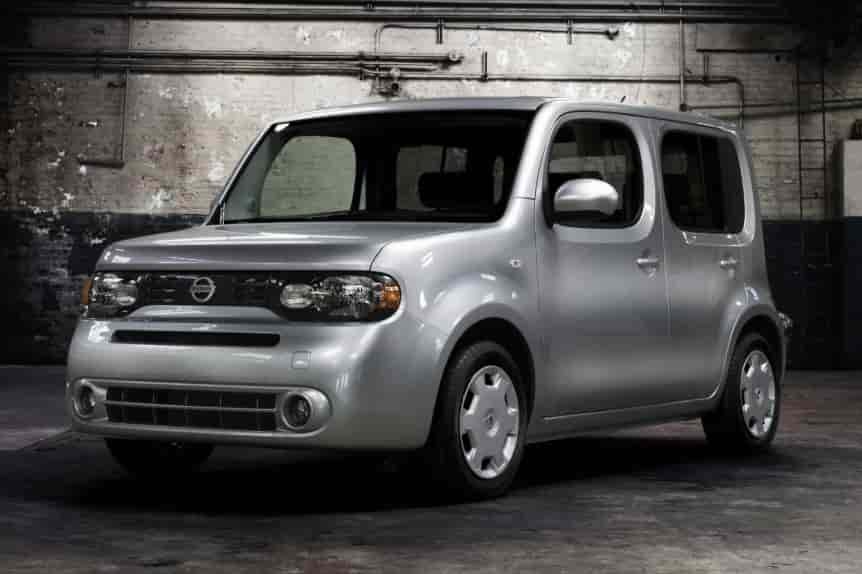
Buying a used Nissan Cube can look like a smart decision at first glance. Its unique design, compact size, and affordable price make it appealing to drivers who want something practical and different. However, many owners later discover that not every model year delivers the same level of reliability. In fact, choosing the wrong year can turn a budget friendly car into a costly mistake.
This is why understanding Nissan Cube years to avoid is far more important than simply finding the lowest price. Some model years are known for recurring mechanical problems, unexpected transmission failures, and repair costs that can quickly exceed the value of the car itself. These issues often do not appear during a short test drive, but show up months later when ownership becomes frustrating and expensive.
This guide breaks down the worst Nissan Cube model years based on common problems, long term ownership experiences, and known reliability patterns. You will learn which years are more likely to suffer from serious issues, why those problems happen, and how they impact real world driving and maintenance costs. More importantly, this article also explains which Nissan Cube years are safer to buy and what alternatives make more sense if reliability is your top priority.
If you are considering a used Nissan Cube, this information can help you avoid regret, protect your budget, and make a smarter buying decision.
Nissan Cube Model Years to Avoid
When buyers look for Nissan Cube years to avoid, they usually want to prevent costly repairs and long term frustration. Price alone does not tell the full story. Some model years appear affordable but hide reliability risks that surface after regular use.
The most problematic Nissan Cube model years are generally between 2009 and 2012. These early versions introduced the Cube to new markets, but several design choices caused long term issues. As mileage increases, these problems tend to appear more frequently and become harder to ignore.
Many owners report drivability concerns during everyday use. Acceleration can feel hesitant, especially at low speeds. Power delivery often becomes inconsistent over time. These symptoms rarely show up during a short test drive, which makes them easy to miss before purchase.
Electrical problems also affect these years more than others. Dashboard warning lights may turn on without clear reasons. Power accessories and sensors often fail earlier than expected. While these issues may not stop the car from running, they reduce reliability and driving comfort.
Overall, these Nissan Cube years carry a higher ownership risk. They may seem acceptable at first, but maintenance costs often rise faster than expected. Buyers who value reliability usually benefit from avoiding these model years and focusing on more stable alternatives.
Common Problems in the Worst Nissan Cube Years
Owners of the worst Nissan Cube years often face recurring mechanical and electrical problems. The most frequently reported issue involves the CVT transmission. Many drivers experience hesitation during acceleration, strange noises, and occasional slipping. These symptoms usually appear after 40,000 to 60,000 miles, and repairing or replacing the transmission can cost thousands of dollars. Understanding this risk helps buyers avoid unexpected expenses.
Another common problem affects the engine. Some models suffer from stalling or rough idling, especially in stop and go traffic. These issues often stem from fuel delivery or sensor malfunctions. While the car may run normally at first, long term reliability drops significantly in affected years. Timely maintenance can reduce risk, but it does not guarantee a problem free experience.
Electrical and interior systems also cause headaches for many owners. Dashboard lights may turn on without reason, and power windows or locks sometimes fail. These issues are usually minor, but their persistence can frustrate drivers and add repair costs over time. Some owners report recurring sensor failures, which can trigger costly diagnostic procedures.
Suspension and braking components also wear faster in certain years. Premature shocks, struts, and brake wear appear more frequently than in later models. These problems affect ride comfort, handling, and safety. Buyers should be aware that these issues can add to ownership costs even if the car seems mechanically sound at first glance.
In summary, the worst Nissan Cube years share a pattern of CVT, engine, electrical, and suspension problems. While some issues are manageable with proper maintenance, they often lead to higher repair costs and decreased reliability. Avoiding these model years reduces stress and improves long term ownership satisfaction.
CVT Transmission Problems by Year
The CVT transmission stands out as the most critical issue in certain Nissan Cube model years. Many drivers report slipping, hesitation, and unusual noises when accelerating. These problems typically appear between 40,000 and 80,000 miles. They reduce driving confidence and often require costly repairs. Some owners replace the transmission entirely, while others perform major overhauls that can cost more than the car’s value in older models.
The 2009 to 2012 model years show the highest frequency of CVT failures. Early engineering choices and lower quality components contributed to long term reliability problems. Mechanics frequently encounter worn belts, faulty sensors, and overheating issues. These symptoms rarely appear during a short test drive, which can mislead prospective buyers into thinking the car is fine.
Later model years, particularly after 2013, demonstrate fewer CVT issues. Nissan improved the design and reinforced critical components to prevent early wear. While minor problems can still occur, the risk of full transmission failure drops significantly. Buyers who prioritize reliability often choose these later years instead of older models.
Regular maintenance can reduce CVT risks, but it does not guarantee a problem free experience. Changing transmission fluid on schedule and addressing early warning signs helps prolong the transmission life. However, certain model years remain more prone to failure, making them less suitable for used car buyers who want low stress ownership.
Understanding CVT performance by year helps buyers make informed decisions. Avoiding high risk years and focusing on models with proven reliability can save money, reduce frustration, and improve long term satisfaction with the Nissan Cube.
Owner Complaints and Reliability Data
Real world owner feedback provides valuable insight into Nissan Cube reliability. Complaints often focus on recurring mechanical, electrical, and suspension issues. Many owners report that these problems appear gradually, making them hard to detect during a short test drive. By analyzing complaints by year, patterns emerge that clearly indicate which models carry higher risk.
Data from consumer reports and online forums shows that the 2009 to 2012 Nissan Cube models have the highest frequency of serious issues. CVT transmission failures dominate complaints, but engine stalling, rough idling, and electrical malfunctions also appear frequently. Suspension components wear faster than expected, causing uneven ride quality and additional maintenance costs.
Later model years benefit from engineering improvements and fewer reported failures. Owners of 2013 and newer Cubes report far fewer transmission problems and generally lower repair costs. While minor issues still occur, these models provide a more reliable ownership experience. Buyers who study this data can choose a model that balances cost and dependability.
Long term reliability data also highlights the importance of mileage when purchasing a used Cube. Vehicles over 100,000 miles from high risk years are more likely to experience serious failures. Buyers should carefully review service history and previous repairs to avoid hidden problems. This approach minimizes unexpected expenses and improves confidence in their purchase decision.
Analyzing both owner complaints and reliability data gives a clear picture of which Nissan Cube years to avoid. This information helps buyers make informed decisions and reduces the chance of buying a vehicle that will require frequent repairs.
Nissan Cube Years That Are Better to Buy
While some Nissan Cube model years have a high risk of problems, others provide a much more reliable ownership experience. Buyers who focus on later model years generally face fewer mechanical and electrical issues. The 2013 to 2015 models stand out as particularly dependable options. Nissan improved the CVT transmission and reinforced key engine components, reducing the likelihood of major repairs. Suspension and electrical systems also show fewer failures in these years, which contributes to lower maintenance costs and better long term satisfaction.
Choosing a reliable year does not guarantee a problem free experience, but it significantly reduces the risk of unexpected expenses. Owners of the safer model years often report smooth performance, consistent power delivery, and fewer dashboard warnings. Regular maintenance, including timely fluid changes and inspections, further enhances reliability and extends the life of the vehicle.
These model years also offer a good balance between affordability and long term durability. Buyers can enjoy the unique styling and compact design of the Cube without worrying as much about costly repairs. Vehicles with moderate mileage from these years often provide excellent value for money, making them a smart choice for practical buyers.
Focusing on the better years allows buyers to avoid the stress and frustration associated with older, high risk models. By carefully selecting the right year, drivers can enjoy all the benefits of owning a Nissan Cube while minimizing reliability concerns and maintenance costs.
What to Check Before Buying a Used Nissan Cube
Buying a used Nissan Cube requires careful inspection to avoid costly surprises. First, check the CVT transmission for signs of slipping, hesitation, or unusual noises. Ask the seller about past transmission repairs and service records. If the vehicle has had a complete CVT replacement, confirm the quality of parts used and any warranties provided. This step helps prevent unexpected expenses that often affect older models.
Next, examine the engine and fuel system. Look for rough idling, stalling, or inconsistent acceleration. Check for oil leaks and verify regular oil changes in the maintenance history. Engine sensors and the fuel delivery system can cause performance issues if neglected, so thorough inspection is essential for reliability.
Electrical components deserve careful attention as well. Test all dashboard lights, power windows, locks, and accessory features. Make sure there are no recurring warning lights and that all systems operate consistently. Electrical problems may be minor, but they can become costly if left unresolved over time.
Finally, inspect suspension and brakes. Look for worn shocks, struts, and brake components. Test the vehicle on different road surfaces to detect unusual vibrations or noises. Premature wear in these areas affects comfort, handling, and safety. Buyers should also request a professional pre purchase inspection to identify hidden issues.
By following these steps, prospective buyers can make informed decisions and reduce the risk of purchasing a high risk Nissan Cube. Thorough inspection and attention to past maintenance help ensure a smoother, more reliable ownership experience.
Final Verdict: Is Nissan Cube Still Worth Buying?
The Nissan Cube offers unique styling and compact practicality, but its reliability varies greatly depending on the model year. Buyers should avoid high risk years, especially 2009 to 2012, which frequently experience CVT failures, engine issues, and electrical problems. Choosing one of these years can lead to high repair costs and ongoing maintenance challenges that outweigh the initial savings. On the other hand, later models, particularly from 2013 onward, show improved reliability and fewer reported failures. These vehicles provide a more stable ownership experience with lower long term expenses and fewer unexpected problems.
For those who appreciate the Cube’s design and features, selecting the right year makes a significant difference. Conducting a thorough pre purchase inspection, reviewing maintenance history, and focusing on proven model years allows buyers to enjoy the car while minimizing risk. Reliability conscious buyers can find value in models that combine the Cube’s unique charm with stronger mechanical performance.
Ultimately, the Nissan Cube remains an option worth considering for practical and style conscious drivers, but careful year selection is essential. By focusing on the safer years and performing due diligence before purchase, buyers can enjoy a distinctive and dependable compact car without facing the common pitfalls of high risk models.