The Nissan CVT Transmission Recall is one of the biggest automotive concerns in 2025. Many drivers report shaking overheating and sudden power loss in their vehicles. These issues create real safety risks on highways and in daily traffic. They also lead to repair bills that can reach several thousand dollars.
Owners feel stressed because CVT trouble often appears without warning. A car may accelerate slowly or pause during a turn. Some drivers even experience sudden RPM spikes that make the vehicle feel unstable. These symptoms reduce confidence and raise long term reliability questions.
This guide explains everything you need to know about the Nissan CVT Transmission Recall. You will learn which models face the highest risk what warning signs to watch for and how to check your VIN. You will also see the repair options available in 2026 and what support Nissan may offer.
If you own a Nissan with a CVT or plan to buy one this guide will help you make a safe and informed decision.
What Is the Nissan CVT Transmission Recall?
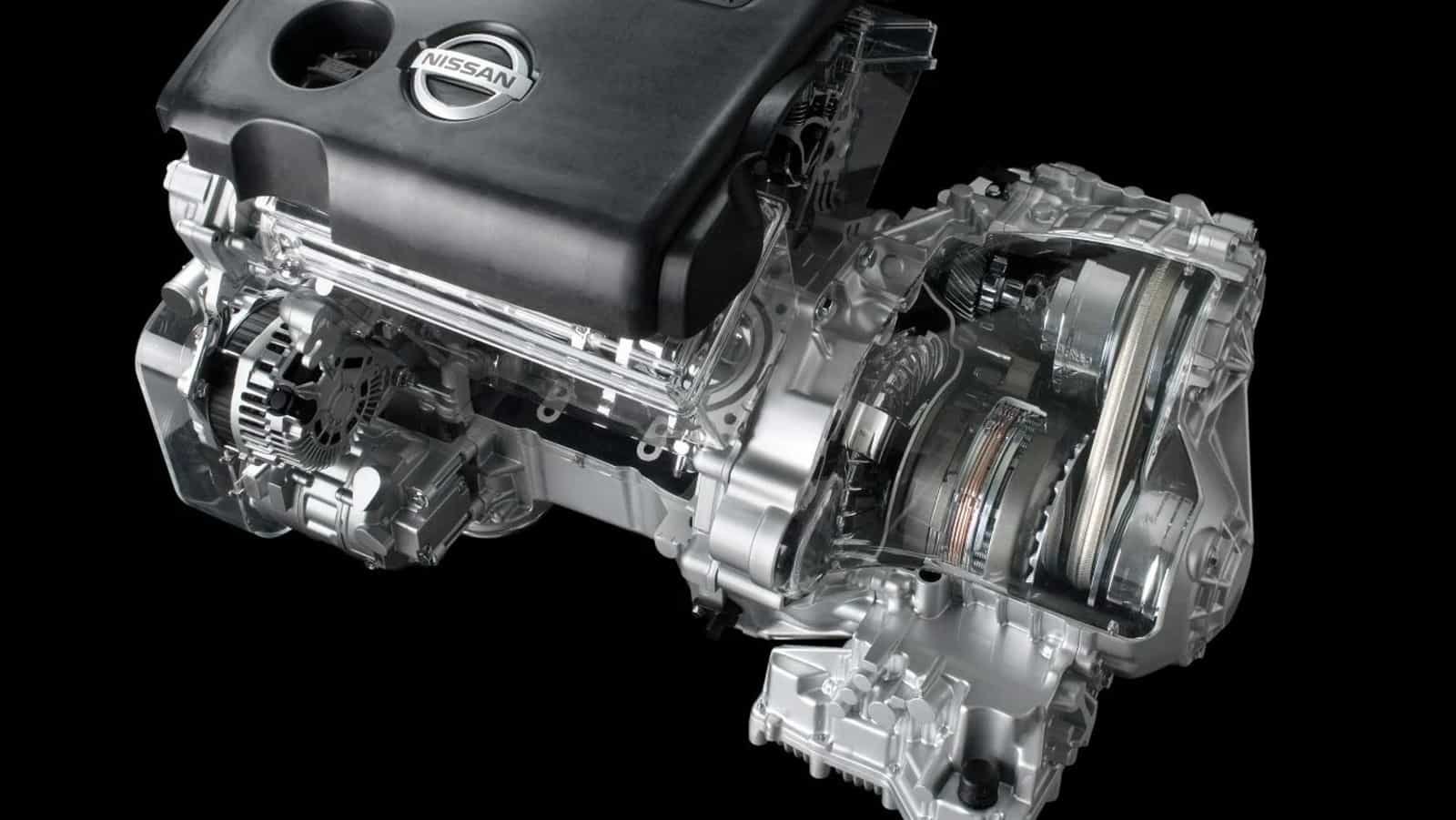
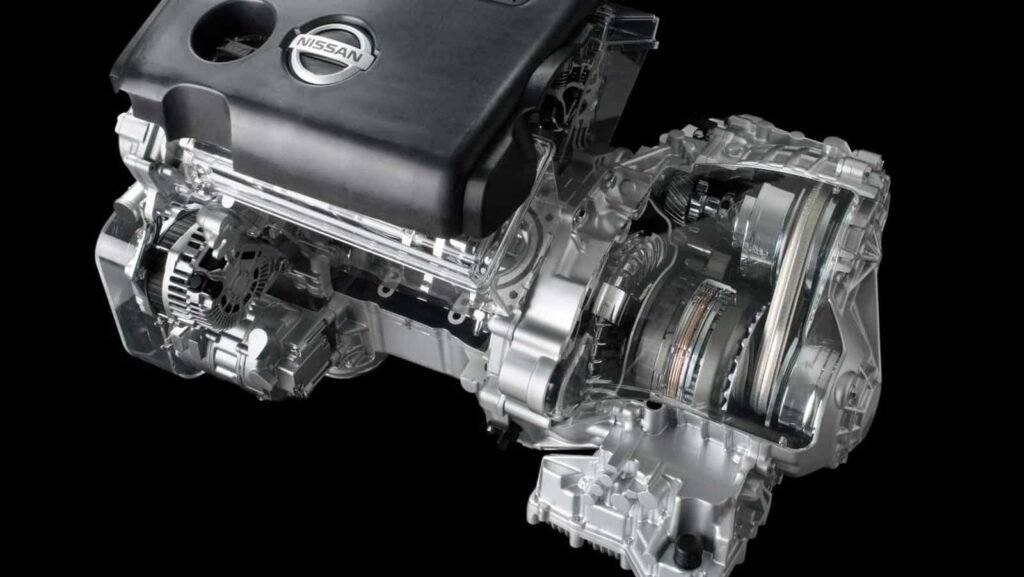
The Nissan CVT Transmission Recall focuses on long standing problems in Nissan’s Continuous Variable Transmission system. A CVT uses belts and pulleys to deliver smooth and efficient power. The idea sounds simple but real world use often creates heat and stress inside the unit. When the system cannot manage that stress it begins to slip shake or lose power. Many owners report these issues during normal driving which raises a serious safety concern.
Nissan started to review its CVT performance after customer complaints increased. Drivers shared similar symptoms and many repairs became expensive. These patterns pushed Nissan to investigate the root causes. Most cases involve internal wear high operating temperatures or delayed responses during acceleration. When these problems appear suddenly drivers feel unsafe and confused.
The recall aims to correct these failures and restore reliability. It also helps technicians identify early warning signs so they can repair the vehicle before the transmission breaks completely. This step matters because a CVT failure can leave a driver stranded in heavy traffic or far from home.
Understanding the Nissan CVT Transmission Recall gives owners a clear path forward. You now know why the recall exists and how it connects to common CVT problems. In the next sections you will see which models face the highest risk and how you can check your own VIN for recall eligibility.
Full List of Nissan Models Affected by the CVT Transmission Recall in 2025
Several Nissan models show a higher risk of CVT problems, and many of them appear in the 2025 recall program. These models share similar transmission designs, so they often develop the same symptoms. Owners should check their model year carefully because the recall targets specific production periods.
The Nissan Altima stands out as one of the most frequently affected models. Many drivers report shaking and delayed acceleration, especially in older model years. The Nissan Sentra also appears often on recall lists because its CVT works under constant load in city traffic. Some drivers feel sudden RPM jumps or hesitation during simple maneuvers.
The Nissan Rogue remains another major entry on the recall list. It is a popular family SUV, so CVT trouble creates stress for owners who rely on it for long trips. Many Rogues show early signs of wear that lead to overheating. The Nissan Versa also joins the group because its lightweight design places extra pressure on the transmission when the engine works hard.
Model years from 2012 to 2020 show the highest number of complaints, but some newer vehicles still receive recall attention. This variation means owners cannot assume their car is safe without checking the VIN.
Knowing which models appear in the Nissan CVT Transmission Recall helps you evaluate your own vehicle and prepare for any needed repairs. In the next part you will learn the key symptoms that signal early CVT failure.
Common Symptoms of CVT Failure Owners Should Not Ignore
Drivers often notice early warning signs before a CVT fails completely. These symptoms may seem small at first, but they usually grow worse with time. Recognizing them early can save you from expensive repairs and stressful breakdowns.
One of the most common signs is shaking during acceleration. The car may vibrate as the CVT struggles to deliver steady power. Many drivers feel this shaking when they merge onto a highway or climb a hill. Another clear symptom is hesitation. The engine revs, but the vehicle responds slowly. This delay creates unsafe situations because drivers cannot predict how the car will move.
Some owners also report sudden RPM spikes. The needle jumps even when they keep a steady foot on the pedal. This behavior shows that the CVT is slipping inside, a condition that often leads to overheating. A hot CVT loses efficiency and wears out quickly. Some vehicles even activate a safety mode that reduces power to protect the transmission.
Unusual noises also signal trouble. A whining or buzzing sound may appear at low speeds. This noise comes from internal parts that struggle to maintain smooth operation. If the sound grows louder, a major failure may be close.
Understanding these symptoms helps you react before the situation becomes serious. If your vehicle shows one or more of these signs, you should check whether it appears in the Nissan CVT Transmission Recall. In the next section you will see how to confirm your recall status using your VIN.
How to Check if Your Nissan Is Included in the CVT Recall
It is important to confirm whether your vehicle is part of the Nissan CVT Transmission Recall. The quickest way to do this is by checking your Vehicle Identification Number. Every Nissan has a unique VIN that shows its build details and recall status. You can find this number on the dashboard near the windshield or on the driver door frame.
Once you locate the VIN, visit the official recall lookup page from Nissan or the national safety database. Enter the number into the search box and wait for the results. The system will show any open recalls linked to your vehicle. It will also display repair instructions and the next steps you should follow. This process takes less than one minute and gives clear and reliable information.
If you cannot access the website, you can call a Nissan dealer. Provide the VIN and ask the service team to check your recall status. Dealers have direct access to recall databases and can confirm the information instantly. They can also tell you which parts may need inspection and how long the repair might take.
Some owners receive recall letters by mail. These letters explain the issues and invite you to schedule a service appointment. However, mail can be slow, so checking your VIN online remains the fastest method.
Verifying your recall status helps you protect your vehicle before a major CVT failure occurs. In the next section you will see the repair options available for affected owners in 2025.
Available Repair Options for Nissan CVT Transmission Issues
Owners affected by the Nissan CVT Transmission Recall can choose from several repair options. The best choice depends on the condition of the transmission and the support available in 2025. Understanding these options helps you avoid unexpected costs and long delays.
Many owners start by visiting a Nissan dealer. Dealer technicians receive updated training and follow official service procedures. They can identify internal CVT damage quickly and apply recall repairs at no cost when the vehicle qualifies. Dealers also use original parts, which improves long term reliability. This option works well for drivers who want the safest and most consistent repair process.
Some drivers prefer independent repair shops. These shops often charge lower labor rates and can complete basic CVT services like fluid changes and minor adjustments. However, independent shops may not have access to special tools or updated software. They can solve small problems, but severe CVT failures usually require dealer level service.
A full CVT replacement remains the most expensive solution. Many owners choose this option when the transmission reaches advanced wear or shows repeated failures. Replacement units can cost several thousand dollars, and installation may take several days. This choice makes sense only when the warranty covers part of the cost or when the vehicle holds strong resale value.
A few drivers explore aftermarket upgrades. These upgrades use redesigned components that handle heat and stress more effectively. Results vary, so owners should research them carefully.
Knowing your repair options helps you choose a path that protects your vehicle and your budget. In the next section you will learn about warranty extensions and legal actions linked to the recall.
Nissan CVT Warranty Extensions, Lawsuits and 2025 Recall Updates
Many owners worry about repair costs, so understanding warranty extensions and legal actions linked to the Nissan CVT Transmission Recall is important. Nissan has offered several warranty extensions in past years because CVT failures increased across multiple models. Some programs extended coverage for up to ten years or a specific mileage limit. These extensions helped many drivers reduce the financial impact of CVT repairs.
Lawsuits also played a major role in shaping Nissan’s response. Large groups of owners reported the same problems. Their cases highlighted issues such as overheating, slow acceleration and early internal wear. As these lawsuits developed, Nissan introduced new service procedures and offered compensation in some situations. These actions helped improve transparency and created pressure for long term solutions.
The 2025 recall update adds more clarity for current owners. Nissan released new guidelines that explain how technicians should diagnose CVT issues. These guidelines focus on early detection, better temperature management and improved part replacement strategies. The update also expands the list of affected models in some regions.
Owners who qualify for recall repairs can visit a dealer to receive inspections at no cost. The dealer will confirm the vehicle’s status and decide whether the transmission requires repair or full replacement. This process protects drivers from sudden failures and reduces long term expenses.
Staying informed about these updates helps you understand your rights and the support available to you. In the final section you will see a clear summary and suggestions for your next steps.
Conclusion
The Nissan CVT Transmission Recall helps owners understand long standing transmission problems and the steps needed to fix them. Many drivers have faced shaking, hesitation and overheating during daily use, so the recall brings attention to issues that affect both safety and long term reliability. By checking your VIN and reviewing the affected model list, you can confirm your recall status in just a few minutes. This simple action protects you from costly repairs and unexpected breakdowns.
Repair options in 2025 give owners several choices. Dealers provide free recall work when the vehicle qualifies and independent shops can solve minor problems when the transmission still works smoothly. When damage becomes severe, a full replacement may be necessary. Warranty extensions and recent recall updates also help owners reduce financial pressure and feel more confident about future repairs.
If you notice early CVT symptoms, now is the right time to take action. Schedule an inspection, keep track of new recall updates and decide which repair path matches your situation. The Nissan CVT Transmission Recall exists to keep your vehicle safe, and this guide gives you the clarity to move forward with confidence.