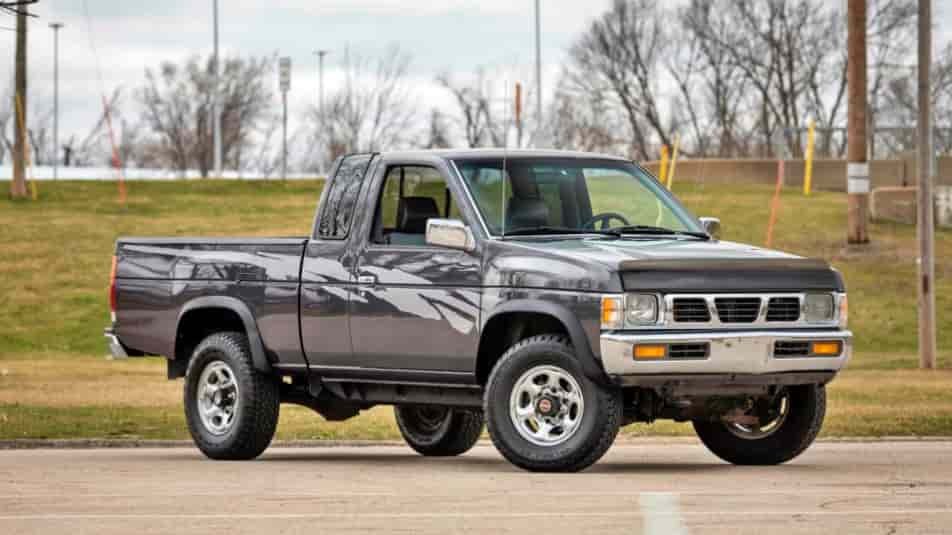
Looking to buy a used Nissan Hardbody but worried about costly repairs? Choosing the wrong year can turn your dream pickup into a constant headache. The Nissan Hardbody is known for its toughness and long-lasting performance. However, not all model years perform equally. Some years had frequent mechanical failures, rust problems, and electrical issues. These issues left owners frustrated and spending more than expected on maintenance.
This guide highlights the Nissan Hardbody Years to Avoid to help you make a smart decision. Knowing which models are risky protects your investment and saves time. From engines prone to failure to worn suspension components, understanding the years to skip can prevent major problems. Whether you browse used listings or inspect vehicles in person, this guide gives you the confidence to spot potential issues.
By learning the Nissan Hardbody Years to Avoid, you can focus on finding a reliable model. You will enjoy the strength, durability, and value that made this pickup a classic favorite. Avoiding the wrong years ensures your investment lasts longer and your experience remains trouble-free.
1986–1988 Nissan Hardbody
The 1986 to 1988 Nissan Hardbody models often cause trouble for used truck buyers. These early trucks earned a reputation for durability, but they had recurring mechanical issues. Engines frequently experienced fuel injection failures, which led to costly repairs. Drivers also reported transmission problems that could leave them stranded unexpectedly. The suspension wore out faster under heavy use, resulting in a rough ride and higher maintenance costs. Rust appeared quickly in areas with wet climates or salted roads, affecting frames and body panels.
Despite these drawbacks, these early Hardbody trucks still had strong chassis and towing capability, which attracted some enthusiasts. However, the risks usually outweigh the benefits for everyday buyers. Knowing these years helps you inspect vehicles more carefully. Checking the engine, transmission, suspension, and rust spots can prevent expensive surprises. Understanding the 1986 to 1988 Nissan Hardbody Years to Avoid allows buyers to make informed choices and focus on more reliable models with lower long-term costs.
1992–1993 Nissan Hardbody
The 1992 and 1993 Nissan Hardbody models developed a reputation for rust and engine problems that made them risky choices for used truck buyers. Owners reported premature rust on frames, wheel wells, and door sills, especially in areas with heavy rain or snow. Engines in these years often faced oil leaks and timing chain wear, which required frequent repairs. Electrical components, including the alternator and wiring, were also prone to failure, causing minor to major malfunctions. These recurring issues increased maintenance costs and frustrated owners who expected the reliability Nissan Hardbody was known for.
Despite their rugged design and towing capacity, the 1992–1993 models required careful inspection before purchase. Checking for rust, engine leaks, and electrical problems is essential to avoid expensive repairs. Being aware of the 1992–1993 Nissan Hardbody Years to Avoid helps buyers focus on trucks that provide better reliability and long-term value. Buyers who skip these years can enjoy the performance and durability of the Nissan Hardbody without unexpected repair bills.
1995–1996 Nissan Hardbody
The 1995 and 1996 Nissan Hardbody models are known for recurring electrical and transmission issues that make them risky for buyers of used trucks. Electrical systems in these years often experienced failures in the alternator, starter, and dashboard wiring. These problems caused frequent breakdowns and unexpected repair costs. The automatic and manual transmissions also showed early wear, leading to slipping gears and rough shifting. Suspension components wore out faster than expected under regular use, which increased maintenance bills. Buyers who overlook these issues often face frustration and higher expenses than they anticipated.
Despite these challenges, the 1995–1996 models still offered strong towing capacity and a rugged body design. Careful inspection before purchase is essential to avoid costly repairs. Checking the electrical system, transmission performance, and suspension can prevent major problems. Understanding the 1995–1996 Nissan Hardbody Years to Avoid helps buyers focus on models that provide better reliability and long-term value. Skipping these risky years allows owners to enjoy the durability and performance of the Nissan Hardbody without frequent breakdowns.
1998 Nissan Hardbody
The 1998 Nissan Hardbody models faced several issues that made them a risky choice for used truck buyers. Engine problems were common, including overheating and oil leaks that required frequent attention. The transmission also showed signs of wear, resulting in rough shifting and reduced performance. Electrical components, such as lights and dashboard controls, occasionally failed and caused inconvenience. Rust was less widespread than in earlier models, but trucks exposed to harsh weather often developed corrosion on the undercarriage and wheel arches. These issues made maintenance more expensive and frustrated owners who expected a reliable truck.
Despite these concerns, the 1998 Hardbody still offered solid towing capacity and a strong frame. Buyers needed to inspect engines, transmissions, and electrical systems carefully before purchase. Knowing the 1998 Nissan Hardbody Years to Avoid helped avoid costly surprises. Skipping this model year allowed owners to focus on more reliable trucks that maintained the performance and durability the Nissan Hardbody was known for. Being cautious with this year ensured long-term satisfaction and lower repair expenses.
2000 Nissan Hardbody
The 2000 Nissan Hardbody models were the first facelift of the series and came with new features, but they also introduced problems that buyers should avoid. Many trucks experienced frame and suspension issues that caused uneven rides and premature wear. Engine performance was generally reliable, but some vehicles showed early signs of oil leaks and timing chain problems. Electrical systems, including lights and dashboard controls, occasionally failed and added unexpected repair costs. While the 2000 model had modern updates, these mechanical and electrical concerns made it a risky choice for anyone seeking a dependable used truck.
Despite its improvements, the 2000 Hardbody required careful inspection before purchase. Checking the suspension, engine, and electrical systems could prevent costly surprises. Knowing the 2000 Nissan Hardbody Years to Avoid helped buyers make smarter decisions and focus on more reliable models. Skipping this year allowed owners to enjoy the strength, durability, and towing capacity that made the Nissan Hardbody popular without dealing with frequent maintenance issues. Being cautious ensured a long-lasting and trouble-free ownership experience.
Tips for Inspecting a Used Nissan Hardbody
Inspecting a used Nissan Hardbody carefully can save you from costly repairs and frustrating breakdowns. Start with the engine, checking for oil leaks, unusual noises, and signs of wear in the timing chain. Test the transmission by shifting through all gears, ensuring smooth operation without slipping or grinding. Pay close attention to the suspension, including shocks, struts, and bushings, which affect ride comfort and stability. Rust is another critical area. Examine the frame, wheel arches, and undercarriage, especially if the truck was used in wet climates or on salted roads. Electrical systems also need careful inspection. Test lights, dashboard controls, and the alternator to ensure everything works reliably.
It is also important to review maintenance records and previous repairs. Trucks with documented service histories often indicate attentive ownership and can help you predict potential future issues. Take your time during a test drive, listening for unusual sounds and feeling for irregular handling. By following these steps, you reduce the risk of purchasing a Nissan Hardbody that requires frequent repairs. Being proactive in your inspection ensures you avoid the Nissan Hardbody Years to Avoid and choose a model that delivers the durability, performance, and long-term value you expect. Careful evaluation is the key to a reliable and trouble-free ownership experience.
Common Problems Across All Nissan Hardbody Years
Even outside the specific Nissan Hardbody Years to Avoid, certain issues appear consistently across many model years. Rust remains the most common problem, affecting frames, wheel wells, and door sills. Trucks used in wet climates or on salted roads are especially prone to corrosion. Engine wear also occurs frequently, including oil leaks, timing chain issues, and occasional overheating, which can lead to costly repairs if ignored. Transmission problems, such as slipping gears or rough shifting, appear in both manual and automatic models, particularly in high-mileage trucks. Suspension components, including shocks, struts, and bushings, often wear out faster than expected, affecting ride comfort and stability. Electrical systems are another area of concern. Alternators, starters, dashboard controls, and lights can fail, causing minor to significant inconveniences.
Awareness of these common problems helps buyers take preventive measures. During inspection, checking for rust, engine leaks, transmission performance, and electrical reliability can prevent major surprises. Reviewing maintenance records and performing thorough test drives adds another layer of security. Understanding these recurring issues complements knowledge of the Nissan Hardbody Years to Avoid. Combining both insights allows buyers to select a truck that offers reliability, durability, and long-term value. By focusing on common problems and risky years, you can enjoy the performance and toughness that made the Nissan Hardbody a favorite among pickup enthusiasts.
Best Nissan Hardbody Years to Buy
While some Nissan Hardbody years come with risks, several model years are known for reliability and long-term value. Buyers looking for a dependable used truck often prefer models from the mid-1990s to early 2000s that avoided major mechanical flaws. Trucks from these years typically have strong engines, durable transmissions, and minimal rust issues, making them a safer investment for daily use or heavy-duty tasks. These models also tend to maintain their towing capacity and rugged design, which are signature traits of the Nissan Hardbody.
When selecting a used Nissan Hardbody, focus on models with documented maintenance histories. Trucks that were regularly serviced are more likely to remain reliable, even if they have higher mileage. Inspecting the engine, transmission, suspension, and electrical systems still matters, but the risk of unexpected repairs is lower. Knowing the best Nissan Hardbody years allows buyers to avoid common pitfalls while still enjoying the strength, performance, and versatility that made this pickup popular. Choosing a reliable year enhances your ownership experience, reduces maintenance costs, and ensures that the truck continues to deliver value for years to come.
Owner Experiences and Lessons Learned
Many Nissan Hardbody owners have shared their experiences online, providing valuable lessons for buyers. Owners of older models often report recurring rust and engine issues, confirming why certain years are considered risky. Some highlight the frustration of dealing with transmission problems or electrical failures, emphasizing the importance of careful inspections. Others praise well-maintained trucks from reliable years, noting their durability and strong towing capacity even after decades of use.
These real-life stories underline the importance of knowing the Nissan Hardbody Years to Avoid. Learning from previous owners helps prospective buyers understand potential pitfalls before making a purchase. Test drives, thorough inspections, and reviewing maintenance records are common recommendations from experienced owners. Many suggest prioritizing reliability over cosmetic features, as trucks with proper care and the right model year provide long-term satisfaction. By paying attention to these lessons, buyers can avoid frequent repairs, save money, and enjoy the full potential of the Nissan Hardbody. Following owner advice complements technical knowledge and ensures a smoother, more confident buying experience.
Conclusion
Choosing the right Nissan Hardbody can save you time, money, and frustration, while picking the wrong year can lead to constant repairs and unexpected expenses. The years 1986–1988, 1992–1993, 1995–1996, 1998, and 2000 all had issues that affected reliability, including engine failures, transmission problems, electrical faults, and rust. Understanding the Nissan Hardbody Years to Avoid helps buyers focus on models that offer durability, performance, and long-term value.
Careful inspection and awareness of these risky years allow buyers to avoid costly mistakes. Checking engines, transmissions, suspension, and electrical systems is essential for every used truck purchase. Being proactive can prevent frequent breakdowns and high maintenance bills, making the ownership experience more enjoyable and stress-free.
By knowing which years to avoid, you can concentrate on finding a Nissan Hardbody that delivers the strength and reliability this classic pickup is known for. Skipping problematic years ensures you invest in a truck that meets your needs without unexpected problems. Always research, inspect carefully, and prioritize reliability to make the most of your purchase. Following this guide allows you to enjoy the Nissan Hardbody experience with confidence and peace of mind.