Transmission reliability plays a major role in long term vehicle ownership, especially for midsize SUV drivers. In recent years, search demand for the Nissan Murano Transmission Recall has increased as more owners report problems related to CVT performance and durability. Many drivers begin researching recalls only after they notice warning signs such as shuddering, delayed acceleration, overheating, or sudden power loss. At that point, repair costs often become a serious concern.
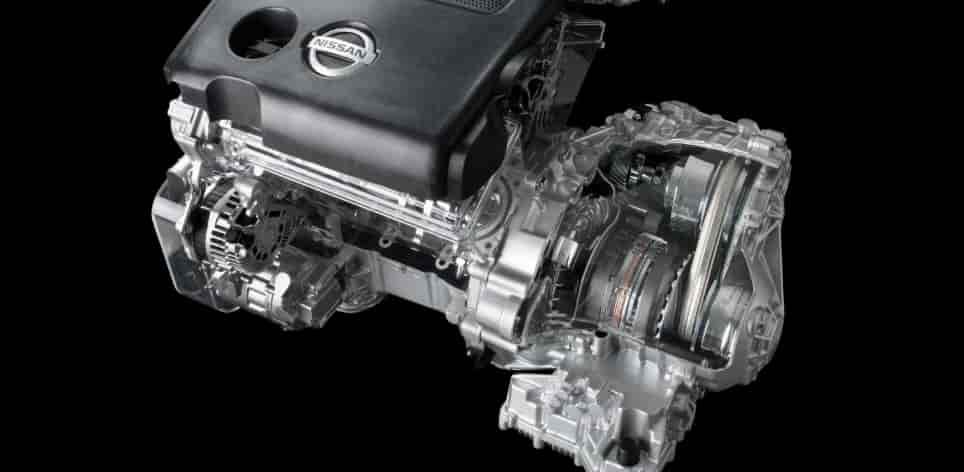
Nissan designed the Murano to deliver a smooth and comfortable driving experience. However, certain model years have shown consistent weaknesses in the continuously variable transmission system. Unlike traditional automatic transmissions, a CVT relies on belts and pulleys instead of fixed gears. This design improves fuel efficiency but also increases sensitivity to heat, fluid quality, and internal wear. When these factors combine, transmission failure can occur earlier than expected.
This guide explains what the Nissan Murano Transmission Recall actually involves and why many CVT problems do not fall under a formal safety recall. It also identifies which model years face the highest risk and what rights owners still have today. By understanding warranty extensions, settlement programs, and repair options, Murano owners can take action early and avoid unnecessary financial stress.
Affected Nissan Murano Model Years and CVT Issues
The Nissan Murano has used a continuously variable transmission across multiple generations, but reliability concerns appear more frequently in specific model years. Based on owner reports, service bulletins, and legal filings, Murano vehicles produced between 2015 and 2018 show the highest concentration of CVT related complaints. These models share similar transmission designs and cooling systems, which increase exposure to premature wear.
Drivers of affected Murano model years often describe early warning signs that develop gradually. Common symptoms include hesitation during acceleration, engine revving without speed increase, vibration at low speeds, and overheating during highway driving. In many cases, the vehicle enters a reduced power mode to protect the transmission from further damage. These issues usually worsen over time rather than resolve on their own.
The root cause links closely to CVT heat management and internal belt stress. When transmission fluid temperatures rise beyond normal limits, internal components lose efficiency and strength. Continuous exposure accelerates belt degradation and pulley surface wear. Once this process begins, software updates or fluid changes rarely provide a long term fix. Full transmission replacement often becomes the only reliable solution.
It is important to understand that not every Nissan Murano from these years will experience transmission failure. Driving habits, maintenance intervals, and climate conditions all influence outcomes. However, failure rates remain high enough to trigger extended warranty programs and legal action. This distinction explains why many owners search for recall information even when no formal safety recall exists for the transmission system.
Is There an Official Nissan Murano Transmission Recall
Many Nissan Murano owners search for recall notices after transmission problems appear. This search often leads to confusion between a safety recall and other manufacturer responses. At this time, Nissan has not issued an official safety recall for Murano CVT failures under federal recall standards. Safety recalls require a direct risk to vehicle control or occupant safety, which Nissan has not formally acknowledged for this issue.
Instead of a recall, Nissan addressed CVT concerns through technical service bulletins and warranty policy adjustments. These actions guide dealerships on how to diagnose symptoms such as shuddering, overheating, or delayed engagement. While service bulletins improve repair consistency, they do not obligate Nissan to notify every owner or provide free repairs outside warranty coverage.
This distinction explains why many affected drivers feel misled. Transmission failure can disable a vehicle without warning, yet it does not always meet the legal definition of a safety defect. As a result, owners often pay for repairs before learning about alternative coverage options. This gap between expectation and policy has played a major role in legal disputes involving Nissan CVT transmissions.
Understanding the absence of a formal recall helps owners focus on realistic solutions. Warranty extensions, settlements, and reimbursement programs often provide more practical relief than waiting for a recall announcement. Owners who recognize this early gain a better chance to reduce repair costs and protect vehicle value.
Common CVT Failure Symptoms in Nissan Murano Vehicles
CVT problems in the Nissan Murano rarely appear without warning. Most owners notice gradual changes in driving behavior before a complete transmission failure occurs. These early symptoms often feel minor at first, which leads many drivers to delay inspection or repair.
One of the most common signs involves hesitation during acceleration. The engine speed rises, but the vehicle struggles to gain momentum. This delay creates a disconnected driving feel and becomes more noticeable during merging or passing. As the issue progresses, the vehicle may surge or jerk at low speeds, especially in stop and go traffic.
Vibration and shuddering also signal internal CVT stress. Drivers often feel these sensations between 20 and 40 miles per hour. The vibration usually intensifies under light throttle input. Heat buildup inside the transmission plays a key role in this behavior. As temperatures rise, internal components lose stability and friction increases.
Overheating warnings represent a more advanced stage of CVT failure. Some Murano models enter a reduced power mode to protect the transmission. This response limits speed and acceleration, which can create safety concerns in high traffic situations. In severe cases, the vehicle may refuse to move forward or backward.
Ignoring these symptoms often leads to complete transmission failure. Once internal belt or pulley damage occurs, repair options become limited. Early diagnosis gives owners the best chance to explore warranty coverage, settlement benefits, or lower cost repair paths before replacement becomes unavoidable.
Warranty Extensions, Settlements, and Owner Rights
Nissan responded to widespread CVT complaints through warranty extensions and legal settlements rather than a formal transmission recall. These measures aimed to reduce owner repair costs while limiting broader recall obligations. Understanding these programs helps Murano owners protect their financial interests.
For certain Nissan Murano model years, Nissan extended CVT warranty coverage beyond the original factory term. In many cases, coverage reached up to 84 months or 84000 miles, depending on the vehicle and in service date. This extension applied only to specific transmission failures and required diagnosis at an authorized Nissan dealership. Owners who exceeded mileage or time limits often lost access to this benefit.
Legal settlements also created reimbursement opportunities for some owners. Drivers who paid out of pocket for CVT repairs within the eligibility window may qualify for partial compensation. These claims usually require repair invoices, proof of ownership, and service records. Deadlines apply, which makes timely action essential.
Owner rights extend beyond warranty coverage. Vehicle owners have the right to request detailed diagnostic reports, challenge denied claims, and seek legal advice when transmission failures occur prematurely. In some regions, lemon law protections may apply if repeated repair attempts fail to resolve the issue. Knowing these rights allows owners to negotiate from a position of strength rather than accepting the first response from a service department.
What Nissan Murano Owners Should Do Next
When transmission issues appear, immediate action can prevent further damage and reduce long term costs. Nissan Murano owners should begin by documenting all symptoms in detail. Recording when hesitation, vibration, or overheating occurs helps technicians identify CVT related failures more accurately.
The next step involves scheduling a diagnostic inspection at an authorized Nissan dealership. Dealership records play a critical role in warranty and settlement eligibility. Even if the vehicle falls outside standard coverage, official diagnostic reports strengthen reimbursement or legal claims. Owners should request written documentation for every visit.
Checking warranty status also remains essential. Owners can verify coverage through Nissan customer support or by using the vehicle identification number. Some drivers qualify for extended CVT coverage without realizing it. Others may still fall within settlement reimbursement periods. Acting early increases the chance of approval.
Owners should also avoid delaying repairs once symptoms escalate. Continued driving with a failing CVT often increases internal damage and raises replacement costs. If Nissan denies coverage, owners may consider independent transmission specialists for second opinions. Legal consultation may also help in cases involving repeated failures or excessive repair expenses.
Conclusion
The Nissan Murano Transmission Recall remains a common search term because many owners experience serious CVT problems without clear recall guidance. While Nissan has not issued a formal safety recall for Murano transmissions, affected model years continue to face elevated failure risks. Understanding this distinction helps owners focus on realistic solutions instead of waiting for recall notices that may never arrive.
By identifying affected model years, recognizing early CVT failure symptoms, and understanding warranty extensions and settlement programs, Murano owners gain greater control over repair outcomes. Owner rights, documentation, and timely action often make the difference between full financial responsibility and meaningful cost relief.
Transmission failure does not have to lead to unnecessary stress or unexpected expenses. Informed Nissan Murano owners who act early and understand their options place themselves in the strongest possible position to protect both their vehicle and their investment.
Conclusion
The Nissan Murano Transmission Recall remains a common search term because many owners experience serious CVT problems without clear recall guidance. While Nissan has not issued a formal safety recall for Murano transmissions, affected model years continue to face elevated failure risks. Understanding this distinction helps owners focus on realistic solutions instead of waiting for recall notices that may never arrive.
By identifying affected model years, recognizing early CVT failure symptoms, and understanding warranty extensions and settlement programs, Murano owners gain greater control over repair outcomes. Owner rights, documentation, and timely action often make the difference between full financial responsibility and meaningful cost relief.
Transmission failure does not have to lead to unnecessary stress or unexpected expenses. Informed Nissan Murano owners who act early and understand their options place themselves in the strongest possible position to protect both their vehicle and their investment.