Many drivers look at the Nissan Rogue Tow Package when they want a compact SUV that can handle light towing without sacrificing comfort or fuel efficiency. This feature attracts buyers who need occasional towing capability for small trailers, jet skis, or outdoor equipment. Before choosing it, drivers should understand exactly what the tow package offers and where its limits begin.
The Nissan Rogue focuses on daily usability, smooth driving, and interior comfort. When equipped with the tow package, it gains the ability to support light towing tasks that fit an active but practical lifestyle. Some buyers expect the tow package to transform the Rogue into a heavy duty towing vehicle. Others underestimate its usefulness because they do not understand the specifications. Both assumptions often lead to disappointment.
This guide explains the Nissan Rogue Tow Package in a clear and direct way. You will find the official towing capacity, the key technical specifications, and a complete breakdown of what comes with the package. The article also explains how passenger weight, cargo load, and trailer tongue weight affect real world towing performance.
If you are deciding whether the Nissan Rogue Tow Package fits your needs, this article will help you make an informed and confident choice based on realistic expectations.
What Is the Nissan Rogue Tow Package?
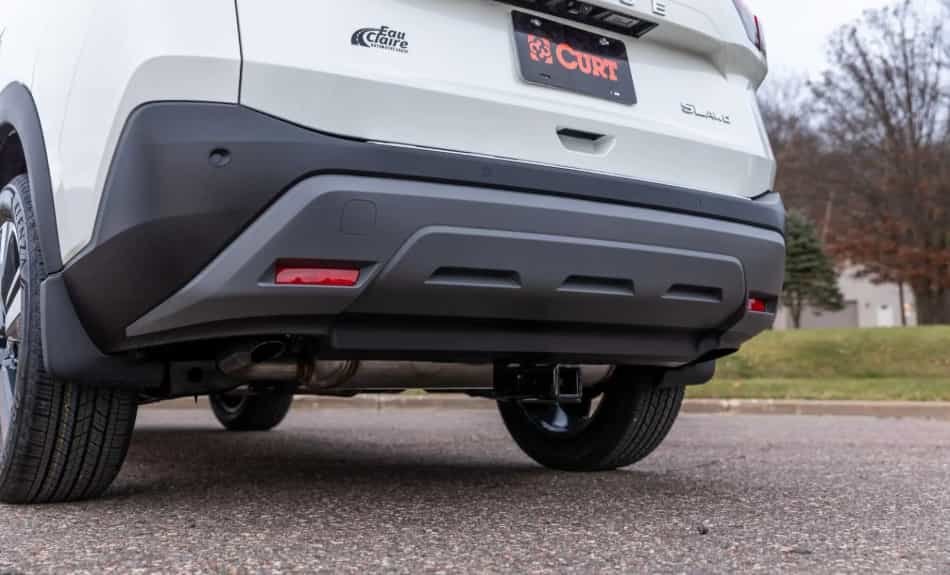
The Nissan Rogue Tow Package is an optional equipment setup that prepares the vehicle for light trailer towing. It does not change the core design of the Rogue, but it adds the necessary hardware and electrical support to tow safely within factory rated limits. Nissan offers this package to drivers who need occasional towing without upgrading to a larger SUV.
At its core, the tow package equips the Rogue with a trailer hitch receiver and a wiring system that allows the vehicle to communicate with a trailer. These components handle basic towing needs such as trailer lights and secure hitch mounting. The package focuses on safety, stability, and compatibility with Nissan approved towing accessories rather than raw towing power.
Not every Nissan Rogue trim includes a tow package as standard equipment. Availability often depends on model year, trim level, and market. In many cases, buyers must add the tow package as a factory option or install it later through a dealer. This detail explains why towing capability can vary between Rogue vehicles that look identical on the outside.
It is also important to understand what the Nissan Rogue Tow Package does not include. It does not add a heavy duty transmission, upgraded engine output, or advanced trailer brake control systems. The package supports light duty towing only and works best when drivers stay within the recommended weight limits.
Nissan Rogue Tow Package Specs
The Nissan Rogue Tow Package provides specific hardware and ratings that define how much the vehicle can safely tow. These specifications matter more than trim names or visual differences because towing limits depend on engineering, not appearance.
When properly equipped with the tow package, the Nissan Rogue offers a maximum towing capacity of up to 1500 pounds. This rating applies under ideal conditions, which include a properly distributed load, minimal cargo inside the vehicle, and adherence to Nissan towing guidelines. Drivers should treat this number as a ceiling rather than a target for everyday towing.
The tow package typically includes a Class I hitch receiver that supports light duty trailers. This hitch works well for small utility trailers, bike racks, or lightweight recreational equipment. The tongue weight rating usually reaches up to 150 pounds, which plays a critical role in maintaining vehicle balance and steering control while towing.
Electrical support also forms a key part of the tow package specifications. The Rogue uses a factory compatible wiring harness that connects trailer lighting systems to the vehicle. This setup ensures proper operation of brake lights, turn signals, and running lights. Some model years include wiring provisions that simplify future upgrades, although a full trailer brake controller is not standard.
It is important to note that the Nissan Rogue Tow Package does not include transmission cooling upgrades or performance enhancements. The vehicle relies on its standard powertrain, which reinforces the need to respect towing limits at all times.
Towing Capacity Explained
Towing capacity describes the maximum weight the Nissan Rogue can pull safely when equipped with the tow package. This number includes the full weight of the trailer and everything loaded on it. Many drivers focus only on the advertised towing limit, but real world towing depends on several connected factors.
The Nissan Rogue reaches its maximum towing capacity of up to 1500 pounds only under controlled conditions. These conditions assume a driver and minimal cargo inside the vehicle. When passengers, luggage, or roof accessories add weight, the available towing capacity decreases. Ignoring this relationship can lead to reduced braking performance and poor handling.
Tongue weight plays a major role in towing stability. It refers to the downward force the trailer applies to the hitch. For the Rogue, the recommended tongue weight stays around ten percent of the total trailer weight. Too much tongue weight can overload the rear suspension. Too little can cause trailer sway at higher speeds.
Payload capacity also affects towing performance. Payload includes passengers, cargo, and the tongue weight of the trailer. When payload reaches its limit, safe towing capacity drops even if the trailer stays under the maximum rating. Drivers should always calculate payload and trailer weight together before towing.
Understanding these limits helps prevent strain on the engine, transmission, and braking system. More importantly, it ensures safer control of the Nissan Rogue during acceleration, turning, and emergency stops.
What’s Included in the Tow Package
The Nissan Rogue Tow Package includes the essential components needed for safe and legal light duty towing. These parts work together to support trailer attachment, electrical communication, and basic towing stability. Nissan designs this package to meet factory safety standards rather than to maximize towing strength.
The most visible component is the trailer hitch receiver. Nissan typically installs a Class I hitch that mounts directly to reinforced points on the vehicle frame. This hitch supports small trailers, cargo carriers, and lightweight recreational equipment when drivers stay within rated limits.
The tow package also includes a factory compatible wiring harness. This system connects the vehicle electrical network to the trailer lighting system. It allows the trailer brake lights, turn signals, and running lights to function correctly. Proper lighting improves visibility and helps other drivers react safely on the road.
Some versions of the tow package include wiring provisions for additional towing accessories. These provisions make it easier to add a brake controller or upgraded connectors later. However, the package does not include a built in trailer brake controller or heavy duty electrical upgrades.
It is important to note what the tow package does not include. It does not add performance tuning, stronger suspension components, or transmission cooling upgrades. Drivers must rely on the standard Rogue powertrain and suspension while towing.
Nissan Rogue Tow Package Installation
Nissan installs the Rogue Tow Package either at the factory or through authorized dealerships. Factory installation ensures full compatibility with the vehicle systems and maintains warranty coverage. Dealer installation often suits buyers who decide on towing capability after purchase.
During installation, technicians mount the hitch receiver to designated frame points. They then connect the wiring harness to the vehicle electrical system. This process allows the trailer lights to operate correctly without triggering warning lights on the dashboard. Professional installation also ensures proper torque and alignment for safe towing.
Some owners choose aftermarket installation instead of the factory package. Aftermarket kits often cost less and provide similar towing ratings. However, installation quality depends on the installer’s experience. Poor wiring or improper mounting can cause electrical faults or reduced stability while towing.
Installation time usually ranges from one to three hours, depending on the model year and equipment. Costs vary based on labor rates and parts availability. Dealer installed tow packages typically cost more but offer peace of mind and consistent fitment.
Drivers should always confirm that the final setup matches Nissan towing guidelines. A correct installation protects the vehicle, improves towing control, and reduces long term wear on key components.
Pros and Cons of Getting the Tow Package
The Nissan Rogue Tow Package offers clear benefits for drivers who need light towing capability. It allows the vehicle to tow small trailers, utility equipment, or recreational gear without major modifications. Factory approved components also ensure proper fitment and reliable electrical connections.
Another advantage lies in safety and convenience. The tow package integrates cleanly with the Rogue’s design and reduces the risk of wiring issues. It also preserves vehicle resale value because many buyers prefer factory supported towing equipment.
However, the tow package has important limitations. The Nissan Rogue remains a compact SUV with a maximum towing capacity of 1500 pounds. Drivers who need to tow boats, campers, or heavier trailers will quickly exceed this limit. In these cases, the tow package does not solve the underlying capability gap.
Cost also affects the decision. Factory and dealer installed tow packages often cost more than aftermarket options. Some drivers may not recover this cost if they tow only once or twice a year. In addition, the package does not include performance upgrades such as transmission cooling or suspension reinforcement.
The tow package makes sense for occasional and controlled towing. It does not suit drivers who expect frequent or demanding towing tasks. Understanding these pros and cons helps buyers avoid unrealistic expectations.
Aftermarket Tow Kit Alternatives
Many Nissan Rogue owners choose aftermarket tow kits as an alternative to the factory tow package. These kits often provide similar basic towing capability at a lower upfront cost. For drivers who plan to tow occasionally, this option can offer good value when installed correctly.
Aftermarket tow kits usually include a Class I hitch receiver and a separate wiring harness. Reputable brands design these components to match the Rogue’s mounting points and towing ratings. When properly installed, they support the same 1500 pound towing limit set by Nissan. The vehicle’s mechanical limits remain the same regardless of the hitch brand.
Wiring quality plays a major role in aftermarket setups. Some kits use plug and play connectors that integrate smoothly with the vehicle electrical system. Others require splicing, which increases the risk of electrical issues. Choosing a vehicle specific wiring harness helps prevent warning lights and lighting failures.
Aftermarket kits also allow more flexibility. Owners can select different hitch designs, wiring options, or accessories based on their needs. However, installation quality varies widely. Poor installation can affect safety and may cause long term electrical or structural problems.
Drivers should weigh cost savings against warranty considerations and installation risks. In many cases, professional installation makes aftermarket kits a safer and more reliable choice.
Safety Tips When Towing With Rogue
Safe towing with the Nissan Rogue requires careful preparation and realistic expectations. Even with the tow package installed, the vehicle operates best when drivers stay well within recommended limits. Good habits reduce stress on the powertrain and improve overall control.
Before towing, drivers should check trailer weight, tongue weight, and tire pressure. Proper load distribution helps maintain steering response and braking performance. Uneven or overloaded trailers increase the risk of sway, especially at highway speeds.
Driving behavior also matters. Smooth acceleration and gradual braking protect the transmission and braking system. Drivers should allow extra distance for stopping and avoid sudden lane changes. Lower speeds improve stability and reduce heat buildup during longer trips.
Regular inspections play an important role in towing safety. Drivers should inspect the hitch, wiring connections, and trailer lights before each trip. Any loose connection or lighting failure can create safety hazards and legal issues.
Weather and road conditions affect towing performance as well. Strong winds, steep grades, and wet roads place additional strain on the vehicle. Adjusting speed and route choices helps maintain safe control of the Nissan Rogue while towing.
Conclusion
The Nissan Rogue Tow Package offers a practical solution for drivers who need light towing capability in a compact and efficient SUV. With a maximum towing capacity of up to 1500 pounds, the Rogue can handle small trailers, utility equipment, and recreational gear when properly equipped and loaded. Understanding the specifications and limits helps drivers avoid unrealistic expectations.
This tow package focuses on safety and compatibility rather than heavy duty performance. It includes the essential hardware and wiring needed for basic towing while relying on the standard Rogue powertrain. Because of this design, the package works best for occasional towing rather than frequent or demanding use.
Buyers should evaluate how often they plan to tow and what they intend to pull. Passenger weight, cargo load, and trailer balance all affect real world towing performance. Ignoring these factors can reduce safety and increase wear on the vehicle. Careful planning and conservative loading protect both the vehicle and its occupants.
For drivers who tow occasionally and value fuel efficiency and everyday comfort, the Nissan Rogue Tow Package makes sense. Those who require higher towing limits may need to consider a different vehicle class. By understanding what the tow package includes and how it performs in real conditions, drivers can make a confident and informed decision.