
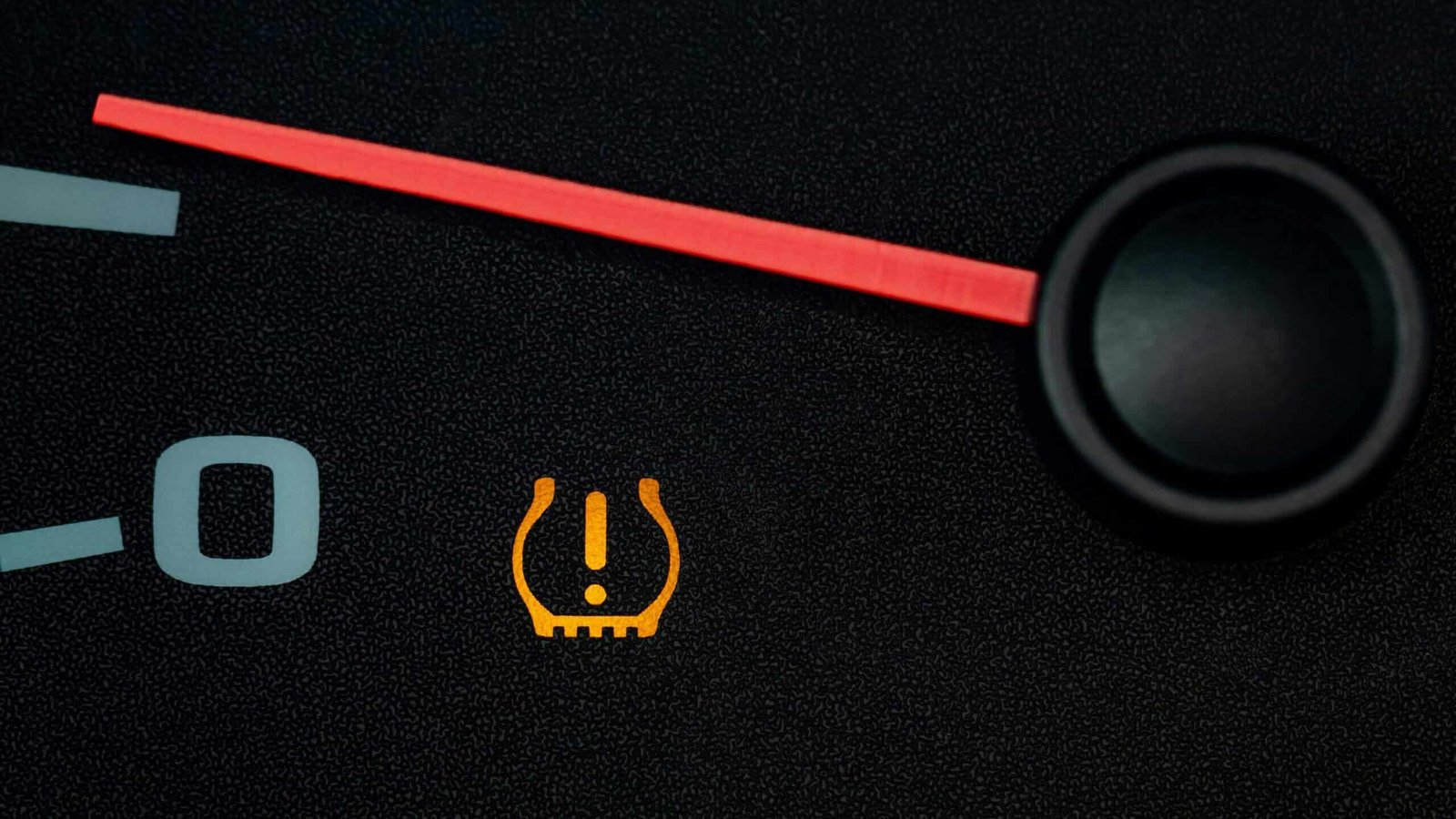
Seeing your Nissan tire pressure light blinking on the dashboard can be alarming and confusing. Many drivers are unsure whether it is a minor issue or a sign of a serious problem. A blinking Nissan tire pressure light usually indicates that something requires immediate attention, from low tire pressure to a malfunctioning sensor. Understanding the cause and knowing how to respond can prevent accidents and costly repairs.
Ignoring a blinking Nissan tire pressure light can lead to uneven tire wear, reduced vehicle handling, and in extreme cases, tire failure. It is easy to assume the light is just a warning, but taking action quickly ensures your car remains safe and reliable.
In this article, we will explain the most common reasons why the Nissan tire pressure light blinks. We will also discuss the potential risks associated with ignoring the warning and provide step-by-step guidance on how to fix it efficiently. This information is essential for all Nissan drivers who want to maintain vehicle safety and avoid unexpected expenses.
By the end of this guide, you will understand why the Nissan tire pressure light blinks and the practical steps you can take to resolve the issue. Acting promptly can save you time, money, and ensure peace of mind while driving.
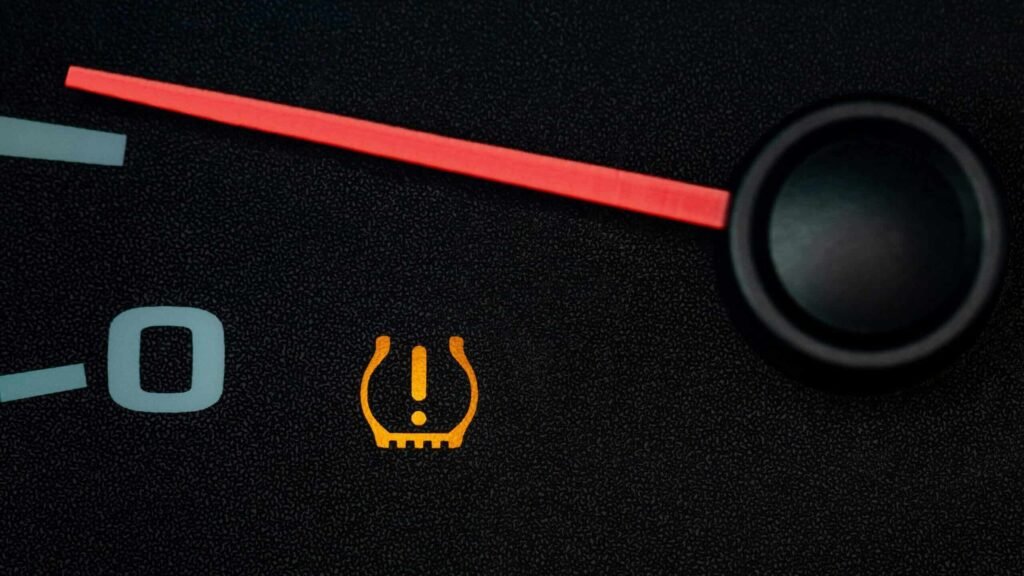
Common Causes of Nissan Tire Pressure Light Blinking
A blinking Nissan tire pressure light often signals that your car needs attention. One of the most frequent causes is low tire pressure. Tires naturally lose air over time, and changes in weather, especially cold temperatures, can make the pressure drop quickly. Driving with low tire pressure can reduce fuel efficiency, affect handling, and increase the risk of tire damage. Checking and inflating your tires regularly helps prevent this issue.
Another common reason is a malfunctioning TPMS sensor. The Tire Pressure Monitoring System monitors the air pressure in each tire and sends warnings to your dashboard. If a sensor is damaged or its battery is weak, the Nissan tire pressure light may blink. Sensor problems can result from physical impact, corrosion, or worn-out batteries, and they require prompt attention to restore accurate monitoring.
Temperature fluctuations can also trigger a blinking tire pressure light. Tires expand and contract with changes in weather, and sudden drops or rises in temperature can temporarily cause the system to detect low pressure. Even if the blinking stops once the tires adjust, it is still important to check the pressure manually to ensure safety.
Finally, sensor battery issues can lead to a blinking light. Most TPMS sensors have batteries that last several years, but once they weaken, the system cannot provide accurate readings. Replacing the sensor or battery immediately will prevent further warnings and maintain proper tire monitoring.
Being aware of these common causes allows Nissan drivers to act quickly and maintain safe driving conditions. Regular tire checks and proper maintenance help avoid unexpected problems and keep the vehicle running smoothly.
How Dangerous Is a Blinking Tire Pressure Light
A blinking Nissan tire pressure light should never be ignored because it can indicate serious risks while driving. Low tire pressure or a malfunctioning TPMS sensor can affect your car’s handling, making steering less responsive and increasing the stopping distance. These issues can be particularly dangerous on wet or slippery roads, where even small changes in tire performance can lead to accidents.
It is important to understand the difference between a blinking and a solid tire pressure light. A solid light usually indicates low tire pressure, while a blinking light signals a potential problem with the TPMS sensor or system. Ignoring the blinking warning can result in uneven tire wear, which not only reduces the lifespan of your tires but also compromises overall driving safety.
Driving with unresolved TPMS issues can also lead to sudden tire failure in extreme cases. When a tire loses pressure rapidly without warning, it can cause a blowout or loss of control. This is why addressing a blinking Nissan tire pressure light promptly is critical.
Even if your vehicle continues to drive normally, the blinking light should be treated as an urgent alert. Taking immediate action by checking tire pressure, inspecting sensors, or consulting a professional mechanic ensures safety and helps avoid costly repairs. Understanding the dangers associated with a blinking Nissan tire pressure light emphasizes the importance of regular maintenance and prompt troubleshooting.
Step-by-Step Guide to Fix Nissan Tire Pressure Light Blinking
If your Nissan tire pressure light is blinking, the first step is to check the tire pressure. Use a reliable tire pressure gauge and compare the reading with the manufacturer’s recommended levels. Inflate any tires that are below the recommended pressure. Checking pressure regularly can prevent further blinking issues.
Next, inspect your tires for visible damage. Look for punctures, cracks, or unusual wear patterns. Even a small nail or sharp object can trigger a blinking tire pressure light. If you find damage, repair or replace the tire immediately.
After verifying tire pressure and condition, reset the TPMS system. Many Nissan models allow you to reset the system using the dashboard menu. Consult your owner’s manual for the exact procedure. Resetting the system often resolves blinking caused by temporary pressure changes.
If the light continues blinking, the problem may be a faulty TPMS sensor or a weak sensor battery. In this case, you may need to replace the sensor. Replacing a sensor ensures accurate pressure monitoring and prevents further warnings.
Finally, if you are unsure about the cause or the blinking persists, consult a professional mechanic or a Nissan service center. They can diagnose sensor problems, recalibrate the system, and confirm that your tires are safe. Acting quickly helps maintain vehicle safety and prevents costly repairs.
By following these steps, Nissan drivers can address a blinking tire pressure light efficiently. Regular tire checks, proper inflation, and prompt TPMS maintenance will keep your vehicle safe and reliable.
Preventive Measures to Avoid Future Blinking Issues
Preventing your Nissan tire pressure light from blinking in the future starts with regular tire maintenance. Check the tire pressure at least once a month and before long trips. Maintaining the recommended pressure ensures optimal performance, improves fuel efficiency, and reduces the risk of uneven tire wear.
Another key measure is proper tire inflation. Avoid overinflating or underinflating your tires. Both can trigger the Nissan tire pressure light and affect handling. Use a reliable tire pressure gauge to keep readings accurate.
Regular inspection of TPMS sensors can also prevent blinking issues. Sensors can wear out, become corroded, or run out of battery over time. Replacing sensors proactively helps maintain the system’s reliability and prevents unexpected warnings.
Seasonal tire checks are essential. Temperature changes in winter or summer can affect tire pressure, leading to a blinking warning. Adjust tire pressure according to seasonal recommendations and consider sensor recalibration if needed.
Lastly, invest in quality tires and professional services when needed. Proper installation and rotation reduce the risk of damage that could trigger the tire pressure light. Following these preventive steps helps keep your Nissan safe, reliable, and free from unnecessary dashboard warnings.
Conclusion
A blinking Nissan tire pressure light is a clear signal that your vehicle needs attention. Ignoring this warning can lead to low tire pressure, uneven wear, reduced handling, and even tire failure. Understanding the common causes, from low pressure and faulty sensors to temperature changes, helps you act quickly and avoid serious problems.
Following a step-by-step approach to check tires, reset the TPMS system, and replace faulty sensors ensures that the blinking light is resolved effectively. Regular maintenance, proper inflation, and seasonal checks are essential to prevent the Nissan tire pressure light from blinking in the future. Paying attention to tire health not only keeps your car safe but also extends the lifespan of your tires and improves driving performance.
By taking these precautions, Nissan drivers can maintain safe and reliable vehicles while avoiding unexpected repairs. If your Nissan tire pressure light blinks again, do not ignore it. Check your tires, inspect the sensors, and consult a professional mechanic when necessary. Acting promptly ensures your safety and peace of mind on the road. Share your experiences or tips in the comments to help other Nissan owners stay informed and prepared.