If you own a Nissan V16, you already know the feeling. The car is reliable, simple, and affordable, but when you press the throttle, the excitement is not always there. The stock power output feels modest, especially by modern standards. Many drivers love the platform yet wish it had stronger acceleration, sharper throttle response, and more personality on the road. That is exactly where nissan v16 tuning becomes the game changer.
The Nissan V16, widely known in several markets as a practical daily sedan, is built around the dependable GA16DE engine. While the factory setup prioritizes durability and fuel efficiency, it leaves significant room for performance improvements. With the right upgrades, this humble sedan can transform into a surprisingly responsive and powerful street machine.
In this complete guide to nissan v16 tuning, you will learn how to increase horsepower step by step. From basic bolt on modifications to advanced turbo setups, we will cover everything you need to unlock maximum power while maintaining reliability. Whether you are building a budget daily driver or planning a full performance project, this guide will help you make informed decisions and avoid costly mistakes.
Understanding the Nissan V16 Engine Platform
Before starting any serious nissan v16 tuning project, it is essential to understand the foundation you are working with. Performance upgrades are only effective when they are built on a clear understanding of engine design, airflow behavior, and mechanical limitations. Many owners rush into modifications without fully understanding the platform, which often leads to wasted money or unreliable results.
The Nissan V16 is most commonly equipped with the GA16DE engine. This 1.6 liter inline four cylinder engine was engineered with durability and fuel efficiency in mind. From the factory, it typically produces around 105 to 115 horsepower depending on the market and configuration. Torque output is modest, and the engine is tuned conservatively to prioritize longevity over excitement.
One of the biggest strengths of the GA16DE is its solid bottom end. The block and internals can handle moderate performance upgrades when properly tuned. This makes it a good candidate for staged modifications. However, the factory intake system, exhaust flow, and fuel delivery are restrictive. The stock ECU calibration is also designed for economy rather than aggressive performance.
Another important factor is cooling efficiency. As power increases, engine temperature rises. Without proper cooling upgrades, performance gains can quickly turn into reliability problems. That is why a smart nissan v16 tuning strategy always starts with airflow optimization, fuel management, and heat control.
Understanding these characteristics allows you to plan upgrades logically. Instead of randomly installing parts, you can follow a structured path that maximizes horsepower while protecting engine health.
Stage 1 Nissan V16 Tuning: Basic Bolt On Upgrades
For most owners, nissan v16 tuning begins with simple bolt on modifications. These upgrades do not require opening the engine, and they offer a noticeable improvement in throttle response, engine sound, and overall drivability. If your car feels slow or unresponsive in stock form, Stage 1 is where the transformation starts.
The first upgrade to consider is a cold air intake system. The factory intake is restrictive and designed primarily for noise reduction and fuel economy. A high flow intake improves airflow into the combustion chamber, allowing the engine to breathe more efficiently. This results in better throttle response and a small but noticeable horsepower increase. While gains are usually modest, the improvement in driving feel is immediate.
Next comes the exhaust system. The stock exhaust limits how efficiently gases exit the engine. Installing a performance header and a free flowing cat back exhaust reduces back pressure. Improved exhaust flow works together with the upgraded intake to optimize the air and fuel cycle. This combination is often the most cost effective starting point for nissan v16 tuning.
ECU tuning or a piggyback controller is another critical step. Without recalibrating fuel and ignition timing, bolt on upgrades cannot reach their full potential. A proper tune improves air fuel ratios, enhances mid range torque, and ensures safe operation. This is where many owners make mistakes by skipping professional calibration, which can lead to poor performance or engine damage.
On average, Stage 1 modifications can increase power by 8 to 15 horsepower depending on setup and tuning quality. While this may not turn the car into a race machine, it significantly improves daily driving enjoyment. More importantly, it prepares the engine for future performance stages.
Stage 2 Nissan V16 Tuning: Internal and Airflow Optimization
Once basic bolt on upgrades are installed, many owners begin to crave more power. This is where stage 2 nissan v16 tuning comes into play. At this level, the focus shifts from simple airflow improvements to deeper engine optimization. The goal is to increase volumetric efficiency, improve combustion stability, and unlock more usable torque across the RPM range.
One of the most effective upgrades at this stage is performance camshafts. Aftermarket cams allow the engine valves to stay open longer and lift higher. This increases the amount of air entering and exiting the combustion chamber. The result is stronger top end power and a more aggressive engine character. However, cam upgrades require precise tuning to maintain smooth idle and drivability.
Another key modification is upgrading the throttle body and port matching the intake manifold. The factory throttle body can become a bottleneck once airflow demand increases. A larger throttle body combined with properly ported intake runners ensures smoother air transition into the engine. This reduces turbulence and improves throttle response at higher RPM.
Fuel delivery must also match the increased airflow. Larger fuel injectors and a higher capacity fuel pump ensure the engine receives adequate fuel under load. Running lean is one of the most common causes of engine damage in poorly planned nissan v16 tuning builds. A properly balanced air and fuel ratio protects the engine while maximizing power output.
Ignition system improvements, such as high performance spark plugs and upgraded ignition coils, further enhance combustion efficiency. Stronger spark ensures consistent firing under increased compression and higher RPM conditions.
Stage 2 upgrades can push total gains into the 20 to 30 horsepower range when combined with professional tuning. At this point, the Nissan V16 begins to feel significantly more responsive and aggressive. However, careful calibration and supporting modifications remain essential to maintain reliability.
Stage 2 Nissan V16 Tuning: Internal and Airflow Optimization
After completing basic bolt on upgrades, many owners want stronger acceleration and higher RPM performance. Stage 2 nissan v16 tuning focuses on improving engine breathing and combustion efficiency at a deeper mechanical level. Instead of simply adding parts, this stage refines how air, fuel, and ignition work together.
Performance Camshafts and Valve Timing
Upgrading to performance camshafts significantly changes how the engine behaves. Aftermarket cams increase valve lift and duration, allowing more air to enter and exit the combustion chamber. This directly improves high RPM power and overall engine responsiveness.
Better airflow translates into stronger top end acceleration. However, camshaft upgrades demand precise ECU tuning. Without proper calibration, idle quality may suffer and drivability can decline. A professional tune ensures smooth power delivery and stable air fuel ratios.
Throttle Body and Intake Flow Optimization
As airflow demand increases, the stock throttle body often becomes restrictive. Installing a larger throttle body allows more air to enter the intake manifold without creating turbulence. Port matching the intake manifold further smooths airflow and improves volumetric efficiency.
These modifications enhance throttle response and mid range torque. Drivers immediately notice quicker pedal reaction and stronger pull at higher RPM levels. This improvement makes the car feel lighter and more energetic.
Fuel System and Ignition Upgrades
Increased airflow requires proportional fuel delivery. Larger fuel injectors and a high flow fuel pump ensure the engine receives adequate fuel under load. Running lean can quickly damage pistons and valves, so accurate fuel control is critical in any serious nissan v16 tuning setup.
Upgrading spark plugs and ignition coils also strengthens combustion. A more powerful spark improves ignition consistency, especially at higher compression levels and elevated RPM. Strong combustion increases efficiency and supports safe horsepower gains.
With proper tuning and supporting modifications, Stage 2 upgrades can deliver total gains of 20 to 30 horsepower. At this level, the Nissan V16 feels dramatically more responsive while still maintaining daily reliability.
Nissan V16 Turbo Setup: Building for Maximum Power
For many enthusiasts, nissan v16 tuning reaches its true potential when forced induction enters the equation. A properly engineered turbo setup can completely redefine how the car feels on the road. Acceleration becomes sharper, torque increases across the RPM range, and throttle response gains an urgency that the stock configuration simply cannot deliver. Many owners who once felt the car lacked excitement discover that the platform has far more potential than expected.
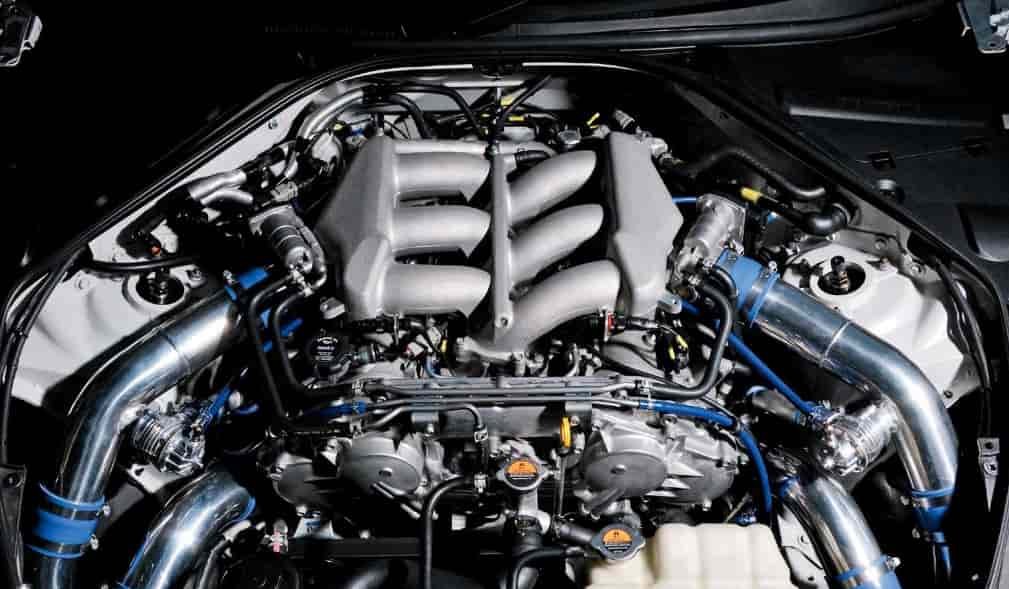
The GA16DE engine responds well to moderate boost when tuned correctly. Most turbo builds begin with a complete kit that includes a turbocharger, exhaust manifold, intercooler, charge piping, and oil feed and return lines. However, simply installing hardware does not guarantee reliable power. Boost pressure must remain within safe limits if the engine still runs stock internals. Conservative setups between 6 and 8 psi often provide the best balance between performance and durability. At this level, the engine can produce dramatic horsepower gains without overstressing pistons and connecting rods.
Turbo sizing plays a critical role in how the car performs. Smaller turbochargers spool faster and deliver strong low end torque, which improves daily drivability. Larger turbochargers generate higher peak horsepower but may introduce noticeable lag before full boost arrives. Choosing the right configuration depends on whether the goal is responsive street performance or maximum dyno numbers.
Supporting modifications determine long term reliability. Increased boost raises combustion temperature and cylinder pressure, so the fuel system must keep up with airflow demand. Larger injectors and a high flow fuel pump maintain stable air fuel ratios under load. A front mount intercooler lowers intake temperatures and reduces the risk of detonation. Upgraded cooling components such as an aluminum radiator further protect the engine during aggressive driving.
Some enthusiasts compare turbocharging the GA16DE with swapping to the SR20DET engine. While the SR20DET offers factory turbocharging and stronger internals, the swap requires significant mechanical work and higher initial investment. For many builders, enhancing the original engine provides a more accessible and rewarding path. With proper calibration and supporting upgrades, nissan v16 tuning with a turbo setup can push output beyond 180 horsepower, transforming the vehicle from a modest sedan into a genuinely exciting performance machine.
Suspension and Handling Upgrades for Better Control
As nissan v16 tuning increases engine output, chassis balance becomes more important than ever. More horsepower without proper suspension control often leads to wheel spin, unstable cornering, and reduced driver confidence. True performance does not come from power alone. It comes from how well the car transfers that power to the road.
One of the most effective upgrades is installing quality coilovers. Adjustable coilovers allow you to fine tune ride height and damping stiffness. Lowering the center of gravity reduces body roll and improves cornering stability. Stiffer suspension settings create sharper steering response, while softer adjustments maintain daily driving comfort. Choosing the right balance depends on how you use the vehicle.
For owners on a tighter budget, performance lowering springs paired with upgraded shock absorbers provide noticeable improvements over the factory setup. This combination enhances stability without requiring a full suspension overhaul. While not as adjustable as coilovers, it still transforms the overall driving feel.
Brake upgrades also play a critical role in handling performance. As speed increases, stopping power must increase accordingly. Larger brake discs, high performance pads, and stainless steel brake lines improve braking consistency and pedal feedback. Strong braking inspires confidence, especially in spirited driving situations.
Wheel and tire selection further influence handling characteristics. Wider tires increase grip and improve traction under acceleration. Lightweight wheels reduce unsprung mass, which enhances suspension responsiveness and steering precision. Proper alignment settings, including camber and toe adjustments, maximize tire contact with the road and support high speed stability.
Many enthusiasts focus entirely on engine modifications and overlook chassis tuning. However, balanced nissan v16 tuning ensures that suspension, brakes, and tires evolve alongside horsepower gains. When power and control work together, the driving experience becomes both faster and safer.
Nissan V16 Tuning Cost Breakdown and Budget Planning
Before starting any serious nissan v16 tuning project, you need a clear financial plan. Many owners underestimate total expenses and end up abandoning their build halfway through. Performance upgrades require not only parts, but also tuning, labor, and long term maintenance. Understanding the real cost helps you avoid frustration and costly mistakes.
A basic Stage 1 setup usually represents the most affordable entry point. Cold air intake, performance exhaust components, and ECU tuning can range between 800 and 1,500 dollars depending on brand selection and labor costs. This level delivers noticeable improvement in throttle response and sound without stressing the engine. For daily drivers, this stage offers the best balance between cost and benefit.
Stage 2 upgrades increase both performance and investment. Camshafts, fuel system upgrades, intake optimization, and professional dyno tuning can push total expenses toward 2,000 to 3,500 dollars. At this level, the car feels significantly stronger, but proper calibration becomes critical. Skipping tuning to save money often results in poor drivability or engine damage.
A full turbo build represents the highest financial commitment. A quality turbo kit, supporting fuel system upgrades, intercooler, cooling components, and custom ECU calibration can easily exceed 4,000 to 6,000 dollars. If forged internals are required for higher boost levels, costs rise further. While the power gains can be dramatic, reliability depends entirely on careful planning and expert execution.
Maintenance also increases as performance climbs. Higher output engines demand frequent oil changes, premium fuel, and closer monitoring of air fuel ratios and engine temperature. Responsible nissan v16 tuning considers long term ownership costs, not just initial modification expenses.
When you align your budget with realistic performance goals, the build process becomes more controlled and rewarding. Smart financial planning protects both your engine and your investment.
Common Nissan V16 Tuning Mistakes to Avoid
Many owners start nissan v16 tuning with excitement but overlook critical technical details. Small mistakes at the beginning often lead to expensive repairs later. Understanding common errors can protect both your engine and your budget.
One of the most frequent mistakes is ignoring proper ECU tuning. Installing intake systems, exhaust components, or even turbo kits without recalibrating fuel and ignition timing creates imbalance inside the engine. When the air fuel ratio becomes too lean, combustion temperatures rise quickly. This increases the risk of detonation and long term internal damage. Professional tuning ensures that every modification works in harmony.
Another common issue involves pushing stock internals beyond safe limits. The GA16DE engine is durable, but it was not designed for extreme boost pressures. Many enthusiasts chase higher numbers without upgrading pistons or connecting rods. Excessive boost creates stress that factory components cannot handle. Smart builds focus on reliability before chasing maximum horsepower.
Cooling system neglect also causes serious problems. Higher performance always generates more heat. Without an upgraded radiator or improved airflow management, engine temperatures can spike during aggressive driving. Overheating reduces performance and shortens engine life.
Fuel system shortcuts represent another costly error. Undersized injectors or weak fuel pumps fail to deliver consistent fuel under load. Inconsistent fuel delivery leads to unstable combustion and unpredictable engine behavior. Reliable nissan v16 tuning always upgrades supporting systems alongside power modifications.
Finally, many owners underestimate suspension and brake upgrades. Increasing horsepower without improving traction and stopping power creates an unsafe driving experience. Balanced tuning treats the car as a complete system rather than focusing only on the engine.
Avoiding these mistakes saves money, protects reliability, and ensures that performance gains remain consistent over time.
Final Verdict: Is Nissan V16 Tuning Worth It?
Nissan V16 tuning is more than just adding horsepower. It is about transforming a reliable and affordable sedan into a machine that reflects your personality and driving style. While the factory setup prioritizes durability and fuel economy, the platform offers impressive room for performance growth when approached strategically.
From simple bolt on upgrades to full turbo builds, each stage delivers measurable improvements. Basic airflow modifications enhance throttle response and daily drivability. Internal upgrades unlock stronger mid range and top end performance. A properly engineered turbo system can completely redefine acceleration and torque output. However, long term success depends on balance. Power must align with fuel delivery, cooling efficiency, suspension stability, and braking performance.
Many drivers hesitate because they fear high costs or reliability issues. The truth is that smart nissan v16 tuning focuses on structured planning rather than random upgrades. When you define clear goals and match them with a realistic budget, the process becomes both rewarding and sustainable.
If you are ready to upgrade your Nissan V16, start by choosing the stage that fits your driving needs and financial comfort zone. Build gradually, prioritize professional tuning, and focus on system balance. With the right approach, your Nissan V16 can deliver the maximum power and driving excitement you have always wanted.