
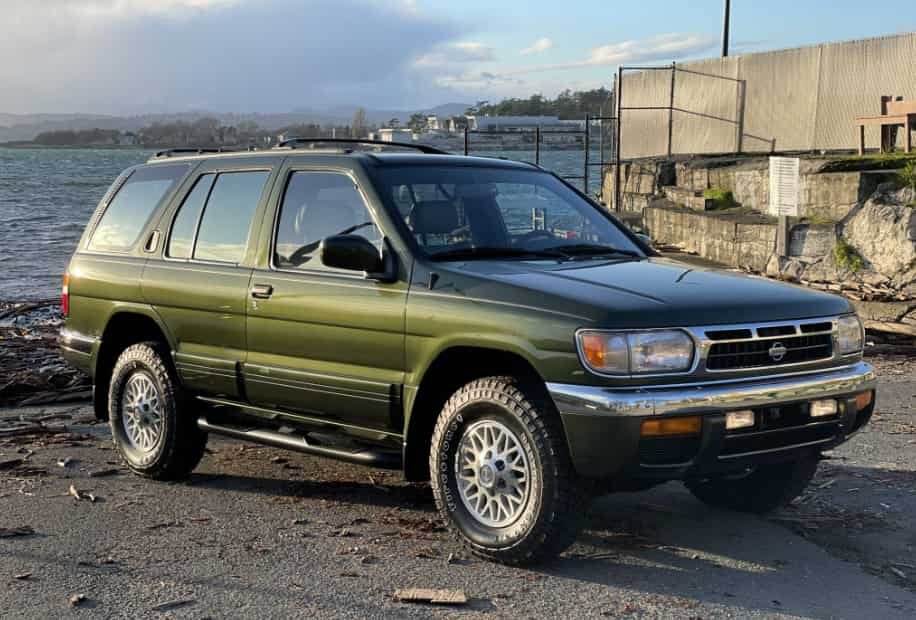
The 1998 Nissan Pathfinder is a second-generation R50 mid-size SUV from Nissan. It combines strong engine performance, practical design, and off-road capability. The model became popular among drivers who wanted a vehicle for daily use and outdoor activities.
The 1998 Nissan Pathfinder uses the VG33E 3.3-liter V6 engine. This engine provides dependable performance when owners maintain it correctly. Regular servicing, timing belt replacement, and rust inspection play important roles in long-term ownership.
Many buyers still search for the 1998 Nissan Pathfinder because they want a reliable older SUV. The vehicle offers a simple mechanical design, available four-wheel drive, and proven durability. However, age-related repairs can affect ownership costs and daily usability.
This guide explains the most important aspects of the 1998 Nissan Pathfinder. It covers specifications, engine performance, reliability, common problems, maintenance requirements, and buying considerations. The information helps readers decide whether this classic Nissan SUV remains a practical choice today.
What Is the 1998 Nissan Pathfinder?
The 1998 Nissan Pathfinder is a second-generation R50 mid-size SUV designed for drivers who needed both daily practicality and off-road capability. Nissan introduced the R50 generation in 1996 as a replacement for the previous WD21 Pathfinder. This generation changed the vehicle’s design direction by focusing more on comfort while keeping strong utility features.
The 1998 Nissan Pathfinder used a body-on-frame platform with a durable chassis structure. This design helped the SUV handle rough roads, towing tasks, and outdoor driving conditions. Unlike many modern crossover SUVs, the Pathfinder of this era prioritized mechanical strength and durability over fuel efficiency and lightweight construction.
The R50 Pathfinder positioned itself between compact SUVs and larger trucks. It offered enough interior space for families while maintaining the capability expected from a four-wheel-drive vehicle. The SUV became popular among owners who wanted one vehicle for commuting, road trips, and occasional off-road use.
The 1998 model year represented an important period for the Nissan Pathfinder because it combined traditional SUV characteristics with improved comfort features. The vehicle included a more refined cabin, improved suspension design, and better road manners compared with the previous generation. However, its long-term performance depended heavily on maintenance because most examples are now more than 25 years old.
Today, the 1998 Nissan Pathfinder attracts classic SUV enthusiasts and used vehicle buyers who value simple mechanical systems. Its reputation comes from its strong V6 engine, rugged construction, and practical design. Buyers should evaluate each vehicle individually because condition and maintenance history have a major impact on ownership experience.
What Engine Does the 1998 Nissan Pathfinder Have?
The 1998 Nissan Pathfinder uses the VG33E 3.3-liter V6 engine as its primary powertrain. Nissan developed this engine to provide reliable performance for mid-size SUVs that required both highway capability and off-road strength. The VG33E replaced the earlier 3.0-liter V6 engine used in previous Pathfinder models and provided improved displacement and torque.
The VG33E engine produces approximately 168 horsepower and 196 lb-ft of torque. The engine focuses more on low-end torque than high-speed performance. This characteristic helps the 1998 Nissan Pathfinder handle daily driving, climbing roads, carrying passengers, and towing moderate loads.
The engine uses a naturally aspirated design with a simple mechanical structure. This design reduces complexity compared with modern turbocharged engines. Many owners consider the VG33E reliable because it can achieve high mileage when they follow regular maintenance schedules. Important maintenance items include timing belt replacement, oil changes, cooling system service, and inspection of aging engine components.
The 1998 Nissan Pathfinder also offered different drivetrain configurations depending on the market and trim level. Many models came with rear-wheel drive, while four-wheel-drive versions provided additional traction for challenging conditions. The combination of the VG33E V6 engine and available 4WD system made the Pathfinder suitable for outdoor activities and light off-road driving.
Although the VG33E engine has a reputation for durability, age creates new ownership challenges. Rubber components, seals, hoses, and sensors may require replacement as vehicles approach higher mileage. A well-maintained 1998 Nissan Pathfinder can still deliver dependable performance, but buyers should always check service history before purchasing.
What Are the 1998 Nissan Pathfinder Specifications?
The 1998 Nissan Pathfinder specifications include a 3.3-liter V6 engine, available four-wheel drive, and a practical mid-size SUV layout. These specifications define the vehicle’s balance between everyday transportation, passenger comfort, and off-road capability. The Pathfinder was designed for drivers who needed more capability than a standard passenger vehicle but did not require a full-size truck-based SUV.
The 1998 Nissan Pathfinder uses the VG33E V6 engine with approximately 168 horsepower and 196 lb-ft of torque. Nissan paired this engine with either a four-speed automatic transmission or a five-speed manual transmission, depending on the trim level and market. The automatic transmission became the more common choice because it provided easier operation for daily driving.
The vehicle offers seating for up to five passengers and provides a practical cargo area for family trips, outdoor equipment, and daily transportation needs. Its body-on-frame construction improves durability, while the suspension system supports both highway comfort and uneven road conditions. The Pathfinder’s design gives it stronger utility compared with many modern crossover SUVs.
The 1998 Nissan Pathfinder also provides towing capability and off-road equipment through available four-wheel-drive configurations. The 4WD system improves traction on gravel roads, mud, snow, and challenging terrain. However, fuel economy remains one of its limitations because the vehicle uses an older V6 engine and heavier SUV construction.
Important specifications include:
| Specification | Detail |
|---|---|
| Model year | 1998 |
| Vehicle type | Mid-size SUV |
| Engine | 3.3-liter VG33E V6 |
| Horsepower | Approximately 168 hp |
| Torque | Approximately 196 lb-ft |
| Transmission | 4-speed automatic or 5-speed manual |
| Drivetrain | Rear-wheel drive or four-wheel drive |
| Seating capacity | Up to 5 passengers |
These specifications show why the 1998 Nissan Pathfinder remains attractive among classic SUV buyers. It does not compete with newer vehicles in fuel efficiency or technology, but its simple mechanical design and capable drivetrain continue to provide value for owners who prioritize durability.
Is the 1998 Nissan Pathfinder Reliable?
The 1998 Nissan Pathfinder is generally considered a reliable older SUV when owners maintain it properly. Its reputation comes from the durable VG33E V6 engine, strong chassis construction, and simple mechanical systems. Unlike many newer vehicles, the 1998 Pathfinder uses fewer complex electronic components, which can make repairs easier for experienced mechanics.
The main factor that determines reliability is maintenance history. A Pathfinder with regular oil changes, proper timing belt replacement, and consistent cooling system service can continue operating for many years. In contrast, neglected vehicles may develop expensive problems because aging components eventually require replacement.
The VG33E engine is one of the strongest parts of the 1998 Nissan Pathfinder. The naturally aspirated V6 design provides steady power and avoids the complexity of turbocharged systems. Many high-mileage examples remain functional because the engine can handle long-term use when owners follow recommended service schedules.
However, reliability depends on the condition of each individual vehicle. Most 1998 Nissan Pathfinders are now more than 25 years old, which means age-related problems become more important than original factory design. Components such as suspension parts, rubber seals, hoses, electrical connectors, and transmission components may require attention.
Buyers should inspect service records before purchasing a used 1998 Nissan Pathfinder. A vehicle with documented maintenance usually provides a better ownership experience than a lower-priced example with unknown history. Checking the timing belt condition, rust areas, drivetrain operation, and previous repairs helps identify potential ownership costs.
Overall, the 1998 Nissan Pathfinder remains a dependable choice for buyers who value durability, repair simplicity, and traditional SUV capability. Its reliability comes from proper care rather than age alone.
What Are the Common Problems With the 1998 Nissan Pathfinder?
The 1998 Nissan Pathfinder has several common problems related to age, maintenance requirements, and long-term vehicle wear. Most issues do not come from major design failures. They usually appear because many examples have accumulated high mileage and require regular maintenance to remain dependable.
One of the most important maintenance concerns is the timing belt system. The VG33E V6 engine uses a timing belt that requires scheduled replacement. A worn or failed timing belt can cause serious engine damage because it controls the synchronization between internal engine components. Buyers should confirm when the timing belt was last replaced before purchasing a used 1998 Nissan Pathfinder.
Transmission problems can also appear in older Pathfinder models. Common warning signs include delayed shifting, rough gear changes, slipping, or unusual noises during operation. Regular transmission fluid service helps reduce wear, but vehicles with poor maintenance history may require expensive repairs or transmission replacement.
Rust is another major concern for older 1998 Nissan Pathfinder models. Vehicles operated in areas with heavy road salt, moisture, or coastal conditions may develop corrosion on the frame, underbody, suspension components, and body panels. A detailed inspection underneath the vehicle is important because structural rust can significantly affect safety and repair costs.
The suspension system may also require attention because age affects components such as bushings, ball joints, shocks, and control arm parts. Worn suspension components can reduce ride comfort, create handling issues, and increase tire wear.
Electrical problems are less common but may occur as the vehicle ages. Owners may experience issues with sensors, switches, wiring connections, or aging interior components. These problems are usually manageable but can increase ownership costs over time.
A properly maintained 1998 Nissan Pathfinder can still provide reliable service. However, buyers should focus on vehicle condition rather than price alone. A complete inspection of the timing belt, transmission, rust condition, and maintenance records helps avoid unexpected repair expenses.
How Much Does It Cost to Maintain a 1998 Nissan Pathfinder?
The maintenance cost of a 1998 Nissan Pathfinder depends on the vehicle’s condition, mileage, repair history, and replacement parts required. As an older SUV, the Pathfinder usually has lower purchase costs than newer vehicles, but owners should expect regular maintenance to keep it reliable.
Routine maintenance includes engine oil changes, brake inspections, fluid replacement, tire service, and cooling system checks. These services are necessary for preventing larger mechanical problems. The VG33E V6 engine is relatively simple to maintain, but it still requires proper attention to important components such as the timing belt, water pump, and drive belts.
The largest maintenance expenses usually come from age-related repairs rather than normal servicing. Common costs include replacing suspension components, repairing transmission issues, fixing cooling system problems, and addressing rust damage. A vehicle with neglected maintenance may require several repairs shortly after purchase, while a well-maintained example may only need regular servicing.
Parts availability is one advantage of owning a 1998 Nissan Pathfinder. Nissan produced many Pathfinder models during this generation, which means replacement parts remain available through aftermarket suppliers, salvage yards, and automotive retailers. This availability helps reduce repair difficulty compared with less common older SUVs.
Owners should also consider fuel costs because the Pathfinder uses a 3.3-liter V6 engine with older SUV technology. Its fuel economy is lower than modern crossover vehicles that use smaller engines and lighter platforms. However, buyers who prioritize durability, towing capability, and off-road performance may accept higher fuel consumption.
A realistic ownership budget should include both routine service and unexpected repairs. Before buying a 1998 Nissan Pathfinder, a professional inspection can identify hidden problems and help estimate future maintenance expenses. The best examples are vehicles with detailed service records, limited rust, and consistent mechanical care.
Is the 1998 Nissan Pathfinder Good for Off-Road Driving?
The 1998 Nissan Pathfinder is a capable off-road SUV because it combines a durable chassis, available four-wheel drive, and strong low-end torque from the VG33E V6 engine. Nissan designed this generation Pathfinder to handle more demanding driving conditions than typical passenger vehicles. Its construction provides the strength needed for dirt roads, trails, and outdoor activities.
The four-wheel-drive system is one of the main features that supports the Pathfinder’s off-road performance. It improves traction on loose surfaces such as gravel, mud, and snow by distributing power to all four wheels when needed. This capability makes the 1998 Pathfinder suitable for drivers who regularly travel on uneven terrain or rural roads.
The SUV’s body-on-frame design also contributes to its durability during off-road use. This construction method separates the vehicle body from the chassis, allowing the frame to handle more stress from rough surfaces. The suspension system provides a balance between road comfort and off-road capability, although modern off-road vehicles offer more advanced suspension technology.
The VG33E V6 engine supports off-road driving through its torque delivery at lower engine speeds. Low-end torque helps the vehicle move through challenging terrain without requiring excessive acceleration. This characteristic benefits situations such as climbing steep trails, carrying additional equipment, or towing small loads.
However, the age of the 1998 Nissan Pathfinder creates some limitations for modern off-road use. Older suspension components, worn drivetrain parts, and rust damage can reduce performance and reliability. Owners who plan serious off-road driving should inspect and upgrade important components before demanding use.
Compared with many newer crossover SUVs, the 1998 Nissan Pathfinder offers a more traditional SUV experience. It provides mechanical simplicity, durability, and practical four-wheel-drive capability. For enthusiasts who value classic SUV design, the Pathfinder remains a strong option for recreational off-road driving.
How Does the 1998 Nissan Pathfinder Compare With Other SUVs?
The 1998 Nissan Pathfinder competes with classic SUVs such as the Toyota 4Runner, Jeep Cherokee XJ, and Mitsubishi Montero through its combination of durability, off-road ability, and practical ownership costs. Each model offers different advantages, but the Pathfinder stands out because it provides a balance between traditional SUV strength and everyday comfort.
Compared with the Toyota 4Runner, the 1998 Nissan Pathfinder offers similar body-on-frame construction and off-road capability. The 4Runner has a stronger reputation for long-term reliability and resale value, while the Pathfinder often provides a lower purchase price. Both vehicles appeal to buyers who want a durable SUV with four-wheel-drive capability and simple mechanical systems.
Compared with the Jeep Cherokee XJ, the Pathfinder provides a more refined driving experience and a larger V6 engine. The Cherokee XJ has strong aftermarket support and a lightweight design that benefits serious off-road modifications. However, the Pathfinder offers more interior comfort and a smoother experience for daily driving and longer trips.
Compared with the Mitsubishi Montero, the Pathfinder delivers similar SUV characteristics with a focus on reliability and practical ownership. The Montero provides impressive off-road engineering, but replacement parts and availability may vary depending on the market. The Pathfinder benefits from wider parts availability due to Nissan’s larger production volume.
The 1998 Nissan Pathfinder does not dominate every category, but it remains competitive among older SUVs. It provides a reliable engine, capable four-wheel-drive system, and practical design at an accessible price point. Buyers should choose based on their priorities, including reliability, modification potential, maintenance costs, and intended use.
For drivers seeking a classic SUV with balanced performance, the 1998 Nissan Pathfinder remains a strong alternative to other vehicles from the same era.
Should You Buy a 1998 Nissan Pathfinder Today?
The 1998 Nissan Pathfinder can still be a good purchase today for buyers who want a durable classic SUV with simple mechanical systems and practical off-road capability. However, the vehicle’s value depends heavily on its condition, maintenance history, and intended use. A well-maintained Pathfinder can provide reliable transportation, while a neglected example may require significant repairs.
The strongest reason to consider a 1998 Nissan Pathfinder is its mechanical simplicity. The VG33E V6 engine, body-on-frame construction, and available four-wheel-drive system create a durable platform for long-term ownership. These features make the Pathfinder suitable for drivers who prefer traditional SUVs over newer crossover vehicles.
Buyers should inspect several important areas before purchasing. The timing belt service history is one of the most important factors because replacement prevents major engine damage. The vehicle should also receive a complete inspection for rust, transmission performance, suspension condition, and cooling system operation. A lower purchase price does not always represent better value if the vehicle requires expensive repairs.
The 1998 Nissan Pathfinder is less suitable for buyers who prioritize modern features, excellent fuel economy, or advanced safety technology. The vehicle lacks many systems found in newer SUVs, including modern driver assistance features, improved efficiency, and updated interior technology.
For enthusiasts, outdoor drivers, and buyers seeking an affordable classic SUV, the 1998 Nissan Pathfinder remains an attractive option. Its durability, four-wheel-drive capability, and repair-friendly design continue to give it value more than two decades after production.
A careful inspection and realistic maintenance budget are essential before buying. When owners choose a clean example with proper service records, the 1998 Nissan Pathfinder can still deliver a practical and enjoyable ownership experience.
Conclusion
The 1998 Nissan Pathfinder remains a practical classic SUV for buyers who value durability, mechanical simplicity, and off-road capability. Its VG33E 3.3-liter V6 engine, body-on-frame construction, and available four-wheel-drive system create a strong foundation for long-term ownership.
The vehicle’s main strengths include reliable engine performance, a rugged design, and useful capability for daily driving and outdoor activities. However, age plays an important role in ownership costs. Problems such as timing belt maintenance, rust, suspension wear, and transmission issues can affect reliability if previous owners neglected regular servicing.
A good 1998 Nissan Pathfinder is not defined only by mileage or price. Maintenance records, overall condition, and previous repairs provide a better indication of future ownership experience. Buyers who inspect these areas carefully can find examples that still offer dependable transportation and classic SUV character.
Compared with newer crossover SUVs, the 1998 Pathfinder lacks modern technology, fuel efficiency, and advanced safety features. However, it provides a simpler ownership experience that appeals to drivers who prefer traditional SUV engineering.
For enthusiasts and used SUV buyers, the 1998 Nissan Pathfinder continues to represent a capable and affordable option. A well-maintained example can still deliver value through its durability, versatility, and proven design.