
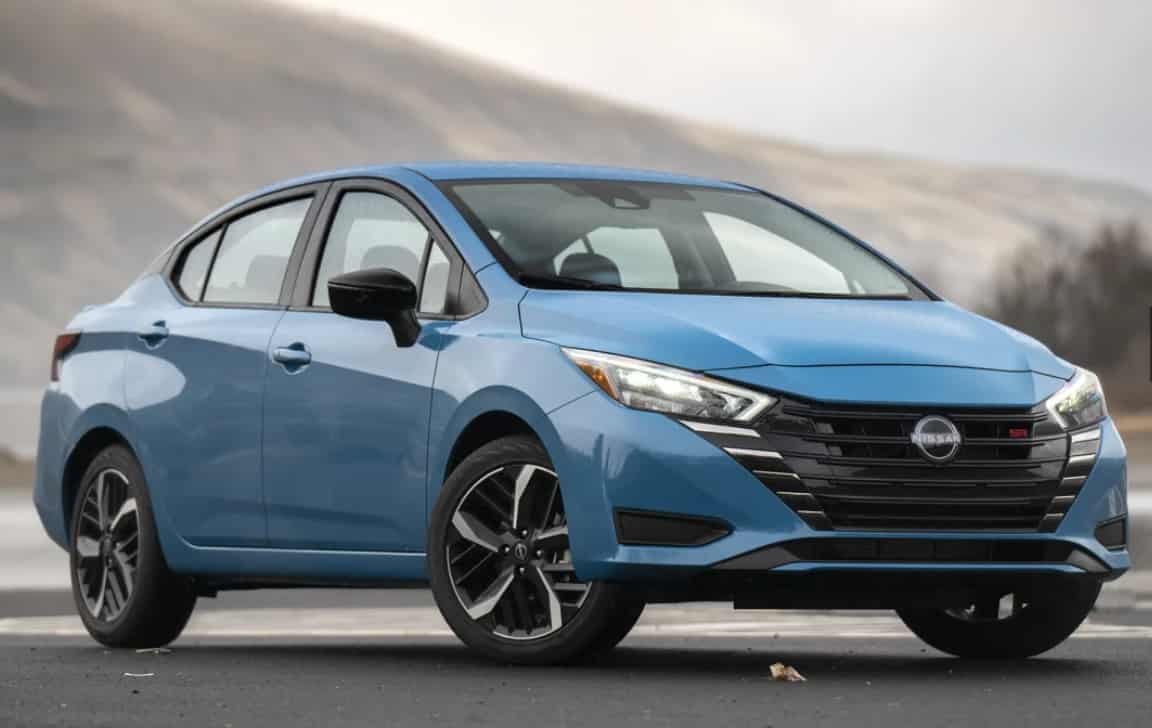
Fuel mileage plays a major role in the decision making process for anyone considering a small sedan today. Rising fuel prices and longer daily commutes push drivers to search for cars that truly deliver strong efficiency. Many shoppers look at the Nissan Versa because it has a reputation for excellent economy, but they still want to know whether its real world MPG supports that reputation. Drivers rarely experience the same results that laboratory test cycles promise, so people often search for information that reflects real situations on real roads.
To understand Nissan Versa fuel mileage clearly, we need to look beyond official numbers. Daily traffic, personal driving habits, temperature changes, and small mechanical details all shape how efficiently the Versa performs. Some owners regularly record impressive MPG during highway trips while others see lower results in heavy city traffic. These differences show how strongly context influences fuel economy.
This article explores the numbers reported by actual drivers, the conditions that raise or lower MPG, and the mechanical characteristics that guide the Versa’s efficiency. By the end, readers will understand how the Nissan Versa behaves in everyday environments and what they can do to achieve the best fuel mileage possible.
Nissan Versa Official MPG Ratings
The official MPG ratings of the Nissan Versa provide a clear starting point for anyone who wants to understand its fuel economy. The most recent model delivers EPA estimates that place it among the most efficient subcompact sedans in the market. The Versa typically reaches strong numbers in the city and even better results on the highway because its lightweight body and compact powertrain work together to reduce fuel demand during steady speeds. These ratings give shoppers a baseline so they can predict fuel costs and compare the Versa with other similar models.
The city rating reflects situations with constant braking and acceleration. The Versa’s small 1.6 liter engine responds quickly during low speed movements, which helps the car maintain reasonable consumption even when traffic becomes dense. Highway driving usually brings out the best in this engine because it stays at a stable RPM for long periods. Drivers who use the car mainly for long commutes often appreciate this stability and value the lower fuel expenses it creates. The combined rating sits between the two and offers a realistic estimate for anyone who mixes city and highway driving during a typical week.
Although the Versa shows strong efficiency on paper, these numbers still depend on real conditions. Temperature changes, driving style, and road textures can create noticeable differences from the official ratings. Even so, the EPA figures help shoppers evaluate the Versa fairly and understand how it performs in controlled testing environments. These ratings also make it easier to compare the Versa with models like the Toyota Yaris or Hyundai Accent, which compete directly with it in the subcompact category.
Real World Nissan Versa Fuel Mileage Results
Real world fuel mileage often reveals details that official testing cannot capture, and the Nissan Versa shows noticeable variation once it leaves controlled environments. Many drivers report impressive efficiency during long highway trips, especially when they maintain a steady speed and travel on open roads. Under these conditions, the Versa’s lightweight body and efficient 1.6 liter engine work together to deliver results that sometimes exceed the official ratings. Daily commuters who spend most of their time at moderate speeds often enjoy consistent fuel savings because the car does not struggle to keep momentum.
City traffic tells a different story. Stop and go driving forces the engine to accelerate repeatedly, and this pattern usually lowers MPG more than most owners expect. Drivers who travel through dense urban areas or short distance routes often see reduced numbers compared with their highway results. Even so, the Versa still performs well compared with many other subcompact sedans in similar environments because its engine responds quickly at low speeds and avoids unnecessary fuel burn.
Regional factors also influence real world results. Cold weather can thicken engine oil and increase warm up time, which leads to lower MPG during winter months. Mountain regions and hilly roads require more power to climb, and this additional load reduces efficiency as well. Drivers in warm and flat areas often achieve the best results because the engine reaches its optimal temperature quickly and stays there throughout the trip.
These real world patterns give shoppers a realistic view of what they can expect from the Nissan Versa. They also show how environment and daily habits shape fuel economy in ways that official testing cannot fully represent.
Driving Conditions That Impact Nissan Versa MPG
Driving conditions shape the Nissan Versa’s fuel mileage more than many drivers realize, and the differences between traffic patterns can dramatically change the results. Dense city traffic often creates the toughest environment for the Versa because constant braking and accelerating forces the engine to work harder than usual. Short trips where the engine never reaches full operating temperature also reduce efficiency, which affects drivers who travel only a few miles at a time. These conditions make the MPG drop even if the driver stays conscious of fuel saving habits.
Highway travel usually improves efficiency because the Versa can hold a steady speed for long periods. The engine settles into a smooth rhythm, and the transmission keeps the RPM level low enough to prevent unnecessary fuel use. Drivers who maintain a calm and consistent pace often record their highest MPG on these long stretches of road. However, high speeds above the optimal range can reduce mileage because wind resistance rises sharply as the vehicle moves faster, which forces the engine to burn more fuel to push against the airflow.
Weight and load also influence efficiency. Extra passengers, heavy luggage, or roof mounted carriers increase the strain on the engine, especially during uphill climbs. This added load changes the behavior of the car and reduces overall MPG. Weather plays a major role as well. Strong headwinds create resistance on open roads, intense heat forces the air conditioning to run harder, and cold temperatures extend warm up time, all of which change the car’s fuel consumption.
Each of these conditions interacts with the Versa in a unique way, and drivers who understand these factors can adjust their habits to maintain strong fuel economy across different environments.
Efficiency Factors Engine Transmission and Aerodynamics Explained
The Nissan Versa relies on a compact 1.6 liter engine that focuses on smooth operation and low fuel demand, and this design gives the car its strong reputation for efficiency. The engine uses a simple structure that keeps internal friction low, which helps it respond quickly without wasting energy. Drivers often notice that the engine feels light and easy to manage during low speed situations, and this behavior supports steady MPG in both city and suburban environments. When the car reaches highway speeds, the engine continues to operate efficiently because it does not need to work aggressively to maintain momentum.
The transmission also plays an important role. The continuously variable transmission controls engine speed with precision and reduces sudden RPM spikes that normally increase fuel consumption. It keeps power delivery smooth, which allows the engine to stay close to its optimal efficiency zone during everyday driving. Many drivers feel this characteristic during long commutes because the car maintains stable performance without forcing the engine to climb into higher power ranges unless necessary.
Aerodynamics completes the efficiency equation. The Versa uses a shape that reduces drag and guides air smoothly along the body, which improves stability and decreases the resistance the car encounters at higher speeds. This design helps the engine spend less energy pushing against airflow and supports better MPG on open highways. Drivers usually see the advantage of this design during long road trips where consistent airflow allows the car to glide with minimal effort.
Each of these components works together to shape the Versa’s overall efficiency. When the engine, transmission, and aerodynamics align, the car performs with a level of fuel economy that many drivers consider one of its strongest qualities.
Tips to Improve Nissan Versa Fuel Mileage
Drivers who want to improve fuel mileage on the Nissan Versa can achieve noticeable gains by adjusting a few daily habits. Smooth driving creates the strongest impact. Gentle acceleration and gradual braking help the engine stay within an efficient operating range and prevent sudden fuel spikes. When drivers avoid rapid throttle inputs, the car responds with calmer engine behavior and better overall MPG. This approach works well in both city and suburban settings where traffic often changes speed without warning.
Maintaining proper tire pressure also boosts efficiency. Underinflated tires create extra rolling resistance and force the engine to work harder. Drivers who check their tires regularly often notice that the car accelerates more easily and holds speed with less effort. Routine maintenance plays a similar role. Clean engine oil, fresh air filters, and well maintained spark plugs help the engine breathe and burn fuel effectively. Even small improvements in mechanical condition can raise fuel economy during daily use.
Weight management offers another advantage. Removing unnecessary items from the trunk or cabin helps the Versa move with less strain. Long trips become easier on the engine when the car carries only essential items. Drivers who travel frequently in hilly areas benefit even more from weight reduction because every extra pound requires additional power during climbs.
Cruise control can also support better MPG during steady highway travel. By keeping the speed stable and avoiding unnecessary fluctuations, the system allows the engine to stay within its most efficient RPM range. However, drivers should avoid using cruise control on steep or winding roads because the system may react slowly to changing terrain.
These simple adjustments help the Nissan Versa deliver stronger real world mileage and give drivers more value from every gallon of fuel.
Is Nissan Versa Fuel Mileage Good for Daily Commuting?
Daily commuting places consistent demands on any vehicle, and the Nissan Versa handles these routines with a level of fuel efficiency that appeals to many drivers. The car performs well in mixed driving environments where commuters move through a combination of slow city streets and clear suburban roads. Its compact engine responds quickly during low speed travel, and this predictable behavior helps drivers manage fuel use even when traffic becomes unpredictable. Many owners appreciate the Versa because it allows them to travel long distances each week without feeling the financial strain that larger engines often create.
Highway commuters benefit even more from the Versa’s efficiency. Once the car reaches a steady speed, the engine settles into a relaxed rhythm that supports excellent fuel economy. Drivers who maintain a consistent pace often report that the Versa delivers some of its best MPG during long morning and evening trips. This characteristic makes the car attractive for students, office workers, and anyone who spends more time on open roads than in stop and go conditions.
Fuel costs remain a major concern for many households, and the Versa’s economy helps reduce monthly expenses. When compared with cars like the Toyota Yaris or Hyundai Accent, the Versa often falls within a similar efficiency range, which keeps it competitive in the subcompact category. Drivers who prioritize low operating costs usually find that the Versa meets their expectations without sacrificing comfort or practicality.
However, commuters who frequently drive through steep hills or extremely congested urban areas may see lower MPG because these conditions place more strain on the engine. Even so, the Versa remains a strong choice for most daily routines because it balances affordability, reliability, and efficiency in a way that many small sedans cannot match.
Conclusion
Understanding Nissan Versa fuel mileage requires a realistic look at how the car behaves in everyday situations, and this perspective matters more than any single EPA number. The Versa performs well in balanced driving routines where commuters split their time between city streets and open highways. Its compact engine, efficient transmission, and streamlined shape work together to help the car deliver dependable MPG that fits the needs of budget conscious drivers. Real world results show variation, yet the overall pattern remains clear. Drivers who maintain steady speeds, follow consistent driving habits, and keep the car in good mechanical condition often achieve strong fuel economy with the Versa.
The factors that influence mileage also reveal how flexible the car can be. Weather changes, daily routes, and driving behavior all shape the numbers, but each of these variables gives drivers the opportunity to improve efficiency through small adjustments. This makes the Versa appealing for long term ownership because the car rewards careful and thoughtful driving.
For anyone searching for a practical commuter car, the Nissan Versa offers a blend of low operating costs and dependable performance that stands out in the subcompact segment. The question now becomes simple. How much MPG can you achieve with your daily routine, and what small habits can help you unlock even better fuel mileage from your Nissan Versa?