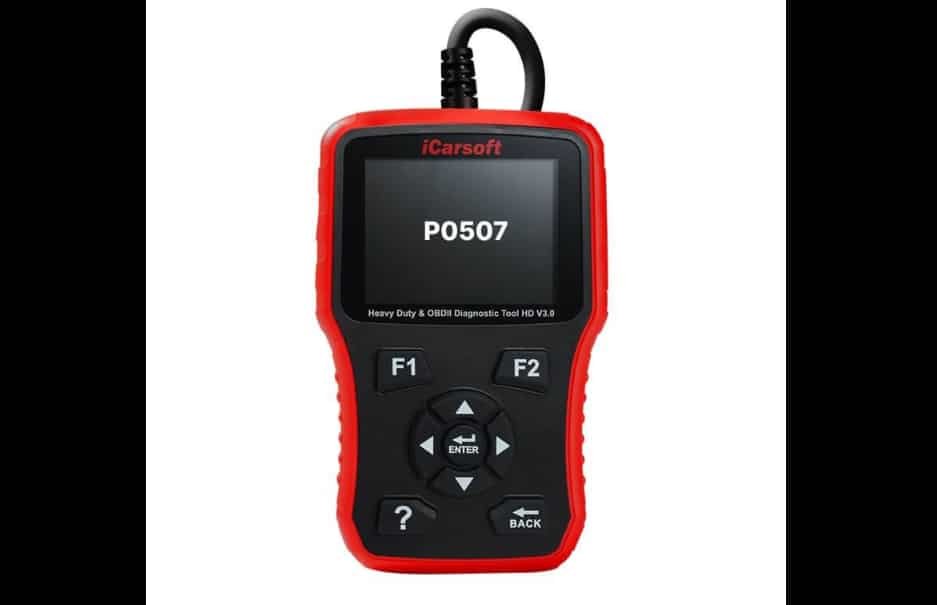
The Nissan P0507 code means the Engine Control Module (ECM) detects an idle speed that is higher than its target value. This code appears when the engine receives more air than the ECM expects at idle. In most cases, the problem starts in the intake or throttle control system. Drivers may notice a high idle speed, poor drivability or an illuminated Check Engine Light.
Several faults can trigger this code. An intake air leak often allows extra air to enter the engine. A dirty throttle body, a faulty PCV valve or inaccurate MAF sensor readings can also increase idle speed. In many Nissan models, the code appears after throttle body cleaning or battery disconnection because the ECM still uses old idle values. For this reason, replacing the throttle body should never be the first repair.
This guide explains the Nissan P0507 code from diagnosis to repair. You will learn what the code means, how serious it is and which symptoms usually appear. The article also covers the most common causes, the correct diagnostic process and the proper repair methods. Finally, you will discover how to perform Idle Air Volume Learning, reset the code correctly and reduce the chance of the fault returning.
What Does the Nissan P0507 Code Mean?
The Nissan P0507 code means the Engine Control Module (ECM) detects an idle speed that is higher than the programmed target. The ECM constantly compares the actual engine speed with the desired idle speed under specific operating conditions. When the engine continues to idle above the acceptable range for a certain period, the ECM stores the P0507 diagnostic trouble code and turns on the Check Engine Light.
To control idle speed, the ECM calculates how much air the engine needs while the vehicle remains stationary. It adjusts the electronic throttle body to maintain a stable idle regardless of engine load. The calculation changes continuously because coolant temperature, battery voltage, air conditioning demand and transmission position all influence idle speed. If extra air enters the engine without the ECM’s command, the engine speed increases and the control module recognizes the difference.
Unlike older vehicles that rely on a dedicated Idle Air Control valve, most modern Nissan models manage idle speed through the Electronic Throttle Control System. The throttle plate opens by a very small amount to regulate airflow at idle. This design improves fuel efficiency and emissions, but it also makes the system more sensitive to intake leaks, throttle body contamination and incorrect learned values. Even a small increase in airflow can raise engine speed enough to trigger the P0507 code.
The Nissan P0507 code does not always indicate a failed throttle body. In many cases, the engine idles too high because of a vacuum leak, a leaking PCV hose or an incomplete Idle Air Volume Learning procedure after maintenance. The code may also appear after throttle body cleaning because carbon deposits no longer restrict airflow. Before replacing any component, technicians should inspect the intake system, verify live data and confirm that the ECM has completed all required learning procedures. A systematic diagnosis prevents unnecessary repairs and helps identify the actual source of the high idle condition.
How Serious Is the Nissan P0507 Code?
The Nissan P0507 code is usually a moderate fault, but drivers should not ignore it. In many cases, the vehicle remains drivable because the engine continues to run normally. However, a high idle speed affects drivability and may lead to additional problems if the underlying cause remains unresolved. Repairing the issue early helps prevent unnecessary wear and avoids more expensive repairs later.
A higher than normal idle speed changes how the vehicle behaves in everyday driving. The engine may produce more power than expected while the transmission shifts into Drive or Reverse. As a result, the vehicle can move forward or backward more aggressively than usual. Many drivers also notice increased fuel consumption because the engine burns more fuel while idling. Although these symptoms may seem minor at first, they often become more noticeable as the fault develops.
The severity also depends on the reason behind the code. A simple vacuum leak or an incomplete Idle Air Volume Learning procedure usually requires a straightforward repair. On the other hand, a damaged throttle body, a major intake leak or an Electronic Throttle Control problem can create unstable engine speed and poor throttle response. If other diagnostic trouble codes appear with P0507, technicians should diagnose those faults together instead of treating each code separately.
You should stop driving the vehicle if the engine idle speed becomes extremely high, the RPM surges without warning or the engine stalls repeatedly. Limp mode, poor throttle response or multiple throttle control codes also require immediate attention. If the vehicle only has a stable high idle and drives normally, you can usually drive it a short distance to a repair facility. Even so, delaying the diagnosis increases the risk of poor fuel economy, rough operation and repeated Check Engine Light warnings.
What Are the Symptoms of the Nissan P0507 Code?
The Nissan P0507 code can produce several symptoms, although they do not always appear at the same time. The most common sign is an illuminated Check Engine Light. Many drivers also notice that the engine idles faster than normal after starting or when the vehicle stops at a traffic light. The severity of the symptoms depends on the amount of extra air entering the engine and how well the ECM can compensate for the condition.
A high idle speed is the symptom most closely linked to this code. The engine may remain above its normal idle range even after reaching operating temperature. In some cases, the RPM fluctuates instead of staying steady. Drivers may also feel a stronger than normal engagement when shifting into Drive or Reverse because the engine produces more torque at idle. As the condition worsens, fuel consumption often increases because the engine burns more fuel while idling.
Some vehicles develop additional drivability problems when the ECM reaches the limit of its idle correction. The engine may hesitate before returning to a stable idle or stall after the RPM suddenly drops. Rough idle can also appear if a vacuum leak, faulty PCV valve or throttle body problem affects the air and fuel mixture. Although these symptoms vary between Nissan models, they usually indicate that the idle control system cannot maintain the target engine speed.
The Nissan P0507 code can also appear without obvious drivability concerns. A small intake leak or an incomplete Idle Air Volume Learning procedure may only trigger the Check Engine Light while the engine continues to run normally. Even if the vehicle feels fine, the stored code should not be ignored. A complete diagnosis helps identify the root cause before the problem leads to unstable idle speed, poor fuel economy or additional engine performance issues.
What Causes the Nissan P0507 Code?
The Nissan P0507 code develops when the engine receives more air than the Engine Control Module expects at idle. The ECM adjusts the electronic throttle body to maintain a specific idle speed under changing operating conditions. When the actual engine speed remains higher than the target value, the control module stores the P0507 code. Finding the source of the extra airflow is the most important step because different faults can produce the same symptom.
An intake or vacuum leak is the most common cause of the Nissan P0507 code. Cracked intake ducts, loose hose clamps and damaged vacuum hoses allow unmetered air to enter the engine after the Mass Air Flow sensor. Since the ECM does not measure this additional airflow, the engine idles faster than expected. A leaking intake manifold gasket or a damaged throttle body gasket can create the same condition and produce similar symptoms.
Throttle body problems also trigger this code on many Nissan models. Carbon deposits around the throttle plate can affect airflow and change the learned idle position over time. After technicians clean the throttle body, the engine may idle too high because the ECM still uses the previous airflow values. A faulty PCV valve can create a similar problem by allowing excessive air into the intake system. Incorrect MAF sensor readings may also prevent the ECM from calculating the proper throttle opening for a stable idle.
Not every Nissan P0507 code points to a mechanical failure. The code often appears after battery disconnection, throttle body replacement or intake system repairs because the ECM requires a new Idle Air Volume Learning procedure. If this learning process does not complete successfully, the engine may continue to idle above specification even though every component works correctly. For this reason, technicians should inspect the intake system, review live data and perform all required learning procedures before replacing expensive parts.
Can a Vacuum Leak Cause Nissan P0507?
Yes, a vacuum leak is one of the most common causes of the Nissan P0507 code. The leak allows unmetered air to enter the engine after the Mass Air Flow (MAF) sensor. Because the ECM cannot measure this extra airflow, it supplies fuel based on incorrect data. As a result, the engine idles faster than the programmed target and the ECM eventually stores the P0507 code.
Several components can create a vacuum leak on Nissan vehicles. Cracked intake boots, loose hose clamps and damaged vacuum hoses are frequent sources of the problem. A worn PCV hose, a leaking throttle body gasket or a failed intake manifold gasket can also allow unwanted air into the intake system. In some cases, the EVAP purge valve sticks open and introduces additional air during idle. Although these faults differ in location, they all increase airflow without the ECM’s approval.
A vacuum leak often creates more than a high idle speed. Drivers may hear a hissing noise from the engine bay or notice unstable RPM while the engine warms up. Fuel trims usually become more positive because the ECM adds fuel to balance the lean air and fuel mixture. Larger leaks may also trigger related trouble codes such as P0171 or P0101. When these codes appear together, technicians should inspect the intake system before replacing sensors or the throttle body.
The most reliable way to confirm a vacuum leak is through a systematic inspection. Technicians should examine every intake hose, vacuum line and gasket for cracks or loose connections. A smoke test provides the fastest and most accurate method because the smoke escapes at the exact leak location. After repairing the leak, the technician should clear the stored code, verify the idle speed and perform Idle Air Volume Learning if the repair procedure requires it. This final step confirms that the ECM has restored normal idle control and prevents the P0507 code from returning.
Can Throttle Body Cleaning Cause the Nissan P0507 Code?
Yes, throttle body cleaning can trigger the Nissan P0507 code if the Engine Control Module (ECM) does not relearn the new airflow characteristics. Carbon deposits naturally build up around the throttle plate over time and restrict the amount of air entering the engine at idle. The ECM gradually adapts to this condition by adjusting the throttle opening. Once the deposits are removed, more air flows through the throttle body even though the ECM still applies the previous learned values. This difference can raise the idle speed enough to set the P0507 code.
The problem does not mean the throttle body cleaning was incorrect. In many cases, the throttle body works better after the service because airflow returns to its normal level. However, the ECM still expects the reduced airflow that existed before cleaning. Until the control module completes a successful Idle Air Volume Learning procedure, the engine may idle higher than normal or fluctuate during warm-up. Some Nissan models adapt automatically after several drive cycles, while others require a manual relearn procedure or a compatible scan tool.
Incorrect cleaning methods can also create new problems. Forcing the electronic throttle plate open by hand may damage the internal gears or position sensor. Spraying excessive cleaner into the throttle body can contaminate electrical components or leave residue inside the intake system. Reusing a damaged throttle body gasket or failing to reconnect the intake duct properly may also introduce an air leak that produces the same high idle condition. These mistakes often lead technicians to suspect the throttle body when the actual problem is an installation issue.
If the Nissan P0507 code appears after throttle body cleaning, the technician should follow a logical inspection process instead of replacing parts immediately. The intake system should be checked for air leaks, all electrical connectors should be secured and live data should confirm that the throttle body responds normally. After these inspections, the ECM should complete the required Idle Air Volume Learning procedure. A successful relearn usually restores the correct idle speed and prevents the P0507 code from returning if no other fault is present.
How Do You Diagnose the Nissan P0507 Code?
Diagnosing the Nissan P0507 code requires a structured process because several different faults can cause the engine to idle above its target speed. Replacing parts before identifying the root cause often wastes time and increases repair costs. A complete diagnosis should confirm why the ECM detects excessive idle speed instead of assuming the throttle body has failed. Following the correct sequence also helps prevent the code from returning after the repair.
The first step is to connect an OBD-II scan tool and record all stored and pending diagnostic trouble codes. Freeze frame data should also be saved because it shows the engine conditions when the ECM detected the fault. Next, review live data to compare the actual idle speed with the target idle speed. At the same time, check coolant temperature, battery voltage, throttle position, Mass Air Flow sensor readings and both short-term and long-term fuel trims. These values often reveal whether the engine receives extra air or whether another system influences idle control.
After reviewing the scan data, inspect the intake system for unmetered airflow. Carefully examine the intake duct, vacuum hoses, PCV hoses and all hose clamps for damage or loose connections. The throttle body gasket and intake manifold gasket should also be checked for leaks. If no obvious fault appears during the visual inspection, perform a smoke test to locate small leaks that cannot be seen with the naked eye. This method quickly identifies air leaks that frequently trigger the Nissan P0507 code.
Once the intake system passes inspection, evaluate the throttle body and the idle learning status. Check for carbon buildup, damaged electrical connectors or signs of improper installation after recent maintenance. If the throttle body operates correctly and no air leaks are present, perform the recommended Idle Air Volume Learning procedure for the specific Nissan model. Finally, clear the diagnostic code, allow the engine to reach operating temperature and verify that the idle speed remains within specification during a road test. If the code returns, diagnose any related trouble codes before replacing major components.
How Do You Fix the Nissan P0507 Code?
The correct way to fix the Nissan P0507 code depends on the fault that causes the engine to idle above its normal speed. Clearing the diagnostic code without repairing the underlying problem only provides a temporary result. The Engine Control Module (ECM) will detect the same condition again if excess air continues to enter the engine or the idle control system still operates outside its expected range. For this reason, every repair should begin with a complete diagnosis.
Many Nissan vehicles develop the P0507 code because of unmetered airflow entering the intake system. Repairing cracked intake boots, replacing damaged vacuum hoses and tightening loose hose clamps often restores the correct idle speed. A leaking PCV hose, worn throttle body gasket or failed intake manifold gasket should also be replaced if inspection confirms an air leak. After the repair, technicians should verify that the intake system is fully sealed before moving to the next step.
The throttle body should only be serviced when inspection confirms contamination or mechanical problems. Cleaning carbon deposits can improve idle quality, but the throttle plate should never be forced open by hand on electronic throttle systems. If the throttle body shows internal damage, actuator failure or incorrect position sensor readings, replacement may become necessary. Likewise, the Mass Air Flow sensor should only be cleaned or replaced after testing confirms inaccurate airflow readings. Replacing components without evidence rarely solves the problem and often increases repair costs.
The final step is to restore the ECM’s idle control strategy. Complete the required Idle Air Volume Learning procedure after throttle body service, battery disconnection or repairs that affect the intake system. Once the learning process finishes, clear the stored code with a scan tool and start the engine. Allow the engine to reach normal operating temperature before checking the idle speed. Finally, perform a road test and scan the vehicle again to confirm that the Nissan P0507 code does not return. A successful repair restores stable idle speed, normal drivability and consistent engine performance.
How Do You Perform Nissan Idle Air Volume Learning?
Idle Air Volume Learning allows the Engine Control Module (ECM) to relearn the amount of air the engine needs to maintain the correct idle speed. Nissan recommends this procedure after throttle body cleaning, throttle body replacement, battery disconnection or repairs that affect the intake system. Without a successful relearn, the ECM may continue using outdated idle values, causing the engine to idle too high and triggering the Nissan P0507 code even though the mechanical problem has already been repaired.
Before starting the procedure, make sure the engine is fully warmed up and the battery is in good condition. Turn off all electrical accessories, including the air conditioner, headlights and rear defroster, because additional electrical loads can change the target idle speed. The steering wheel should remain centered, the transmission should be in Park or Neutral and the accelerator pedal should stay fully released. These conditions allow the ECM to calculate an accurate idle value without interference from other vehicle systems.
The exact Idle Air Volume Learning procedure depends on the Nissan model, engine and model year. Some vehicles support a manual relearn sequence that follows a precise timing procedure with the ignition switch and accelerator pedal. Other models require a Nissan CONSULT scanner or a professional bidirectional scan tool to complete the process successfully. For this reason, technicians should always follow the factory service information instead of applying the same procedure to every Nissan vehicle.
After the relearn finishes, start the engine and allow it to idle without pressing the accelerator pedal. The idle speed should stabilize within the manufacturer’s specification once the ECM completes its calculations. If the engine continues to idle too high or the Nissan P0507 code returns, another fault is still present. In that situation, inspect the intake system again for vacuum leaks, verify the throttle body installation and confirm that no related diagnostic trouble codes remain active before repeating the learning procedure.
Why Does Nissan Idle Air Volume Learning Fail?
Nissan Idle Air Volume Learning fails when the Engine Control Module (ECM) cannot calculate a stable idle speed. Many technicians repeat the procedure several times without fixing the real problem. As a result, the learning process fails again. The Nissan P0507 code often remains active until the underlying fault is repaired.
Low battery voltage is one of the most common causes. The ECM needs a stable power supply to control the electronic throttle body accurately. Engine temperature also affects the learning process. If the engine is too cold or too hot, the ECM may cancel the procedure. Electrical loads such as the air conditioner or headlights can also interrupt the calculation and prevent the relearn from finishing.
Mechanical faults create similar symptoms. A vacuum leak allows extra air to enter the engine and changes the idle speed. A damaged PCV hose or intake manifold gasket can produce the same result. Carbon deposits inside the throttle body may also affect airflow. Loose electrical connectors or incorrect throttle body installation can prevent the ECM from learning a stable idle value. In some cases, the vehicle stores additional trouble codes that must be repaired first.
Always verify the required conditions before repeating the relearn procedure. Check that the battery is fully charged and the engine has reached normal operating temperature. Turn off all electrical accessories before starting the engine. Inspect the intake system for vacuum leaks and repair any damaged components. Then perform the correct Idle Air Volume Learning procedure for the specific Nissan model. If the procedure still fails, inspect the electronic throttle control system and related sensors before replacing major components.
How Do You Reset the Nissan P0507 Code?
You should reset the Nissan P0507 code only after repairing the root cause of the problem. Clearing the code without fixing the fault does not solve the high idle condition. In most cases, the Engine Control Module (ECM) detects the same issue again and stores the code after a short drive.
Begin by confirming that the engine no longer has intake leaks or throttle control problems. Use an OBD-II scan tool to check for stored and pending diagnostic trouble codes. Review the live data to verify that the idle speed matches the target value after the engine reaches normal operating temperature. If the readings remain stable, you can clear the code with the scan tool.
Many Nissan models also require an Idle Air Volume Learning procedure after the repair. This step allows the ECM to calculate the correct throttle opening for a stable idle speed. Skipping the relearn may cause the engine to idle too high even though every component works properly. Always follow the procedure recommended for the specific model and engine before completing the repair.
After clearing the code, restart the engine and let it idle for several minutes. Then complete a short road test under normal driving conditions. Scan the vehicle again to confirm that no pending or stored codes have returned. If the Nissan P0507 code appears again, continue the diagnosis because another fault is still affecting the idle control system.
How Much Does It Cost to Fix the Nissan P0507 Code?
The cost to fix the Nissan P0507 code depends on the actual cause of the high idle condition. A simple repair usually costs much less than replacing major components. For this reason, an accurate diagnosis should always come before any parts are replaced.
Minor repairs often involve damaged vacuum hoses, loose intake clamps or a faulty PCV valve. These problems usually require inexpensive parts and a short amount of labor. Throttle body cleaning also remains an affordable repair when carbon buildup is the only issue. However, the technician may still need to perform an Idle Air Volume Learning procedure after the service.
Repair costs increase when the problem affects larger components. Replacing the throttle body, repairing an intake manifold leak or reprogramming the Engine Control Module requires more time and specialized equipment. Labor rates also vary by region, repair shop and Nissan model. Vehicles with advanced electronic throttle systems may require additional diagnostic time before the repair begins.
The best way to reduce repair costs is to diagnose the problem correctly the first time. Replacing parts based on assumptions often increases the final repair bill without solving the fault. A complete inspection, accurate testing and the correct relearn procedure usually restore normal idle speed more efficiently. This approach also lowers the chance of the Nissan P0507 code returning after the repair.
What Are the Most Common Nissan P0507 Diagnostic Mistakes?
Many Nissan owners replace parts before confirming the actual cause of the P0507 code. This approach increases repair costs and often leaves the original problem unresolved. A systematic diagnosis always produces more reliable results than guessing which component has failed.
One common mistake is replacing the throttle body without checking for vacuum leaks. A cracked intake hose or damaged PCV hose can create the same symptoms at a much lower repair cost. Another mistake is cleaning the throttle body without performing Idle Air Volume Learning. The engine may continue to idle too high because the ECM still uses outdated airflow values.
Some technicians also ignore freeze frame data and live sensor readings. These values help identify when the fault occurred and how the engine behaved at that moment. Skipping this information makes the diagnosis more difficult and may lead to unnecessary repairs. Ignoring related trouble codes such as P0101 or P0171 can create the same problem because those codes often reveal the primary fault.
The best way to avoid these mistakes is to follow a logical diagnostic process. Inspect the intake system first and verify every repair before replacing expensive components. Complete the required learning procedure after servicing the throttle body or disconnecting the battery. Finally, perform a road test and scan the vehicle again to confirm that the Nissan P0507 code has been repaired successfully.
How Can You Prevent the Nissan P0507 Code From Returning?
You can reduce the risk of the Nissan P0507 code by following a regular maintenance schedule and repairing small problems before they become serious. The idle control system depends on accurate airflow and reliable sensor data. Even a minor air leak can cause the engine to idle above its target speed. Routine inspections help detect these issues before they trigger a diagnostic trouble code.
The intake system deserves special attention during every service. Inspect the intake duct, vacuum hoses and PCV hoses for cracks, loose clamps or signs of wear. Replace damaged components as soon as possible because they allow unmetered air to enter the engine. Keeping the throttle body clean also helps maintain smooth airflow and stable idle speed throughout the life of the vehicle.
Always follow the correct service procedure after working on the intake or throttle system. Complete the required Idle Air Volume Learning process after cleaning or replacing the throttle body. If the battery has been disconnected, verify whether your Nissan model also requires a relearn procedure. Skipping this step may cause the ECM to use incorrect idle values even when every component operates normally.
A complete inspection should always be the final step before returning the vehicle to service. Check for pending trouble codes and confirm that the idle speed remains within specification. Complete a short road test and monitor live data with a scan tool if necessary. This simple verification process helps confirm a successful repair and greatly reduces the chance of the Nissan P0507 code returning.
What Is the Correct Next Step After Finding Nissan P0507?
The Nissan P0507 code does not automatically mean the throttle body has failed. In many cases, the problem begins with a vacuum leak, a damaged PCV component or an incomplete Idle Air Volume Learning procedure. Identifying the real cause always produces a faster and more cost-effective repair than replacing parts without proper testing.
A successful diagnosis follows a logical sequence instead of relying on assumptions. Start by scanning the vehicle and reviewing freeze frame data. Next, inspect the intake system for air leaks and evaluate the throttle body, PCV system and Mass Air Flow sensor. Once you repair the confirmed fault, complete the required Idle Air Volume Learning procedure and verify that the idle speed has returned to normal.
The final step is to confirm that the repair solved the problem completely. Clear the stored code with a scan tool and allow the engine to reach normal operating temperature. Perform a road test and monitor live data to ensure the idle speed remains stable under different operating conditions. If the code does not return, the repair is complete and the ECM has accepted the new idle values.
Following the correct diagnostic process saves time, reduces unnecessary repair costs and improves long-term reliability. Whether you maintain your own Nissan or work as a professional technician, understanding how the P0507 code develops makes every repair more accurate. A careful inspection, the correct repair and a successful relearn procedure provide the best chance of preventing the Nissan P0507 code from returning.