Many car owners focus on engine oil quality and overlook the role of the oil filter. This mistake can slowly damage the engine without clear warning signs. The oil filter controls how clean the oil stays and how smoothly it flows through critical engine components. When the filter does not work correctly, even high quality oil cannot fully protect the engine.
For Nissan owners, oil filter selection requires extra attention. Each Nissan engine operates with specific oil pressure levels and filtration requirements. An oil filter that does not meet these specifications can reduce oil circulation, trap fewer contaminants, and increase internal friction. Over time, this leads to faster engine wear and higher maintenance costs.
The market makes this decision more difficult than it should be. Many oil filters look similar and claim wide compatibility. OEM options, aftermarket brands, different sizes, and internal valve designs often confuse buyers. When drivers choose an oil filter based only on price or convenience, they increase the risk of long term engine problems.
This buyer’s guide explains how to choose the correct oil filter for every Nissan model. You will learn which technical factors matter most, how to avoid common mistakes, and how to protect your engine with the right oil filter at every oil change.
Why Choosing the Right Oil Filter Matters for Nissan Engines
The oil filter protects your engine from constant exposure to harmful contaminants. As oil moves through the engine, it collects metal particles, carbon residue, and dirt. The oil filter traps these contaminants before they can damage internal components. When the filter fails to do this job effectively, engine wear increases with every mile.
Nissan engines rely on precise oil flow to maintain proper lubrication. The oil filter must allow enough oil to circulate while still filtering out impurities. A restrictive filter can limit oil flow, especially during cold starts. A poorly designed filter can allow dirty oil to pass through too easily. Both situations reduce engine protection.
Oil pressure control also depends on the oil filter. Many Nissan engines require a specific bypass valve setting inside the filter. This valve opens when oil becomes too thick or when the filter reaches capacity. If the bypass valve does not match engine requirements, the engine may receive unfiltered oil or suffer from oil starvation.
Over time, these problems can shorten engine life and increase repair costs. Fuel efficiency may drop as friction rises inside the engine. Choosing the correct oil filter helps your Nissan engine maintain stable oil pressure, consistent lubrication, and long term reliability. This choice directly affects how well your vehicle performs and how long it lasts.
Understanding Nissan Oil Filter Specifications
To choose the correct oil filter, you need to understand the specifications that define how the filter works with your engine. These specifications go beyond brand names or general compatibility claims. They determine whether the oil filter can deliver proper protection under real driving conditions.
The first factor is oil filter size. Size affects how much filtering material the oil filter contains and how much oil it can hold. A filter that is too small may clog faster and reduce oil flow. A filter that is too large may not seal correctly or fit the mounting surface as intended.
Thread size and thread pitch also matter. The oil filter must match the engine’s threaded mounting point exactly. Even a slight mismatch can cause improper sealing, oil leaks, or difficulty during installation. Proper thread engagement ensures the filter stays secure throughout the oil change interval.
The gasket design plays a critical role in preventing oil leaks. The gasket must sit flat against the engine surface and maintain a tight seal under pressure and heat. A poorly matched gasket can lead to slow leaks that reduce oil levels over time.
Internal components affect performance as well. The bypass valve controls oil flow when oil becomes thick or when the filter reaches capacity. The anti drain back valve prevents oil from draining out of the filter when the engine is off. Both features support consistent lubrication during startup and normal operation.
Understanding these specifications helps you select an oil filter that matches your engine’s design. This knowledge reduces guesswork and ensures the oil filter supports long term engine protection rather than working against it.
How to Choose the Correct Oil Filter for Your Nissan Model
Choosing the correct oil filter starts with identifying your specific vehicle details. Nissan produces many engines across different model years, and each engine may require a different oil filter. Always confirm your vehicle’s model, production year, and engine type before selecting a filter. This information ensures basic compatibility and reduces the risk of installation issues.
Engine design plays a major role in oil filter selection. Naturally aspirated engines and turbocharged engines often have different oil flow and pressure demands. Turbocharged Nissan engines, in particular, rely on stable oil supply during high temperatures and rapid speed changes. An oil filter that cannot maintain consistent flow under these conditions may compromise engine protection.
Driving conditions also influence which oil filter works best. Vehicles used for short trips, heavy traffic, or frequent cold starts place more stress on the oil filter. In these cases, a filter with strong filtration efficiency and a reliable anti drain back valve becomes more important. For high mileage Nissan vehicles, oil filters designed to handle increased contaminants can help maintain engine cleanliness.
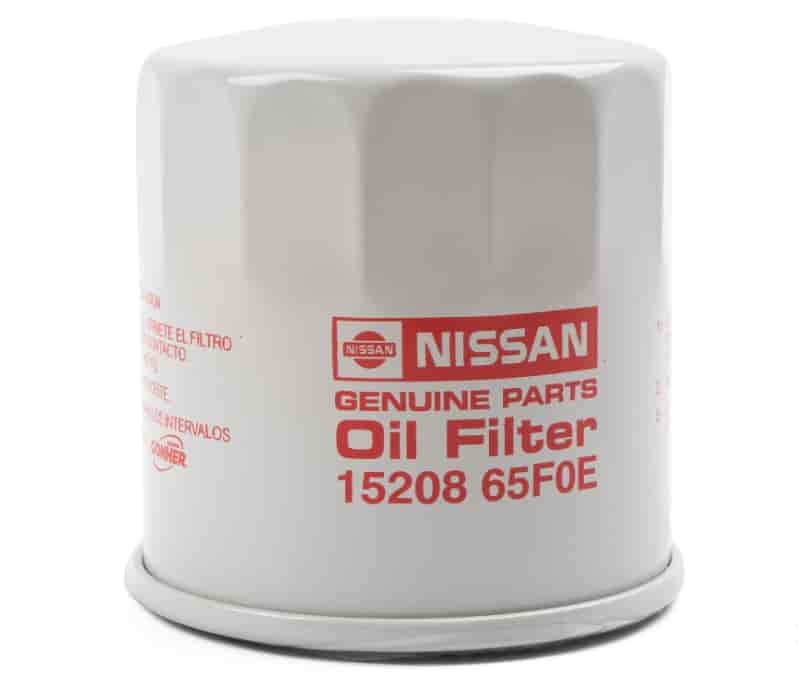
Part numbers provide the most reliable way to confirm fitment. Each oil filter part number corresponds to specific engine requirements. Avoid choosing a filter based only on size or visual similarity. Always cross check the part number with trusted sources to confirm compatibility with your Nissan model.
By matching engine type, driving conditions, and correct part numbers, you can select an oil filter that supports proper oil flow and filtration. This approach removes uncertainty and ensures your Nissan engine receives the protection it needs throughout every oil change interval.
OEM vs Aftermarket Nissan Oil Filters
When choosing an oil filter, many Nissan owners face the decision between OEM and aftermarket options. Each choice serves a different purpose, and the best option depends on how you use and maintain your vehicle.
OEM oil filters are designed to meet the exact specifications set by Nissan engineers. These filters match factory requirements for oil flow, filtration efficiency, and internal valve settings. OEM filters offer consistent performance and predictable results, which makes them a safe choice for owners who want to follow manufacturer guidelines closely. They also reduce uncertainty when it comes to fitment and oil pressure behavior.
Aftermarket oil filters offer a wider range of options. Some aftermarket brands focus on extended oil change intervals, higher filtration capacity, or improved internal materials. High quality aftermarket filters can perform as well as OEM filters when they meet or exceed original specifications. However, quality varies significantly between brands. Not all aftermarket filters provide the same level of filtration, sealing, or valve reliability.
Price often influences this decision. OEM filters usually cost more, while aftermarket filters offer lower priced alternatives. Choosing the cheapest option may save money upfront, but it can increase long term risk if the filter does not match engine requirements. A poorly designed filter can restrict oil flow or allow contaminants to circulate inside the engine.
The best approach is to evaluate oil filter specifications rather than brand labels alone. When an aftermarket oil filter matches OEM requirements and comes from a trusted manufacturer, it can serve as a reliable alternative. When quality or compatibility remains uncertain, OEM filters provide peace of mind and consistent engine protection.
Common Mistakes Nissan Owners Make When Choosing Oil Filters
Many Nissan owners make oil filter decisions based on convenience rather than compatibility. This approach often leads to problems that develop over time instead of immediate failure. Understanding these common mistakes helps prevent unnecessary engine damage and maintenance costs.
One frequent mistake is choosing an oil filter based only on price. Low cost filters often use less filtering material and weaker internal components. These filters may clog faster or allow contaminants to pass through more easily. Over time, this reduces engine protection and increases internal wear.
Another common issue involves trusting universal fit claims. Some oil filters advertise compatibility with many vehicles, but true compatibility requires precise specifications. A filter that fits physically may still fail to meet oil flow or pressure requirements. This mismatch can affect lubrication and engine performance.
Reusing old oil filters also causes problems. Some drivers replace engine oil but keep the old filter to save time or money. An old filter may already contain trapped contaminants and reduced capacity. Installing new oil with a used filter reduces the effectiveness of the oil change.
Improper installation creates additional risks. Over tightening the oil filter can damage the gasket, while under tightening can cause leaks. Failing to inspect the gasket before installation may lead to slow oil loss over time.
Avoiding these mistakes protects your Nissan engine from unnecessary stress. Careful oil filter selection and proper installation help maintain clean oil flow and long term engine reliability.
When Should You Replace Your Nissan Oil Filter?
Replacing the oil filter at the right time is just as important as choosing the correct one. The oil filter collects contaminants every time the engine runs. As these contaminants build up, the filter’s ability to clean oil gradually decreases.
Most Nissan vehicles require oil filter replacement at every oil change. Fresh engine oil cannot perform effectively when it passes through a clogged or partially saturated filter. Replacing both at the same time ensures clean oil circulation and consistent lubrication.
Driving conditions can shorten oil filter service life. Short trips, heavy traffic, frequent cold starts, and dusty environments increase the amount of contaminants entering the oil. Under these conditions, the oil filter reaches capacity faster and requires more frequent replacement.
High mileage Nissan engines also benefit from regular oil filter changes. Older engines tend to produce more internal particles due to normal wear. A new oil filter helps control these contaminants and supports stable oil pressure.
Some warning signs suggest oil filter issues. Reduced oil pressure, unusual engine noise during startup, or oil warning lights may indicate restricted oil flow. While these symptoms can have other causes, they highlight the importance of timely oil filter replacement.
Replacing the oil filter on schedule helps maintain engine cleanliness and lubrication. This practice supports long term engine health and reduces the risk of avoidable mechanical problems.
Pro Tips to Extend Engine Life with the Right Oil Filter
Selecting the right oil filter becomes more effective when it aligns with your overall maintenance habits. Oil type and oil filter should work together as a system. High quality synthetic oil often performs best with oil filters designed for extended service and stable flow under varying temperatures. Matching these components helps maintain consistent lubrication.
Engine break in periods also require attention. New or recently rebuilt Nissan engines produce more fine metal particles during early operation. Using a reliable oil filter during this stage helps capture contaminants and supports smooth engine seating.
Maintenance records play an important role in long term engine care. Tracking oil changes and oil filter replacements helps you maintain consistent service intervals. This habit also makes it easier to identify changes in oil condition or engine behavior over time.
Purchase oil filters from trusted sources. Counterfeit or poorly stored filters may look legitimate but fail to meet quality standards. Buying from reputable suppliers reduces the risk of defective parts and ensures proper engine protection.
When uncertainty arises, professional advice adds value. A qualified mechanic can confirm oil filter compatibility and recommend options based on driving habits and engine condition. This guidance helps prevent costly mistakes and supports long term reliability.
Conclusion
Choosing the right oil filter protects your engine at every stage of operation. The correct filter maintains clean oil flow, stable pressure, and effective lubrication. These factors work together to reduce wear and support consistent performance.
By understanding oil filter specifications, compatibility requirements, and replacement timing, you can make informed decisions for your vehicle. Avoiding common mistakes and following proven maintenance practices further improves engine durability.
Every oil change presents an opportunity to protect your engine. Selecting a quality oil filter that matches your Nissan model helps extend engine life and reduce long term repair costs. With the right approach, oil filter selection becomes a simple yet powerful step in maintaining reliable vehicle performance.