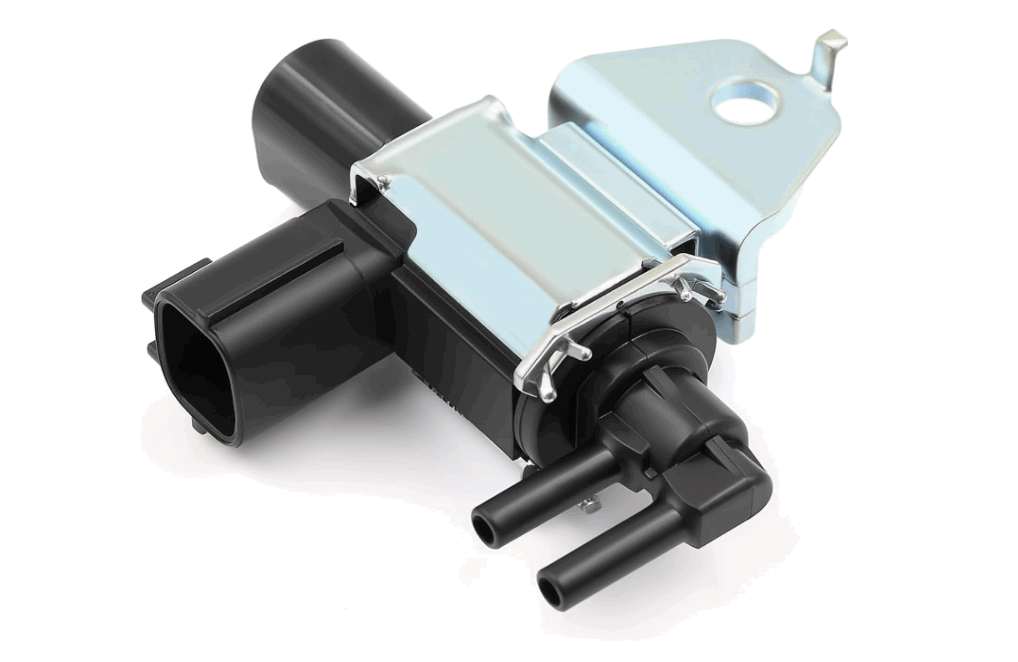
Nissan P1800 is a diagnostic trouble code for the Variable Induction Air System (VIAS) solenoid valve circuit. The code points to a problem in the circuit that controls the VIAS system. However, P1800 does not automatically mean that the solenoid has failed. A wiring fault or damaged electrical connector can also trigger the code.
A Nissan P1800 code can turn on the Check Engine Light. It can also affect engine performance when the VIAS system cannot operate correctly. The right repair starts with diagnosis. A technician should inspect the VIAS solenoid, wiring harness, electrical connector, and control circuit before replacing any component.
This guide explains what Nissan P1800 means and what causes it. It also covers the symptoms that drivers may notice. You will learn how to diagnose the VIAS circuit and identify the faulty component. The guide then explains the main repair steps and how to verify the repair. It also covers whether you can drive with P1800 and why Nissan requires a vehicle specific diagnosis.
What Does the Nissan P1800 Code Mean?
Nissan P1800 is a diagnostic trouble code that points to the Variable Induction Air System (VIAS) solenoid valve circuit. The VIAS system controls part of the engine intake system. The solenoid valve helps control this system through its electrical circuit. When the circuit develops a fault, the vehicle can store the P1800 code.
The P1800 code identifies a circuit problem, not a confirmed solenoid failure. The fault can involve the VIAS solenoid, wiring harness, electrical connector, or another part of the control circuit. This distinction matters because replacing the solenoid without checking the circuit can lead to an incorrect repair. A proper diagnosis should identify the specific component or connection that causes the code.
The VIAS system also connects P1800 with engine performance. When the system cannot operate correctly, the engine may not manage intake air as intended. The vehicle can then display a Check Engine Light and show changes in engine operation. However, the exact symptoms depend on the underlying fault and the vehicle configuration.
For this reason, drivers should treat P1800 as a starting point for diagnosis. An OBD II scan confirms the stored code, but the scan does not identify every possible cause. A technician should inspect the VIAS solenoid circuit, wiring, and electrical connections to determine why the Nissan stored P1800.
What Causes the Nissan P1800 Code?
Nissan P1800 can result from several faults in the VIAS solenoid valve circuit. The main causes include a faulty VIAS solenoid, damaged wiring, and problems with the electrical connector. Each fault affects the circuit differently, so diagnosis should identify the actual source before any component replacement.
A faulty VIAS solenoid can prevent the Variable Induction Air System from operating correctly. The solenoid forms part of the control system that manages the VIAS function. When the solenoid develops an electrical or operational fault, the vehicle can store the P1800 code. A technician should test the solenoid before deciding whether replacement is necessary.
Damaged wiring can also trigger P1800. The VIAS solenoid needs a functioning electrical circuit to receive and transmit the required signals. A damaged wire can interrupt that circuit or create an electrical fault. Visual inspection can reveal damaged insulation or other obvious wiring problems. Electrical testing can then help locate a circuit fault that visual inspection does not reveal.
The electrical connector provides another possible source of the problem. A loose, damaged, or corroded connection can prevent the VIAS solenoid circuit from working correctly. The technician should therefore inspect the connector together with the wiring and solenoid. This approach helps separate a component fault from a connection or circuit fault.
The key point is that P1800 identifies a problem associated with the VIAS solenoid valve circuit, but the code alone does not identify the failed component. A complete diagnosis should check the solenoid, wiring, connector, and related circuit before the repair begins.
What Symptoms Can Nissan P1800 Cause?
Nissan P1800 can trigger the Check Engine Light and may affect engine performance. The exact symptoms depend on the fault within the VIAS solenoid valve circuit. A problem with the solenoid can affect VIAS operation, while a wiring or connector fault can interrupt the electrical control needed by the system.
The Check Engine Light provides the clearest warning that the vehicle has stored a diagnostic trouble code. When P1800 appears, the light tells the driver that the engine control system has detected a problem that requires diagnosis. However, the warning light alone does not show which component caused the fault. The technician must inspect the VIAS circuit to identify the source.
Engine performance can also change when the VIAS system cannot operate correctly. The VIAS system forms part of the engine intake system, so a control problem can affect how the engine manages intake air. Drivers may notice changes in engine operation, but the available source material does not establish one specific performance symptom that occurs in every Nissan with P1800.
For that reason, drivers should not diagnose the failed component from symptoms alone. The same P1800 code can result from a faulty solenoid, damaged wiring, or a poor electrical connection. The most reliable approach is to use the symptoms as a starting point and then inspect the VIAS circuit to find the actual fault.
How Do You Diagnose Nissan P1800?
Diagnosing Nissan P1800 starts with confirming the stored diagnostic trouble code and then checking the VIAS solenoid valve circuit. The code alone cannot identify the failed component. A technician should inspect the solenoid, wiring, electrical connector, and related circuit before choosing a repair.
Start with an OBD II scan to confirm that the vehicle has stored P1800. Check for other diagnostic trouble codes at the same time because additional codes can provide useful information about the engine control system. Once the code is confirmed, inspect the VIAS solenoid and its electrical connector for visible damage or poor connections.
Next, inspect the wiring that connects to the VIAS solenoid. Look for damaged wiring, broken insulation, loose connections, or other visible circuit problems. A visual inspection can identify obvious faults, but it cannot confirm every electrical problem. The technician should use appropriate electrical testing to determine whether the circuit works correctly.
The final diagnostic step should identify the actual source of the fault. If the solenoid works correctly, the technician should investigate the wiring and connector. If the wiring and connector work correctly, the solenoid may require further testing. This process prevents unnecessary parts replacement and connects the repair directly to the diagnosed fault.
A correct Nissan P1800 diagnosis identifies the failed part of the VIAS circuit before the technician replaces a component. The supplied source supports checking the solenoid, wiring, and electrical connections, but it does not provide specific resistance values, voltage specifications, or a vehicle specific test procedure. Those details should come from the applicable Nissan service information rather than from unsupported assumptions.
How Do You Fix the Nissan P1800 Code?
Fixing Nissan P1800 starts with the fault identified during diagnosis. The code can involve the VIAS solenoid, wiring, electrical connector, or another part of the solenoid valve circuit. The repair should therefore target the confirmed fault instead of replacing the same component on every vehicle.
Replace the VIAS solenoid when testing shows that the solenoid has failed. The solenoid controls part of the Variable Induction Air System, so a defective unit can prevent the system from operating correctly. The technician should confirm the fault before replacement. This approach reduces unnecessary parts replacement and keeps the repair connected to the actual cause.
Repair damaged wiring when the diagnostic process identifies a wiring fault. The technician should restore the electrical connection and then inspect the circuit again. A damaged connector requires the same principle. The technician should correct the connection problem and confirm that the circuit now works as intended.
After completing the repair, clear the stored P1800 code and check whether it returns. The technician should also confirm that the vehicle operates correctly after the repair. If P1800 returns, the technician should continue the diagnostic process instead of replacing another component without evidence.
The correct Nissan P1800 repair depends on the failed part of the VIAS solenoid circuit. The available source supports solenoid, wiring, and connector related repairs, but it does not provide vehicle specific replacement procedures, electrical specifications, torque values, or labor instructions. Those details require the applicable Nissan service information.
Can You Drive a Nissan With the P1800 Code?
You should not ignore a Nissan P1800 code after the Check Engine Light appears. P1800 points to a problem in the VIAS solenoid valve circuit, so the vehicle needs diagnosis to identify the actual fault. The code itself does not show whether the problem comes from the solenoid, wiring, connector, or another part of the circuit.
The urgency depends on how the vehicle operates and whether other symptoms appear. A vehicle that runs normally may not show the same level of concern as one that develops noticeable engine performance problems. The available source does not establish a universal driving limit or state that every Nissan with P1800 remains safe to drive. For that reason, the article should avoid giving a fixed mileage or time recommendation.
A persistent Check Engine Light also provides a reason to investigate the problem rather than continuing to drive without diagnosis. The VIAS system forms part of the engine intake system, and a fault in its control circuit can affect system operation. Diagnosing the circuit early can help identify a wiring, connector, or solenoid problem before the owner replaces an unrelated component.
The safest approach is to diagnose Nissan P1800 before deciding how long to continue driving. If the vehicle shows significant changes in engine operation, the driver should seek professional diagnosis rather than rely on the code alone.
Which Nissan Vehicles Can Have the P1800 Code?
Nissan P1800 applies to Nissan vehicles that use the VIAS system associated with this diagnostic code. The available source also discusses Infiniti vehicles in connection with P1800. However, the source does not provide a complete list of Nissan and Infiniti models, model years, or engine configurations that can store the code. A reliable article should not create a model list without vehicle specific evidence.
The exact application matters because Nissan uses different engine configurations and control systems across its vehicle range. The VIAS solenoid valve circuit also depends on the engine and vehicle configuration. For this reason, a technician should identify the vehicle by its model, model year, engine, and applicable service information before following a detailed P1800 diagnostic procedure.
This distinction also matters during repairs. A general explanation can identify the VIAS solenoid circuit as the central system behind Nissan P1800, but it cannot replace vehicle specific specifications. Electrical testing procedures, component locations, wiring diagrams, and replacement instructions can vary between applications. The technician should therefore use the correct service information for the vehicle under inspection.
Nissan P1800 should be diagnosed against the specific vehicle and engine configuration rather than through a universal model list. The available source supports the connection between P1800 and the VIAS solenoid valve circuit, but it does not provide enough information to name every compatible Nissan or Infiniti model.
Is Nissan P1800 the Same as P1800 on Other Vehicles?
Nissan P1800 should not be treated as a universal definition for every vehicle manufacturer. Diagnostic trouble codes use standardized formats, but the specific system associated with a code can depend on the vehicle manufacturer. For this article, P1800 refers specifically to the Nissan interpretation associated with the Variable Induction Air System solenoid valve circuit.
This distinction matters when drivers search for P1800 online. A search result from another vehicle manufacturer may describe a different component, system, or diagnostic condition. Applying that information to a Nissan can lead to an incorrect diagnosis. The technician should therefore confirm the manufacturer and vehicle application before following any diagnostic procedure.
For a Nissan vehicle, the diagnostic process should focus on the VIAS solenoid valve circuit. The technician should inspect the solenoid, wiring, electrical connector, and related circuit according to the correct vehicle specific service information. This approach keeps the diagnosis connected to the actual Nissan system instead of relying on a generic P1800 definition.
Nissan P1800 refers to the VIAS solenoid valve circuit in the context covered by this guide. The available source does not provide a complete comparison of P1800 definitions across different manufacturers, so the article should not assign specific alternative meanings to other vehicle brands without additional verified sources.
What Should You Do If Your Nissan Has the P1800 Code?
If your Nissan stores the P1800 code, start by confirming the code with an OBD II scanner. Then inspect the VIAS solenoid valve circuit, including the solenoid, wiring, and electrical connector. These checks help identify the actual source of the fault before you replace any component.
The correct repair depends on the diagnosis. Replace the VIAS solenoid when testing confirms a solenoid fault. Repair damaged wiring when the circuit contains a wiring problem. Correct a damaged or poor electrical connection when the connector causes the fault. After the repair, clear the stored code and verify that P1800 does not return.
P1800 does not automatically mean that the VIAS solenoid has failed. The code identifies a problem associated with the VIAS solenoid valve circuit, so the diagnostic process must determine which part of that circuit has failed. Vehicle specific service information should guide detailed electrical tests and repair procedures because the available source does not provide universal specifications for every Nissan application.
For further troubleshooting, a related Nissan diagnostic trouble codes guide can help connect P1800 with other Nissan DTCs and diagnostic procedures.