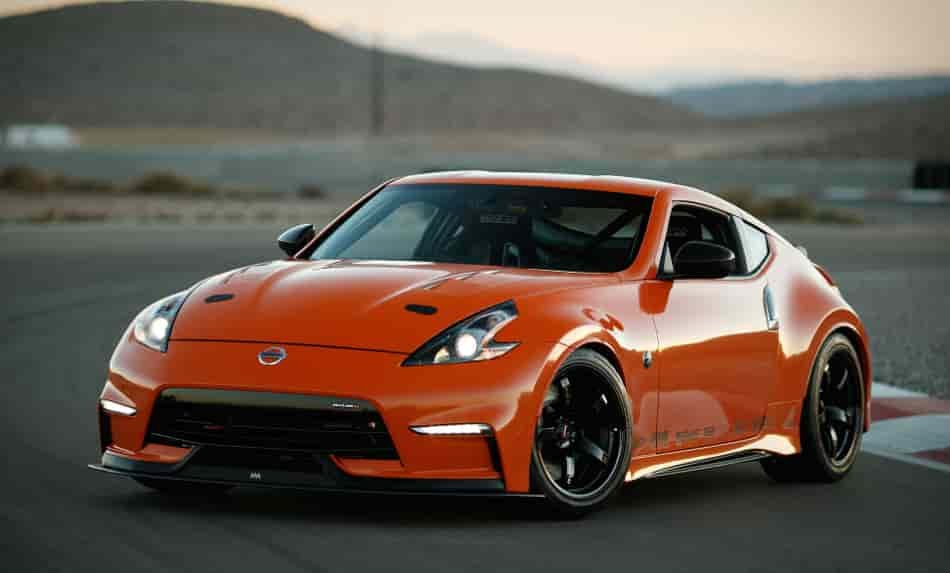
Buying a used sports car is exciting, but it also comes with risks. The Nissan 370Z is known for its performance and style, yet not every year is equally reliable. Some production years have recurring problems that can lead to costly repairs and frustration. Knowing which Nissan 370Z years to avoid can save you money and prevent unexpected headaches.
This guide examines the years with the most reported issues. It is based on owner feedback, expert reviews, and maintenance records. Whether you are a first-time buyer or an experienced enthusiast, understanding these years helps you make a safer decision.
Beyond listing problematic years, this guide explains common mechanical and electrical issues. You will learn how these problems affect ownership and long-term reliability. By the end, you will know which Nissan 370Z models combine performance, style, and dependability without recurring problems. Paying attention to these details can save thousands of dollars and hours of stress.
Nissan 370Z 2009 – 2010
The 2009 and 2010 Nissan 370Z models often present problems for used car buyers. Owners report rough shifting and occasional transmission failure, especially in automatic versions. Suspension components wear faster than expected, which makes the ride less comfortable and forces early repairs. While the engine remains strong, oil leaks and minor electrical issues appear on some cars, causing dashboard warning lights. These problems increase maintenance costs and reduce the overall ownership experience.
Despite these issues, these model years still offer impressive performance and a sharp exterior design. The car handles well, and enthusiasts enjoy its acceleration and cornering abilities. However, buyers who prioritize reliability may want to consider other years, as the transmission and suspension concerns create higher repair risks.
When evaluating a 2009 or 2010 370Z, check the full service history and confirm that previous repairs addressed common problems. Cars with careful maintenance may avoid some issues, but the risk remains higher than in other production years. Understanding these challenges helps buyers make informed decisions, avoid costly repairs, and enjoy a smoother ownership experience.
Nissan 370Z 2011 – 2012
The 2011 and 2012 Nissan 370Z models have been reported to experience recurring issues with oil leaks and electrical components. Many owners have noticed problems with wiring harnesses, sensors, and the dashboard electronics, which can trigger warning lights or malfunctioning systems. While these problems rarely make the car undrivable, they do affect reliability and can lead to expensive repairs if left unattended. Some vehicles also showed early signs of wear in suspension parts and brakes, which may reduce driving comfort and require maintenance sooner than expected.
On the positive side, these model years still deliver the sharp handling and performance that the 370Z is famous for. The V6 engine offers strong acceleration, and the car maintains its sporty, attractive appearance. Despite these advantages, the likelihood of encountering electrical or oil-related issues makes these years less desirable for buyers looking for a worry-free used sports car.
When considering a 2011 or 2012 370Z, it is crucial to check service records and ensure that previous owners addressed recurring issues. Vehicles that have undergone proper maintenance and repairs may perform well, but the risk of encountering the same problems remains higher than in later production years. Buyers should be prepared for potential additional expenses and consider these factors carefully before purchasing. Being aware of these common issues allows buyers to make a more informed decision and helps them avoid unexpected repair costs while enjoying the performance of a 370Z.
Nissan 370Z 2013 – 2014
The 2013 and 2014 Nissan 370Z models improved in design and performance, but some issues still appear. Owners often notice engine overheating, which can reduce performance and cause damage if ignored. Fuel consumption also runs higher than expected, surprising drivers who expect the V6 engine to be more efficient. Electrical problems, including sensor failures and dashboard glitches, occur occasionally but are less severe than in earlier models. Aggressive driving or rough roads can accelerate suspension wear.
Despite these challenges, these 370Z models deliver strong performance and engaging handling. The exterior design remains aggressive and stylish, making the car appealing to enthusiasts. However, buyers seeking a low-maintenance sports car should consider the potential for engine and operational issues.
Before purchasing a 2013 or 2014 370Z, review the maintenance history and confirm that cooling system or engine issues received proper repairs. Cars with complete service records often provide trouble-free ownership. Understanding these common problems helps buyers balance performance with repair risks and make confident decisions when shopping for a used Nissan 370Z.
Nissan 370Z 2015 – 2016
The 2015 and 2016 Nissan 370Z models generally offer improved reliability, but some problems still appear. Owners report occasional issues with sensors, ABS, and other electrical components. These issues can trigger warning lights or affect certain systems, reducing convenience and requiring repairs. While these problems rarely make the car undrivable, they can increase maintenance costs over time. Suspension wear may occur earlier than expected, especially for cars driven aggressively or on rough roads.
Despite these concerns, the 2015 and 2016 models retain the sporty handling and strong acceleration the 370Z is known for. The exterior design remains bold and stylish, appealing to enthusiasts who value aesthetics and performance. Buyers who prioritize reliability should carefully review service records and confirm that previous owners addressed any recurring problems. Well-maintained cars from these years can offer a more dependable ownership experience, but the risk of minor electrical or suspension issues still exists.
Understanding the potential challenges of the 2015 and 2016 Nissan 370Z helps buyers make informed decisions. Checking maintenance history, inspecting the vehicle thoroughly, and budgeting for possible repairs can prevent unexpected costs. These steps allow buyers to enjoy the performance and excitement of a 370Z while minimizing risks associated with common problems in these production years.
Nissan 370Z 2017 – 2020
The 2017 to 2020 Nissan 370Z models show improved reliability compared to earlier years, but some minor issues remain. Owners occasionally report problems with the engine and transmission, although these are less frequent than in previous models. Electrical issues, such as sensor malfunctions or dashboard warnings, appear in some vehicles but rarely affect drivability. Suspension components may still experience wear over time, especially on cars driven aggressively or in harsh road conditions.
These model years retain the 370Z’s signature sporty performance and sharp handling. Acceleration and cornering remain engaging, and the exterior design continues to attract enthusiasts. Buyers who prioritize a reliable used sports car should carefully inspect service records and ensure previous maintenance addressed any potential issues. Vehicles with consistent care and documented repairs often provide trouble-free ownership.
Being aware of the minor risks in 2017 to 2020 models helps buyers make informed choices. A thorough inspection, review of maintenance history, and budget for possible repairs can reduce unexpected costs. These steps allow buyers to enjoy the performance, style, and excitement of a Nissan 370Z while minimizing the chance of encountering the recurring problems that affected older model years. Understanding which Nissan 370Z years to avoid ensures a smoother, more enjoyable ownership experience.
Conclusion
Understanding which Nissan 370Z years to avoid can save buyers significant time and money. The 2009 and 2010 models often face transmission and suspension problems. The 2011 and 2012 cars may have electrical issues and oil leaks. The 2013 and 2014 models show occasional engine overheating and higher fuel consumption. The 2015 and 2016 vehicles have minor electrical and suspension concerns, while the 2017 to 2020 models, though generally more reliable, may still present small engine or sensor issues.
By reviewing service histories, inspecting potential purchases carefully, and budgeting for possible repairs, buyers can enjoy the performance and style of a Nissan 370Z without being surprised by recurring problems. Selecting the right year allows owners to focus on driving excitement rather than maintenance headaches. Understanding these common issues helps buyers make confident, informed decisions when navigating the used 370Z market.
If you are serious about purchasing a used Nissan 370Z, pay attention to these details. Choosing wisely ensures a smoother ownership experience, combining the car’s legendary performance with the peace of mind that comes from avoiding the years with the most reported problems. This knowledge transforms a risky purchase into an enjoyable investment in style, power, and driving satisfaction.