
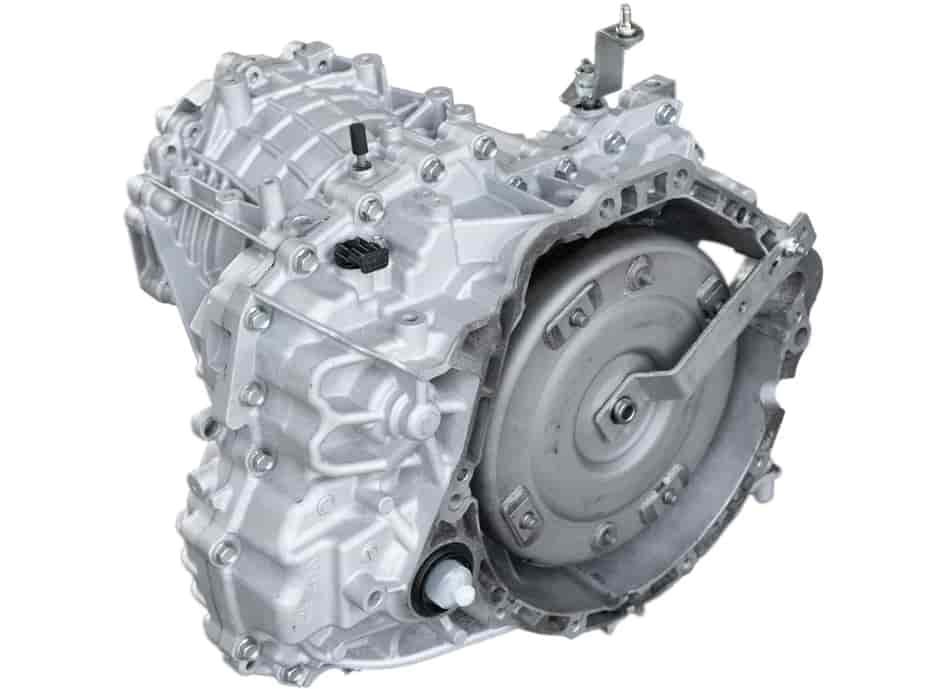
Choosing the best CVT fluid for Nissan vehicles plays a critical role in long term transmission reliability. CVT failure often results in repair costs that reach several thousand dollars. However, many owners still underestimate the importance of transmission fluid selection. As a result, some rely on the idea of lifetime fluid, while others choose the wrong specification or trust low cost aftermarket products without understanding the risks.
Unlike traditional automatic gearboxes, a CVT transmission operates under constant pressure and heat. It depends on precise hydraulic control, stable friction characteristics, and consistent temperature management. Therefore, even small changes in fluid quality can affect performance and durability. For Nissan vehicles, the correct CVT fluid directly supports smooth acceleration, heat dissipation, and belt protection.
In many cases, confusion starts with Nissan specific CVT fluids such as NS 2 and NS 3. Some drivers struggle to identify which fluid their vehicle requires. Others believe they can mix both types safely. In contrast, many assume any universal CVT fluid will deliver acceptable results. These assumptions often lead to shuddering, overheating, and premature CVT wear.
For this reason, this complete buyer’s guide focuses on clarity and practical decision making. It explains the real differences between OEM and aftermarket CVT fluids in simple terms. Additionally, it breaks down NS 2 versus NS 3 based on compatibility, performance, and vehicle generation. Most importantly, it helps you choose the best CVT fluid for your Nissan according to model, mileage, and driving conditions. With the right decision today, you can protect your CVT and avoid costly transmission problems in the future.
Understanding Nissan CVT Transmissions
To choose the best CVT fluid for a Nissan, you first need to understand how Nissan CVT transmissions actually work. Many drivers treat CVT systems like traditional automatic transmissions. However, this assumption leads to poor maintenance decisions and early wear.
Instead of fixed gears, a CVT uses a steel belt and variable pulleys to deliver seamless acceleration. This design allows the engine to stay within its optimal power range. As a result, fuel efficiency improves and gear shifts feel smoother. At the same time, this structure places constant stress on internal components. Heat, friction, and hydraulic pressure remain present at all times.
For this reason, Nissan CVT transmissions demand extremely precise fluid characteristics. The fluid must lubricate moving parts while also controlling friction between the belt and pulleys. In addition, it must transfer hydraulic pressure accurately and remove excess heat. If the fluid fails in any of these roles, performance drops quickly.
Another critical factor involves operating temperature. Nissan CVTs often run hotter than conventional automatics, especially in stop and go traffic or hot climates. Therefore, fluid stability becomes essential. When CVT fluid degrades, viscosity changes and friction behavior becomes inconsistent. Over time, this leads to shuddering, delayed acceleration, and internal damage.
Because of these characteristics, Nissan CVTs show little tolerance for incorrect or low quality fluids. Unlike older transmissions that could survive minor fluid variations, CVTs respond immediately to formulation differences. Consequently, selecting the correct CVT fluid is not optional. It directly affects drivability, reliability, and overall transmission lifespan.
Nissan OEM CVT Fluid Explained
Understanding Nissan OEM CVT fluid is essential before comparing it with aftermarket alternatives. Nissan designs its CVT fluids specifically to match the mechanical and thermal behavior of its transmissions. Therefore, OEM fluid serves as the baseline standard for compatibility and safety.
What Is Nissan NS 2 CVT Fluid
Nissan NS 2 CVT fluid was developed for earlier generation CVT transmissions. It appears mostly in Nissan models produced before the mid 2010s. This fluid provides controlled friction characteristics that protect the steel belt and pulleys under moderate operating temperatures.
At the time of its release, NS 2 met the needs of Nissan CVTs effectively. However, as CVT technology evolved, operating temperatures increased and efficiency demands changed. As a result, NS 2 no longer suits newer CVT designs. Using NS 2 in a transmission that requires a newer specification can cause excessive heat and unstable pressure control.
What Is Nissan NS 3 CVT Fluid
Nissan introduced NS 3 CVT fluid to support newer CVT generations. Compared to NS 2, NS 3 offers improved thermal stability and more advanced friction modifiers. These improvements help the transmission operate smoothly under higher temperatures and heavier loads.
Most modern Nissan vehicles with CVT transmissions require NS 3 fluid. This includes many models designed for urban driving, frequent acceleration, and extended highway use. In these conditions, fluid breakdown occurs faster. NS 3 resists oxidation and viscosity loss more effectively, which helps preserve CVT performance over time.
Can You Mix NS 2 and NS 3 CVT Fluids
Many owners ask whether they can mix NS 2 and NS 3 to save money or use leftover fluid. Nissan does not recommend mixing these fluids. Each formulation targets a specific CVT design and operating range.
When mixed, friction behavior becomes unpredictable. Hydraulic pressure may fluctuate and belt grip can weaken. Over time, this increases the risk of shuddering, overheating, and internal wear. For this reason, Nissan specifies one correct fluid type for each transmission.
For any Nissan CVT, using the correct OEM fluid remains the safest option. It ensures proper lubrication, accurate pressure control, and consistent performance throughout the transmission’s service life.
NS 2 vs NS 3 Key Differences That Matter
Understanding the difference between NS 2 and NS 3 is critical when choosing the best CVT fluid for a Nissan. Although both fluids carry the Nissan label, they serve very different purposes. Treating them as interchangeable often leads to serious transmission issues.
The first major difference lies in viscosity and friction behavior. NS 2 was formulated for earlier CVT designs that operated at lower temperatures and lower internal pressure. In contrast, NS 3 was engineered for newer CVTs that generate more heat and demand tighter friction control. Because of this, NS 3 maintains stability under conditions where NS 2 begins to break down.
Another key difference involves heat resistance. Modern CVT systems run hotter due to efficiency targets and driving patterns such as heavy traffic and frequent acceleration. Therefore, NS 3 includes advanced additives that resist oxidation and thermal degradation. NS 2 lacks this level of protection. When exposed to higher temperatures, it loses viscosity faster and struggles to maintain consistent pressure.
Vehicle compatibility also separates these two fluids. Nissan assigns NS 2 to older CVT generations and NS 3 to newer designs. This distinction matters because each transmission was calibrated around a specific fluid profile. Using NS 2 in a CVT that requires NS 3 can cause belt slip and delayed response. Using NS 3 in an NS 2 system may lead to harsh engagement and abnormal wear.
For Nissan vehicles, fluid selection is not based on preference or availability. It is based on engineering requirements. Nissan does not approve cross usage because even small deviations in friction and pressure control can shorten CVT lifespan.
In practical terms, NS 3 represents an evolution rather than a universal upgrade. It does not replace NS 2 across all applications. Instead, each fluid matches a specific CVT generation. Choosing the correct one protects internal components, preserves smooth operation, and prevents costly transmission failure over time.
OEM vs Aftermarket CVT Fluid for Nissan
After understanding NS 2 and NS 3, the next question becomes whether OEM or aftermarket CVT fluid makes more sense. Many Nissan owners face this decision when routine maintenance becomes costly. The answer depends on risk tolerance, vehicle condition, and usage patterns.
OEM CVT fluid is engineered to match exact transmission requirements. It delivers predictable friction behavior, stable viscosity, and consistent pressure control. For newer vehicles or those still under warranty, OEM fluid offers the highest level of safety. It minimizes uncertainty and reduces the chance of compatibility issues. For Nissan CVTs, this level of precision matters because even small deviations can affect performance.
However, OEM fluid also comes with drawbacks. It often costs significantly more than aftermarket alternatives. Availability can also be limited in certain regions. As vehicles age and warranties expire, many owners begin to question whether OEM fluid remains the best value.
In contrast, high quality aftermarket CVT fluids can offer a practical alternative when chosen carefully. Reputable brands design CVT specific fluids that meet NS 2 or NS 3 performance requirements. These fluids often perform well in vehicles with higher mileage or in situations where cost efficiency becomes a priority. When properly matched to the correct specification, aftermarket fluid can deliver acceptable protection and smooth operation.
That said, not all aftermarket fluids are equal. Universal CVT fluids often rely on broad compatibility claims rather than precise formulation. While marketing may suggest wide application, real world performance can fall short. Inconsistent friction control and weaker heat resistance increase the risk of shuddering and premature wear.
Therefore, the decision between OEM and aftermarket fluid should never focus on price alone. OEM fluid offers maximum certainty and long term protection. Aftermarket fluid can work when it meets the correct specification and comes from a trusted manufacturer. The key lies in matching the fluid to the transmission, not simply choosing the cheapest option.
Best Aftermarket CVT Fluids Compatible with Nissan
Choosing an aftermarket CVT fluid for a Nissan requires more than reading the label. Compatibility depends on friction behavior, heat resistance, and proven performance in Nissan CVT systems. When selected correctly, aftermarket fluid can offer reliable protection without the higher cost of OEM options.
One of the most trusted aftermarket choices comes from Idemitsu. This brand supplies transmission fluids for many Japanese automakers. Its CVT fluid closely matches Nissan OEM specifications, especially for NS 3 applications. As a result, it delivers stable pressure control and smooth acceleration, even under high temperature conditions.
Another popular option is produced by Valvoline. Valvoline CVT fluid is widely available and formulated specifically for belt driven CVT systems. When used in Nissan vehicles that allow aftermarket alternatives, it provides consistent friction characteristics and good thermal stability. Many owners choose it for higher mileage vehicles where cost efficiency matters.
Castrol also offers a CVT specific fluid designed to meet the demands of modern CVT transmissions. Its formulation focuses on oxidation resistance and long term viscosity stability. This makes it suitable for drivers who experience heavy traffic or hot climate conditions. However, strict adherence to compatibility guidelines remains essential.
In addition, fluids from Amsoil appeal to owners seeking premium synthetic formulations. These fluids emphasize heat resistance and extended service intervals. While they cost more than typical aftermarket options, they can perform well when matched correctly to NS 2 or NS 3 requirements.
Despite these options, caution remains necessary. Fluids marketed as universal often lack precise friction tuning. Even when labels list Nissan compatibility, real world results may vary. Therefore, checking manufacturer approval statements and user experience becomes critical.
In summary, the best aftermarket CVT fluid for a Nissan is one that clearly meets the required specification, comes from a reputable brand, and matches the vehicle’s generation and usage. When these factors align, aftermarket fluid can offer a balanced combination of protection, performance, and value.
Best CVT Fluid for Nissan by Model and Driving Conditions
Selecting the best CVT fluid for a Nissan becomes much easier when you factor in vehicle model and real world driving conditions. Although many Nissan vehicles share CVT technology, fluid requirements can vary based on transmission generation, weight, and usage patterns.
For popular sedans such as the Altima and Sentra, newer model years typically require NS 3 CVT fluid. These vehicles often experience frequent stop and go traffic, especially in urban environments. Therefore, fluid stability and heat resistance play a major role. NS 3 or a fully compatible aftermarket alternative helps maintain smooth acceleration and prevents shuddering during low speed operation.
Compact and midsize crossovers like the Rogue place additional stress on the CVT due to higher vehicle weight. In these cases, heat buildup becomes more significant. For this reason, Nissan recommends strict adherence to NS 3 specifications for most newer Rogue models. Drivers who frequently carry passengers or cargo benefit from fluids with strong thermal resistance and stable viscosity.
Larger vehicles such as the Pathfinder and Murano introduce another layer of complexity. Earlier generations may still rely on NS 2, while later models transition fully to NS 3. These vehicles often operate under higher load, especially during highway driving or light towing. As a result, choosing the correct fluid becomes critical for belt protection and pressure consistency.
Driving conditions also influence fluid selection. Vehicles driven in hot climates face higher average operating temperatures. In these environments, fluid oxidation accelerates and viscosity loss occurs sooner. Therefore, high quality NS 3 compliant fluids perform better than older formulations. Similarly, high mileage vehicles may benefit from premium aftermarket fluids that offer improved cleaning properties and thermal stability.
Ultimately, the best CVT fluid for a Nissan depends on three factors. These include model year, transmission specification, and driving conditions. Matching all three ensures optimal performance and reduces the risk of premature CVT wear. Ignoring any one of them often leads to avoidable transmission problems over time.
CVT Fluid Change Interval for Nissan
Knowing when to change CVT fluid is just as important as choosing the correct type. Many owners delay service because they believe CVT fluid lasts for the life of the vehicle. However, real world driving conditions rarely match ideal assumptions.
Nissan often lists extended service intervals for CVT fluid under normal driving conditions. In practice, factors such as traffic congestion, hot climates, short trips, and aggressive acceleration accelerate fluid degradation. Therefore, relying solely on the longest interval can increase the risk of CVT damage.
In most real world scenarios, a CVT fluid change every 30,000 to 60,000 miles offers better protection. Vehicles driven in city traffic or high temperature environments benefit from the shorter end of this range. Frequent heat cycles cause oxidation and reduce viscosity, which affects pressure control and belt grip.
Several warning signs indicate that CVT fluid service is overdue. These include shuddering during acceleration, delayed response when starting from a stop, whining noises, and higher than normal operating temperatures. When these symptoms appear, fluid condition has often already declined.
Fluid condition matters more than mileage alone. Over time, CVT fluid loses its friction stability and heat resistance. Contaminants from normal wear also accumulate. As a result, even fluid that looks clean may no longer perform correctly. Regular service helps restore proper lubrication and pressure behavior.
For high mileage vehicles, timely fluid changes become even more critical. Aging CVT components rely heavily on fluid quality to maintain smooth operation. In these cases, extending intervals often leads to accelerated wear rather than savings.
In summary, proactive CVT fluid service protects transmission performance and extends lifespan. Changing fluid before problems appear costs far less than repairing a failing CVT. Consistent maintenance remains one of the most effective ways to avoid expensive transmission issues.
Final Buyer’s Guide and Conclusion
Choosing the best CVT fluid for a Nissan is not about brand loyalty or price alone. It is about matching the fluid to the transmission’s design, operating conditions, and long term reliability needs. CVT systems depend on precise friction control, stable pressure, and effective heat management. When fluid selection misses any of these requirements, problems appear sooner rather than later.
The first step always starts with specification. Knowing whether your vehicle requires NS 2 or NS 3 eliminates most risks immediately. These fluids are not interchangeable, and treating them as such often leads to shuddering, overheating, or internal wear. Once the correct specification is confirmed, the choice between OEM and aftermarket becomes clearer.
OEM CVT fluid offers the highest level of certainty. It matches factory calibration and minimizes compatibility concerns. For newer vehicles or those still under warranty, OEM fluid remains the safest option. However, high quality aftermarket CVT fluids can serve as a practical alternative when they clearly meet NS 2 or NS 3 requirements and come from reputable manufacturers.
Driving conditions also play a major role. City traffic, hot climates, heavy loads, and high mileage all increase thermal stress on CVT fluid. In these situations, fluid quality and change intervals matter more than marketing claims about extended service life. Proactive maintenance consistently costs less than reactive repairs.
For Nissan owners, CVT reliability depends on informed decisions rather than assumptions. Using the correct fluid, changing it at realistic intervals, and avoiding universal products designed for convenience can significantly extend transmission lifespan.
In the end, CVT fluid is not an area where shortcuts pay off. The right choice protects performance, preserves smooth driving, and prevents costly transmission failure. A small decision made correctly today often determines whether a CVT lasts for years or fails far too early.