
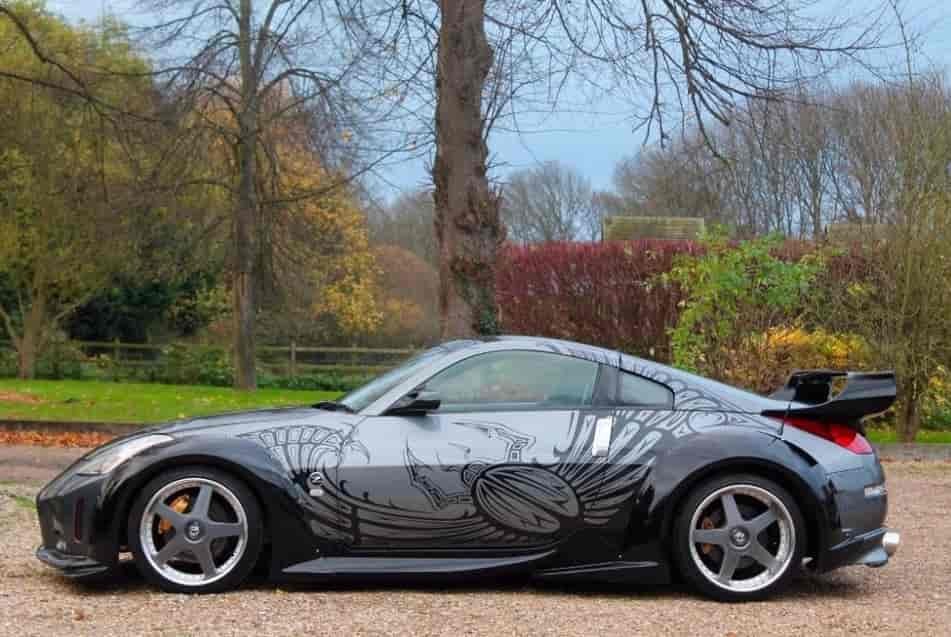
Yes, the Nissan 350Z is widely considered a sports car. It was designed around the same principles that define many modern sports cars: rear-wheel drive, a powerful engine, a driver-focused cabin, and performance-oriented handling. Nissan built the car as part of its historic Z lineup rather than as a practical coupe or commuter vehicle. From launch, the goal was to deliver an affordable performance machine that enthusiasts could enjoy on public roads and racetracks.
The confusion comes from the fact that sports car definitions changed over time. Earlier sports cars emphasized lightweight construction and minimal comfort features. Modern sports cars often combine performance with everyday usability. The Nissan 350Z arrived during a period where manufacturers started blending speed, comfort, and technology into one package. Because of that shift, some enthusiasts classify it differently.
The debate becomes more complicated when comparing the 350Z with lighter cars. Models such as the Mazda MX-5 Miata focus heavily on agility and simplicity, while the Nissan 350Z delivers larger engine output and greater straight-line performance. This article explains why Nissan built the 350Z, which sports car characteristics it possesses, and why arguments about its classification continue today.
Is the Nissan 350Z officially considered a sports car?
Yes, Nissan officially positioned the 350Z as a sports car rather than a standard coupe. When the model launched in 2002, it revived Nissan’s Z-car heritage after the discontinuation of the 300ZX. The company designed the vehicle specifically to re-enter the affordable sports car market and reconnect with driving enthusiasts.
The Z lineup had already established a long sports car identity before the 350Z appeared. Earlier generations followed a recognizable formula that prioritized performance over utility. Nissan repeatedly used rear-wheel-drive architecture, responsive engines, and enthusiast-focused engineering. The Nissan 370Z continued this philosophy later, showing consistency across generations.
Automotive media and manufacturers generally classify sports cars according to purpose rather than body shape alone. Two-door design by itself does not create a sports car. The engineering objective matters more. Vehicles designed primarily around driving engagement, chassis dynamics, and performance characteristics are commonly categorized as sports cars, and the Nissan 350Z matches those priorities.
What characteristics make a car a sports car?
There are four primary characteristics that define a sports car: performance engineering, rear-wheel-drive behavior, balanced handling, and strong driver involvement. Sports cars prioritize driving experience ahead of passenger capacity, cargo space, or luxury features.
Rear-wheel drive remains one of the strongest indicators because it separates steering and power delivery functions. Front wheels manage direction while rear wheels transfer power to the road. This setup improves handling precision and allows drivers to experience more predictable weight transfer during aggressive driving. Performance cars including the Toyota GR86 continue using this configuration because of those advantages.
Chassis balance and responsiveness matter as much as horsepower. Fast acceleration alone does not automatically create a sports car. Heavy vehicles with powerful engines may achieve impressive straight-line speed but still lack driving engagement. Sports cars combine acceleration, cornering stability, steering feedback, and vehicle balance into a complete driving experience.
Which Sports Car Features Does the Nissan 350Z Have?
The Nissan 350Z includes nearly every major characteristic expected from a modern sports car. The car uses a front-engine rear-wheel-drive layout built on Nissan’s FM platform, an architecture developed specifically for performance applications. Unlike vehicles adapted from family sedans, the 350Z platform prioritized handling and structural rigidity from the beginning.
Engine performance also supports its classification. Most Nissan 350Z models use a 3.5-liter VQ-series V6 engine producing between 287 and more than 300 horsepower depending on trim level and production year. During the early 2000s, these numbers placed the car among serious performance vehicles rather than entry-level sporty coupes.
Driver engagement strengthened the 350Z’s reputation among enthusiasts. Buyers could select a six-speed manual transmission alongside balanced weight distribution and aggressive suspension tuning. These features created predictable handling and strong cornering behavior. As a result, the Nissan 350Z became popular not only among street drivers but also within track-day, autocross, and drifting communities.
Why Do Some Drivers Argue the Nissan 350Z Is Not a True Sports Car?
There are three primary reasons some enthusiasts argue that the Nissan 350Z is not a pure sports car: weight, comfort, and vehicle philosophy. The disagreement rarely comes from horsepower figures or acceleration numbers. The debate usually starts with different interpretations of what a sports car should prioritize. Some enthusiasts believe a true sports car should focus almost entirely on lightweight engineering and direct driver connection.
Vehicle weight creates the largest criticism. The Nissan 350Z weighs approximately 3,200 to 3,500 pounds depending on model year and trim level. Lightweight sports cars such as the Mazda MX-5 Miata can weigh hundreds of pounds less. Lower mass improves agility, steering response, braking feel, and cornering balance. Drivers who strongly value lightweight dynamics often classify heavier vehicles as performance coupes rather than dedicated sports cars.
Comfort also affects perception. Traditional sports cars often sacrifice refinement to maximize responsiveness. The Nissan 350Z includes a larger V6 engine, a more substantial cabin, and greater highway comfort than minimalist alternatives. This combination places the car in a middle ground where some drivers see sports car traits while others see grand touring influences.
How Does the Nissan 350Z Compare With Other Sports Cars?
The Nissan 350Z offers stronger engine performance than many entry-level sports cars, but it achieves performance through a different formula. Instead of maximizing low weight and simplicity, Nissan created a balance between power, usability, and handling. This approach produced a broader driving experience rather than an extremely focused one.
Compared with the Toyota GR86, the Nissan 350Z delivers significantly more horsepower and torque. The GR86 emphasizes momentum driving, lightweight behavior, and sharp steering feedback. The 350Z focuses more heavily on acceleration and engine character. Drivers who enjoy naturally aspirated power and stronger straight-line performance often prefer the Nissan platform.
Comparison with the Nissan 370Z shows gradual evolution rather than complete redesign. The 370Z retained the same rear-wheel-drive philosophy but introduced improvements such as a shorter wheelbase, increased rigidity, and additional power. Despite those updates, many enthusiasts continue favoring the 350Z because of its simpler driving feel and lower cost in the used market.
Why Did the Nissan 350Z Become a JDM Icon?
The Nissan 350Z became a JDM icon because it combined performance, affordability, and modification potential in one platform. Successful enthusiast vehicles typically share several characteristics: accessible pricing, aftermarket support, and flexibility for different driving styles. The Nissan 350Z satisfied all of those conditions during the early 2000s.
The vehicle became especially popular within modification communities because of its adaptable design. Owners frequently install suspension systems, turbo kits, exhaust upgrades, wheel packages, and drift-specific components. The VQ platform developed a large aftermarket ecosystem, allowing owners to build track cars, drift cars, or street-focused performance projects from the same base vehicle.
Media exposure accelerated the car’s popularity even further. The Nissan 350Z appeared repeatedly in racing games, drifting competitions, online communities, and automotive films during the 2000s. Repetition created familiarity, and familiarity eventually transformed the vehicle into one of the most recognizable Japanese enthusiast platforms of its generation.
Is the Nissan 350Z a Good Sports Car for Beginners?
The Nissan 350Z can be a good beginner sports car, but it depends heavily on driving experience and ownership expectations. The car offers strong performance, rear-wheel-drive dynamics, and a large enthusiast community, all of which create an engaging ownership experience. However, beginner drivers should understand that the 350Z delivers more power than many entry-level sports cars and requires greater respect behind the wheel.
Power delivery creates the largest learning curve. Most Nissan 350Z models produce nearly 300 horsepower, which is significantly higher than many beginner-friendly sports cars. Combined with rear-wheel drive, aggressive throttle input can create oversteer situations that inexperienced drivers may struggle to control. Drivers learning manual transmission or performance driving techniques may need time to adjust.
Ownership costs remain relatively reasonable compared with many performance vehicles. Parts availability is strong because Nissan produced large volumes and aftermarket support remains extensive. Insurance, fuel consumption, and maintenance costs generally sit above economy cars but below premium European sports cars. This balance makes the 350Z attractive to first-time enthusiasts entering the sports car market.
Who Should Buy a Nissan 350Z?
The Nissan 350Z fits drivers who want strong performance, analog driving feel, and long-term enthusiast potential. It appeals to people seeking a vehicle that feels more connected than modern performance cars filled with electronic assistance systems. The car emphasizes driver input rather than technology-based intervention.
Track-day enthusiasts often appreciate the Nissan 350Z because of its predictable handling and modification flexibility. Suspension upgrades, brake packages, tire setups, and engine modifications allow owners to adapt the platform for different driving goals. This versatility helps the vehicle remain relevant years after production ended.
JDM enthusiasts and weekend drivers also represent ideal buyers. Many owners enjoy the 350Z because it delivers recognizable styling, naturally aspirated V6 character, and a strong connection to Nissan’s Z heritage. Buyers looking for practicality above all else may prefer other vehicles, but drivers prioritizing engagement often find the Nissan 350Z more rewarding.
Is the Nissan 350Z Really a Sports Car?
Yes, the Nissan 350Z is a sports car by most modern automotive standards. It combines rear-wheel drive, a powerful naturally aspirated V6 engine, manual transmission availability, and handling-focused engineering into one package. Those characteristics align closely with the attributes manufacturers and enthusiasts commonly use when defining sports cars.
The debate around the 350Z usually centers on purity rather than legitimacy. Some drivers prefer lightweight sports cars with minimal comfort and lower vehicle weight. Others value power delivery, everyday usability, and broader performance capability. The Nissan 350Z sits between those philosophies rather than fully committing to either extreme.
That middle position ultimately became one of the vehicle’s greatest strengths. The 350Z delivered enough performance for enthusiasts, enough comfort for daily use, and enough flexibility for modification culture. Those factors explain why the car remains one of the most recognizable Japanese sports cars of the early 2000s.