If you are asking, does a Nissan Note have a timing chain, the answer depends on the model year and engine. Most petrol Nissan Note models use a timing chain. However, many diesel versions use a timing belt instead. Knowing the difference helps you avoid costly repairs and choose the right maintenance plan.
Many drivers search for this answer before buying a used Nissan Note. Others want to identify the correct replacement parts or understand an unusual engine noise. Conflicting information online often creates confusion because Nissan has offered several engines across different generations. Without the right information, you could buy the wrong parts or miss an important service interval.
This guide explains which Nissan Note models use a timing chain and which use a timing belt. It also covers every major generation, including the E11, E12, and E13. You will learn how to identify your engine, understand the differences between petrol and diesel models, recognize common warning signs, and estimate replacement costs. We also share practical maintenance tips that can help extend engine life and reduce unexpected repair expenses.
Whether you already own a Nissan Note or plan to buy one, this guide will help you understand your vehicle with confidence. By the end of this article, you will know exactly which timing system your Nissan Note uses and how to keep it in excellent condition.
Does a Nissan Note Have a Timing Chain?
Yes, most Nissan Note petrol models have a timing chain. Nissan designed these engines with a metal chain that runs inside the engine and helps synchronize the crankshaft and camshaft. A timing chain usually lasts much longer than a timing belt when you follow the recommended maintenance schedule.
However, not every Nissan Note uses a timing chain. Many models with the 1.5 dCi diesel engine use a timing belt instead. This difference often surprises owners because the exterior of the vehicle looks the same. The engine type determines which timing system your Nissan Note uses.
If you own a petrol Nissan Note with engines such as the 1.2 liter HR12DE, 1.2 liter HR12DDR, 1.4 liter CR14DE, 1.5 liter HR15DE, or 1.6 liter HR16DE, your vehicle most likely has a timing chain. These engines appear in many E11 and E12 models sold in different markets.
If your Nissan Note has the 1.5 dCi diesel engine, it most likely uses a timing belt. This engine requires scheduled belt replacement because the belt wears over time. Ignoring the replacement interval can increase the risk of serious engine damage.
The easiest way to confirm your timing system is to check your engine code, vehicle identification number, or owner’s manual. You can also ask a Nissan dealer or a trusted mechanic to verify the engine before ordering replacement parts.
The table below provides a quick overview of the timing system used in each Nissan Note generation and engine family.
Nissan Note Timing Chain or Timing Belt by Model Year
The timing system in a Nissan Note depends on the model year and engine. Most petrol engines use a timing chain, while many 1.5 dCi diesel engines rely on a timing belt. Before you buy replacement parts or schedule maintenance, identify the engine installed in your vehicle.
The table below summarizes the most common timing systems used across Nissan Note generations.
| Nissan Note Generation | Model Years | Common Engine | Timing System |
|---|---|---|---|
| E11 | 2005 to 2013 | 1.4 CR14DE Petrol | Timing Chain |
| E11 | 2005 to 2013 | 1.5 HR15DE Petrol | Timing Chain |
| E11 | 2005 to 2013 | 1.6 HR16DE Petrol | Timing Chain |
| E11 | 2006 to 2013 | 1.5 dCi K9K Diesel | Timing Belt |
| E12 | 2012 to 2020 | 1.2 HR12DE Petrol | Timing Chain |
| E12 | 2012 to 2020 | 1.2 HR12DDR DIG S Petrol | Timing Chain |
| E12 | 2013 to 2017 | 1.5 dCi K9K Diesel | Timing Belt |
| E13 | 2020 to Present | e Power HR12DE | Timing Chain |
If you own an E11 or E12 petrol model, your Nissan Note almost certainly uses a timing chain. Nissan designed these engines for long service life, so they do not require routine chain replacement. Regular oil changes play an important role because clean engine oil helps reduce wear on the chain, guides, and tensioner.
Owners of the 1.5 dCi diesel model should pay closer attention to the timing belt service interval. Unlike a timing chain, a timing belt wears with age and mileage. Replacing the belt at the recommended interval helps prevent expensive engine damage and reduces the chance of unexpected breakdowns.
If you are unsure which engine your Nissan Note has, check the engine code on the registration documents, look under the bonnet, or use the vehicle identification number. Confirming the engine before ordering parts can save both time and money.
Nissan Note E11 Timing Chain Guide
The Nissan Note E11 was introduced in 2005 and remained in production in many markets until 2013. During this period, Nissan offered several petrol and diesel engines. Most petrol versions came with a timing chain, while the 1.5 dCi diesel used a timing belt. Knowing the engine type is the first step before planning any maintenance or repairs.
The 1.4 liter CR14DE engine uses a timing chain. This engine has a strong reputation for reliability when owners follow the recommended oil change schedule. Under normal driving conditions, the timing chain can last well beyond 150,000 miles. Many vehicles continue to use the original chain throughout their service life.
The 1.5 liter HR15DE engine also features a timing chain. Owners value this engine for its smooth performance and low maintenance requirements. Although the chain is designed to last, neglected oil changes can accelerate wear on the chain, guides, and hydraulic tensioner. Regular servicing helps prevent these problems and keeps the valve timing accurate.
Drivers who own the 1.6 liter HR16DE engine can expect the same timing chain design. This engine delivers more power while maintaining excellent durability. Most timing chain issues result from poor maintenance rather than normal wear. Fresh engine oil and quality oil filters help protect the entire timing system.
The diesel powered 1.5 dCi K9K engine follows a different design. It uses a timing belt instead of a timing chain. The belt requires replacement at the recommended service interval because the rubber material deteriorates over time. Delaying this service can lead to severe engine damage if the belt fails.
If you plan to buy a used Nissan Note E11, ask for the complete service history before making a decision. For petrol models, listen for rattling noises during a cold start and check for evidence of regular oil changes. For diesel models, confirm that the timing belt has been replaced according to the manufacturer’s maintenance schedule. A well maintained vehicle will usually provide lower ownership costs and greater long term reliability.
Nissan Note E12 Timing Chain Guide
The Nissan Note E12 arrived in many markets in 2012 with improved fuel efficiency, updated technology, and a new range of engines. Most petrol models in this generation use a timing chain, making them a popular choice for drivers who want lower long term maintenance costs. However, some diesel versions continue to use a timing belt, so checking the engine remains essential.
The 1.2 liter HR12DE engine is one of the most common petrol options in the E12 lineup. Nissan designed this three cylinder engine with a timing chain that operates inside the engine and receives constant lubrication from engine oil. With regular maintenance, the chain often lasts for the life of the engine without requiring scheduled replacement.
Another popular option is the 1.2 liter HR12DDR DIG S engine. This supercharged petrol engine also uses a timing chain. Although it offers better performance and fuel economy, it still depends on clean engine oil to protect the chain, guides, and tensioner. Skipping oil changes or using poor quality oil can shorten the life of these components.
Some E12 models are equipped with the 1.5 dCi K9K diesel engine. Unlike the petrol engines, this diesel engine uses a timing belt. Owners should replace the belt according to the recommended maintenance schedule because a worn belt can fail without much warning. Replacing the belt on time is far less expensive than repairing engine damage after a failure.
In some markets, Nissan introduced the Note e Power during the later years of the E12 generation. This model combines an electric motor with a small petrol engine that works primarily as a generator. The petrol engine in the e Power system also uses a timing chain, which helps reduce routine maintenance compared with engines that require periodic timing belt replacement.
If you own an E12 Nissan Note and are unsure which timing system your vehicle has, check the engine code before ordering replacement parts. Many online parts catalogs list both timing chains and timing belts for the E12 because different engines were available in different countries. Confirming the engine code helps you choose the correct parts and avoid unnecessary expenses.
How Long Does a Nissan Note Timing Chain Last?
A timing chain does not have a fixed replacement interval like a timing belt. Nissan designed the timing chain to last for a long time, and many Nissan Note owners never need to replace it. In a well maintained engine, the original timing chain can often last more than 150,000 miles. Some vehicles continue to run reliably with the factory installed chain for much longer.
The condition of the engine plays a much bigger role than the vehicle’s age or mileage. Every time the engine runs, oil lubricates the timing chain, chain guides, and hydraulic tensioner. Fresh engine oil reduces friction and helps these components move smoothly. Old or contaminated oil loses its protective properties, which increases wear over time. As the chain stretches, the engine can no longer maintain precise valve timing.
A worn timing chain rarely fails without warning. Most drivers notice small changes in engine performance before the problem becomes severe. The engine may produce a rattling sound for a few seconds after a cold start. You may also notice rough idling, slower acceleration, or an illuminated check engine light. These symptoms often appear gradually, making them easy to ignore until the wear becomes significant.
Regular servicing is the best way to maximize the lifespan of a Nissan Note timing chain. Changing the engine oil at the recommended interval helps protect the entire timing system. Using the correct oil viscosity and a high quality oil filter also reduces unnecessary wear. These simple maintenance habits can extend the life of the timing chain and improve overall engine reliability.
If you hear unusual engine noises or notice changes in performance, do not assume the timing chain has failed. A professional inspection can confirm whether the chain, guides, or tensioner have worn beyond the manufacturer’s specifications. Identifying the problem early often prevents more expensive engine repairs and helps keep your Nissan Note running smoothly.
Nissan Note Timing Chain Replacement Cost
Many drivers ask about the cost of replacing a Nissan Note timing chain because they hear an unusual engine noise or receive a warning from a mechanic. In reality, a timing chain rarely needs replacement unless it has stretched, the tensioner has failed, or the timing system shows clear signs of wear. For most owners, regular maintenance is enough to keep the original chain in good condition for many years.
When replacement becomes necessary, the total cost depends on the engine and the amount of labor required. Unlike a timing belt, a timing chain is located inside the engine. Technicians must remove several components before they can reach the timing assembly. This makes the repair more time consuming and increases labor costs.
The final repair bill also depends on the condition of the surrounding components. A worn timing chain often affects the chain guides, hydraulic tensioner, and oil seals. Many repair shops recommend replacing these parts during the same service because they wear together. Doing everything at once helps restore proper valve timing and reduces the risk of another repair in the near future.
Although replacing a timing chain is not inexpensive, delaying the repair can cost much more. A severely stretched chain may jump timing, causing poor engine performance or internal engine damage. Repairing these problems usually costs far more than replacing the timing chain before a major failure occurs.
If you receive a quote for timing chain replacement, ask the workshop to explain why the repair is necessary. A professional inspection should confirm the condition of the chain, guides, and tensioner before any parts are replaced. This approach helps you avoid unnecessary expenses while ensuring the engine continues to operate safely and efficiently.
Timing Chain vs Timing Belt: What Is the Difference?
Many people use the terms timing chain and timing belt interchangeably, but they are two different components. Both perform the same job by synchronizing the crankshaft and camshaft. This allows the engine valves to open and close at the correct time during each combustion cycle. The main difference lies in their construction, durability, and maintenance requirements.
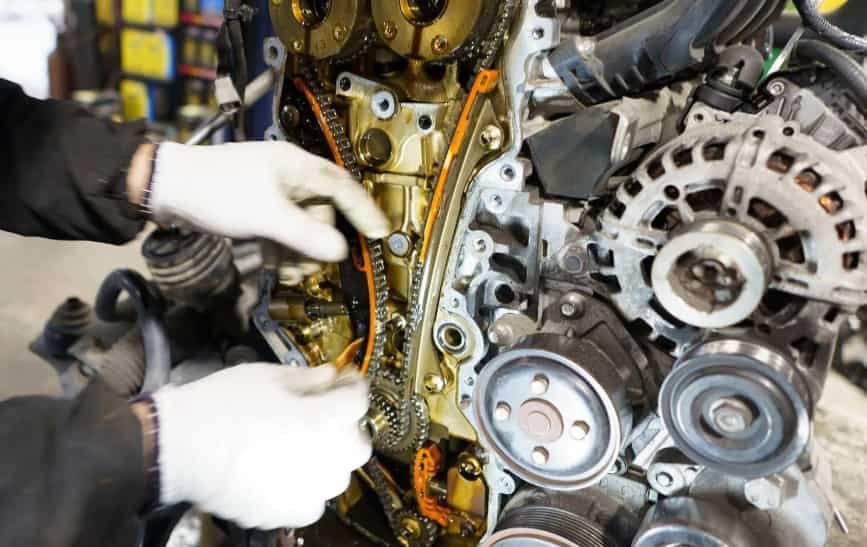
A timing chain is made from hardened metal links, similar to a motorcycle chain. It operates inside the engine and relies on engine oil for lubrication. Because of its durable design, a timing chain can often last for the life of the engine when the vehicle receives regular maintenance. Most petrol Nissan Note models use this system because it offers excellent durability and requires no scheduled replacement under normal driving conditions.
A timing belt is made from reinforced rubber with high strength fibers. Unlike a timing chain, it does not receive continuous lubrication from engine oil. Heat, age, and normal wear gradually weaken the belt, even if the vehicle is driven infrequently. For this reason, manufacturers specify replacement intervals to reduce the risk of sudden failure.
The difference in maintenance is one of the biggest reasons buyers prefer a timing chain. A well maintained chain usually requires little attention beyond regular oil changes. A timing belt, however, must be replaced at the recommended interval regardless of how smoothly the engine appears to run. Ignoring this service can increase the risk of serious engine damage if the belt breaks while the engine is operating.
Neither system is automatically better in every situation. A timing chain generally offers greater durability and lower long term maintenance, but replacing it can be more expensive if wear eventually occurs. A timing belt costs less to manufacture and usually costs less to replace, yet it requires scheduled maintenance throughout the life of the vehicle.
If you are choosing between different Nissan Note models, the timing system should be only one part of your decision. The engine’s overall condition, service history, and maintenance records are often more important than whether it uses a timing chain or a timing belt. A well maintained engine will almost always deliver better reliability than a neglected one, regardless of the timing system it uses.
How to Check Whether Your Nissan Note Has a Timing Chain or a Timing Belt
If you are still unsure whether your Nissan Note has a timing chain or a timing belt, you can confirm it in several ways. The most reliable method is to identify the engine installed in your vehicle. Nissan has produced the Note with different petrol and diesel engines, so the timing system varies between models.
Start by checking your vehicle’s registration documents or owner’s manual. These documents often list the engine size and engine code. Once you know the engine code, you can compare it with the manufacturer’s specifications to determine whether your vehicle uses a timing chain or a timing belt.
You can also find the engine code inside the engine bay. Depending on the model, Nissan places this information on a label attached to the engine or on a metal identification plate. If you cannot locate it, a local Nissan dealer or a qualified repair shop can identify the engine using the vehicle identification number.
Another option is to use an online parts catalog. Enter your vehicle registration number or VIN, and the system will display compatible timing components for your Nissan Note. If the catalog lists a timing chain kit, your engine uses a timing chain. If it lists a timing belt kit, your engine requires a timing belt. Always verify the engine details before ordering parts because the same model year may include multiple engine options.
When buying a used Nissan Note, never rely solely on the seller’s description. Ask for the service records and confirm the engine type yourself. If the vehicle has a diesel engine with a timing belt, check whether the belt has been replaced at the recommended interval. If the vehicle has a petrol engine with a timing chain, look for evidence of regular oil changes and routine maintenance. A complete service history provides a much clearer picture of the engine’s condition than mileage alone.
Taking a few minutes to verify the timing system can prevent expensive mistakes. It helps you order the correct replacement parts, follow the right maintenance schedule, and make informed decisions when buying or servicing a Nissan Note.
Frequently Asked Questions
Does every Nissan Note have a timing chain?
No. Most petrol Nissan Note models use a timing chain, while many models equipped with the 1.5 dCi diesel engine use a timing belt. The timing system depends on the engine rather than the model name, so it is always best to check the engine code before ordering parts or scheduling maintenance.
Does a 2014 Nissan Note have a timing chain?
Most 2014 Nissan Note petrol models use a timing chain, including vehicles fitted with the 1.2 liter HR12DE and HR12DDR engines. However, a 2014 Nissan Note with the 1.5 dCi diesel engine uses a timing belt. Always confirm the engine specification because different markets offered different engine options.
Does a Nissan Note 1.2 have a timing chain?
Yes. The 1.2 liter HR12DE and the 1.2 liter HR12DDR DIG S petrol engines both use a timing chain. These engines do not have a scheduled timing chain replacement interval, but regular oil changes are essential to keep the timing system in good condition.
Does the Nissan Note 1.5 dCi have a timing chain or a timing belt?
The 1.5 dCi diesel engine uses a timing belt. Unlike a timing chain, a timing belt requires replacement at the manufacturer’s recommended service interval. Replacing the belt on time helps prevent severe engine damage and improves long term reliability.
How often should a Nissan Note timing chain be replaced?
A timing chain does not usually require routine replacement. Under normal driving conditions, it can last for the life of the engine. If the chain stretches or the tensioner wears out, a mechanic should inspect the timing system and replace the damaged components when necessary.
What are the signs of a worn timing chain?
A worn timing chain may cause a rattling noise during a cold start, rough idling, reduced engine performance, or an illuminated check engine light. These symptoms can also indicate other engine problems, so a professional inspection is the best way to identify the exact cause.
Is a timing chain better than a timing belt?
Each system has its own advantages. A timing chain usually lasts longer and does not require scheduled replacement, making it a popular choice for many petrol engines. A timing belt costs less to manufacture and replace, but it requires periodic maintenance to prevent unexpected failure.
Conclusion
So, does a Nissan Note have a timing chain? In most cases, the answer is yes. Most petrol Nissan Note models use a timing chain, while many versions powered by the 1.5 dCi diesel engine use a timing belt instead. Understanding this difference helps you choose the correct replacement parts, follow the right maintenance schedule, and avoid unnecessary repair costs.
Although a timing chain is built to last, it still depends on proper maintenance. Regular oil changes, quality engine oil, and routine inspections all help protect the timing system and extend the life of the engine. If you notice unusual engine noise, rough running, or a warning light, arrange an inspection as soon as possible. Early diagnosis can prevent minor wear from developing into a much more expensive repair.
If you are planning to buy a used Nissan Note, take the time to identify the engine before making a decision. Review the service history, confirm whether the vehicle uses a timing chain or a timing belt, and make sure all recommended maintenance has been completed. A well maintained Nissan Note will usually deliver better reliability, lower ownership costs, and greater peace of mind than one with an incomplete service record.
We hope this guide has answered your questions and helped you understand the differences between Nissan Note timing systems. If you know someone who owns a Nissan Note or is considering buying one, share this guide with them. You can also bookmark this page for future reference whenever you need reliable information about Nissan Note maintenance and engine care.