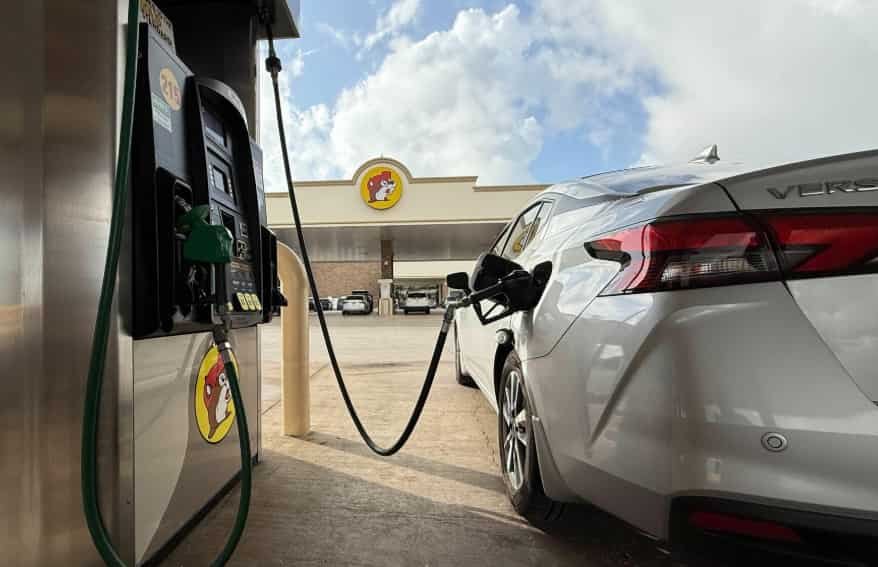
Many Nissan Versa owners ask the same question before filling up their cars. What gas does a Nissan Versa take? Choosing the right fuel helps your engine deliver reliable performance and excellent fuel economy. It also prevents unnecessary costs and gives you peace of mind every time you visit a gas station.
The Nissan Versa runs on regular unleaded gasoline in most model years. Nissan recommends fuel with an octane rating of 87 AKI because the engine was designed for this grade. Many drivers believe premium gasoline improves every vehicle, but that is not true for the Versa. Premium fuel usually costs more without providing noticeable gains in power or efficiency.
Fuel choice affects more than your budget. It also influences engine performance, combustion quality, and long term reliability. Using the correct gasoline helps the engine operate as intended. It also reduces the risk of engine knock caused by fuel with an octane rating below the recommended level.
This guide explains everything you need to know about Nissan Versa fuel requirements. You will learn the recommended octane rating, whether premium gas is worth buying, which ethanol blends are safe, and what happens if you choose the wrong fuel. By the end of this article, you will know exactly which gasoline offers the best value and performance for your Nissan Versa.
What Gas Does a Nissan Versa Take?
The Nissan Versa uses regular unleaded gasoline with an octane rating of 87 AKI for most model years sold in the United States. Nissan designed the engine to deliver the best balance of performance, fuel economy, and reliability with this fuel grade. As a result, most drivers can fill up with regular gasoline without worrying about reduced performance or engine damage.
Many people assume premium gasoline offers better quality because it has a higher octane rating. However, octane does not measure fuel quality or cleanliness. It only indicates how well the fuel resists premature combustion inside the engine. Since the Nissan Versa does not have a high compression engine, it does not require premium gasoline to operate correctly.
Using 87 octane gasoline allows the engine management system to control combustion as intended. This helps maintain smooth acceleration, stable engine performance, and consistent fuel efficiency during daily driving. Drivers can also avoid paying extra for premium fuel that provides little or no measurable benefit in a Nissan Versa.
Although premium gasoline with an octane rating of 91 or 93 is safe to use, most owners will not notice improved horsepower, faster acceleration, or better gas mileage. The engine simply does not need higher octane fuel under normal driving conditions. Choosing regular unleaded gasoline remains the most practical and cost effective option for everyday use.
Before filling your tank, it is always a good idea to check the owner’s manual or the label inside the fuel door. While nearly every Nissan Versa recommends regular unleaded gasoline, confirming the manufacturer’s recommendation ensures you choose the correct fuel for your specific model year.
What Is the Recommended Octane Rating for Nissan Versa?
Nissan recommends 87 AKI regular unleaded gasoline for almost every Nissan Versa. This octane rating gives the engine the fuel it needs for smooth combustion, dependable performance, and efficient daily driving. It also helps keep operating costs low because regular gasoline is less expensive than premium fuel.
The term AKI, or Anti Knock Index, measures a fuel’s resistance to engine knock. Engine knock happens when the air and fuel mixture ignites too early inside the combustion chamber. Early combustion creates extra pressure that can reduce engine efficiency and increase wear over time. Using the recommended octane rating helps the engine burn fuel at the correct moment.
Many drivers confuse octane with fuel quality, but they are not the same. A higher octane rating does not mean cleaner gasoline or more energy. Instead, it allows high compression engines to operate without knocking. Since the Nissan Versa uses an engine designed for 87 AKI, it does not need the additional knock resistance that premium gasoline provides.
Modern Nissan Versa models include sensors that monitor engine operation in real time. These sensors help adjust ignition timing and support smooth performance under different driving conditions. However, they cannot unlock extra power simply because the fuel has a higher octane rating. The engine performs best when you follow the fuel specification recommended by Nissan.
If you accidentally fill your Nissan Versa with 91 or 93 octane gasoline, there is no reason to worry. The vehicle will continue to operate normally. However, you are unlikely to notice better acceleration, improved fuel economy, or increased engine power. In most situations, the extra money spent on premium fuel delivers little practical value.
Choosing the correct octane rating is simple. Fill your Nissan Versa with 87 AKI regular unleaded gasoline unless the owner’s manual for your specific model states otherwise. Following this recommendation protects your engine, supports consistent fuel economy, and helps you avoid unnecessary fuel expenses.
Can You Put Premium Gas in a Nissan Versa?
Yes, you can put premium gasoline in a Nissan Versa. Premium fuel will not damage the engine because it meets or exceeds the minimum octane requirement. However, Nissan does not require premium gasoline for the Versa, so most drivers will not gain any meaningful benefits from paying the higher price.
Premium gasoline usually has an octane rating of 91 or 93 AKI. It is designed for vehicles with high compression or turbocharged engines that need greater resistance to engine knock. The Nissan Versa uses an engine that operates efficiently on 87 AKI regular unleaded gasoline. Because of this design, the engine cannot take full advantage of the higher octane rating.
Many people believe premium gasoline makes every car faster or more efficient. In reality, engine design determines whether a vehicle benefits from higher octane fuel. Since the Nissan Versa was engineered for regular gasoline, most owners will notice little or no difference in acceleration, fuel economy, or overall driving performance after switching to premium fuel.
Some drivers choose premium gasoline because they think it keeps the engine cleaner. In most cases, this is unnecessary. Many brands offer regular gasoline with high quality detergent additives that help reduce deposits inside the fuel system. Choosing a reputable gas station and following the recommended maintenance schedule often provides greater long term benefits than buying premium fuel.
Premium gasoline may make sense in a few situations. For example, some drivers prefer it when traveling through very hot climates or carrying heavy loads for extended periods. Even then, the improvement is often difficult to notice during normal driving. Most Nissan Versa owners can continue using 87 AKI gasoline with complete confidence.
If your goal is to save money without sacrificing reliability, regular unleaded gasoline remains the best choice. It delivers the performance, efficiency, and engine protection that Nissan intended while helping you avoid unnecessary fuel costs.
Can Nissan Versa Use Ethanol Blends?
Most Nissan Versa models can safely use gasoline that contains up to 10 percent ethanol. This fuel is commonly known as E10 and is available at most gas stations. Nissan designed the fuel system to work with this blend, making it a safe and practical choice for everyday driving.
E10 offers a good balance between performance, fuel efficiency, and engine protection. It burns cleanly and helps reduce emissions without affecting normal engine operation. Most drivers will not notice any difference between regular unleaded gasoline with or without a small amount of ethanol because both fuels meet the vehicle’s requirements.
Some gas stations also sell E15, which contains up to 15 percent ethanol. Whether your Nissan Versa can use E15 depends on the model year and local fuel regulations. Some newer vehicles may support E15, while older models may not. Before using E15, check your owner’s manual to confirm that Nissan approves this fuel for your specific vehicle.
Drivers should avoid E85 unless the vehicle is specifically built as a flex fuel model. E85 contains up to 85 percent ethanol, which requires a different fuel system and engine calibration. The Nissan Versa is not a flex fuel vehicle, so using E85 can cause poor engine performance, starting problems, and potential damage to fuel system components.
If you accidentally fill your tank with a small amount of the wrong ethanol blend, avoid driving aggressively and monitor how the vehicle performs. If you suspect a large amount of E85 entered the tank, contact a qualified service technician before driving long distances. Taking quick action can help prevent unnecessary repairs.
To keep your Nissan Versa running smoothly, choose regular unleaded gasoline with an octane rating of 87 AKI and an ethanol content that matches Nissan’s recommendations. Following these guidelines helps protect the fuel system, supports reliable engine performance, and extends the life of important engine components.
Fuel Requirements by Nissan Versa Model Year
Although the Nissan Versa has changed over the years, its fuel recommendation has remained remarkably consistent. Most model years sold in North America use regular unleaded gasoline with an octane rating of 87 AKI. This recommendation applies to both manual and automatic transmission models, making it easy for owners to choose the correct fuel at the pump.
The table below provides a quick overview of the recommended fuel for different Nissan Versa model years.
| Model Year | Recommended Fuel | Octane Rating |
|---|---|---|
| 2007 to 2011 | Regular unleaded gasoline | 87 AKI |
| 2012 to 2019 | Regular unleaded gasoline | 87 AKI |
| 2020 to 2026 | Regular unleaded gasoline | 87 AKI |
If you drive a first generation Nissan Versa, regular unleaded gasoline remains the recommended choice. The engine was engineered to deliver reliable performance with 87 AKI fuel. Choosing a higher octane fuel will not improve engine output or fuel economy under normal driving conditions.
Second generation models continue to use the same fuel recommendation. Nissan refined the engine and transmission to improve efficiency, but the required octane rating did not change. Drivers can continue using regular unleaded gasoline with confidence while enjoying low operating costs.
Current Nissan Versa models also use 87 AKI regular unleaded gasoline. Even with modern engine management technology, Nissan has not introduced a premium fuel requirement for the Versa. The engine control system is calibrated to deliver the best balance of performance and efficiency with regular fuel.
If you own a vehicle imported from another market, always check the owner’s manual before filling the tank. Fuel recommendations can vary between countries because of different fuel standards, emissions regulations, and octane rating systems. Confirming the correct specification ensures your vehicle receives the fuel it was designed to use.
When in doubt, look for the fuel information label inside the fuel door or consult your owner’s manual. These sources provide the most accurate recommendation for your specific Nissan Versa model and help you avoid using the wrong type of gasoline.
What Happens If You Use the Wrong Fuel?
Using the wrong fuel does not always cause immediate damage, but it can affect how your Nissan Versa performs. The outcome depends on the type of fuel you use and how much enters the fuel tank. Understanding the possible effects can help you respond quickly and avoid expensive repairs.
Using Lower Octane Gasoline
If you fill your Nissan Versa with gasoline that has an octane rating below 87 AKI, the engine may develop knocking or pinging under heavy acceleration. Lower octane fuel ignites more easily, which can disrupt the normal combustion process. Modern engine sensors may adjust ignition timing to reduce knocking, but this can also reduce engine performance and fuel efficiency.
Using lower octane gasoline once is unlikely to cause serious damage if you refill with the correct fuel as soon as possible. However, repeated use may increase engine wear over time. Following Nissan’s fuel recommendation is the safest way to maintain reliable performance.
Using Premium Gasoline
Many drivers worry after accidentally filling their Nissan Versa with premium gasoline. Fortunately, there is no reason for concern. Premium fuel is completely safe to use because its octane rating exceeds the minimum requirement. The engine will continue to operate normally, but you should not expect noticeable improvements in power, acceleration, or fuel economy. The only real difference is the higher price you paid at the pump.
Using Diesel Fuel
Accidentally filling a gasoline powered Nissan Versa with diesel fuel is a much more serious problem. Diesel does not ignite the same way as gasoline, so the engine cannot run correctly. Starting the engine after adding diesel can damage the fuel system, fuel injectors, and other engine components.
If you realize the mistake before starting the vehicle, do not turn the ignition on. Contact a roadside assistance service or a qualified repair shop immediately. Draining the fuel tank before starting the engine can prevent extensive damage and reduce repair costs.
Using High Ethanol Fuel
Fuel with a very high ethanol content, such as E85, is not suitable for the Nissan Versa. The fuel system and engine calibration were not designed for this type of fuel. Using E85 may cause rough idling, poor acceleration, difficult starting, and warning lights on the dashboard. Continued use can shorten the lifespan of fuel system components.
How to Avoid Fueling Mistakes
The easiest way to avoid problems is to check the fuel grade before filling your tank. Read the label on the fuel pump, confirm the recommended fuel in your owner’s manual, and choose regular unleaded gasoline with an octane rating of 87 AKI. Spending a few extra seconds at the pump can protect your engine and help you avoid unnecessary repair bills.
Does Premium Gas Make a Nissan Versa Faster?
Many drivers believe premium gasoline automatically improves vehicle performance. While that may be true for some sports cars and luxury vehicles, it does not apply to the Nissan Versa. The Versa uses an engine that was engineered to operate efficiently on 87 AKI regular unleaded gasoline. As a result, premium fuel offers little or no measurable performance advantage during normal driving.
The main purpose of premium gasoline is to resist engine knock in high compression or turbocharged engines. Since the Nissan Versa does not require this extra knock resistance, the engine cannot convert the higher octane rating into additional horsepower or quicker acceleration. The vehicle continues to perform as Nissan intended when filled with regular unleaded gasoline.
The comparison below highlights the differences between regular and premium gasoline for a Nissan Versa.
| Feature | Regular Gasoline 87 AKI | Premium Gasoline 91 to 93 AKI |
|---|---|---|
| Meets Nissan recommendation | Yes | Yes |
| Engine performance | Excellent | Similar |
| Fuel economy | Excellent | Similar |
| Acceleration | Normal | No noticeable improvement |
| Engine protection | Excellent | Excellent |
| Fuel cost | Lower | Higher |
| Overall value | Best choice | Limited benefit |
Premium gasoline may provide a small advantage in vehicles that require higher octane fuel, but the Nissan Versa is not one of them. Most owners will not notice smoother acceleration, increased engine power, or improved fuel economy after switching to premium gasoline. Any difference is usually too small to justify the higher price.
Instead of spending more on premium fuel, focus on habits that have a greater impact on your vehicle. Keep your tires properly inflated, follow the recommended maintenance schedule, replace the air filter when needed, and use high quality gasoline from reputable stations. These simple steps can improve fuel efficiency and help your Nissan Versa perform at its best.
For everyday commuting, road trips, and city driving, 87 AKI regular unleaded gasoline remains the smartest choice. It delivers the performance, reliability, and value that Nissan intended while helping you save money on every fill up.
How to Choose the Best Gas for Your Nissan Versa
Choosing the right gasoline involves more than selecting the correct octane rating. Fuel quality also plays an important role in engine cleanliness, long term reliability, and overall driving performance. Even though the Nissan Versa performs best with 87 AKI regular unleaded gasoline, buying fuel from trusted stations can provide additional benefits.
Look for gas stations that sell Top Tier gasoline whenever possible. Top Tier fuel contains higher levels of detergent additives that help keep fuel injectors, intake valves, and other engine components cleaner. Cleaner engine parts promote efficient combustion and may reduce carbon deposits over time.
Fresh gasoline is another factor to consider. Busy gas stations typically refill their underground storage tanks more often, which means the fuel is less likely to sit for long periods. Fresh fuel helps maintain consistent engine performance and reduces the chance of contamination from water or sediment.
Price should not be the only reason to choose a gas station. A slightly lower price may not be worthwhile if the station has poor maintenance practices or low fuel turnover. Purchasing gasoline from well known brands with a strong reputation for quality can provide greater confidence every time you fill the tank.
Good fuel alone cannot keep your Nissan Versa in excellent condition. Regular maintenance is equally important. Replace the engine air filter according to the recommended service schedule, keep the spark plugs in good condition, and inspect the fuel system during routine maintenance. These simple steps help the engine burn fuel more efficiently and support long term reliability.
Driving habits also affect fuel economy. Smooth acceleration, steady highway speeds, and proper tire pressure often improve fuel efficiency more than switching to a higher octane gasoline. Avoid aggressive acceleration whenever possible, and remove unnecessary weight from the vehicle if you want to maximize miles per gallon.
The best fuel for a Nissan Versa is 87 AKI regular unleaded gasoline from a reputable gas station. Combining quality fuel with routine maintenance and efficient driving habits will help your vehicle deliver dependable performance, lower operating costs, and a longer engine life.
Frequently Asked Questions
Does the Nissan Versa require premium gas?
No. The Nissan Versa does not require premium gasoline. Most model years are designed to run on 87 AKI regular unleaded gasoline. Using premium fuel is safe, but it will not provide noticeable improvements in engine performance, fuel economy, or acceleration during normal driving.
Can I use 88 octane gas in a Nissan Versa?
Yes. An 88 octane gasoline is safe because it exceeds the minimum 87 AKI recommendation. However, always check the ethanol content before filling the tank. Some 88 octane fuels contain a higher percentage of ethanol, so you should confirm that your specific Nissan Versa model is approved for that fuel blend.
Can I mix regular and premium gasoline?
Yes. Mixing regular and premium gasoline will not harm your Nissan Versa. The result is simply a fuel mixture with an octane rating between the two grades. If you occasionally mix fuels, the engine will continue to operate normally without requiring any special maintenance.
Can I use Costco gas in a Nissan Versa?
Yes. Costco gasoline is suitable for the Nissan Versa when you select the correct octane rating. Many Costco stations sell high quality fuel that meets industry standards. Choosing 87 AKI regular unleaded gasoline is the best option for most Nissan Versa models.
Can the Nissan Versa use E15 gasoline?
It depends on the model year and local fuel regulations. Some newer vehicles may support E15, while older models may not. Always check your owner’s manual before using gasoline with 15 percent ethanol. If Nissan does not approve E15 for your vehicle, continue using E10 or regular unleaded gasoline.
Does premium gas improve fuel economy?
Most Nissan Versa owners will not see a meaningful improvement in fuel economy after switching to premium gasoline. Since the engine is calibrated for 87 AKI fuel, it cannot fully benefit from a higher octane rating. Regular unleaded gasoline remains the most cost effective choice.
Which gas station is best for a Nissan Versa?
Choose a reputable gas station that sells fresh gasoline and follows high fuel quality standards. Stations with high customer traffic often have fresher fuel because they refill their storage tanks more frequently. If Top Tier gasoline is available in your area, it is an excellent choice for helping keep the fuel system clean.
What happens if I accidentally put premium gas in my Nissan Versa?
Nothing harmful will happen. Premium gasoline is completely safe to use in a Nissan Versa. The engine will continue to run normally, but you are unlikely to notice better performance or improved fuel economy. Once the tank is empty, you can simply return to using 87 AKI regular unleaded gasoline.
Is regular unleaded gasoline the best choice for a Nissan Versa?
Yes. Regular unleaded gasoline with an octane rating of 87 AKI is the fuel that Nissan recommends for most Versa models. It provides the right balance of performance, fuel efficiency, engine protection, and operating cost, making it the best choice for everyday driving.
Final Thoughts
So, what gas does a Nissan Versa take? The answer is simple. Most Nissan Versa models perform best with 87 AKI regular unleaded gasoline. Nissan designed the engine around this fuel grade to deliver dependable performance, strong fuel economy, and long term reliability. Choosing the recommended gasoline also helps you avoid spending extra money on premium fuel that offers little practical benefit.
Although premium gasoline is safe to use, it does not increase horsepower or significantly improve fuel efficiency in a Nissan Versa. The engine does not require a higher octane rating, so regular unleaded gasoline remains the most practical and cost effective option for everyday driving.
It is also important to use the correct ethanol blend and follow the maintenance schedule in your owner’s manual. Filling your tank with quality gasoline from a reputable station, maintaining proper tire pressure, and servicing your vehicle on time can have a greater impact on performance than switching to premium fuel.
If you are ever unsure about your vehicle’s fuel requirements, check the fuel door label or consult your owner’s manual for the exact recommendation. Taking a few moments to confirm the correct fuel can help protect your engine and prevent unnecessary expenses.
We hope this guide has answered your question about what gas does a Nissan Versa take and helped you choose the best fuel with confidence. If you found this article helpful, explore our other Nissan Versa maintenance guides to learn more about oil type, tire pressure, fuel economy, and routine service tips that can keep your vehicle running at its best for years to come.