
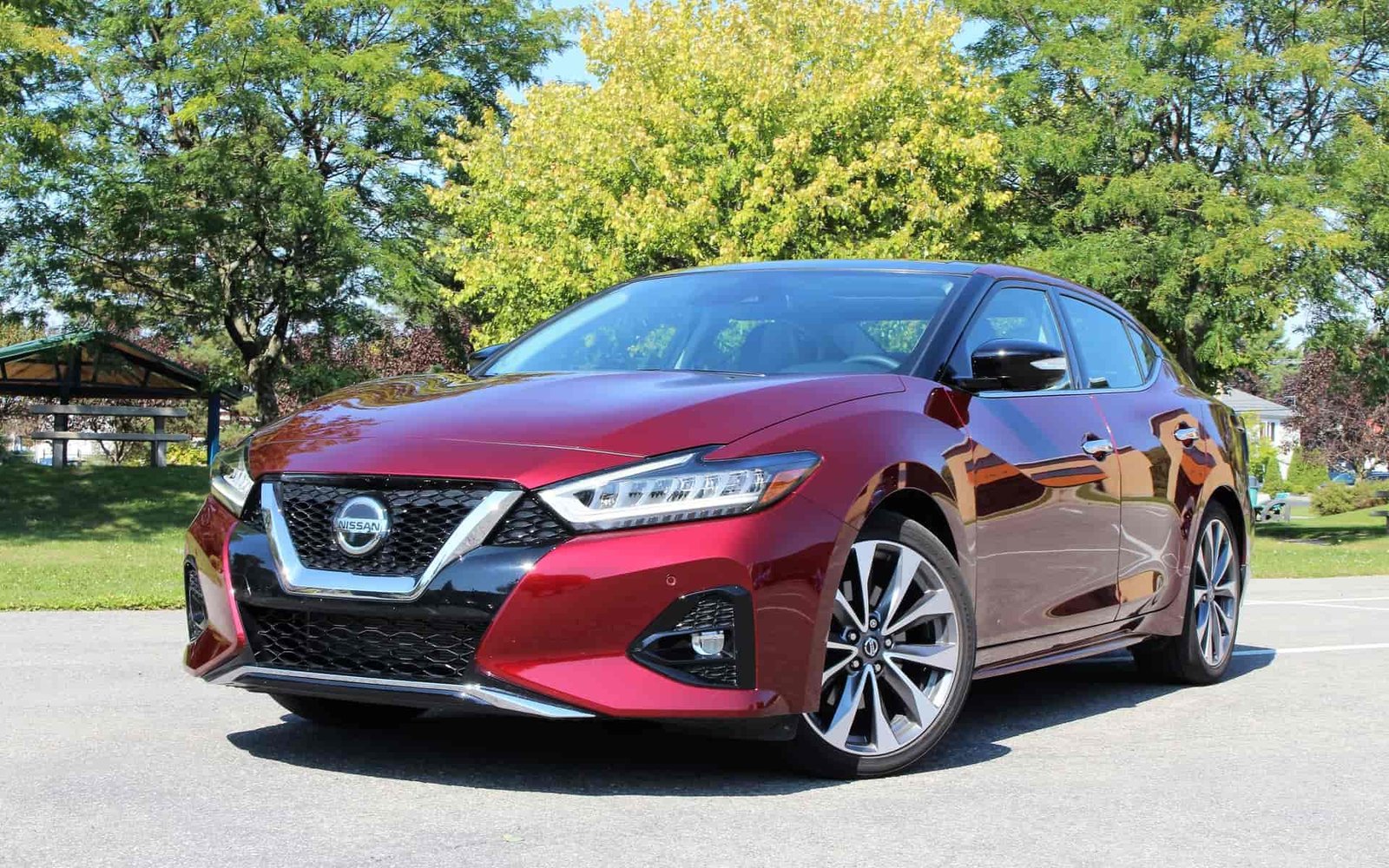
Many drivers ask the same question: is Nissan Maxima a sports car? The confusion exists because Nissan promoted the Maxima for years as a “4-Door Sports Car.” That slogan created a strong identity around the vehicle and made many buyers associate it with traditional sports cars. However, a marketing label and an automotive classification are not always the same thing.
A true sports car is usually defined by several performance-focused characteristics. Vehicle layout, handling dynamics, power-to-weight ratio, chassis tuning, and driving purpose all influence whether a car belongs in the sports car category. Many sports cars prioritize performance over practicality and are designed around driver engagement first. Examples include two-door coupes and lightweight performance vehicles built specifically for speed and cornering.
The Nissan Maxima follows a different approach. It combines strong V6 performance, premium comfort features, aggressive styling, and four-door practicality into one package. That combination places it in a unique position within the market. It delivers a more engaging experience than many traditional family sedans, yet it does not fully match the characteristics expected from a dedicated sports car.
This article explains where the Nissan Maxima actually belongs, why Nissan used the “4-Door Sports Car” identity, how its performance compares to sports car standards, and whether it fits better into the sports sedan category.
Is Nissan Maxima a Sports Car?
No, the Nissan Maxima is not a traditional sports car. It fits more accurately into the sports sedan category because it combines performance with practicality rather than focusing entirely on speed and driving dynamics. Traditional sports cars prioritize lightweight construction, aggressive handling, and driver-centered engineering above everyday usability.
The confusion comes from Nissan’s long-running branding strategy. For years, the company marketed the Maxima as a “4-Door Sports Car.” That description successfully positioned the vehicle as more exciting than standard family sedans. The model offered stronger engines, sharper styling, and a more engaging driving experience compared to many competitors in its segment.
However, classification standards in the automotive industry rely on engineering characteristics rather than advertising language. The Nissan Maxima uses a front-wheel-drive layout, has four full-size doors, and emphasizes comfort alongside performance. Those traits differ from vehicles traditionally recognized as sports cars, which often prioritize rear-wheel-drive systems, lower vehicle weight, and performance-focused chassis setups.
Many buyers still perceive the Maxima as sporty because it delivers performance levels above the average sedan. Its strong acceleration and aggressive appearance create a driving experience that feels more energetic than a standard commuter vehicle. That perception explains why the sports car question continues to appear among buyers and enthusiasts.
What Makes a Car a Sports Car?
There are five major characteristics that define a sports car: performance, handling, vehicle layout, weight balance, and driving purpose. A sports car is designed primarily to maximize driver engagement rather than passenger practicality.
Performance represents the first requirement. Sports cars usually produce strong horsepower relative to their weight. High power-to-weight ratios improve acceleration and create faster response during driving. Vehicles such as performance coupes often prioritize quick acceleration and high-speed capability instead of interior space.
Handling characteristics create another distinction. Sports cars typically use suspension systems and chassis tuning designed for cornering precision. Steering feedback, braking response, and weight distribution receive greater attention because these elements directly influence driving dynamics.
Vehicle design also plays a major role. Many sports cars use two-door coupe or roadster configurations because compact body structures reduce weight and improve balance. Rear-wheel-drive systems are also common because they distribute power in a way that improves performance handling characteristics.
Driving purpose ultimately separates sports cars from sporty vehicles. A sports car exists primarily for performance enjoyment. Practicality becomes a secondary concern. The Nissan Maxima follows the opposite philosophy because it balances speed, comfort, interior space, and everyday convenience within one package.
Why Did Nissan Call Maxima a Four-Door Sports Car?
Nissan used the “4-Door Sports Car” slogan to create a performance identity around the Maxima. The strategy positioned the vehicle between ordinary family sedans and premium performance models. Instead of competing only on practicality, Nissan wanted buyers to associate the Maxima with excitement and driving enjoyment.
The slogan became widely recognized because earlier Maxima generations offered stronger performance than many competitors during their era. Several versions featured V6 engines that produced competitive power figures for midsize and full-size sedans. Drivers could enjoy faster acceleration without sacrificing passenger space or comfort.
The branding also reflected a changing market trend. Many consumers wanted a vehicle that delivered sporty performance while maintaining everyday usability. Nissan identified that opportunity and used the Maxima to fill the gap between practical transportation and enthusiast-focused driving.
The slogan succeeded from a marketing perspective, but it also created long-term confusion. Many drivers interpreted “4-Door Sports Car” literally rather than as a positioning statement. As a result, people still ask whether the Maxima belongs in the same category as dedicated sports cars even though its engineering priorities suggest a different classification.
What Performance Specs Does Nissan Maxima Have?
The Nissan Maxima delivers stronger performance than most traditional family sedans because it combines a powerful V6 engine with sport-oriented tuning. The final generation Maxima came equipped with a 3.5-liter V6 engine producing 300 horsepower and 261 lb-ft of torque. Those figures placed it among the more powerful mainstream sedans in its class.
Acceleration performance further supports the Maxima’s sporty image. Multiple automotive tests recorded 0–60 mph times in approximately 5.7 to 6.0 seconds depending on trim level and road conditions. That level of acceleration feels quick during everyday driving and allows the Maxima to outperform many standard midsize sedans. Strong low-end power also creates responsive passing ability during highway driving.
Despite these performance numbers, the drivetrain setup changes the overall experience. The Maxima uses front-wheel drive and a continuously variable transmission instead of a rear-wheel-drive platform with a conventional performance transmission. Those design choices prioritize comfort and fuel efficiency over aggressive performance handling. As a result, the Maxima feels fast in straight-line acceleration but less focused during spirited driving situations.
Is Nissan Maxima Closer to a Sports Sedan?
Yes, Nissan Maxima fits the sports sedan category more accurately than the sports car category. Sports sedans combine stronger performance with practicality, allowing drivers to enjoy responsive acceleration without sacrificing comfort and daily usability.
A sports sedan balances several characteristics simultaneously. It offers four doors, larger passenger capacity, practical storage space, and performance upgrades that create a more engaging driving experience. Unlike dedicated sports cars, sports sedans are designed to serve multiple purposes rather than focusing exclusively on performance.
The Maxima follows this formula closely. It combines a 300-horsepower V6 engine, aggressive exterior styling, premium interior materials, and comfortable seating for passengers. Drivers receive stronger acceleration and more road presence than a standard sedan while retaining everyday convenience. That balance explains why many automotive reviewers classify the Maxima as a sporty sedan rather than a true sports car.
The distinction becomes important because buyer expectations differ. Someone searching for track-focused handling may expect characteristics similar to a coupe or rear-wheel-drive performance vehicle. Someone seeking comfort with added excitement may find the Maxima positioned exactly where a sports sedan should be.
How Does Nissan Maxima Compare With Other Sporty Sedans?
The Nissan Maxima competes with sporty sedans by emphasizing V6 power and comfort rather than raw performance capability. Different competitors prioritize different characteristics, which changes how the Maxima fits within the segment.
The Dodge Charger focuses more heavily on performance identity. Rear-wheel-drive availability and larger engine options create a driving experience that feels closer to traditional muscle cars. Drivers looking for stronger straight-line performance often prefer the Charger because of its platform and powertrain options.
The Toyota Camry TRD takes a different approach. It combines a V6 engine with suspension upgrades and appearance modifications designed to create a more aggressive driving character. Compared with the Maxima, the Camry TRD feels more performance-oriented while sacrificing some premium interior refinement.
The Honda Accord Sport prioritizes balance and efficiency. Turbocharged engine options and responsive handling create a sporty feeling while maintaining strong fuel economy. The Maxima delivers greater V6 power output, but the Accord often appeals to buyers who want lighter handling and long-term practicality.
These comparisons show that the Maxima occupies a middle position. It offers more excitement than a traditional sedan while remaining more comfort-focused than vehicles designed primarily around performance.
Who Should Buy Nissan Maxima?
The Nissan Maxima is designed for drivers who want stronger performance without giving up comfort and practicality. It fits buyers looking for a sedan that feels more engaging than a standard commuter car while still serving everyday transportation needs.
Drivers who enjoy V6 power often find the Maxima appealing. Many modern sedans have shifted toward smaller turbocharged four-cylinder engines for fuel efficiency. The Maxima offers a naturally aspirated 3.5-liter V6 that delivers immediate power and smoother acceleration characteristics. Buyers who prefer stronger engine response may appreciate this setup.
Daily commuters can also benefit from the Maxima’s balance of comfort and performance. The cabin includes premium materials, supportive seating, and technology features designed for long drives. Drivers receive sporty styling and stronger acceleration without dealing with compromises commonly associated with dedicated performance vehicles.
The Maxima may not fit buyers searching for track capability or highly aggressive driving dynamics. Drivers expecting rear-wheel-drive handling or precision-focused cornering characteristics may prefer traditional performance sedans or sports cars instead.
Is Nissan Maxima Worth Buying if You Want a Sports Car?
The answer depends on what type of driving experience you expect from a sports car. Buyers looking for pure performance characteristics may find the Maxima different from their expectations. Sports cars are often designed around handling precision, lighter construction, and performance-first engineering priorities.
Drivers interested in weekend track driving or aggressive cornering performance frequently prefer vehicles built specifically for those purposes. Cars developed with rear-wheel-drive platforms and performance-focused chassis setups generally provide a more traditional sports car experience.
The Nissan Maxima targets a different type of buyer. It offers stronger acceleration than many family sedans, comfortable interior space, premium features, and enough performance to create a more engaging driving experience. Instead of sacrificing practicality for speed, the Maxima attempts to combine both characteristics.
For many drivers, that balance creates greater real-world value than a dedicated sports car. Daily usability matters more than maximum performance for buyers who spend most of their time commuting, traveling, or carrying passengers.
Final Verdict: Is Nissan Maxima a Sports Car?
No, Nissan Maxima is not a true sports car, but it remains one of the sportiest mainstream sedans Nissan produced. The vehicle delivers several performance characteristics associated with sporty driving, including a strong V6 engine, quick acceleration, and aggressive styling. Those qualities explain why many buyers continue to associate it with sports cars.
Classification standards place the Maxima closer to sports sedans because its engineering priorities focus on balancing comfort, practicality, and performance. Four-door usability, front-wheel drive architecture, and premium daily-driving features move it away from traditional sports car expectations.
The “4-Door Sports Car” identity successfully gave the Maxima a unique position in the market. However, the label worked more as a marketing statement than a technical classification. Buyers expecting a dedicated performance machine may be disappointed. Buyers wanting a practical sedan with extra excitement may discover that the Maxima delivers exactly what they need.