
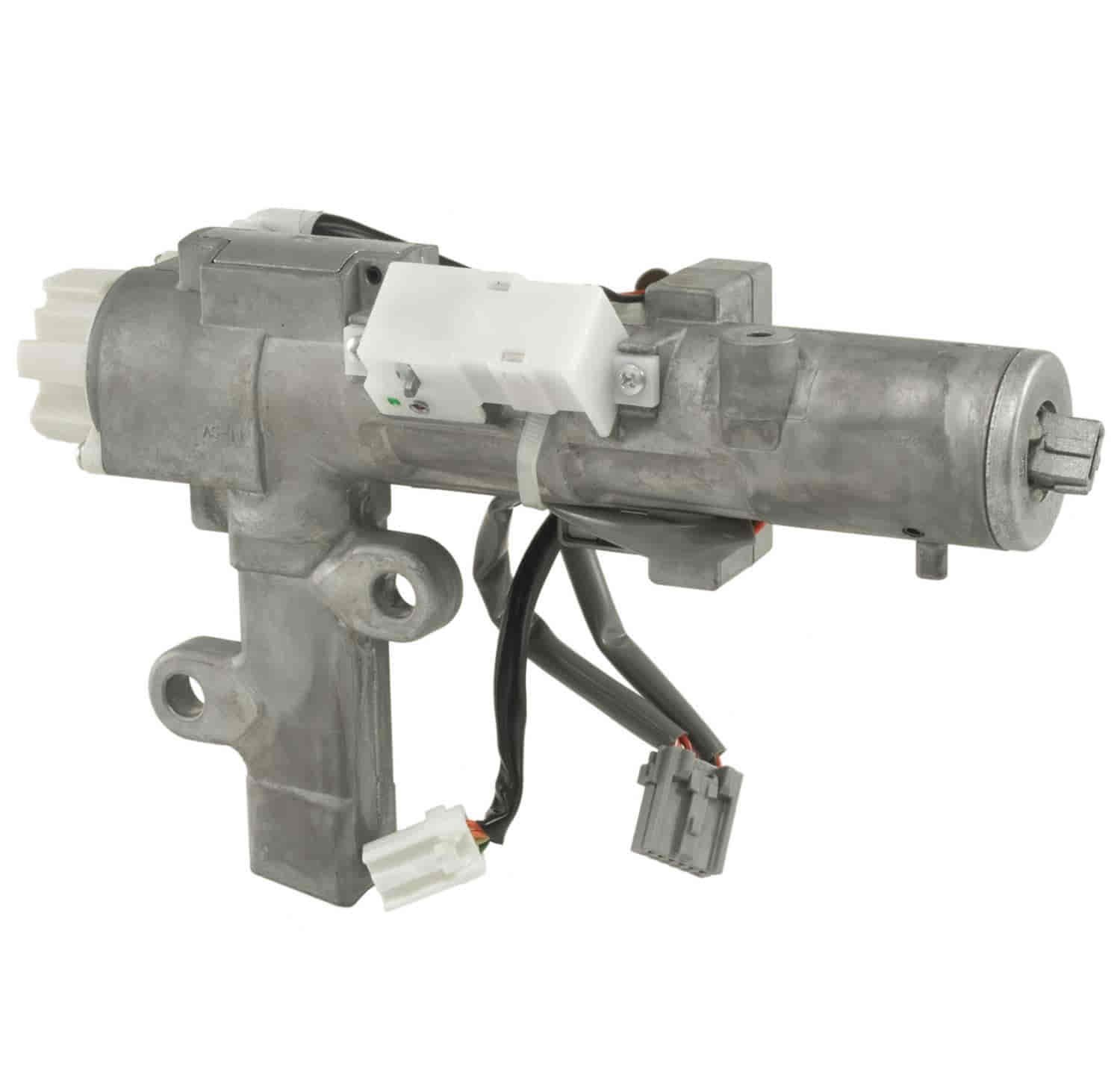
The Nissan Armada not starting is a direct indication of failure in one or more core vehicle systems, including electrical power delivery, engine cranking mechanics, fuel supply, or electronic authorization. In most real-world cases, the problem is not random but follows a predictable failure pattern that can be traced through a structured diagnostic process.
This condition typically appears in three distinct forms: no crank, where the engine does not turn over at all; crank but no start, where the engine rotates but does not ignite; and intermittent start failure, where the vehicle starts inconsistently depending on temperature, battery load, or electronic signals. Each scenario corresponds to a different subsystem failure inside the vehicle architecture.
The most common root causes include a weakened or fully discharged battery, a failing starter motor, a malfunctioning alternator that fails to maintain charge, fuel delivery interruption caused by a faulty fuel pump, ignition or relay circuit failure, immobilizer or key recognition errors, and crankshaft position sensor malfunction that prevents the ECU from synchronizing ignition timing. Understanding these categories is essential because each one requires a different diagnostic path and repair method.
This section introduces a structured breakdown of the seven most frequent causes behind a Nissan Armada no-start condition, designed to help isolate the fault efficiently before replacing parts or performing unnecessary repairs.
Why does a dead or weak battery prevent Nissan Armada from starting?
A weak or fully discharged battery is the most common reason the Nissan Armada fails to start because the entire starting system depends on stable 12V electrical power. When battery voltage drops below approximately 12.4V at rest or falls under load during ignition, the starter motor cannot generate enough torque to crank the engine. This results in either no response when turning the key or a rapid clicking sound from the starter relay.
This condition happens because the battery is responsible for supplying the initial high current required by the starter motor, which can demand several hundred amps during engine cranking. When the battery is degraded due to age, sulfation, extreme temperatures, or repeated deep discharge cycles, its internal resistance increases. As a result, voltage collapses immediately under load even if the lights or dashboard electronics still appear functional.
In practical diagnostic situations, a weak battery often creates misleading symptoms. The dashboard lights may still turn on, but they dim significantly when attempting to start the engine. In colder weather, the failure becomes more severe because chemical reactions inside the battery slow down, reducing available cranking power. A simple load test or voltage measurement under ignition attempt typically confirms the issue within seconds.
In real-world repair cases, replacing a battery that is older than three to five years resolves a large percentage of no-start complaints in vehicles like the Nissan Armada. A jump start may temporarily restore function, but if the battery cannot hold charge after the engine is turned off, the underlying issue is permanent degradation rather than a temporary discharge condition.
Can a faulty starter motor stop Nissan Armada from cranking?
A faulty starter motor is a direct mechanical cause that can prevent the Nissan Armada from cranking even when the battery is in good condition. The starter motor is responsible for physically rotating the engine’s flywheel to begin the combustion cycle. When it fails, the engine remains completely stationary or produces only a single clicking sound without rotation.
This failure occurs because internal components of the starter motor such as carbon brushes, solenoids, or armature windings wear down over time. When the brushes become too short or the solenoid fails to engage properly, electrical energy from the battery cannot be converted into mechanical motion. In some cases, heat damage or repeated high-current starts accelerate internal wear, leading to intermittent or complete failure.
In practical diagnostic scenarios, a failing starter often creates a clear distinction between electrical supply and mechanical response. The dashboard and lights may operate normally, and battery voltage may test within acceptable range, but turning the key produces no engine movement. A single loud click usually indicates the solenoid is engaging but the motor itself is not spinning.
A proper diagnosis typically involves a starter bench test or voltage drop test at the starter terminals. If the starter draws excessive current without rotation or shows no response despite proper voltage, replacement of the starter assembly becomes necessary rather than attempting repair, as internal wear is generally not reversible in modern sealed units.
How does a bad alternator cause Nissan Armada starting problems?
A failing alternator can indirectly prevent the Nissan Armada from starting because it is responsible for recharging the battery and maintaining stable system voltage while the engine is running. When the alternator underperforms or fails completely, the battery gradually loses charge after each drive until it no longer has enough power to crank the engine.
This condition develops because the alternator converts mechanical energy from the engine into electrical energy to support vehicle systems and recharge the battery. When the internal voltage regulator, diodes, or rotor windings fail, the charging output drops below the required range of approximately 13.5 to 14.7 volts. As a result, the battery is forced to supply all electrical demand without replenishment, leading to progressive discharge.
In real-world symptoms, a failing alternator often presents as a vehicle that starts normally once but struggles or fails to restart later. Drivers may also notice dimming headlights, unstable dashboard voltage readings, or a battery warning light appearing while driving. These are early indicators that the charging system is not maintaining equilibrium.
Diagnosis typically involves measuring alternator output with a multimeter while the engine is running. If voltage remains close to battery resting voltage or fluctuates significantly under load, the alternator is not functioning correctly. In such cases, replacement is usually required because internal component failure cannot be reliably repaired in most modern alternator designs.
Why does fuel pump failure prevent Nissan Armada from starting?
A failing fuel pump can prevent the Nissan Armada from starting because the engine requires a precise fuel pressure level to initiate combustion. When the fuel pump cannot deliver fuel from the tank to the fuel rail at the required pressure, the engine may crank normally but will not ignite.
This failure occurs because the fuel pump is responsible for maintaining continuous fuel flow at a specific pressure range so that fuel injectors can atomize gasoline correctly inside the combustion chamber. Over time, the electric motor inside the pump can wear out due to heat exposure, contaminated fuel, or extended low-fuel driving conditions. When internal pressure drops below operational thresholds, the fuel injectors cannot deliver an ignitable mixture.
In real-world symptoms, a faulty fuel pump often presents as a cranking engine that never fully starts. The starter motor works normally, but there is no combustion response. Drivers may also notice a lack of the brief humming sound from the rear of the vehicle when the ignition is turned on, which normally indicates fuel pump priming.
Diagnostic confirmation typically involves measuring fuel rail pressure using a fuel pressure gauge. If pressure is below manufacturer specifications, the pump or its relay circuit is the primary suspect. In most cases, replacement of the fuel pump assembly is required because internal wear of the pump motor cannot be reliably repaired once pressure degradation begins.
Can ignition switch or starter relay failure stop starting?
A faulty ignition switch or starter relay can prevent the Nissan Armada from starting because both components control the electrical signal path required to activate the starter system. When either component fails, the starter motor does not receive the proper activation signal even if the battery and starter motor are in good condition.
This issue occurs because the ignition switch acts as the primary control interface that sends a low-current signal to the starter relay, which then switches a high-current circuit to engage the starter motor. Over time, electrical contacts inside the ignition switch can wear out due to repeated use, heat exposure, or internal arcing. Similarly, the relay can fail due to coil burnout or contact corrosion, interrupting the signal chain.
In practical terms, this failure often presents as a complete no-crank condition where turning the key or pressing the start button produces no engine response at all. Unlike a weak battery or faulty starter motor, there is usually no clicking sound, because the relay never activates to send power forward. In some cases, the issue may appear intermittently, where the vehicle starts on some attempts but not others.
Diagnosis typically involves testing relay continuity, swapping the starter relay with another identical relay in the fuse box, or checking voltage output from the ignition switch circuit. When either component is confirmed faulty, replacement is required because internal electrical wear cannot be restored reliably once contact degradation has occurred.
How does immobilizer or key fob issue block Nissan Armada starting?
An immobilizer or key fob malfunction can prevent the Nissan Armada from starting because the engine control system will not authorize ignition without a valid security signal. Even if the battery, starter motor, and fuel system are fully functional, the vehicle will remain immobilized if the ECU does not recognize the key.
This system works by using a transponder chip inside the key fob that communicates with the vehicle’s immobilizer module. When the ignition is activated, the system verifies the encrypted signal from the key. If the signal is missing, weak, or incorrect due to a dead key fob battery or programming failure, the ECU disables fuel injection and ignition spark as a security measure.
In real-world situations, this failure often appears as a no-start condition where the engine cranks briefly or does not crank at all, accompanied by a flashing security indicator on the dashboard. In some cases, the vehicle may start intermittently if the key signal is partially detected, which makes diagnosis more confusing for drivers.
Diagnostic steps typically include checking the key fob battery, testing with a spare key, and scanning the ECU for immobilizer-related error codes. If the system has lost synchronization, reprogramming the key or resetting the immobilizer module is required. In most cases, this is an electronic authorization issue rather than a mechanical failure, so replacing engine components will not resolve the problem.
Why does crankshaft position sensor failure prevent engine start?
A faulty crankshaft position sensor can prevent the Nissan Armada from starting because the engine control module (ECU) relies on this sensor to determine the exact position and speed of the crankshaft. Without this signal, the ECU cannot correctly time fuel injection or ignition spark, resulting in a no-start condition even if the engine is physically cranking.
This failure occurs because the crankshaft position sensor generates a real-time electrical signal as the engine rotates. Over time, the sensor can fail due to heat exposure, oil contamination, internal circuit damage, or wiring degradation. When the signal becomes weak or completely lost, the ECU assumes the engine is not moving or cannot synchronize combustion timing, so it disables ignition and fuel delivery as a safety measure.
In real-world symptoms, this issue typically presents as an engine that cranks normally but does not start. There is usually no misfire or partial ignition; instead, the engine remains completely unresponsive despite proper battery, starter, and fuel system operation. In some cases, the failure may be intermittent, where the vehicle starts after cooling down and then fails again when the sensor heats up.
Diagnosis is commonly performed using an OBD2 scanner to check for codes related to crankshaft or camshaft correlation errors. If no RPM signal is detected during cranking, the sensor is the primary suspect. Replacement is usually required because internal sensor degradation cannot be repaired reliably, and proper engine timing depends entirely on accurate crankshaft position data.
Why does crankshaft position sensor failure prevent engine start?
A crankshaft position sensor failure can prevent the Nissan Armada from starting because the engine control module (ECU) depends on this sensor to determine the exact position and rotational speed of the crankshaft. Without this data, the ECU cannot synchronize fuel injection timing or ignition spark timing, so it disables engine start as a protective measure.
This failure happens because the crankshaft position sensor continuously generates electrical signals as the crankshaft rotates. These signals are used to calculate engine RPM and piston position in real time. Over time, the sensor can degrade due to heat exposure from the engine bay, oil leakage contaminating the sensor tip, damaged wiring harnesses, or internal electronic failure. When the signal becomes weak, inconsistent, or completely lost, the ECU loses synchronization with engine movement.
In practical symptoms, this condition typically shows a normal cranking engine that never fully starts. The starter motor operates correctly, battery voltage is stable, and fuel delivery may still occur, but combustion does not happen because ignition timing is disabled. In some cases, the problem can be intermittent, where the vehicle starts when the sensor is cold but fails after the engine warms up and resistance changes inside the sensor.
Diagnosis is usually performed using an OBD2 scanner to check for RPM signal data and correlation fault codes between crankshaft and camshaft sensors. If the scanner shows zero RPM during cranking, the crankshaft position sensor is the primary suspect. Replacement is required in most cases because internal semiconductor failure cannot be repaired and accurate engine timing depends entirely on this sensor signal.
Read more: Nissan Altima Not Accelerating
Why does crankshaft position sensor failure prevent engine start?
A crankshaft position sensor failure can prevent the Nissan Armada from starting because the engine control module (ECU) depends on this sensor to determine the exact position and rotational speed of the crankshaft. Without this signal, the ECU cannot synchronize fuel injection timing or ignition spark timing, so it disables the starting process entirely.
This failure occurs because the crankshaft position sensor continuously generates electrical pulses as the crankshaft rotates. These pulses act as a real-time reference for engine speed (RPM) and piston position. When the sensor degrades due to heat exposure, wiring damage, oil contamination, or internal circuit failure, the signal becomes weak or disappears completely. Once the ECU stops receiving accurate crankshaft data, it assumes the engine is not operating correctly and shuts down ignition and fuel commands.
In real-world symptoms, this issue typically presents as a normal cranking engine that never starts. The starter motor turns the engine at normal speed, but there is no combustion because spark and fuel injection are not triggered. In some cases, the problem is intermittent, where the vehicle starts when the sensor is cold but fails after heat increases resistance inside the sensor.
Diagnosis is typically performed using an OBD2 scanner to monitor engine RPM during cranking and check for correlation fault codes between crankshaft and camshaft sensors. If RPM remains at zero while cranking, the crankshaft position sensor is the primary suspect. Replacement is usually required because internal electronic failure cannot be repaired, and accurate engine timing depends entirely on this sensor signal.